
Italian Easter bread, known as "Pane di Pasqua," is a tasty treat that people eat during Easter in Italy and in Italian communities everywhere. This old bread has lots of bold flavors and unique shapes, and it's often decorated with colored eggs that stand for new life and resurrection. Every part of Italy has its own way of making this bread, using local ingredients and customs, so each loaf kinda represents a little bit of local tradition and celebrations.
The importance of Italian Easter bread goes way beyond just its taste; it's a big part of Easter celebrations. Families usually get together to bake this bread while keeping the old traditions alive and making new fun memories. When it sits proudly in the middle of the table, it shows hope and fresh starts, inviting everyone to share in the joy of the season. The braiding of the dough and the way colorful eggs are placed aren't just for show-they carry some deep symbolic meanings related to Easter.
This article will dig into the history of Italian Easter bread, looking at its roots and the different local twists that make it extra special. We'll talk about the key ingredients that give it its unique taste and walk you through a step-by-step recipe so you can try it at home. Plus, we'll go over regional versions, vegan options, and answer some common questions so you've got everything you need to enjoy Italian Easter bread in your own kitchen.
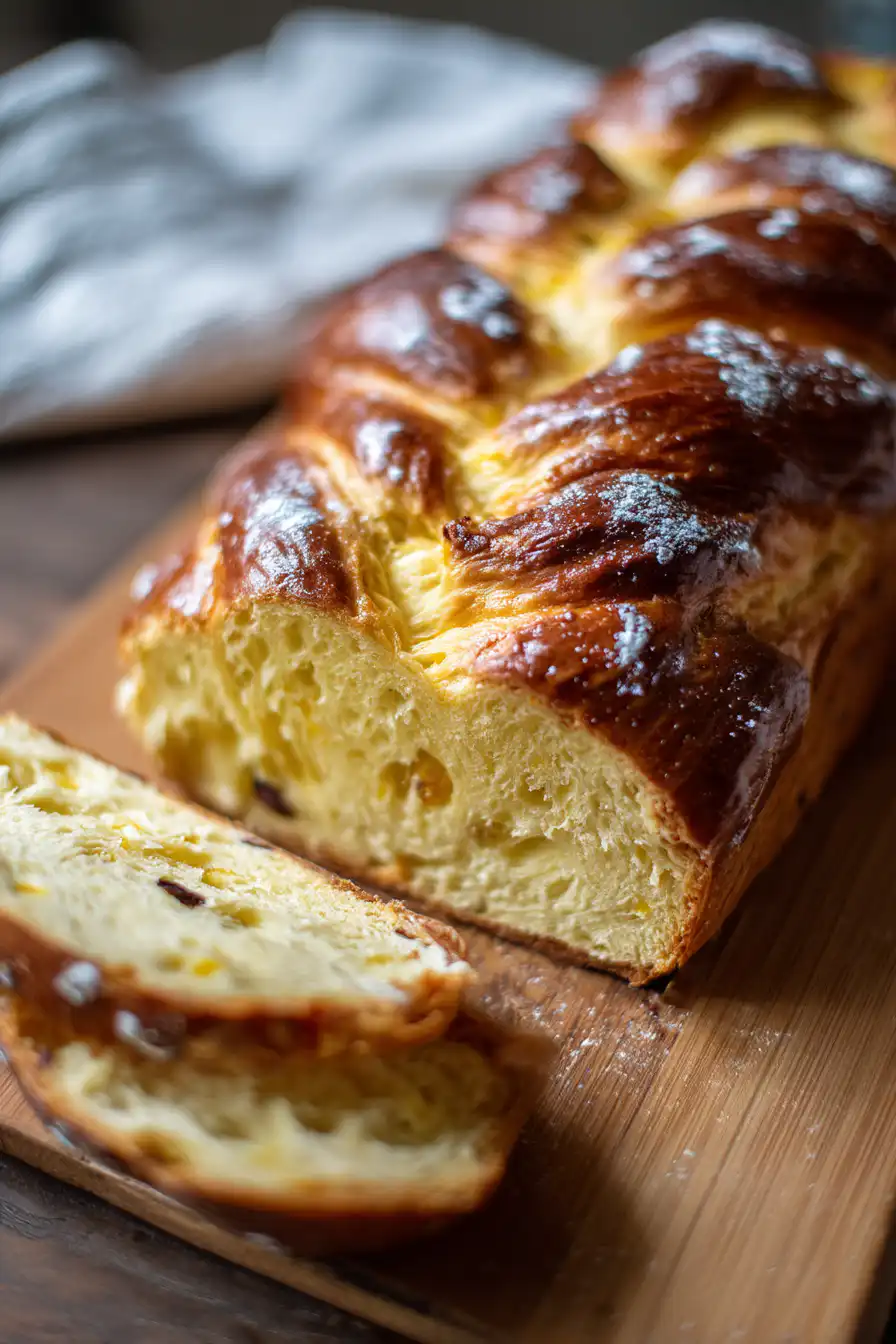
1. Historical Background of Italian Easter Bread
Italian Easter bread, or "Pane di Pasqua," has a long, rich history that goes back to ancient customs in Italy. Its origins are tied up with different traditions in various regions, and it shows the old farming practices and seasonal celebrations. In many places, bread has always meant life and food, so it makes sense that it is the main dish during Easter, which is all about resurrection and new beginnings. Over time, baking special bread for Easter turned into many different regional styles. Each region uses local flavors-from the sweet, aromatic breads you see in Sicily to the more savory ones common in Northern Italy.
1.1 Origins of Italian Easter Bread
Long ago, Italian Easter bread had its roots in fertility rituals where food was connected to the farming cycles and the promise of new life. As time went on, these rituals evolved into the festive act of baking Easter bread as we know it today. Depending on where you are, the bread might include unique spices or flavors that highlight local agricultural traditions. For example, some areas add anise seeds which give the bread a distinct and enjoyable aroma.
1.2 Symbolism in Easter Celebrations
The meaning behind Italian Easter bread goes further than its tasty flavor; it's packed with symbolic ideas associated with Easter. The main ingredients-flour, eggs, sugar, and yeast-represent life, fertility, and resurrection. The shapes, whether braided or circular, also have meaning; braiding shows unity, and the circle stands for eternity. The colorful eggs, tucked into the dough, aren't just pretty. They are strong symbols of new life and resurrection, reminding everyone of the hopeful message of Easter.
2. Ingredients of Italian Easter Bread
Making Italian Easter bread means using some key ingredients that give it its rich flavor and special texture. Every ingredient plays a part in making the bread awesome for Easter celebrations.
2.1 Common Ingredients
- Flour: All-purpose flour is used as the base of the dough.
- Sugar: It adds sweetness and helps to activate the yeast.
- Yeast: This makes the bread rise and become light and fluffy.
- Eggs: Eggs help make the bread rich, and they give it structure.
- Milk: Milk makes the bread moist and gives it a tender texture.
- Lemon zest: Lemon zest adds a bright and aromatic flavor that fits well with the sweetness.
- Anise seeds: Optional, but many regions use them for an extra burst of flavor.
2.2 Optional Ingredients
Even though the list above forms the basic recipe for Italian Easter bread, there are extra ingredients that can add to its flavor and texture:
- Dried fruits: Like raisins or candied citrus peel that give extra sweetness and chewiness.
- Nuts: Nuts can add crunch and a rich flavor.
- Glaze: Brushing the bread with an egg wash or milk wash before baking gives it a shiny, pretty finish.
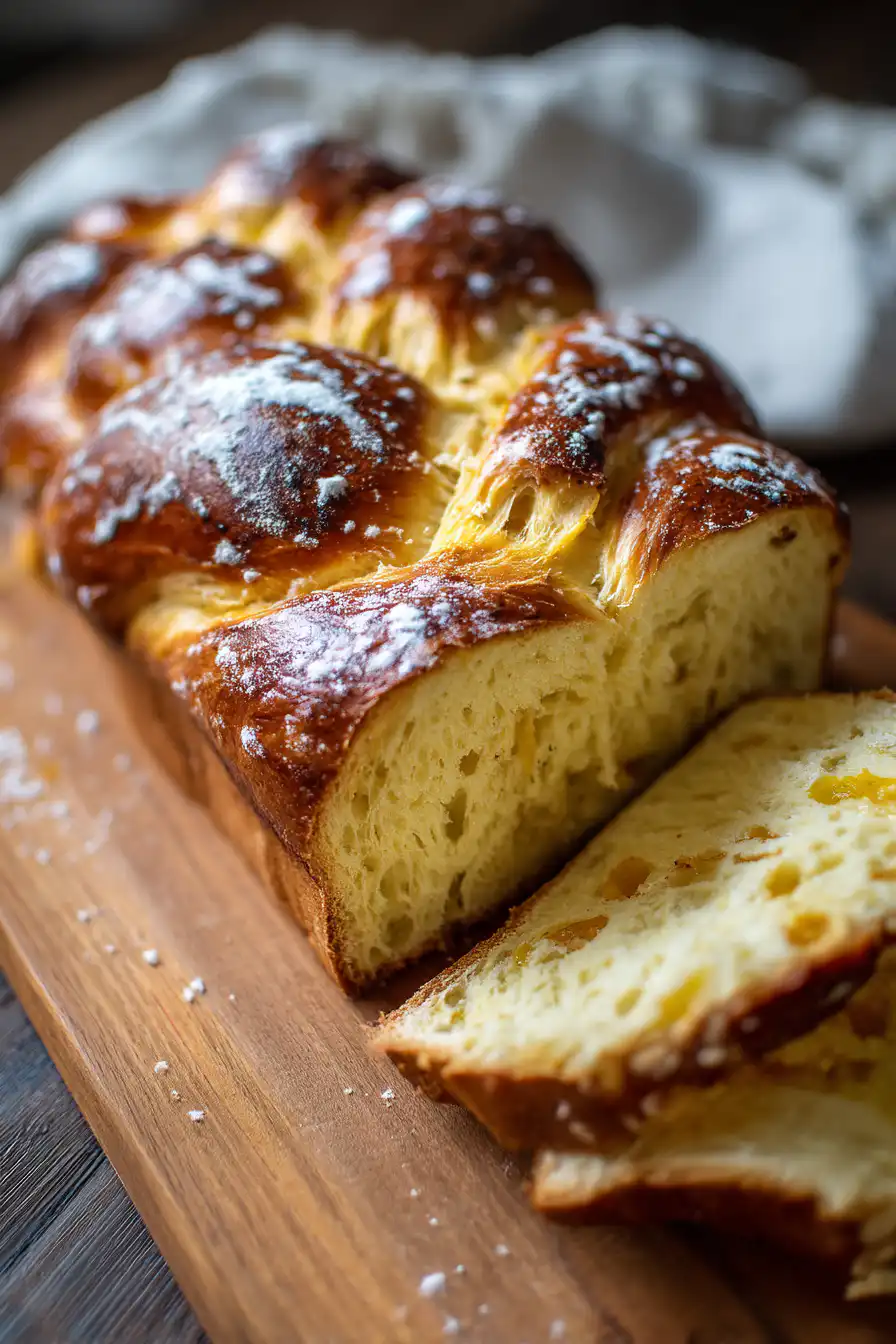
3. Detailed Recipe for Italian Easter Bread
3.1 Ingredients List
- 4 cups all-purpose flour
- 1 cup milk
- ⅓ cup sugar
- ¼ cup butter
- 2 packets of active dry yeast
- 4 large eggs (plus 1 extra for the wash)
- ½ teaspoon salt
- 1 teaspoon vanilla extract
- 1 teaspoon anise extract (optional)
- Colored eggs for decoration (optional)
3.2 Directions
1. Prepare the Yeast: In a small bowl, mix warm milk with sugar then sprinkle the yeast on top. Let it sit for about 5-10 minutes until it gets frothy.
2. Mix Dry Ingredients: In a large bowl, combine the flour, salt, and lemon zest. Stir them together so they're evenly mixed.
3. Make the Dough: Add the frothy yeast mixture to the dry ingredients. Then mix in the eggs, melted butter, vanilla extract, and anise extract if you're using it. Stir it until a dough forms. Now knead the dough on a floured surface for about 8-10 minutes until it feels smooth and elastic.
4. First Rise: Place the dough in a greased bowl and cover it with a clean cloth. Let it rise in a warm place for 1 to 2 hours, or until it doubles in size.
5. Shape the Bread: After it has risen, punch the dough down to remove extra air. Divide it into three equal parts. Roll each part into long strands and braid them together. You can then tuck in or place colored eggs along the braid as you like.
6. Second Rise: Place the braided dough on a baking sheet lined with parchment paper and cover it again. Let it rise for another 30 minutes until it puffs up nicely.
7. Bake: Preheat your oven to 350°F (175°C). Brush the dough with the extra egg you set aside to get a shiny finish. Bake the bread for about 25-30 minutes, or until it turns a lovely golden brown and sounds hollow when you tap the bottom.
8. Cooling and Serving Tips: Let the bread cool on a wire rack before slicing it. This rest time helps to keep all the flavors in place and makes it easier to cut.
3.3 Serving Suggestions
- Serve it with some cheeses or cured meats during an Easter brunch.
- Try making French toast or a bread pudding with it for a fun, festive meal.
4. Regional Variations of Italian Easter Bread
4.1 Pane di Pasqua
In Southern Italy, especially in Sicily, the traditional Pane di Pasqua is known for its vibrant decorations. It is often sprinkled with bright colors and topped with many eggs on the braided bread. This variation might include flavors like citrus zest or local nuts, giving it a taste that mirrors the region's natural bounty.
4.2 Taralli and Other Variants
Taralli is a crunchy Italian snack that also gets some inspiration from the festive spirit of Easter. Although not exactly bread, these ring-shaped treats are sometimes flavored with wine or spices and make a great side for the Easter meal. Other regional versions might vary in shape and texture, with some focusing more on savory flavors than the common sweet type.
4.3 Differences in Toppings and Decorations
The way the bread is decorated can really change based on local customs. In some regions, people like to use natural dyes when coloring the eggs, which gives them deep, rich hues that make the bread look extra nice. Sprinkles, nuts, and even edible flowers might be added to craft a unique centerpiece that shows off family traditions and personal flair.
5. How to Make Italian Easter Bread Vegan
5.1 Substitutions for Traditional Ingredients
To make a vegan version of Italian Easter bread, you need to swap out some of the regular ingredients. Use a plant-based milk like almond or soy milk instead of cow's milk. For eggs, you can mix 1 tablespoon of ground flaxseed with 2.5 tablespoons of water or use chickpea brine to help bind the dough. These alternatives give you the right texture while sticking to vegan principles.
5.2 Adjusting the Flavors
You can still keep the traditional taste by using extracts like vanilla and anise. Adding spices such as cinnamon or nutmeg can also boost the aroma, making sure the bread keeps that familiar flavor even with the substitutions.
6. FAQs
6.1 What is Italian Easter Bread made of?
Italian Easter bread is usually made from flour, sugar, yeast, eggs, milk, and sometimes gets extra flavor from items like lemon zest and anise seeds. Depending on regional traditions, dried fruits and nuts might also be mixed in.
6.2 Why is there an egg in Italian Easter Bread?
The egg is there to symbolize new life and resurrection, a key theme during Easter. It not only makes the bread look pretty but also carries a deeper meaning for the holiday.
6.3 Can Italian Easter Bread be made in advance?
Yes, you can make Italian Easter bread ahead of time. Once it's baked, keep it in an airtight container at room temperature for about 3-5 days or freeze it if you want it to last longer. When you're ready to serve, just warm it up in the oven.
6.4 How long does Italian Easter Bread last?
If you store it right, Italian Easter bread stays fresh for about 3 to 5 days at room temperature. If you refrigerate or freeze it, it can last longer, but it might not be as fresh as when it was first baked.
6.5 Can I freeze Italian Easter Bread?
Sure, you can freeze Italian Easter bread. Just make sure it's completely cooled, then wrap it tightly in plastic wrap and put it in a freezer-safe bag or container. When you want to eat it, thaw it at room temperature and reheat in the oven if you like.
Conclusion
Learning about the traditions behind Italian Easter bread connects us to the rich history and lively spirit of Italian culture. This recipe invites you to bake and share this delicious bread with your family and friends, capturing the hope and renewal that Easter brings. Whether you stick to the classic recipe or add your own spin, the experience of making and eating Italian Easter bread is sure to be a cherished memory.
Additional Tips
If you're new to baking Italian Easter bread, here are a few tips that might help you:
- Make sure your ingredients, especially the eggs and milk, are at room temperature for the best result.
- Flour your work surface well so the dough doesn't stick when you're kneading and shaping it.
- Feel free to experiment with different flavorings or fillings, like chocolate chips, to create a version that's uniquely yours.
- Store any leftover bread in a sealed container or wrapped tightly to keep it fresh.
- Reheat slices gently in a toaster for a quick and tasty breakfast treat.

italian easter bread
Equipment
- 1 large mixing bowl
- 1 measuring cups and spoons
- 1 whisk
- 1 wooden spoon or spatula
- 1 baking sheet
- 1 parchment paper
- 1 plastic wrap
- 1 oven
Ingredients
- 4 cups all-purpose flour
- 1 cup granulated sugar
- ½ cup milk Warm.
- ½ cup unsalted butter Melted.
- 3 large eggs
- ¼ ounce active dry yeast Equivalent to 2 ¼ teaspoons.
- 1 teaspoon vanilla extract
- 1 teaspoon lemon zest
- ½ teaspoon salt
- 10 units decorated eggs Optional, for decorating.
- as needed food coloring For decorating.
Instructions
- In a large mixing bowl, dissolve the yeast in warm milk and let it sit for 5 minutes until frothy.
- In the same bowl, add the melted butter, sugar, eggs, vanilla extract, lemon zest, and salt. Mix until well combined.
- Gradually add the flour, one cup at a time, mixing with a wooden spoon or spatula until a dough forms.
- Turn the dough onto a lightly floured surface and knead for about 10 minutes until smooth and elastic.
- Shape the dough into a ball and place it in a greased bowl. Cover it with plastic wrap and let it rise in a warm place for about 1 hour or until it has doubled in size.
- Preheat your oven to 350°F (175°C).
- After the dough has risen, punch it down and divide it into three equal pieces. Roll each piece into a long rope (about 14 inches long).
- Braid the three ropes together and shape the braid into a circle, pinching the ends to seal.
- Place the braided bread on a baking sheet lined with parchment paper. If using, gently nestle the decorated eggs into the braid.
- Cover the bread with a kitchen towel and let it rise for another 30 minutes.
- Bake in the preheated oven for 25-30 minutes or until golden brown.
- Remove from the oven and let cool on a wire rack before serving.