
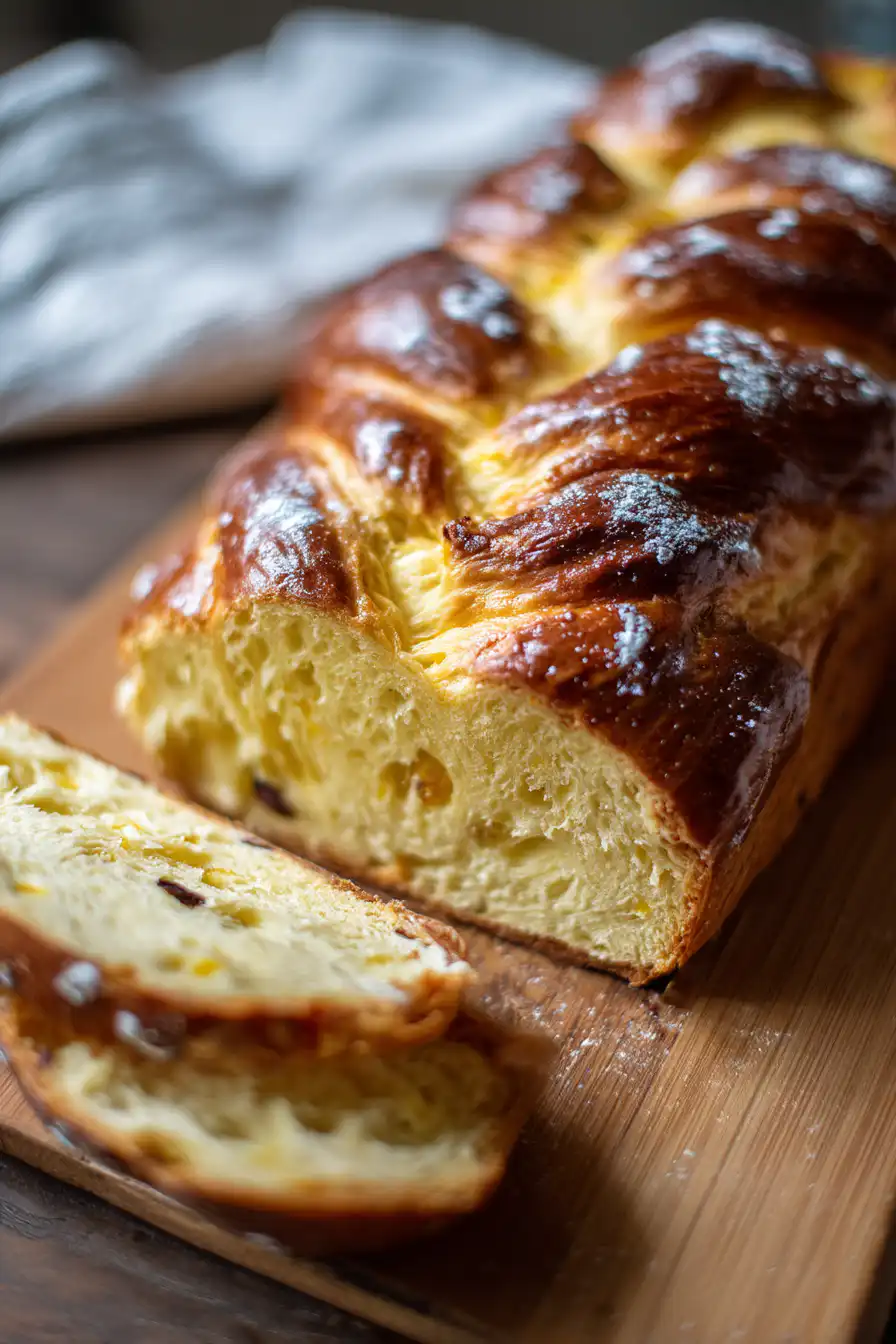
Italian Easter bread, called "Pane di Pasqua," is a longtime tradition with lots of history and deep meaning. This braided bread, which sometimes has colored eggs in it, stands for the renewal and rebirth that comes with Easter. Its soft, sweet taste and pretty look make it a favorite not just on the dining table but also at family get togethers, showing off the fun and joy of the holiday.
Easter is a big deal in Italian culture, with customs that change from area to area. Many Italian families make this special bread as part of their holiday meals, and it's usually eaten at Easter brunch or dinner. The process of making it can even bring families closer as they work together to knead, braid, and bake this yummy treat.
This article dives into the history and meaning behind Italian Easter bread and gives you a step-by-step recipe to try at home. You'll learn about the symbolism of the ingredients, the differences between regions, and some tips to get the best loaf. Plus, we talk about the old traditions of Easter in Italy and some ideas on how to enjoy this tasty bread during the celebrations.
Historical Background
Italian Easter bread has roots that go way back in time and are woven into Italian culture. People believe its origins come from ancient customs that welcome spring and the new life it brings. These customs were later mixed with Christian traditions when the idea of Christ's resurrection became so important.
All over Italy, there are different kinds of Easter bread. In Sicily, the bread might include flavors like citrus and anise whereas in Naples, it tends to be sweeter with candied fruits and almonds. These changes not only show local taste but also how different cultures helped shape Italian cooking over time.
Symbolism of Ingredients
The ingredients in Italian Easter bread come with special meanings, mostly about new life and rebirth. Flour and eggs are the main stuff here, because eggs have long been seen as symbols of fertility, renewal, and even Jesus' resurrection. The colored eggs that sometimes get mixed into the dough make this meaning even stronger, adding a sense of celebration and the promise of spring. Also, braiding the bread kinda shows the joining of life and faith, which is a clear nod to the spirit of Easter.
The bright hues of the dyed eggs bring the celebration of life to the forefront. Every region in Italy might have its own take on the right colors and shapes for the bread, which adds more flavor to the cultural importance of this treat. When families get together to make and enjoy this bread at Easter time, they aren't just eating; they're taking part in a tradition that binds them with both faith and family.
Ingredients
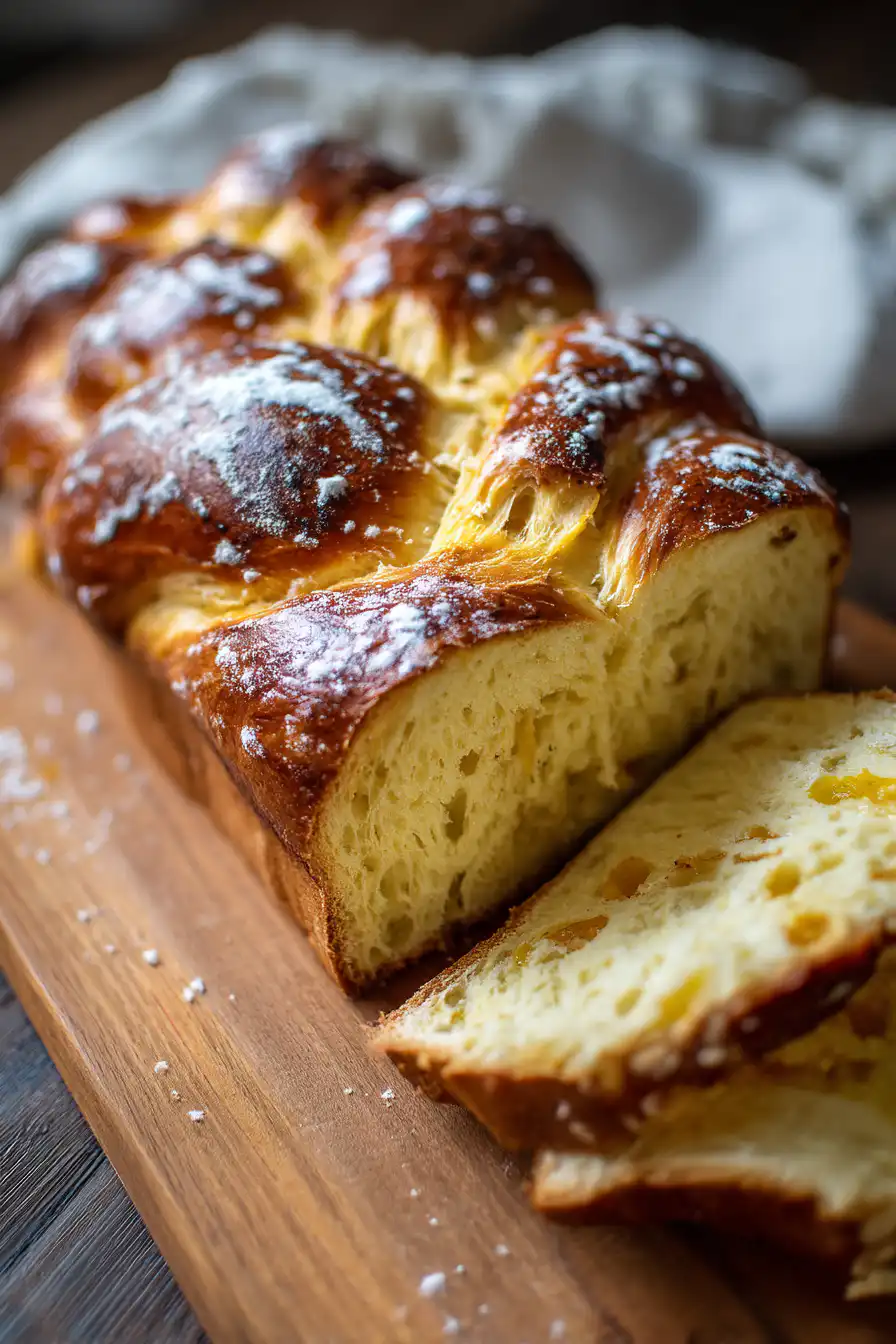
To make a delicious Italian Easter bread, you need a mix of key ingredients that create its special taste and texture. Here are the main stuffs you will need:
Essential Ingredients
- Flour: Usually all-purpose flour is used because it works well to make the bread light and fluffy.
- Eggs: Fresh eggs give richness and help keep the dough together.
- Sugar: This adds sweetness and helps the bread brown while it bakes.
- Yeast: Dry active yeast is needed to help the bread rise.
Optional Ingredients
- Flavorings: Things like anise, vanilla, or lemon zest can be tossed in for extra flavor.
- Decorative toppings: You can also add colorful sprinkles or extra Colored hard-boiled eggs for decoration to make it look really cool.
Recipe Section
Traditional Italian Easter Bread Recipe
Ingredients
- 4 cups all-purpose flour
- 1 packet (2.25 tsp) dry active yeast
- ½ cup sugar
- ¼ cup unsalted butter, melted
- 1 cup lukewarm milk
- 4 large eggs
- 1 teaspoon salt
- 1 teaspoon anise extract (optional)
- Colored hard-boiled eggs for decoration
Directions
- Prepare the Dough: In a small bowl, mix the yeast with lukewarm milk and a teaspoon of sugar. Let it sit for about 10 minutes until it gets frothy. Then in a large bowl, whisk together melted butter, the rest of the sugar, salt, and eggs. Slowly add the yeast mixture followed by the flour while mixing until a single dough forms.
- Kneading the Dough: Put the dough on a lightly floured surface and knead it for about 10 minutes. It should end up smooth, elastic, and a bit sticky.
- First Rise: Place the dough in a greased bowl, cover it with a cloth, and let it sit in a warm spot for about 1 to 2 hours, or until it doubles in size.
- Shaping the Bread: Once the dough has risen, poke it down gently and turn it out on a floured surface. Divide it into three equal parts and roll each into long ropes. Braid these ropes together to make a loaf, and tuck in the colored eggs as you braid.
- Second Rise: Place the braided loaf on a baking sheet lined with parchment paper. Cover it with a cloth and let it rise again for about 30 minutes.
- Baking the Bread: Preheat the oven to 350°F (175°C). Bake the bread for about 30 to 35 minutes, or until its golden brown. One way to check is to tap the bottom of the loaf-it should sound hollow.
- Cooling and Decorating: Once done, remove the bread and let it cool on a wire rack. If you want, drizzle some simple icing made from powdered sugar and milk over the cooled bread. You can also add more decorative touches like extra colored sprinkles or icing to make it extra festive.
Advice for Success
Making Italian Easter bread can be a blast, but here are a few tips to help you succeed:
- Make sure your yeast is fresh and active so your bread rises well.
- Keep an eye on the dough while it's rising; it likes a warm spot with little drafts.
- If you feel like it, try mixing in different flavorings or even add stuff like chocolate or nuts to put your own twist on it.
Variations of Italian Easter Bread
Regional Differences
There are lots of ways Italian Easter bread can change from one region to another. For example, in Sicily, the bread might use citrus flavors and anise for a fragrant touch. But down in Naples, it's usually made sweeter with candied fruits or almonds. These differences not only show what local people prefer but also reflect the mix of history and culture that influences Italian cooking.
Modern Twists
As tastes change, some bakers add modern touches to traditional Italian Easter bread. Some choose to put in chocolate chips, nuts, or dried fruits for a new spin on the classic recipe. Also, gluten-free versions are now more popular so nearly everyone can join in the fun of making and eating it.
Celebrating Easter with Italian Bread
Traditional Italian Easter Customs
In Italy, Easter is celebrated with lots of customs and Italian Easter bread is one of the main standsouts on the table. Families gather to share meals and the bread is often blessed by local priests during the services, which makes it even more special in the celebrations.
Serving Suggestions
You can enjoy Italian Easter bread in many ways during the holiday. It goes great with things like:
- Cheeses such as ricotta or mozzarella
- Cured meats like prosciutto or salami
- A fine wine or refreshing non-alcoholic drinks
You might want to serve it at your Easter brunch along with salads and fruits for a meal that pays homage to tradition while celebrating the holiday spirit.
FAQs
Common Queries about Italian Easter Bread
What is the significance of the eggs in Italian Easter bread? The eggs stand for fertility and new life, which ties into the themes of renewal and resurrection that go along with Easter.
Can I make Italian Easter bread in advance? Yes, you can get the dough ready up until the first rise and keep it in the fridge. Just let it come back to room temperature before you shape and bake it.
What should I do if my dough doesn't rise? Check if the place where you let it rise is warm enough. Sometimes if the yeast is old, it might not work properly.
Can I use a bread machine for this recipe? Even though this recipe is meant for hand-making, you can try using a bread machine on the dough setting if you want to save time.
How do I store leftover Easter bread? Leftover bread can be kept in an airtight container at room temperature for about 3 days, or you can freeze it if you need to keep it longer.
Conclusion
Making Italian Easter bread is a great way for families to come together, share meals, and make lasting memories during the holidays. By baking this delicious bread at home, you not only get to enjoy its sweet flavor but also celebrate the cultural heritage it represents.
Call to Action
We'd love to hear about your favorite Easter bread recipes or any special memories you have with this bread. Please share your thoughts in the comments below! Make sure to share this article and recipe with your family and friends so they too can enjoy the tradition of Italian Easter bread.

italian easter bread
Equipment
- 1 large mixing bowl
- 1 measuring cups and spoons
- 1 whisk
- 1 wooden spoon
- 1 plastic wrap
- 1 baking sheet
- 1 parchment paper
- 1 oven
Ingredients
- 4 cups all-purpose flour
- 1 cup milk Warm (about 110°F).
- ½ cup granulated sugar Plus 1 tablespoon for the yeast.
- 2 large eggs
- ¼ cup unsalted butter Softened.
- 1 packet active dry yeast (2 ¼ teaspoons).
- ½ teaspoon salt
- 1 teaspoon vanilla extract
- colored eggs Optional for decoration.
- extra flour For dusting.
Instructions
- In a small saucepan, heat the milk over low heat until warm (about 110°F). Stir in the yeast and 1 tablespoon of sugar. Let it sit for about 5-10 minutes until frothy.
- In a large mixing bowl, combine the flour, remaining sugar, and salt. Make a well in the center and add the eggs, softened butter, vanilla extract, and the yeast mixture.
- Using a wooden spoon, mix the ingredients until a dough begins to form. Turn the dough out onto a floured surface and knead for about 5-7 minutes until smooth and elastic.
- Place the dough in a lightly greased bowl, cover with plastic wrap, and let it rise in a warm place for about 1-2 hours, or until doubled in size.
- Preheat the oven to 350°F (175°C). Line a baking sheet with parchment paper.
- Once the dough has risen, punch it down and divide it into three equal parts. Roll each part into long ropes (about 12 inches long) and braid them together to form a loaf.
- Place the braided loaf onto the prepared baking sheet. If using, tuck colored eggs into the braid.
- Allow the loaf to rise for an additional 30 minutes on the baking sheet, covered with a kitchen towel.
- Bake in the preheated oven for 25-30 minutes, or until golden brown.
- Let it cool on a wire rack before slicing and serving.