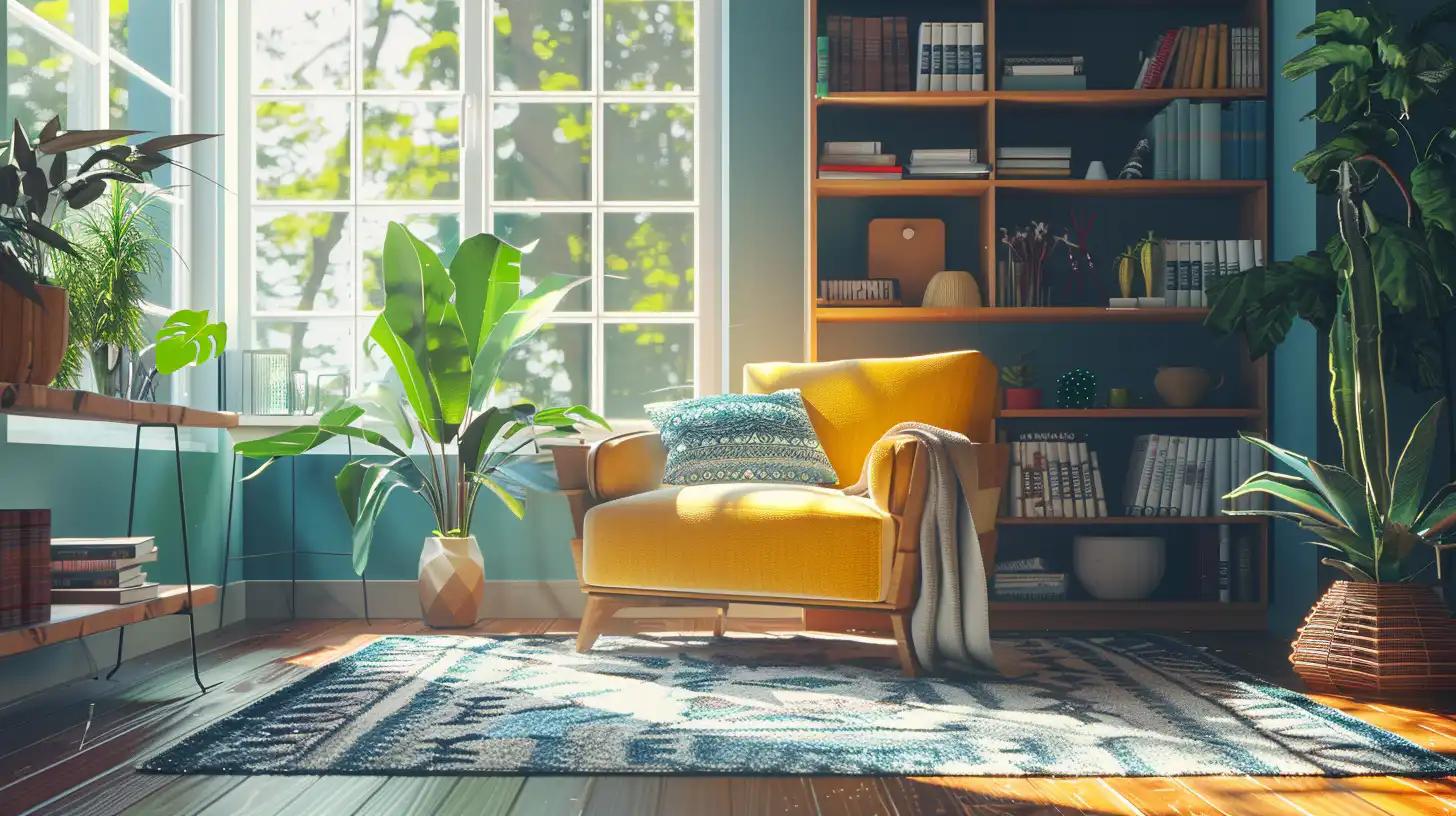

Walking into a Japandi-style living room feels like lifting the cover off a favorite book-it's all about comfort and simplicity. With a focus on minimalism harmoniously blended with functionality, Japandi trends offer not only a visual feast but also a reassuring sense of calm. And let's not forget, as relaxing as these spaces appear, they can also be incredibly practical.
7 Japandi Living Room Trends: A few words before we begin
Japandi design is where the sleek elegance of Japanese interiors meets the cozy warmth of Scandinavian aesthetics. It's like cross-continental feng shui personified, bringing light, air, and practical beauty into your living space. What really draws me to this style is the understated luxury; it's sophisticated yet so approachable.
When I first stumbled upon the Japandi style, it felt like the design dialogue my living room had been waiting for. I spend hours under the 4 PM sun's warm glow, and this trend teaches the art of living with fewer but more meaningful items. If your afternoons are like mine-filled with books and serene music-you'll love how this style transforms open spaces into cozy sanctuaries.
Design inspiration and ideas
To get you started, here are a few must-try Japandi elements that can transform your living room into a serene haven:
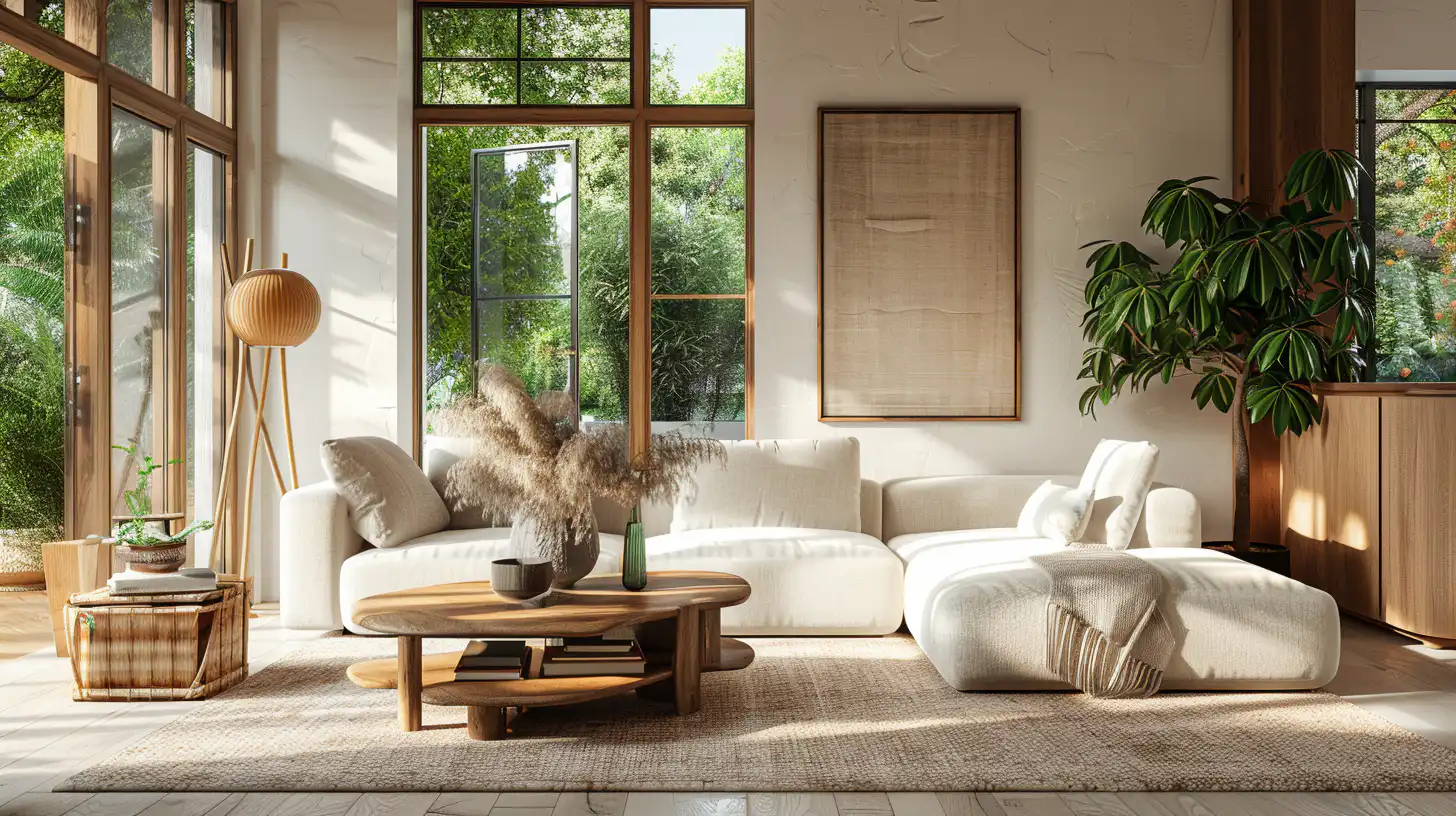
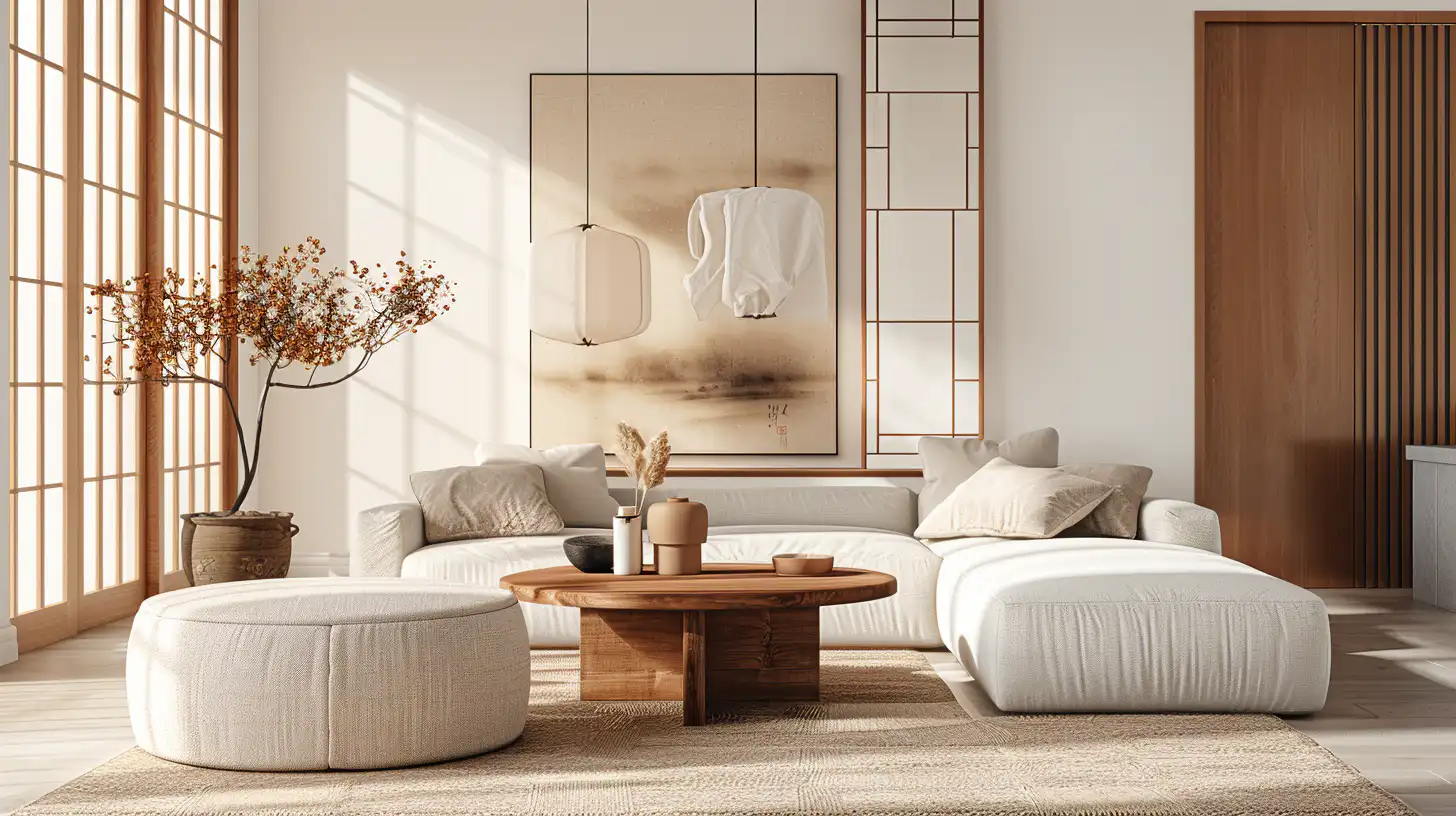
- Neutral Color Palette: Stick to soft beiges, greys, and whites. Think of the kind of tones that relax the eyes after a day out.
- Minimalist Furniture: Forget ornate coffee tables; you want pieces with clean lines and functionality.
- Natural Materials: Wood and stone bring an earthy feel that balances the sleekness of minimal decor.
- Plants for Harmony: A few well-placed potted plants can soften the edges of your design and add a breath of fresh air.
- Textured Textiles: Linen or felt cushions and throws add depth without clutter. It's all about layers with a purpose.
How to get the look
While Japandi may seem effortless, pulling it off successfully requires a few keen design instincts. Here's your step-by-step guide:
1. Declutter with Intention
Begin by embracing minimalism-purge what doesn't serve a purpose. You'll find a clear room is a clear mind, no joke.
2. Choose Your Color Tone
Select muted, harmonious shades that either match or subtly contrast each other. Aim for serenity, not stark contrast.
3. Add the Organic Touch
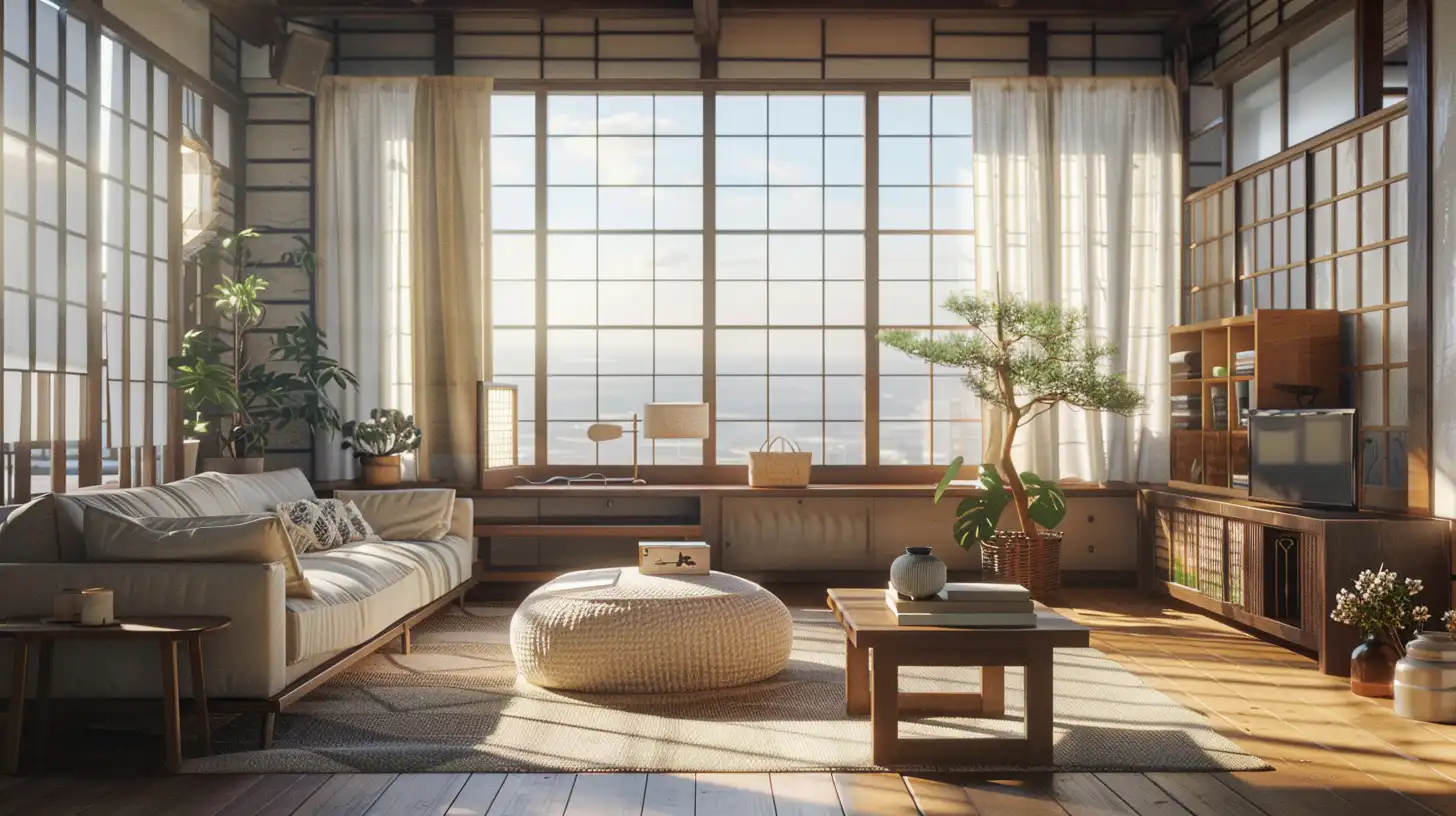
Incorporate natural materials through rugs or accent pieces. Your goal is to bring the outside in.
Swaps & substitutions
If you can't find the perfect Japandi piece, don't worry. Here are some clever substitutions:
- Swap high-end designer furniture for DIY items. A simple unfinished wooden table gives the same feel.
- On a budget? Repurpose old throws as cushion covers to introduce texture.
- Can't find an authentic Tatami mat? A neutral woven rug can work wonders.
The science behind it
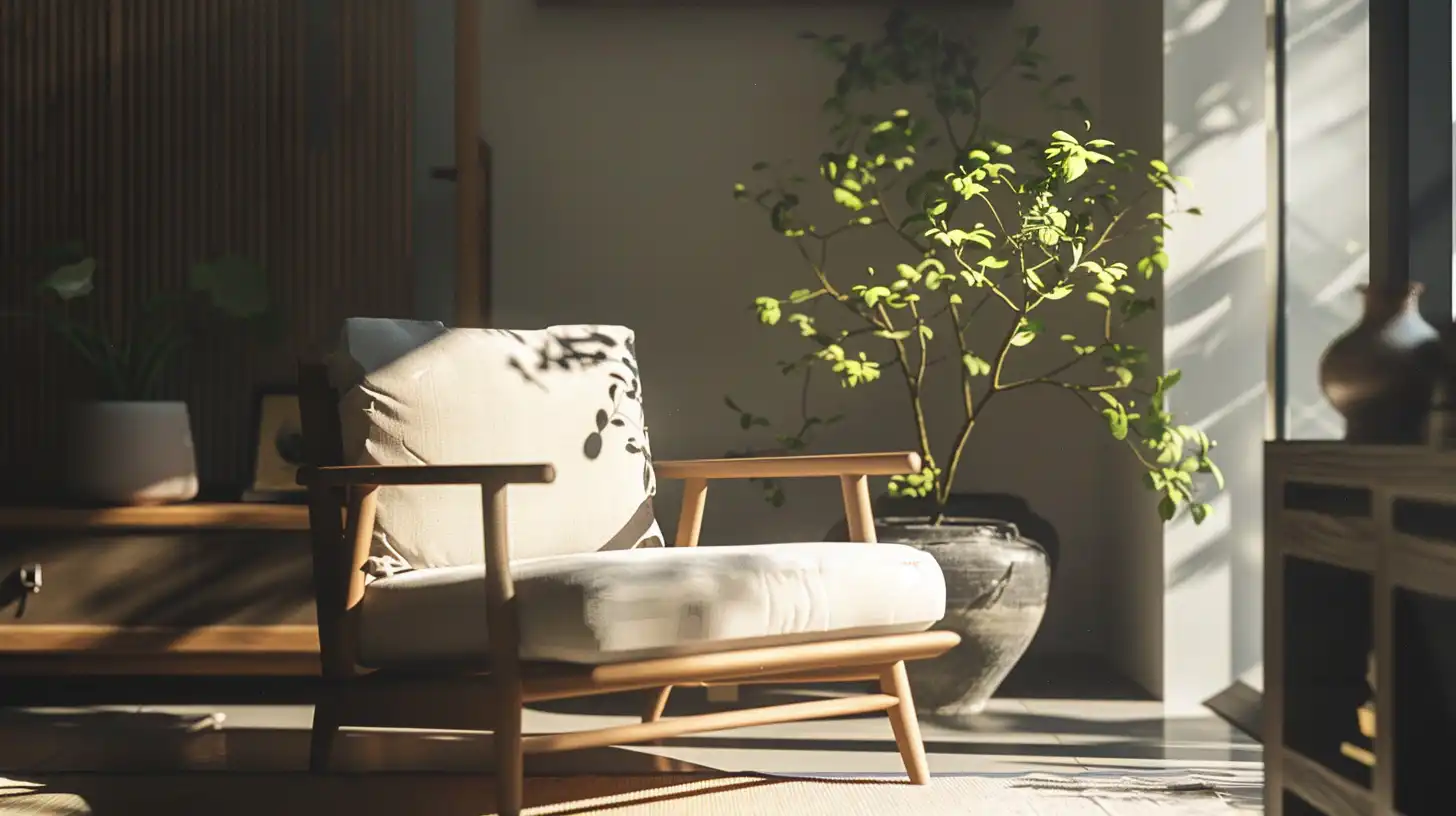
Japandi design works on our brains in marvelous ways. The neutral color palettes are known to reduce stress levels, increasing serotonin. Natural materials like wood not only make a room feel cozy but help regulate humidity. It's a scientific approach to creating environments that promote well-being.
And don't underestimate the impact of decluttering. Studies show that minimal environments can decrease anxiety, improving both focus and productivity.
Ways to Switch It Up
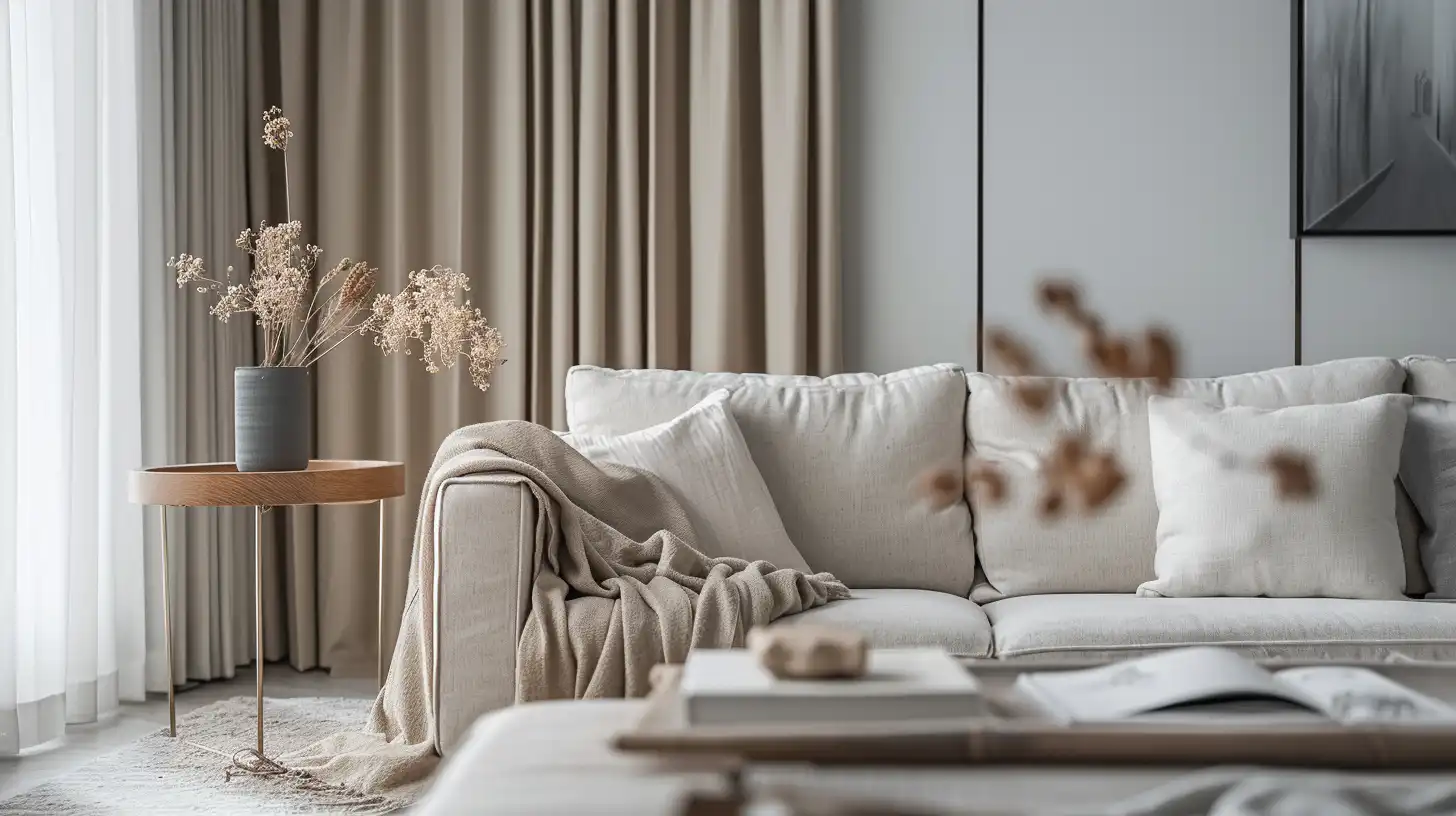
Want to put a unique spin on your Japandi living room? Consider these variations:
- Industrial Japandi: Blend in some metal elements like copper or black iron for an edgier look.
- Tropical Japandi: Introduce a palm or two. A hint of island vibe makes the room feel inviting.
- Rustic Japandi: Opt for reclaimed wood pieces. They tell a story while standing strong in function.
Reader Questions
Can I implement this style on a budget?
Absolutely! Focus on incorporating natural tones, decluttering, and upcycling where possible. The aesthetic relies more on minimalism than expensive items.
Is Japandi suitable for small spaces?
Yes, it's ideal for small areas because it emphasizes simplicity and functionality, making small rooms feel more spacious.
How do I maintain the serene look over time?
Regular decluttering and rearranging are key. Keep your palette consistent and refresh plant life as needed.
How much natural light is needed for Japandi design?
While more light enhances the style, you can create the effect with soft lighting and carefully chosen lamps or pendants.
So, are you ready to transform your living room into a Japandi sanctuary? Add a dash of minimalism and let your space breathe. Trust me, you'll feel the difference.