
Sourdough bread has been gettin' a lot of attention these days, all praised for its tangy flavor and artsy look. Its unique fermentation process makes it stand out from the usual breads, and it works great when you're makin' tasty sandwiches. Sourdough sandwich bread not only upgrades your meals with a cool chewy texture and a tough crust that really holds up, but lots of people say it's easier on their stomach too.
This article goes into the world of sourdough sandwich bread, explainin' what makes it so special. We will look at the key parts, like the sourdough starter and the whole fermenting process. You'll even get a detailed recipe that walks you through makin' your own sourdough sandwich loaf, with some handy tips along the way. Whether you're just starting out or have been bakin' for a while, this guide is designed to help u take your sandwich game up a notch with homemade sourdough bread.
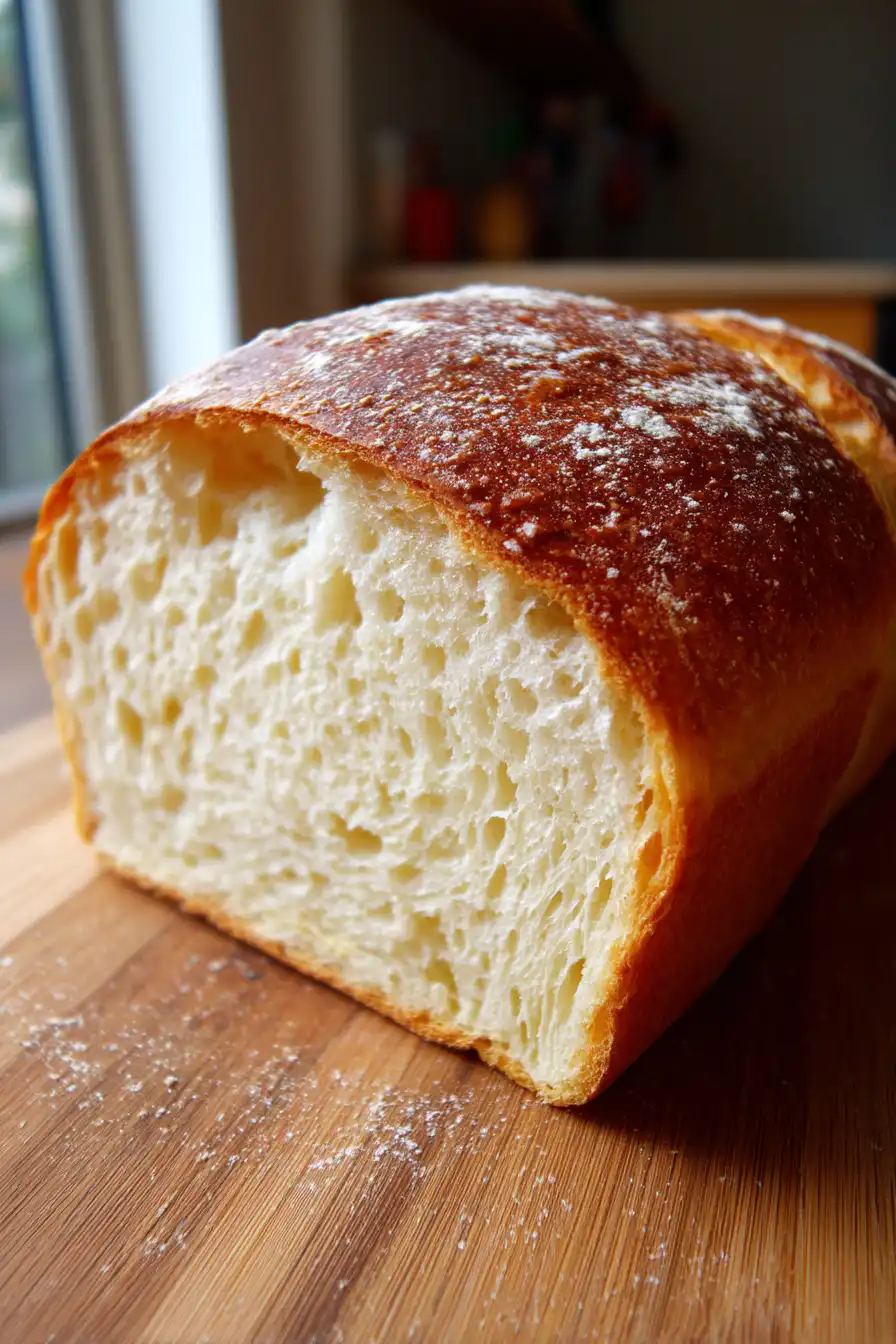
What is Sourdough Sandwich Bread?
Sourdough sandwich bread is a kind of bread made using a natural fermentation process rather than just using commercial yeast. Its tangy flavor and chewy texture come from wild yeast and good bacteria found in the sourdough starter. The starter is basically a mix of water and flour that ferments over time, buildin' up the microorganisms that help the bread rise.
The process involves two main parts: first, creatin' the sourdough starter and then letting the dough do its thing during bulk fermentation. As the wild yeast eats the sugars in the flour, it makes carbon dioxide that makes the dough rise. Meanwhile, the lactobacilli give the bread that sour tang. This whole process helps bring out the flavor and makes the bread easier for your stomach to handle.
Traditional sourdough is often known for its rustic look and thick crust, but sourdough sandwich bread is usually made to be softer and more even-perfect for sandwiches. It keeps all the special traits of sourdough, but is a bit more practical for everyday meals.
Historically, sourdough bread has been around for thousands of years, goin' back to ancient times. It was one of the very first breads made and a main food source for many cultures. Today, it's makin' a comeback thanks to folks gettin' into artsy baking and the health perks of naturally fermented food.
The health benefits include that it's easier to digest and packed with more nutrients than normal bread. Thanks to the fermentation, vitamins like B vitamins, minerals, and even proteins become more available. Some people even say sourdough feels better on the stomach because the fermentation process partly breaks down the gluten and phytic acid in the flour, which might be good for those with mild gluten issues.
Why Choose Sourdough for Sandwiches?
Sourdough isn't just about a cool flavor; its complex taste can really lift your sandwiches. The tart taste goes well with lots of fillings, be it savory or even a little sweet, making it a flexible base for any kind of sandwich.
The texture and the crust of the sourdough are big plus points too. A well-baked loaf has a sturdy, crispy crust that stays firm even with wet fillings. This means your sandwich won't fall apart or get all soggy, so u get to enjoy all the flavors.
Besides, sourdough is becoming known as a healthier alternative to the bread you get in stores. With natural ingredients and a slow fermentation process, sourdough usually avoids all the preservatives and additives. Lots of folks who care about healthy eating see sourdough as a better choice, with its lower glycemic index and positive effects on gut health.
Another cool thing about sourdough for sandwiches is its versatility. It goes really well with a lot of stuff, from a simple grilled cheese to fancy recipes that use artisan spreads and seasonal veggies. With sourdough, you can totally get creative and experiment with different flavors and textures in your sandwiches.
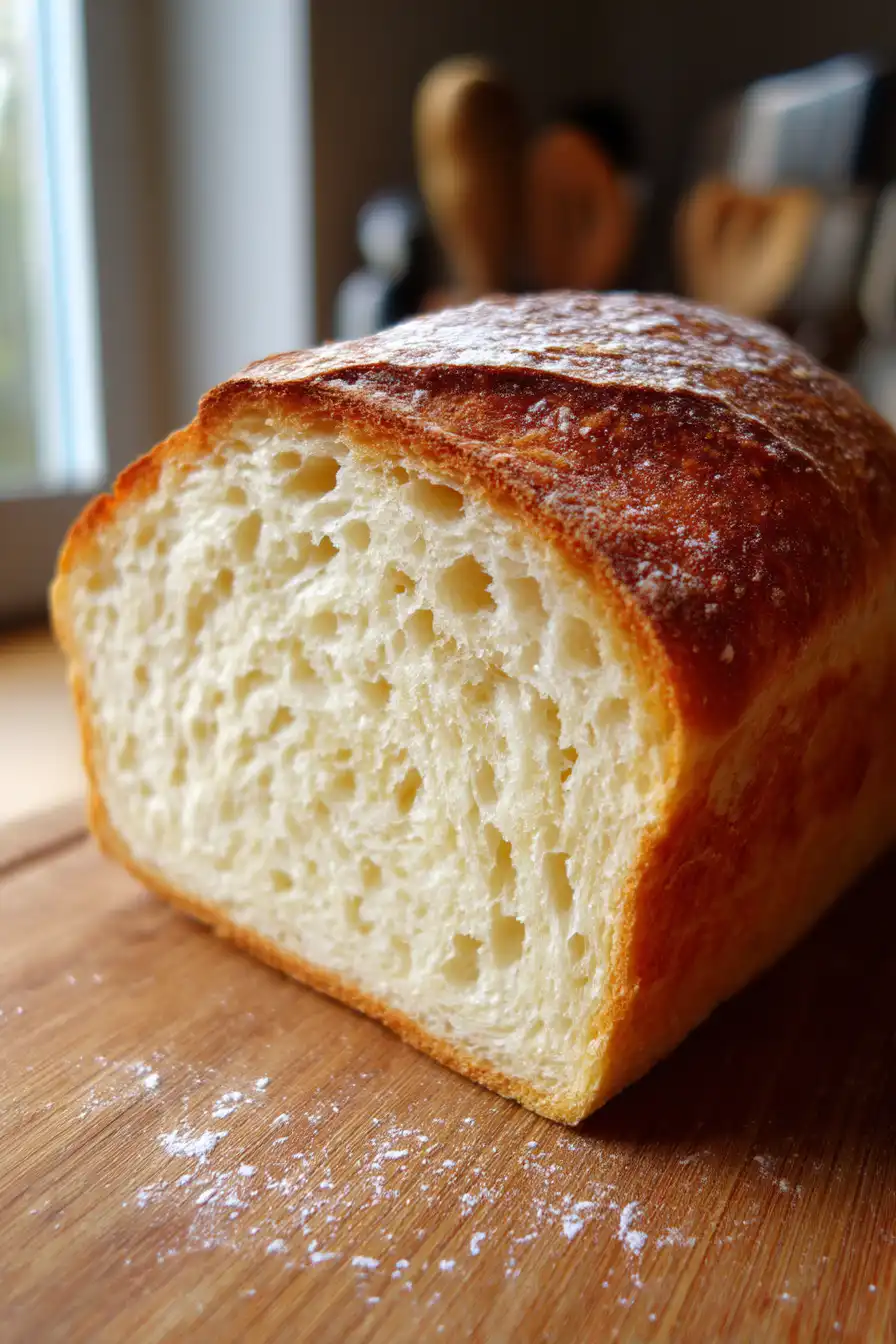
Sourdough Starter: The Heart of Sourdough Bread
A sourdough starter is the magic part that makes sourdough bread different from all the rest. It's a living culture made of just flour and water that grabs wild yeast and lactobacilli-the helpful bacteria that take care of the fermentation. This natural fermentation not just makes the bread rise, but also gives it that one-of-a-kind taste and texture that sourdough fans love.
What is a Sourdough Starter?
The wild yeast in the starter munches on the sugars in the flour, letting off carbon dioxide gas that makes the dough rise. At the same time, the lactobacilli produce lactic acid, addin' the sour taste and help keep the bread fresh longer. Together, they form a little ecosystem that's super important for makin' great sourdough.
How to Make a Sourdough Starter
To get your own starter, you'll need:
- Whole wheat or all-purpose flour
- Water (filtered or dechlorinated is best)
Mix equal parts flour and water in a jar. Cover it loosely and let it sit at room temperature. Feed it every day with more flour and water, and toss out a bit to keep it balanced. After about 5 to 7 days, your starter should start to get bubbly and smell a bit sour, which means it's ready to use.
Maintenance Tips
You gotta keep feeding your starter regularly to keep it alive. If you bake a lot, keep it at room temp and feed it every day. If you bake only sometimes, you can stash it in the fridge and feed it once a week. Just make sure to let it warm up and feed it before using it in any of your recipes.
Common Problems with Starters and Solutions
- If your starter isn't rising well, it might need more frequent feedings or a warmer spot.
- If you see a layer of liquid on top (they call it 'hooch'), that means it's hungry-just stir it in or pour some off and feed it more.
- If you notice any bad smells or mold, it's best to chuck it out and start a new one. Keep your jars and utensils nice and clean.
To check if your starter is ready, do the "float test": drop a tiny spoonful into a glass of water. If it floats, you're good to go!
Recipe for Sourdough Sandwich Bread
Ingredients
To bake a yummy sourdough sandwich bread, you need:
- 1 cup sourdough starter (it should be active and bubbly)
- 3 cups bread flour
- 1 ¼ cups water (room temperature)
- 1 ½ teaspoon salt
- Optional: 1 tablespoon honey or sugar (if you like it a bit sweet), ¼ cup milk, 2 tablespoon butter (for extra richness)
Directions
- Preparing the Dough: In a large bowl, mix the sourdough starter, water, and about 2 cups of the bread flour. Stir until it forms a shaggy dough.
- Autolyse: Let the mixture sit for 30 minutes. This helps the flour absorb the water and makes the dough easier to work with.
- Bulk Fermentation: After the rest, sprinkle salt over the dough and slowly add in the rest of the flour. Knead it gently until it feels smooth. Cover the bowl with a damp cloth and let it rise at room temp for 4 to 6 hours. Do a few stretch and folds every 30 minutes for the first 2 hours.
- Shaping the Loaf: Once the dough has risen, move it to a lightly floured surface, shape it into a ball, and let it rest for 15 minutes. Then shape it into a loaf and put it in a greased loaf pan.
- Proofing (In the Pan): Let the loaf proof for another 2 to 4 hours, until it's noticeably bigger.
- Baking the Bread: Preheat your oven to 425°F (220°C). Once ready, bake the loaf for 30 to 35 minutes until its golden and crusty. If you want, you can add steam by putting a pan of water at the bottom of your oven.
- Cooling and Storing: After baking, let the bread cool on a wire rack for at least an hour before slicin'. Keep any leftovers in a cool, dry place, or slice and freeze them for later.
Tips for Perfect Sourdough Sandwich Bread
Here are some tips to help you get the best results with your sourdough sandwich bread:
- Try to keep the room around 75°F (24°C) during fermentation.
- Be patient! It takes time for the dough to develop the right flavor.
- Check if it's done by tapping the bottom of the loaf - it should sound hollow.
Troubleshooting Common Sourdough Issues
Bakin' sourdough bread isn't always easy. Here are some issues you might run into and what to do about them:
- Dense or Gummy Bread: This might be from not fermenting long enough. Make sure the dough is risin' properly and don't add too much flour when shapping the loaf.
- Bread Not Rising: Could be because your starter is weak or the room is too cold. Check that your starter is bubbly and try a warmer spot for rising.
- Very Sour Taste: If it tastes too sour, it might be over-fermented or you're using an old starter. Try feedin' your starter more often or cuttin' down the fermentation time to balance the flavor.
- Crust Issues: If the crust is too soft, raise the oven temp or bake longer. If it's too hard, lower the temp or cover the bread with foil partway through.
Using Sourdough Sandwich Bread
Once your sourdough sandwich bread is ready, there are tons of ways you can use it. Here are some ideas for tasty fillings and fun ways to use your bread:
- Best Fillings and Spreads: Try classic combos like turkey with avocado and greens, or go fancy with fig jam and brie cheese.
- Sourdough Croutons and Breadcrumbs: Turn day-old sourdough into croutons by cutting it into cubes and toasting 'em in a bit of oil, or grind 'em up for crunchy breadcrumbs.
- Creative Sandwich Ideas: Mix roasted veggies, homemade pesto, and grilled cheese for a sandwich that packs a flavor punch.
FAQs About Sourdough Sandwich Bread
1. Can I use all-purpose flour instead of bread flour?
Yeah, you can, but bread flour usually gives you more protein which helps with gluten and adds a chewier texture.
2. How long does sourdough bread last?
If you keep it at room temp, it can last about 3 to 5 days. For keeping it longer, slice it up and freeze it.
3. What if my sourdough bread doesn't have enough rise?
This might be because your starter wasn't active enough or you didn't let it ferment long enough. Make sure your starter is bubbly and try lettin' your dough rise a bit more during bulk fermentation and proofing.
4. Can I freeze sourdough bread?
Yes, you can. Wrap it up tight in plastic wrap or foil before puttin' it in the freezer. To reheat, let it thaw and warm it in the oven.
5. How can I make my sourdough less sour?
To get a milder taste, try feedin' your starter more often, using it sooner after feedin', or shorten the fermentation time a little bit. Adjust these and you'll get a less sour loaf.
Conclusion
Using sourdough sandwich bread in your meals not only makes your food taste better but also gives you the added bonus of health benefits and its unique flavors. Whether you're a beginner or already pretty comfortable in the kitchen, making sourdough bread at home is a fun and rewarding adventure. So, give it a try and share your tasty creations with your friends and family!

sourdough sandwich bread
Equipment
- 1 mixing bowl
- 1 kitchen scale
- 1 measuring cups and spoons
- 1 dough scraper
- 1 loaf pan (9x5 inches)
- 1 plastic wrap or kitchen towel
- 1 oven
Ingredients
- 450 g bread flour
- 300 g water room temperature
- 100 g active sourdough starter
- 10 g salt
- 10 g sugar optional, for sweetness
Instructions
- In a mixing bowl, combine 450g of bread flour and 10g of sugar (if using).
- In a separate bowl, mix together 300g of water and 100g of your active sourdough starter until well combined.
- Gradually add the water and starter mixture to the flour, stirring until a shaggy dough forms.
- Let the dough rest for 30 minutes to assist with gluten development.
- After resting, sprinkle 10g of salt over the dough. Mix well, kneading the dough for about 5-10 minutes until it becomes smooth and elastic.
- Transfer the dough to a lightly oiled bowl. Cover it with plastic wrap or a kitchen towel, and let it rise at room temperature for about 4-6 hours, or until doubled in size. Perform stretch and folds every hour during this time.
- Once the dough has risen, turn it out onto a lightly floured surface. Shape the dough into a loaf by flattening it into a rectangle and rolling it tightly.
- Place the shaped dough into a greased loaf pan, seam side down. Cover it and let it rise again for 1-2 hours, until puffed.
- Preheat your oven to 450°F (230°C) with a baking stone or baking tray inside.
- When the dough is ready, score the top with a sharp knife or lame to allow steam to escape during baking.
- Bake the bread in the preheated oven for about 35 minutes or until golden brown and sounds hollow when tapped on the bottom.
- Remove from the oven and let cool in the pan for 10 minutes before transferring it to a wire rack to cool completely.