
Sourdough has become really popular with both home cooks and professional chefs. It's got a flavor that's hard to beat and a cool, old-school vibe. This way of making bread uses wild yeast and natural bacteria, giving it a taste that you just can't get with regular yeasted breads. Lately, people have been trying sourdough in lots of different ways in cooking, and it's clear that slow fermentation is having its moment. One of the best parts is using sourdough to make pizza dough, which turns a simple food into something totally special with a tangy kick to go with any topping you choose.
Pizza is a big deal all over the world because of how simple it is and how many ways you can make it. From the classic pies to fancy gourmet versions, pizza brings people together - it's not just about the food, it's about the fun of sharing it. With just flour, water, and salt, you can make a crust that is easy to mix up in many different ways. As home chefs try to get that real pizzeria vibe at home, using sourdough gives them bold flavors and a good chewy bite that makes the pizza even better.
This article will walk you through the process of making your own sourdough pizza dough. We'll talk about the basic ingredients and what they do, and even explain the science behind fermentation in a way that's easy to understand. You'll get a step-by-step recipe and some handy tips for getting a crust that's just right. Whether you're super experienced with sourdough or you're just getting started on your pizza journey, there's plenty here to show you just how awesome sourdough can be for your next pizza night.

Understanding Sourdough
Sourdough is an old way of leavening bread that has lasted through the ages. Basically, sourdough means you use wild yeast and lactic acid bacteria from the environment to get your dough rising. These tiny bugs work together to make the dough bubble up and give it a tangy flavor. The method goes way back - some say the ancient Egyptians were using sourdough as early as 1500 B.C. Over time, lots of cultures have taken sourdough and made it their own, which is why you see so many different kinds of sourdough breads today.
The main difference between sourdough and breads made with regular yeast is the fermentation process. Regular yeast breads use a single kind of yeast made in a factory. With sourdough, you get a mix of wild yeasts and bacteria that add unique flavors. Each batch can taste a bit different depending on where you are and the conditions during fermentation, making it kind of special every time.
Health Benefits of Sourdough
Besides tasting great, sourdough also has some health perks that make it a favorite for people who care about what they eat. One big plus is that the long fermentation helps break down gluten, making it a better option for some folks who are sensitive to it. The natural bacteria in sourdough also work as probiotics, which can be good for your gut and help your digestion.
Another benefit is that sourdough usually has less gluten because the long fermentation breaks some of it down. This, along with its natural acidity, can help with keeping your blood sugar levels steadier than what's seen with regular breads. So not only is sourdough tasty, it's also a somewhat healthier choice if you're looking to enjoy your food without worrying about lumps of bad stuff.

Sourdough Pizza Dough Ingredients
Making a good sourdough pizza dough really depends on how good your ingredients are and getting the right amounts. Every ingredient has a job to do to come up with a crust that tastes great and has the right texture. Here's what you need and what each does:
- Sourdough Starter: This is the most important part of your dough. It gives natural lift (or leavening) and that signature tangy flavor. Make sure your starter is active and well-fed to get a good rise.
- Flour: The type of flour you use affects both the texture and flavor of your dough. Bread flour is best for a chewy, robust crust because it has more protein, but you can also use all-purpose flour if you want a softer bite.
- Water: Getting the right amount of water is key for the dough's consistency. If you want a bit of a thin crust, use less water; for a thicker and chewier pizza, add a bit more.
- Salt: Salt makes the dough tastier, helps strengthen the gluten, and also keeps the yeast in check. It's really important to add it at the right time during the process.
- Olive Oil: Olive oil isn't always necessary, but it can help improve the dough's texture by adding moisture and extra flavor. It also makes the dough easier to work with when you're shaping it.
The Science Behind Sourdough Pizza Dough
Fermentation Process
Fermentation in sourdough pizza dough is like a little science experiment happening in your bowl. Wild yeast and lactic acid bacteria eat the sugars in the flour and create carbon dioxide and organic acids. This makes the dough rise and gives it a unique, tangy flavor. The longer your dough ferments, the more concentrated those flavors get and the crust develops more of a complex taste.
Importance of Autolyse
Autolyse is a simple trick where you mix the flour and water together and let it sit before adding any other ingredients. This resting time allows the gluten to start forming, which makes the dough easier to shape later on. Usually, you let it rest for about 30 minutes to an hour. During this break, the flour soaks up all the water, and enzymes start to break down some of the starches, which also helps improve the flavor and texture of your dough. Getting the timing right is key, so don't rush this step!
Sourdough Pizza Dough Recipe
Ingredients Section
To whip up some really tasty sourdough pizza dough, you'll need the following ingredients:
- 1 cup active sourdough starter
- 3 cups bread flour (plus extra for dusting)
- 1 to 1.5 cups water (room temperature)
- 1.5 teaspoons sea salt
- 2 tablespoons olive oil (optional)
Directions
- Mix the Dough: In a big bowl, mix the active sourdough starter with the water. Slowly add in the flour and salt while stirring to make sure there is no dry flour left. The dough will seem really sticky at first.
- Autolyse Period: Let the dough sit for about 30 minutes. This gives the flour time to totally absorb the water and starts the gluten development process.
- Kneading Technique: Knead the dough by hand or use a stand mixer for about 10 minutes. If you're doing it by hand, try using the stretch and fold method a few times during the bulk fermentation to build up the dough strength.
- Bulk Fermentation: Cover the bowl with a clean dish towel and let the dough rise at room temperature for 4-8 hours, or until you see it has doubled in size.
- Dividing and Pre-shaping: Turn the dough out onto a floured surface and gently divide it into the pieces you want. Shape each piece into a ball and let them rest for about 30 minutes.
- Final Shaping and Proofing: Shape each ball into a round pizza base, then let them proof for another 1-2 hours at room temperature or until they puff up a bit.
Tips and Tricks for Perfect Sourdough Pizza Dough
- Keep your sourdough starter alive by sticking to a regular feeding schedule.
- Watch the temperature around you - an ideal fermentation temperature is about 70-75°F (21-24°C).
- If you don't have a pizza stone, you can preheat a baking sheet turned upside down in the oven to get similar results.
Cooking Techniques for Sourdough Pizza
Recommended Cooking Methods
You have a few different choices when it comes to cooking your sourdough pizza. Using a pizza stone is one of the best because it holds the heat really well and makes the crust crispy. If you don't have one, you can use a baking sheet turned upside down. And if you're feeling adventurous and have a grill, that can add a fun smoky taste to your pizza.
Baking Time and Temperature
The ideal temperature for baking your sourdough pizza is between 475°F to 500°F (245°C to 260°C). Make sure to preheat your oven for at least 30 minutes so the heat is really even. While the pizza bakes, keep an eye on it - you're looking for a golden crust that might even get a little charred at the edges, and bubbling cheese. It might help to rotate the pizza halfway through to get everything evenly cooked.
Pairing and Topping Suggestions
Traditional Toppings
There are some classic pizza toppings that never get old. A simple Margherita with fresh tomatoes, mozzarella, basil, and a bit of olive oil shows off the quality of the ingredients without overwhelming the sourdough flavor. If you like something with a kick, pepperoni is a great choice - that spicy, salty flavor really pops against the tangy dough.
Unique and Creative Topping Ideas
If you want to get creative, try using seasonal veggies like asparagus, zucchini, or kale to add a burst of flavor. For a gourmet touch, you can even drizzle truffle oil, add figs with prosciutto, or mix in international flavors like tandoori chicken or even Mediterranean ingredients like feta, olives, and artichokes. There's really no limit to what you can do!
FAQ Section
Common Questions About Sourdough Pizza Dough
Can I use my regular sourdough starter?
Yes, you can use your regular sourdough starter for pizza dough. Just make sure it is active and bubbly, cause that will really help the fermentation process and boost the flavor.
Why is my sourdough pizza dough too sticky?
If your dough feels too sticky, it might be because there's too much water or you didn't add enough flour when mixing. You can add a bit more flour while kneading, but be careful not to overdo it because that could change the texture.
How long can I store sourdough pizza dough?
You can keep sourdough pizza dough in the fridge for up to 5 days. If you need to store it longer, try freezing it. Just shape the dough into balls, wrap them up tight in plastic wrap, and store in an airtight container or freezer bag. When you're ready to use them, let the dough thaw in the fridge overnight before you shape and let it proof again.
Conclusion
To sum it up, sourdough brings a lot of benefits to pizza, from its unique flavor to its healthier properties. Don't be afraid to experiment with the recipe and try out different toppings - you might just find your new favorite pizza style!
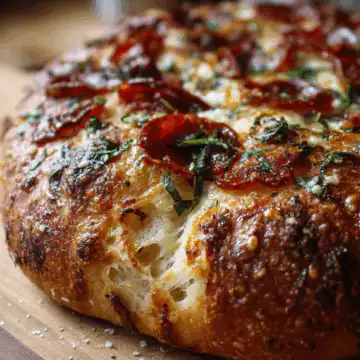
sourdough pizza dough
Equipment
- 1 mixing bowl
- 1 wooden spoon or spatula
- 1 kitchen scale (optional) for ingredient accuracy
- 1 plastic wrap or kitchen towel
- 1 baking stone or baking sheet
- 1 oven
Ingredients
- 500 g all-purpose flour
- 350 g water room temperature
- 100 g active sourdough starter
- 10 g salt
- 1 teaspoon olive oil optional, for greasing
Instructions
- Combine the flour and water in a large mixing bowl. Stir until no dry flour is visible. Let it rest for about 30 minutes.
- Add the active sourdough starter and salt to the dough. Use your hands to mix and knead in the bowl until everything is well incorporated.
- Transfer the dough to a lightly floured work surface. Knead for about 5-7 minutes until the dough becomes smooth and elastic.
- Form the dough into a ball and place it in a lightly oiled bowl. Cover it with plastic wrap or a kitchen towel, and let it ferment at room temperature for 8-12 hours.
- Once the fermentation is complete, turn the dough onto a lightly floured surface and gently deflate it. Divide the dough into four equal portions for medium pizzas.
- Shape each portion into a ball by folding the edges into the center and rolling it on a clean surface.
- Place each dough ball on a floured surface or pizza peel, cover with a towel, and let them rest for another 30 minutes to 1 hour.
- Preheat your oven to its highest setting (around 475°F to 500°F) for at least 30 minutes, and place a baking stone or baking sheet inside to heat.
- After the second rise, stretch or roll out each dough ball into your desired shape and thickness on a floured surface.
- Transfer to a pizza peel or gently onto the preheated baking stone/baking sheet. Add your favorite sauces, cheeses, and toppings.
- Bake each pizza for 10-15 minutes, or until the crust is golden brown and crispy.
- Remove from the oven, let cool slightly, and slice. Enjoy your delicious homemade sourdough pizza!