
Sourdough bread is super popular with lots of home bakers and food fans. Its taste is real unique with a sort of tangy kick and a complex smell that makes it different from regular bread. This old way of making bread, which uses fermentation, gives you a crusty outside with a chewy inside and can be pretty satisfying to bake even if it can be kinda tricky sometimes.
One of the cool things about sourdough is you can make it all by yourself at home. Making sourdough from scratch lets you really get into the process and feel proud when you finally pull that warm golden loaf out of the oven. Besides just tasting really good, sourdough has some health benefits too. The fermentation process helps with digestability and makes it more nutritious, so it can be a healthier choice. With its special flavor, texture, and health perks, learning how to bake sourdough bread can really change the way you cook.
What is Sourdough Bread?
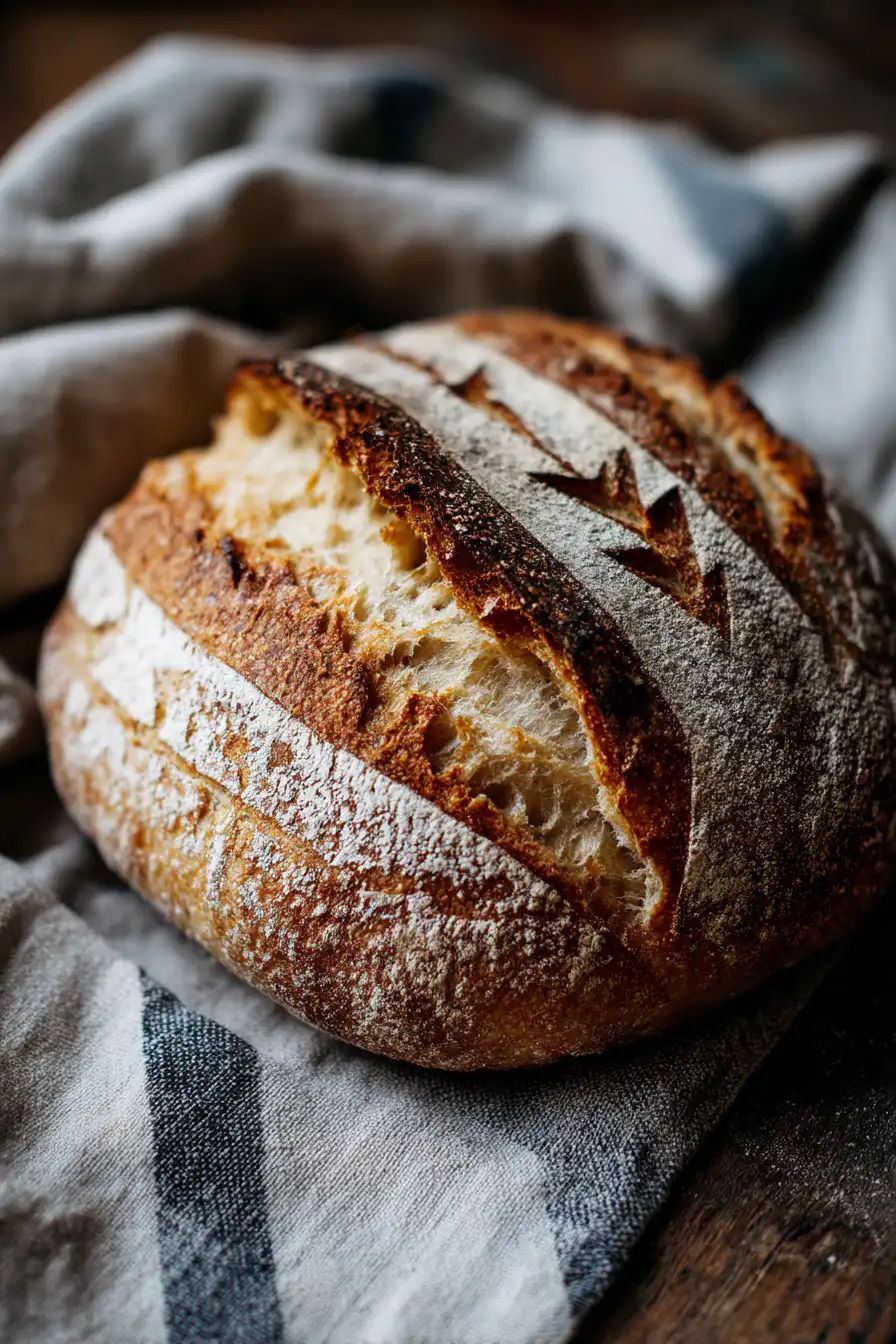
Sourdough bread is a type of bread made by natural fermentation. Unlike other breads that use commercial yeast, sourdough uses wild yeast and lactic acid bacteria that naturally exist in the air and in the starter. This process gives the bread its tangy taste, chewy texture and that crusty outside. Basically, the only ingredients you really need are flour, water, salt, and your sourdough starter.
Definition of Sourdough
The process begins when you mix together flour and water and the wild yeast and bacteria in your starter start feeding on the sugars in the flour. As they feed, they produce carbon dioxide gas which makes the dough rise and lactic acid that gives it its sour taste. Even though the ingredients are simple the flavors you can get is pretty complex with proper fermentation and baking.
History and Origin
Sourdough has been around for thousands of years and is one of the oldest ways of making bread. Its roots go back to ancient civilizations around 3000 BC, with Egyptians often being credited for developing the first leavened bread. Over time, sourdough has been adapted by many cultures, from the tangy San Francisco version to the heavier German rye. Today, it is still a favorite among both home bakers and professional chefs due to its tasty flavor and artisanal vibe.
The Health Benefits of Sourdough Bread
Sourdough bread isnt just yummy, it also has a bunch of health benefits that normal bread just dont have. The way its made during fermentation bumps up the nutritional value of the bread which can make it a better choice for people looking for healthier options.
Digestability
One of the biggest health upsides of sourdough is that its easier to digest. The long fermentation process breaks down a lot of the gluten and phytic acid that can make bread hard on the tummy. So many people who cant handle regular bread find that they have less problems with sourdough. Also, the good bacteria in it might help support a healthier gut.
Nutritional Benefits
Sourdough usually has a lower glycemic index than regular bread which means it doesn't spike your blood sugar as fast. This makes it a good option for people who gotta watch their sugar intake. Plus, the fermentation makes the nutrients in the flour like B vitamins, iron, and magnesium easier for your body to grab, making sourdough a wholesome alternative.
Understanding Sourdough Starter
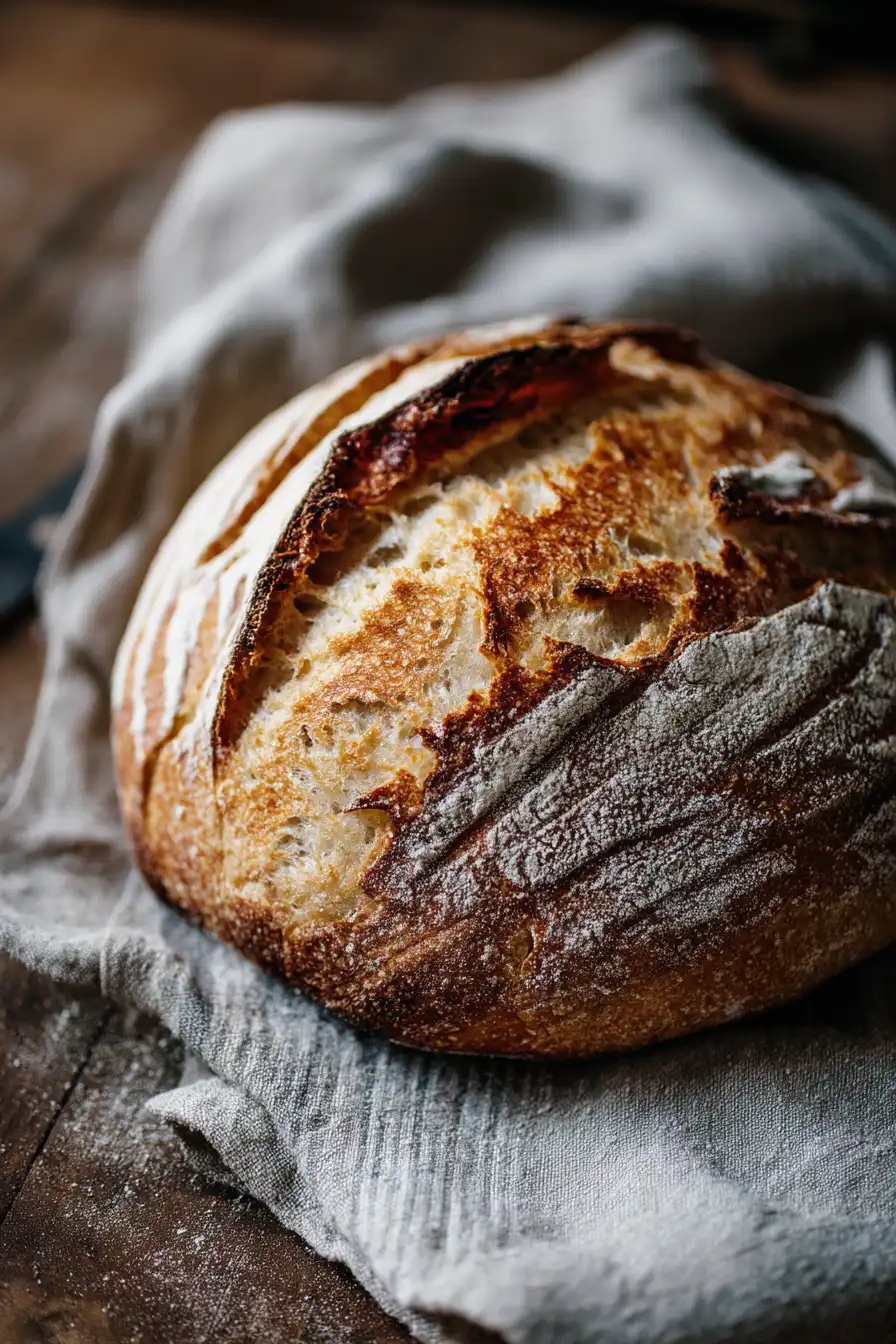
A sourdough starter is basically a mix of flour and water that grabs wild yeast and natural bacteria from the environment. This living thing is super important for making sourdough because its what makes the dough rise and gives it that special taste. How strong your starter is really affects how good your final loaf will turn out.
What is a Sourdough Starter?
The starter is the main leavening part for sourdough bread. The wild yeast and lactic acid bacteria in the mixture work together to ferment the dough, making gas that lifts the dough up and acid that gives that sour flavor. When its healthy, your starter will be bubbly, active, and smell kinda sour in a good way.
How to Make Your Own Sourdough Starter
Making a sourdough starter from scratch is really fun and rewarding. Here is a simple way to do it:
- Day 1: Mix 100g of whole wheat flour with 100g of water in a glass jar. Stir it up well, cover it loosely, and leave it at room temperature.
- Day 2: Check if there are any bubbles forming. Then add another 100g of all-purpose flour and 100g of water. Mix it again and cover the jar.
- Days 3-7: Keep feeding the starter every day by discarding about half of it before you add more flour and water. In about a week, it should start to get bubbly and smell nicely sour.
Maintaining Your Starter
If you want your starter to stay healthy, you need to feed it often. If you bake a lot, its best to keep it at room temperature and feed it daily. But if you bake less, you can put it in the fridge and feed it once a week. Just make sure you let it warm up to room temperature so its active before you use it in your recipes.
Sourdough Bread Recipe
Ingredients
To make some tasty sourdough bread, you'll need this stuff:
- Flour: Use bread flour if you want extra protein or all-purpose if you like a softer bread.
- Water: Use filtered or bottled water and it should be at room temp.
- Salt: Fine sea salt is best for mixing into the dough.
- Active sourdough starter: Make sure that your starter is bubbly and really active before you use it.
- Optional ingredients: You can throw in some seeds, herbs, or cheese if you want to try out different flavors.
Directions
Follow these steps to make your sourdough bread:
- Mixing the Dough: In a big bowl, mix 500g of flour with 350g of water till there is no dry flour left. Let the dough sit for about 30 minutes (this is called autolyse).
- Bulk Fermentation: Now add 100g of your active starter and 10g salt. Mix it all well and let the dough rise at room temperature for 4-5 hours. You need to fold the dough every 30 minutes for the first 2 hours.
- Shaping the Dough: After the dough has risen, put it onto a lightly floured surface. Pre-shape the dough into a round shape, cover it with a cloth and let it rest for 20-30 minutes. Then shape it again into either a round or batard shape.
- Final Proofing: Put the shaped dough in a proofing basket that has been dusted with flour. Let it proof for 2-4 hours at room temperature or put it in the fridge overnight for a stronger flavor.
- Baking the Bread: Preheat your oven to 450°F (232°C). If youre using a Dutch oven, put that in too so it gets hot. Then, carefully place your dough on parchment paper, score the top with a sharp knife, and put it into the Dutch oven (or onto a baking stone if you're using steam). Bake it for 30-35 minutes with the lid on, then take the lid off and bake for another 15 minutes until its a deep golden brown.
Advice for Successful Sourdough Baking
Baking a good sourdough loaf takes a lot of patience and practice. Here are some tips that might help:
- Always use a kitchen scale so your measurements are right.
- Keep an eye on your dough - every kitchen is different and it might rise at different times.
- Try different flours and how much water you use to see what works best.
- Just trust your gut - if the dough feels right, it probably is!
Frequently Asked Questions
What is the difference between sourdough and regular bread?
Sourdough gets its rise from natural fermentation with wild yeast and bacteria, while regular bread uses commercial yeast. This makes sourdough taste different, have a better texture, and often stay fresh longer.
How long does sourdough bread last?
Homemade sourdough bread usually lasts about 3-5 days at room temp. If you want it to last longer, store it in a paper bag or bread box. Dont refrigerate it though because that can dry it out.
Can you freeze sourdough bread?
Yes, you can freeze sourdough bread. Wrap it up tight in plastic wrap and then in aluminum foil so it doesnt get freezer burn. When youre ready to eat, let it thaw at room temperature or you can just toast slices straight from the freezer.
How can I tell if my sourdough is fully proofed?
Youll know your dough is ready when it has doubled in size and feels kinda puffy. Poke it gently; if the little hole springs back slowly, it's good to go. If it collapses right away then its probably over-proofed.
Why is my sourdough bread dense?
A dense loaf might be because your starter isnt active enough, you didnt let the dough ferment long enough, or maybe you used too much flour. Make sure your starter is healthy and try to adjust the timing and flour quantity next time to fix that.
sourdough bread recipe
Equipment
- 1 mixing bowl
- 1 measuring cups and spoons
- 1 kitchen scale optional
- 1 Dutch oven or baking stone
- 1 parchment paper
- 1 clean kitchen towel
- 1 bread knife
Ingredients
- 500 g bread flour
- 350 g water Lukewarm
- 100 g sourdough starter Active and bubbly
- 10 g salt
Instructions
- In a large mixing bowl, combine 500g of bread flour and 350g of lukewarm water. Stir until a shaggy dough forms. Let it rest for about 30 minutes (this is called autolyse).
- After the autolyse, add 100g of your active sourdough starter and 10g of salt into the bowl. Mix well until fully incorporated.
- Begin kneading the dough on a lightly floured surface for about 10 minutes until smooth and elastic. Alternatively, you can use the stretch and fold technique in the bowl every 30 minutes for the next 2-4 hours.
- Place the kneaded dough in a lightly oiled bowl, cover it with a kitchen towel, and let it rise at room temperature for 4-6 hours, or until it has doubled in size.
- Once the dough has risen, gently remove it from the bowl and shape it into a ball. Let it rest on a lightly floured surface for about 30 minutes, covered with a towel.
- After resting, shape the dough again into a tight ball and place it seam side down into a well-floured proofing basket or bowl. Cover it and let it rise for an additional 2-4 hours, or overnight in the refrigerator for a more intense flavor.
- Preheat your oven to 450°F (232°C) for at least 30 minutes before baking. If using a Dutch oven, place it in the oven to preheat.
- Once preheated, carefully transfer the dough onto a piece of parchment paper. Score the top with a sharp knife or bread lame to allow for expansion while baking.
- Use the parchment paper to lift the dough into the Dutch oven (or onto the baking stone). Cover and bake for 30 minutes.
- After 30 minutes, remove the lid (if using a Dutch oven) and bake for an additional 10-15 minutes, or until the crust is deep golden brown and the bread sounds hollow when tapped.
- Let the bread cool on a wire rack for at least 1 hour before slicing.