
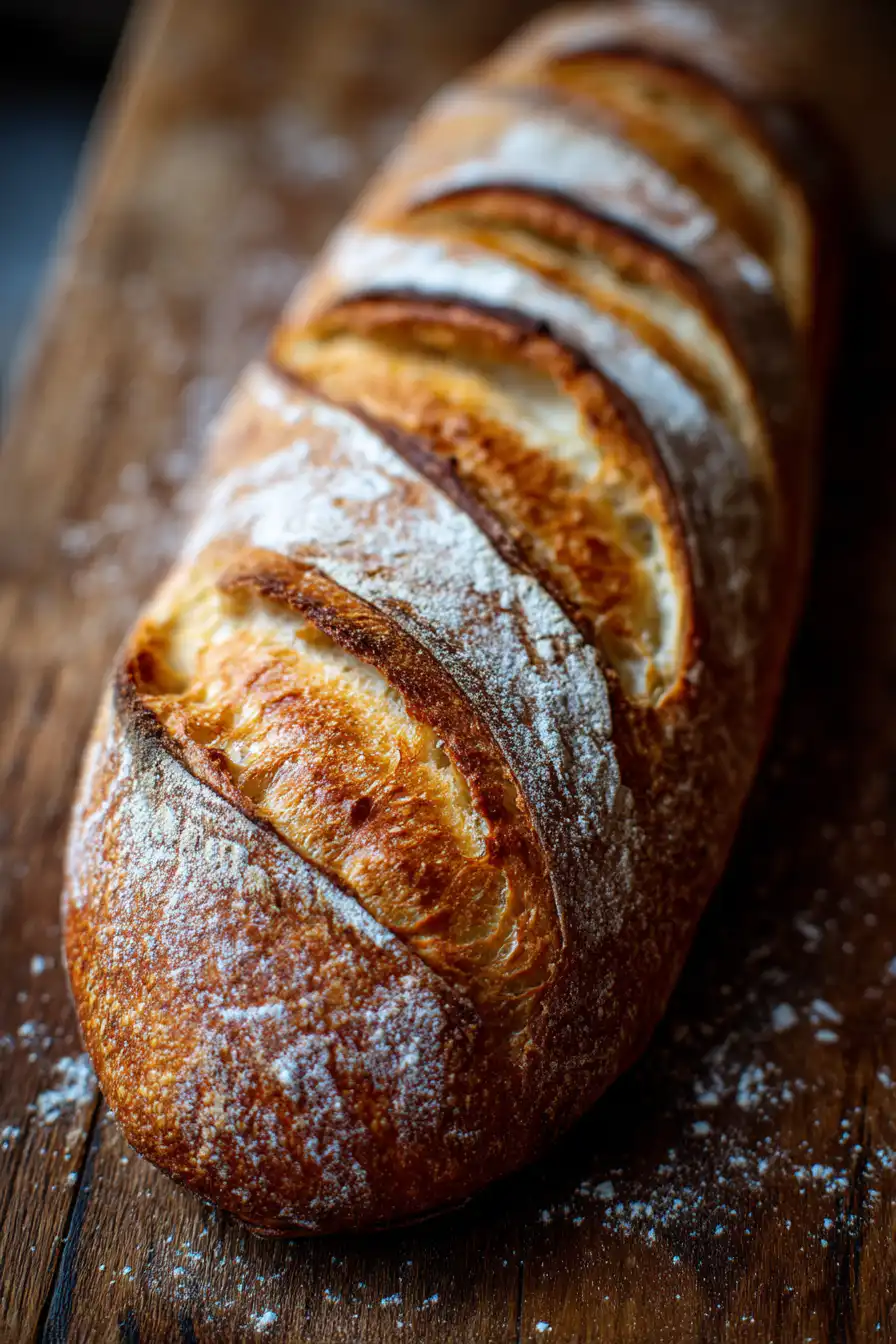
Sourdough French bread is a cool mix of art and science that many bakers love all over the world. This old method of bread-making uses a naturally fermented starter, full of wild yeast and good bacteria, to make a loaf with a hard crust and a soft inside. Its tangy taste and special texture make it different from normal bread, which is why so many people and bakeries hold it dear.
Sourdough French bread is super important in baking. More home bakers are trying to get back to their roots and enjoy slow cooking, which is why sourdough has become so popular. Making this kind of bread takes patience and care, and it helps bakers learn more about the craft. Also, a lot of people say sourdough is healthier. The natural fermentation helps break down gluten and lowers the phytic acid that stops you from getting all the nutrients. So, many people can eat sourdough without feeling all the usual discomforts of regular bread.
This article is gonna take you into the interesting world of sourdough French bread. Youll learn about where it came from and how you can make your own great loaf at home. Whether you are a baker with lots of experience or just starting out, baking sourdough is pretty rewarding, and we hope you'll check it out with us.
Section 1: Understanding Sourdough
1.1 What is Sourdough?
Sourdough is a type of bread made by letting the dough naturally ferment. It all starts with a sourdough starter which is just flour and water that ferments over time and picks up wild yeast and lactic acid bacteria from the air. This natural process is what makes sourdough different from breads that use store-bought yeast. The wild yeast makes the bread rise while the bacteria give it that tangy taste and help make it easier to digest. As the dough ferments, it goes through many changes and ends up with a cool flavor and texture.
1.2 The History of Sourdough
Sourdough has been around for a long time. Its roots go back over 6,000 years when ancient people, like the Egyptians, first discovered fermentation and started making leavened bread. Over time, people in Europe adopted these methods, and in France, they perfected it. Now, sourdough French bread is a well-loved tradition that many regions have their own version of. Even though its methods changed a bit over time, its old-school roots are still a big part of its charm.
Section 2: Sourdough vs. Traditional Bread
2.1 Nutritional Benefits
When ya compare sourdough to normal bread, you see some cool health benefits. Because sourdough ferments slowly, it helps your body absorb more nutrients and breaks down gluten better, which can help people digest it easier. The lactic acid bacteria in sourdough also break down phytic acid, a substance in grains that can block the absorption of minerals. This means sourdough might be a smarter choice for those who are careful about their health.
2.2 Flavor and Texture Differences
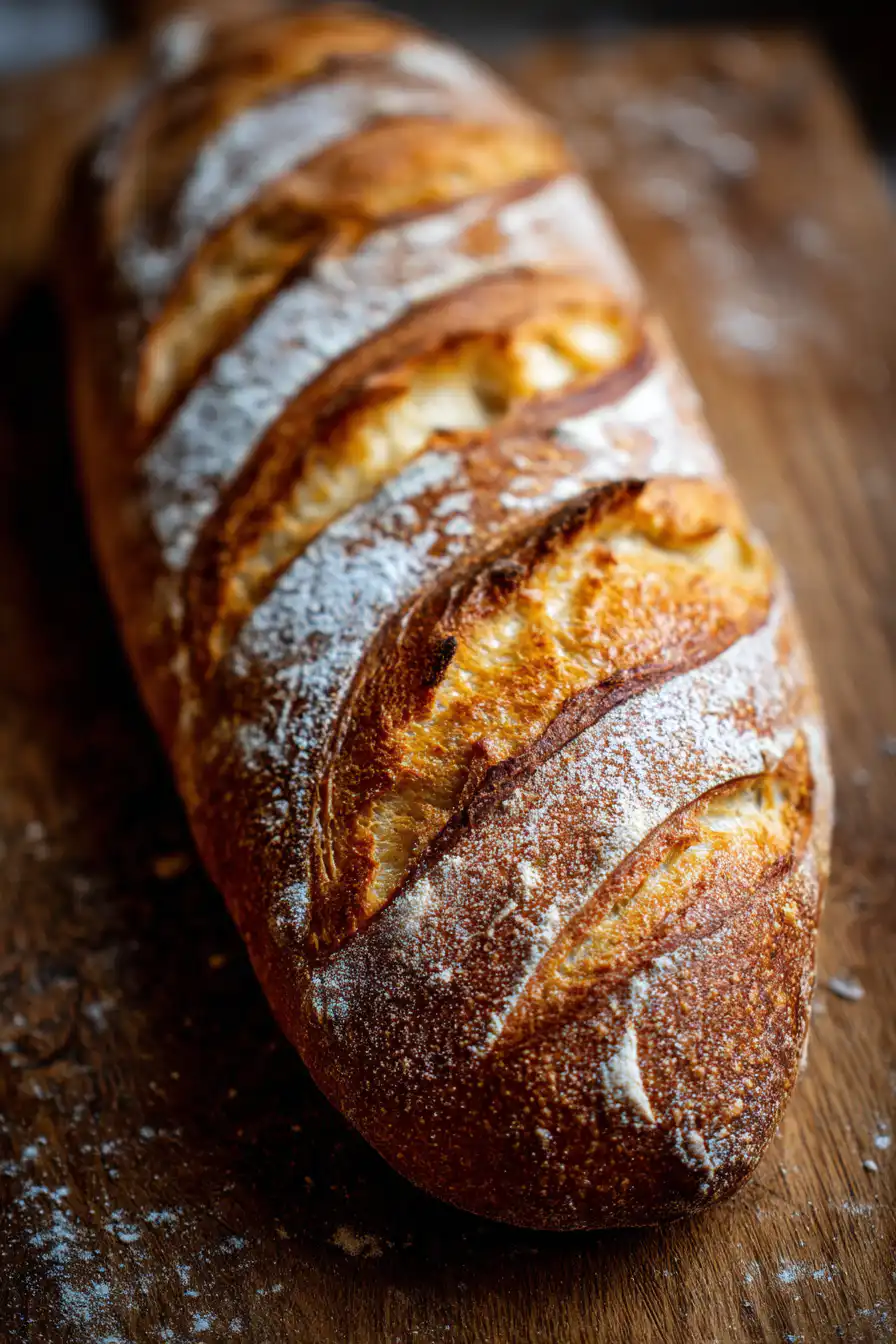
The taste of sourdough is way more interesting than regular bread. Its natural fermentation gives it a slightly sour taste that can change depending on how long it ferments and which starter you use. Plus, sourdough French bread has a hard, crispy outside with a soft, airy inside, so every bite gives you a different feel and taste. Because of this unique texture and flavor, it has become a favorite for many people who love good bread.
Section 3: Key Ingredients in Sourdough French Bread
3.1 Sourdough Starter
The sourdough starter is basically the heart of sourdough French bread. It's made of flour and water that sit together and ferment, catching wild yeast and lactic acid bacteria. If you wanna make your own starter, mix equal amounts of flour and water (like 100g each) and let it sit at room temp, feeding it more flour and water each day. It's real important to keep your starter healthy because it not only helps the dough rise but also gives the bread its taste. A good starter will show lots of bubbles and smell a bit sour, meaning it's ready to use.
3.2 Other Essential Ingredients
- Flour Types: Bread flour is really good because it's high in protein, which helps develop gluten and creates a better texture. You can also try whole wheat flour for more nutrition and flavor, though you might need to change up how much water you use.
- Water Quality: Use clean, filtered water when mixing your ingredients. Dont use too much chlorinated water because it can make the yeast less active.
- Salt's Role: Salt not only makes the bread taste good but also helps the gluten form better, giving you a nice texture in the final loaf.
Section 4: Equipment Needed
To bake sourdough French bread, you need a few tools to get it right. Here is a list of stuff you'll need:
- Mixing Bowl: A big bowl for mixing all your ingredients together.
- Bench Scraper: This is handy for moving dough around and cleaning up your workspace.
- Proofing Basket: It helps shape the dough during its second rise and gives support to the loaf.
- Dutch Oven: This is great for baking sourdough because it traps steam, which helps get a crispy crust.
You might also want a kitchen scale to measure ingredients correctly, a thermometer to check your dough's temperature and a lame to score the dough before baking.
Section 5: The Sourdough French Bread Recipe
5.1 Ingredients
- 500g bread flour
- 350g water (room temperature)
- 100g active sourdough starter
- 10g salt
5.2 Directions
1. Mixing the Dough
Start by mixing the flour and water in a big bowl until no dry bits of flour are left. Let it sit for about 30 minutes. This rest period, called autolyse, helps the gluten get started.
2. Kneading the Dough
After the autolyse, add your sourdough starter and salt. Then knead the dough either by hand or with a stand mixer with a dough hook until it gets smooth and stretchy. This usually takes about 10-15 minutes.
3. First Rise (Bulk Fermentation)
Put the dough in a bowl that's a little greased and cover it with a damp cloth. Let it rise at room temp for about 4-6 hours, or until it has doubled in size. During this time, do stretch and folds every 30 minutes to help strengthen the dough.
4. Shaping the Dough
Once the dough has risen, put it on a lightly floured surface. Gently shape it into a round or oval loaf by creating some tension on the surface. Let it rest for 20-30 minutes. This resting time is called bench rest.
5. Second Rise (Proofing)
After the bench rest, shape the dough again and put it seam-side up in your proofing basket. Cover it with a cloth and let it proof for 2-4 hours at room temp or leave it in the fridge overnight if you want a slower rise.
6. Scoring and Baking
Preheat your oven to 450°F (230°C) while the dough is proofing. Carefully flip the loaf onto a piece of parchment paper. Then, use a lame or a sharp knife to score the top so it can expand when baking. Put the loaf in the preheated Dutch oven, cover it, and bake for 30 minutes. Remove the lid and bake for another 15-20 minutes until the crust is a deep golden brown.
5.3 Tips for Perfect Sourdough French Bread
- Make sure your starter is active before you begin baking.
- Do not let the dough proof for too long, or it might turn out flat.
- Adjust the amount of water depending on the type of flour and your kitchen's temperature.
Section 6: FAQs
6.1 What if my sourdough bread doesn't rise?
If your bread isn't rising, you might be using a starter thats not active, the dough didnt ferment long enough, or it was too cold. Make sure your starter is bubbly before using it, and try letting the dough rise longer or in a warmer spot.
6.2 How long can I store sourdough French bread?
You can keep sourdough French bread at room temparature for up to three days. If you need to store it longer, wrap it in plastic and freeze it. When you wanna eat it, just thaw it and pop it in the oven for a bit to refresh it.
6.3 Can I use all-purpose flour instead of bread flour?
Yes, but if you use all-purpose flour, the bread might have a different texture or structure. Bread flour has more protein which helps form gluten better.
6.4 Why is my sourdough bread too sour?
The sour taste is usually because of the fermentation time or the type of starter you use. If you want it less sour, try a shorter fermentation time or feed your starter more often with more flour.
6.5 How do I know when my bread is baked properly?
When the crust is a deep golden brown and the bottom sounds hollow when tapped, its a good sign the bread is done. Also, if you check with a thermometer, the inside should be around 200°F (93°C).
Section 7: Serving Suggestions
Sourdough French bread is really versatile and goes well with lots of foods. Here are some ideas to enjoy it:
- Eat warm slices with some rich butter or olive oil as a tasty starter.
- Make yummy sandwiches like a French ham and cheese or a stack with lots of veggies.
- Top toasted sourdough with avocado, poached eggs, or fresh tomatoes for a healthy breakfast.
sourdough french bread
Equipment
- 1 mixing bowl
- 1 wooden spoon or dough scraper
- 1 kitchen scale
- 1 proofing basket or bowl
- 1 parchment paper
- 1 baking sheet or pizza stone
- 1 sharp knife or razor blade
- 1 oven
Ingredients
- 500 g all-purpose flour
- 350 g water room temperature
- 100 g active sourdough starter Ensure it is active and bubbly.
- 10 g salt
Instructions
- In a large mixing bowl, combine the 500g of all-purpose flour and 350g of room-temperature water. Mix until there are no dry bits of flour. Let it rest for 30 minutes (this is called the autolyse).
- After 30 minutes, add 100g of the active sourdough starter and 10g of salt to the dough. Mix well until fully incorporated. The dough will be sticky.
- Knead the dough for about 10 minutes by hand, or use a stand mixer fitted with a dough hook for about 5 minutes, until it becomes smooth and elastic.
- Place the kneaded dough into a lightly greased bowl, cover it with a damp cloth or plastic wrap, and let it ferment at room temperature for 6 to 8 hours, or until it doubles in size.
- Once the dough has risen, turn it out onto a lightly floured surface. Divide it into 4 equal pieces. Shape each piece into a round loaf, tucking the edges under towards the center.
- Place each shaped loaf into a floured proofing basket or bowl. Cover them and let them rest for another 1 to 2 hours at room temperature, or until puffy.
- Preheat your oven to 450°F (230°C) about 30 minutes before baking. If using a pizza stone, place it in the oven while it preheats.
- Carefully transfer each loaf to a baking sheet or directly onto the pizza stone. Use a sharp knife or razor blade to score the top of each loaf to allow for expansion during baking.
- Bake the loaves in the preheated oven for about 25 to 30 minutes, or until they are golden brown and sound hollow when tapped on the bottom.
- Once done, transfer the loaves to a wire rack to cool completely. This cooling period is essential for developing the crust.