Childhood ember memory
When i was a kid id sit by a clay tandoor with my grandpa as the sky turned pink. Id recall the heat rising from live coal glowing red and orange. My fingers got so warm id almost feel the ember whispers pressing on my skin. The crackle felt like a secret code only we could crack while the smoke curled around our boots. My hair smelled of smoke for days but i never minded that at all.
I ask you to call back a time you stood near a flame that made your heart beat faster. Think of how the smoke trailed off dancing in the air. Picture the sourdough pizza dough we slapped on the walls of that oven long ago. Feel that rough texture push under your palm and how the dough bloom surprised you the first time it puffed up in seconds. It felt like the bread took a breath before it landed on the table.
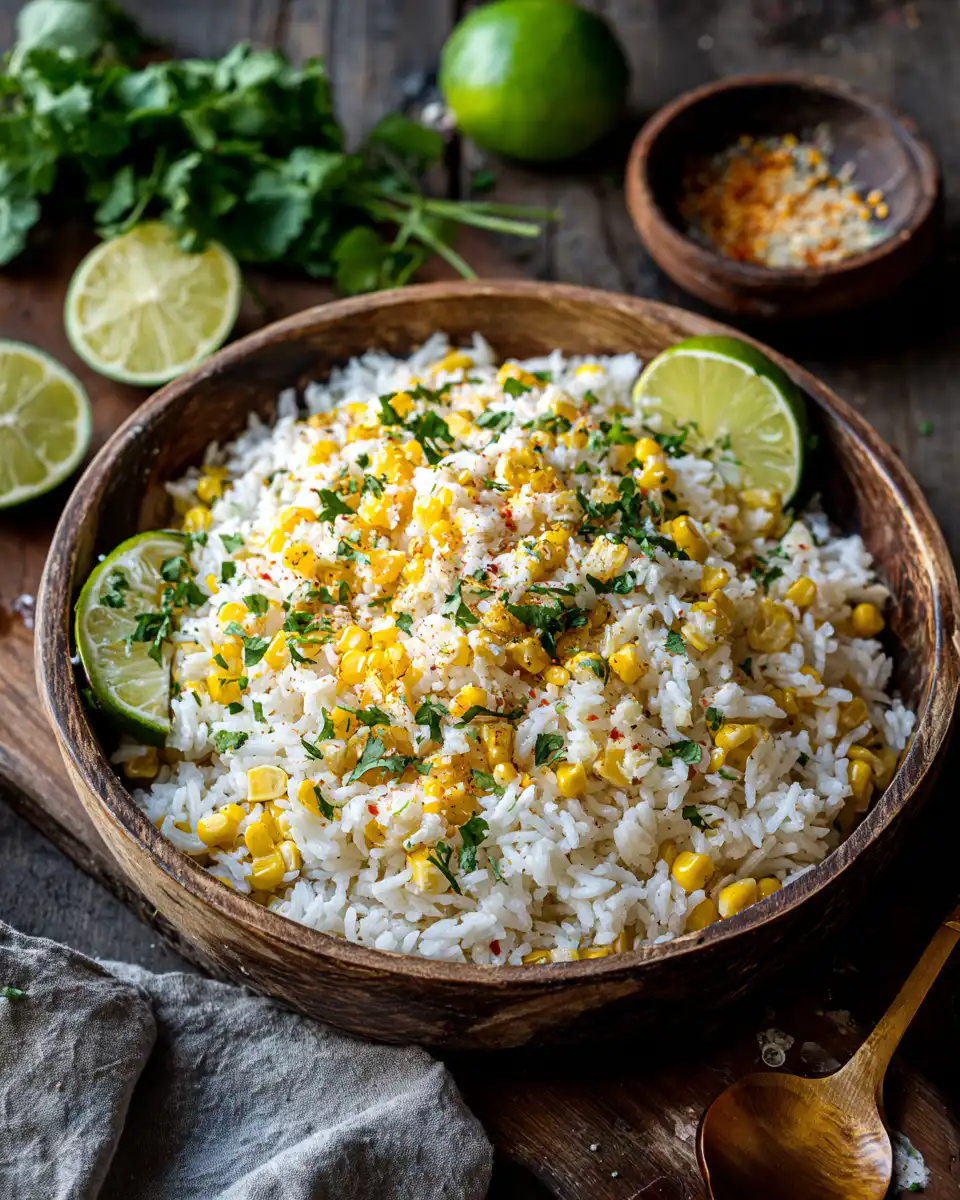
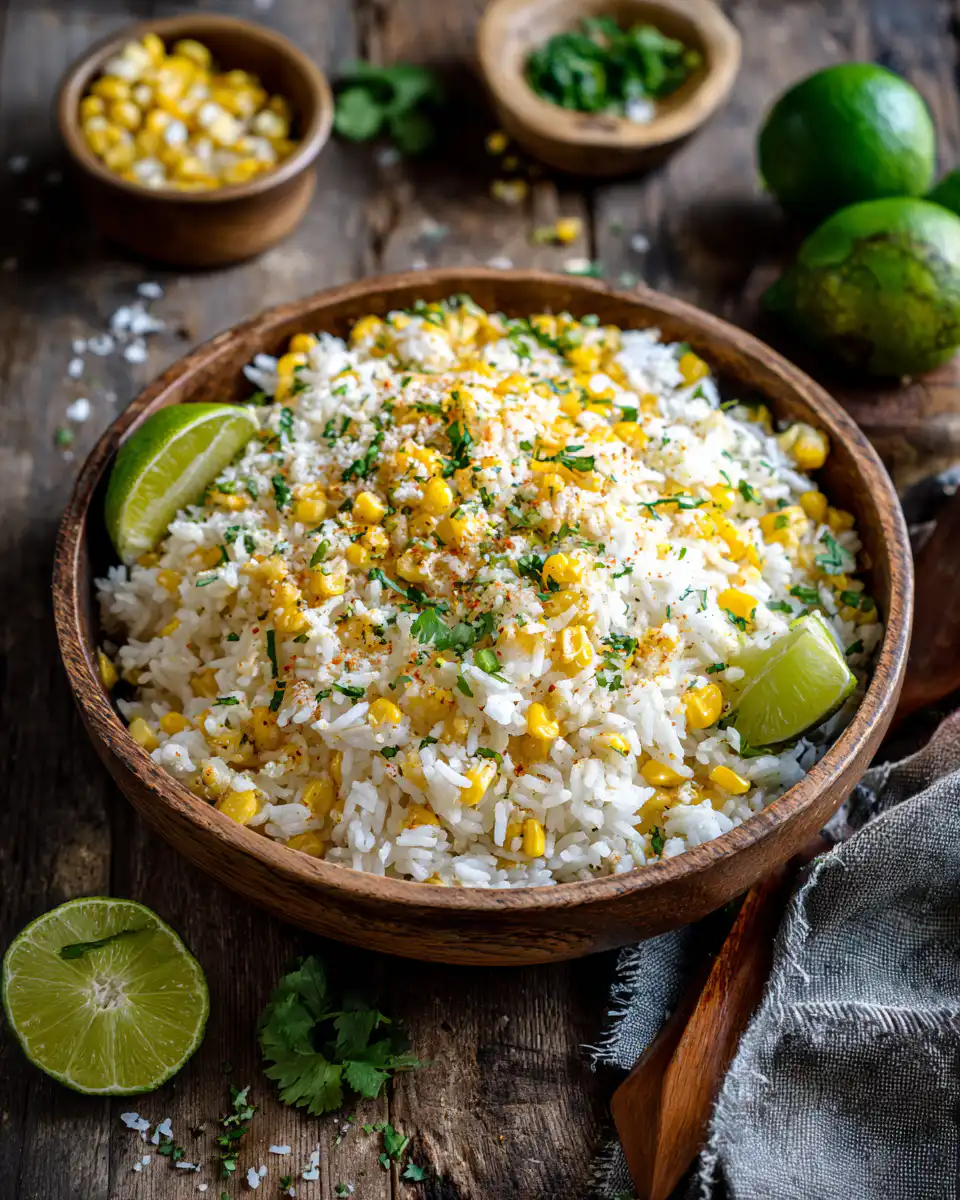
Im urging you to remember how it felt when you gripped that bread fresh off the hot clay. You might even recall grabbing a fork to scoop up some One Pan Cheesy Mexican Street Corn White Rice for a side the first time. Those tastes joined together lifted me up right when life felt low. Let that memory settle in your chest and remind you why simple ember end up meaning so dang much.
Fire craft plain words science
Fire is just hot air dancing and burning wood giving off heat when oxygen rolls in. You might be thinking that is kinda simple yet it hides a big science behind it. The live coal glows because tiny bits of wood break apart and recombine with air molecules. That change sets off energy and it keeps the chamber warm enough to bake bread quick.
Heat transfer happens in three ways conduction when dough touches a pan convection when hot air swirls and radiation when the ember glow pushes warmth to every corner. That is how protein char shows up on the crust and gives it that char texture and slightly bitter taste that you learn to want.
Water inside the dough turns to steam and puffs the bread like a balloon revealing that sweet dough bloom we talked about earlier. All these bits of science come together to make bread that feels alive you know like a living thing just waiting to fill your belly.
Pantry grains and spice list six to eight items
Before you start kneading you need to gather your basic ingredients and make sure the pantry is ready. I got you covered with this list of main items that i keep on hand for every ember bake.
- Bread flour or all purpose flour for the base
- Active dry yeast to help the dough rise
- Salt to bring out flavor in the grain
- Warm water to make the dough come alive
- Sugar a pinch to feed those tiny yeast cells
- Vegetable oil for softness in every bite
- Semolina dust so the dough slides right off the pan
- Cornmeal for a light texture and extra crunch
You might notice the list keeps things simple yet balanced. Flour plus yeast is the engine salt is the brake water is the fuel. Sugar and oil help the engine run smooth while semolina and cornmeal give friendly texture to the crust. Dont forget to keep a small bowl of plain flour nearby as backup if the dough feels sticky.
Dough knead ritual steps
First you pour warm water into a bowl and sprinkle yeast and sugar over the surface. Let it sit for a few minutes until you see little bubbles pop up like a frothy sea. That point tells you the yeast is alive and ready to work on your dough.
Next you add flour and salt in a mixing bowl and make a shallow well in the center. Pour the yeast water in the well and begin to stir with a wooden spoon or your hand. As the mixture starts to come together it turns into a shaggy blob that you will need to coax into shape.
Sprinkle a bit of plain flour on your countertop then move the dough there. Now start kneading by pressing with the heel of your hand then folding the dough over itself and turning it. Keep repeating pressing folding turning until the dough becomes smooth and elastic maybe ten to twelve minutes.
Youll know the dough is ready when it springs back slightly after you poke it with your finger. That gives you a sign the gluten has aligned itself creating the stretch you need for perfect puffy bread. Dust it lightly and shape it into a neat ball so it can rest properly.
Rising dough aroma scene
Its my favorite bit when the dough is tucked into a greased bowl. I wrap it in a damp cloth and let it rest in a warm little corner. Soon it starts to rise and double in size inch by inch like it is waking up from a nap.
The smell that drifts out feels dang good as it wafts through my kitchen or backyard station. It has hints of yeast and fresh grain that make my mouth water without even lifting a finger. Every time i catch that sweet scent i know good things are headed my way.
Flip and char checkpoints
When your fire bed is ready with live coal glowing bright you need a flat pan or griddle on top of the heat. Slide the dough flat and press it down gently so it makes contact. Let it cook for about a minute until you see tiny bubbles form on the surface.
Thats your cue to flip it using tongs or a spatula. After the turn youll want to check for wider char spots where the dough touched the hot pan directly. Those are protein char marks that add nutty flavor and build texture on the crust you dont get any other way.
Just cook the second side for another minute or so until it puffs lightly. If you have a short window of high heat you can pop it right onto the ember edge for a quick kiss of live flame. That step is optional but dang it is worth trying when you want that smoky twist.
Smoke kiss notes
I learned early on that a quick kiss of smoke makes all the difference. After you flip the dough once more you can hover it near the ember edge and let a thin tendril of smoke drift across the surface. Dont leave it there too long or it will taste bitter but a few seconds is enough.
The aroma it picks up is almost like a secret ingredient it seals in that live coal feeling. It turns a simple flat bread into something you feel deep in your chest youre breathing history and flavor in at the same time. Its an ancient trick that connects each bite to fire craft roots.
Shared platter touches
Once you got a stack of bread ready you cant help but reach for a platter big enough for pals and family. I like using a wooden board so the warmth stays locked in a little longer. You can brush each piece with melted butter then sprinkle fresh herbs or garlic over the top.
Invite folks to tear off pieces and dip in sauces or simply fold them around slivers of cheese tomatoes or sliced meat. That ritual of sharing a warm platter right in the center of the table makes conversations flow and hearts open. Trust me you wont need any fancy stuff to make it a hit.
Seasonal stuff twist
To keep things fresh i like to change up the toppings by season. In spring i add fresh mint and peas tucked inside the bread as it rises. It gives that pop of color and a hint of green earthiness when you bite in.
Summer calls for cherry tomatoes basil and crumbled queso or cheddar melted just right. The warmth of the bread brings out the sweetness in the fruit and the cheese drips in gooey threads yall gonna love that.
In fall i fold in cooked pumpkin puree and sprinkle cinnamon sugar for a sweet savory twist it feels cozy every time you pull it apart. Winter nights cry out for a brush of melted butter rubbed with garlic rosemary and a dash of paprika so it warms you from the inside.
Store reheat love guide
If you want to save leftovers the best move is to let the bread cool fully then wrap it lightly in foil or a clean kitchen towel. Slide the package into a sealable bag or airtight container. That keeps the crust from getting stale or too soft on the outside.
Reheat on a skillet or griddle over medium heat just a minute per side until it feels warm and soft. You can mist a bit of water on the surface before putting it on the pan so it steams slightly and comes back to life. Dont heat for too long or it will dry out and lose that fresh baked feel.
If youre in a hurry use a microwave for ten to fifteen seconds but always finish with a quick pan sear to get back some texture. That brings out the dough bloom again and is a sure fire way to get you feeling like you just baked it all over again.
Family toast and FAQs
I raise a glass or a hot cup of tea to every family that gathers round a platter of fresh bread baked in ember fire. I ask you to hold up your piece of bread and remember the sparks that made it alive. It feels like raising a toast to roots to elders to all the small moments we tend and feed.
Those steps passed down over time connect us across tables and generations. Now lets answer some of the questions you might be thinking about ember bread making and sharing the love with your own crew.
- What if my dough is too sticky
Wash your hands and dust more flour on the surface knead gently until it stops sticking but dont add too much flour or it will get dense - How do i know when my fire is ready
Look for glowing live coal with no big flames and a layer of white ash thats when the heat is stable enough to bake - Can i use warm water from the tap
Yes just make sure its not too hot or youll kill the yeast aim for around one hundred ten degrees fahrenheit but youre fine if it feels like warm bath water - Why does my bread not puff up
It could be under kneaded or your yeast might be old try testing the yeast first and knead until the dough is smooth and springy - How do i store leftovers
Cool completely then wrap in a towel or foil for the first few hours before moving to an airtight bag or container remove them one at a time as you need

One-pan Cheesy Mexican Street Corn White Rice
Equipment
- 1 large skillet or sauté pan with a lid
- 1 measuring cups and spoons
- 1 wooden spoon or spatula
Ingredients
- 1 cup white rice
- 2 cups vegetable or chicken broth
- 1 cup canned corn, drained
- ½ cup crumbled feta cheese or cotija cheese
- ½ cup heavy cream
- 1 tablespoon olive oil
- 1 tablespoon butter
- 1 teaspoon chili powder
- 1 teaspoon cumin
- ½ teaspoon paprika
- ¼ teaspoon salt or to taste
- ¼ teaspoon black pepper or to taste
- ¼ cup chopped fresh cilantro for garnish
- Lime wedges for serving
Instructions
- In a large skillet, heat the olive oil and butter over medium heat until melted.
- Add the white rice to the skillet and toast it lightly for about 2-3 minutes, stirring frequently.
- Pour in the vegetable or chicken broth and bring to a boil.
- Reduce heat to low, cover the skillet with a lid, and let the rice simmer for 15 minutes.
- After 15 minutes, add the drained corn, heavy cream, chili powder, cumin, paprika, salt, and pepper to the rice. Stir until everything is well combined.
- Sprinkle the crumbled feta or cotija cheese over the top. Cover and cook for an additional 5-7 minutes, until the rice is tender and the cheese has melted.
- Remove the skillet from heat and let it sit, covered, for 5 minutes.
- Fluff the rice with a fork and garnish with chopped cilantro. Serve with lime wedges on the side.