Steam curls up from the valve and your stomach starts talking back. You sense that warm feeling only a batch of fresh cookies can bring. It's like the whole kitchen's wrapped in a cozy hug.
You recall grabbing your pressure cooker, kinda wondering if it could handle the sweet job ahead. But once the float valve pops and the steam cues hit just right, you know it's all gonna come together pretty slick.
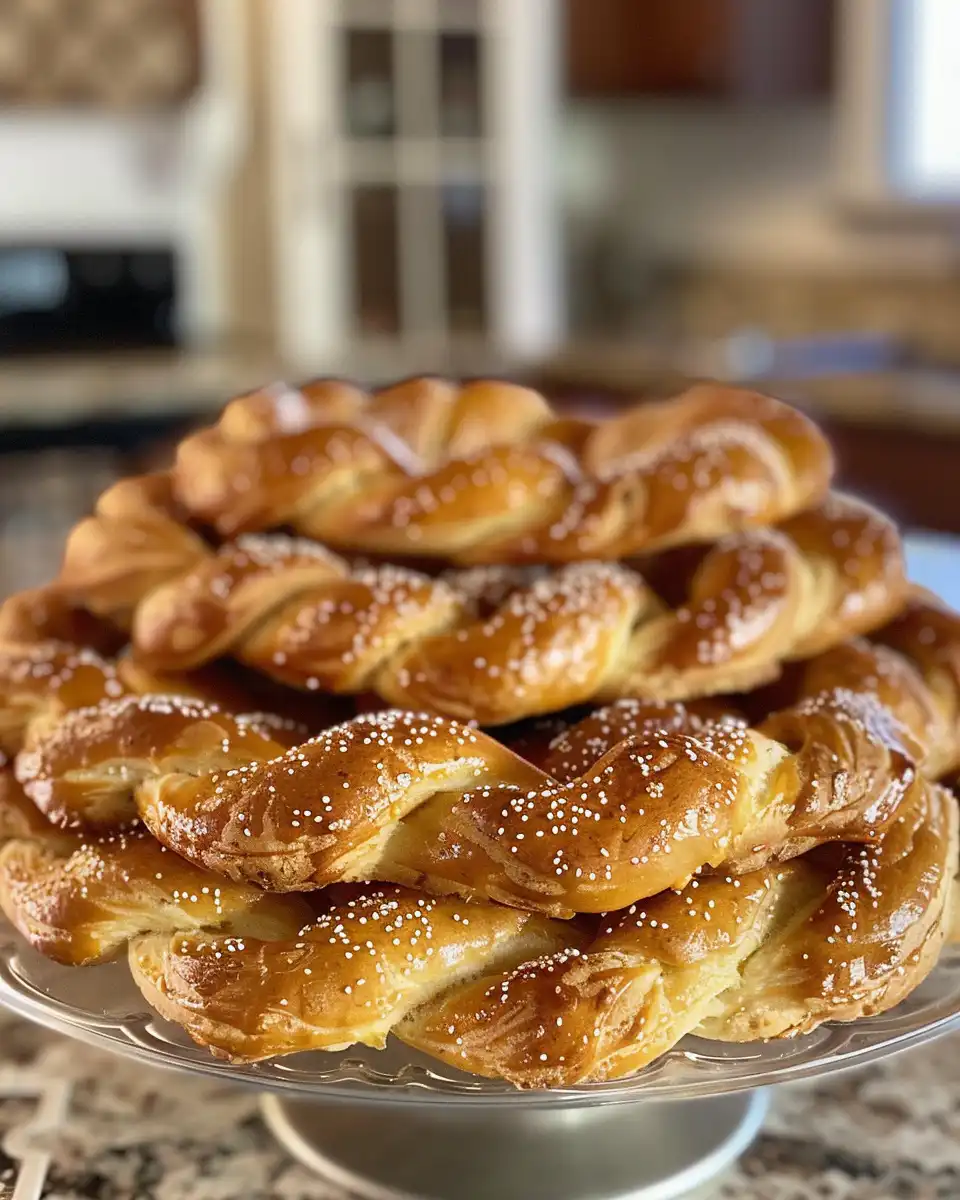
The smell hits your nose - that bright orange zest and vanilla teasing your memory of family holidays. This is no ordinary bake day, it's when you get to twist up some koulourakia, that classic Greek Easter cookie that's both buttery and soft, with a slight crunch on the outside.
Why Your Cooker Beats Every Other Pot
- You get even heat all around, which helps these cookies bake wonderfully without drying out.
- The quick release helps you pull them out at just the right moment to keep that perfect texture.
- Slow release lets the cookies finish gently, so no sudden cool down wrecks your batch.
- Natural release maintains gentle warmth, keeping flavors mellow and tender inside.
- The float valve is a handy signal, telling you when your cooker is ready so you don't gotta guess.
- Steam cues mean you can smell when it's almost done, saving you from opening up too soon and losing heat.
Pressure cookers make baking easier - just like the Caramel Coffee Cinnamon Rolls recipe where steam and even heat create a tender crumb and perfectly baked goods every time.
The Complete Shopping Rundown
You gotta start with the basics for this recipe: first up, 250 grams of butter. Make sure it's real butter not margarine, or you'll miss that rich flavor. Then 1 and a half cups of plain white sugar to sweeten things up.
Next on the list is baking ammonia - 13 grams of it, about 2 and a half teaspoons flat. This ingredient's kinda unique here but you can swap it with double acting baking powder if ammonia scares ya or hard to find. You'll also want half a cup of lukewarm milk, that's about 130 milliliters, which helps the dough come together nice and smooth.
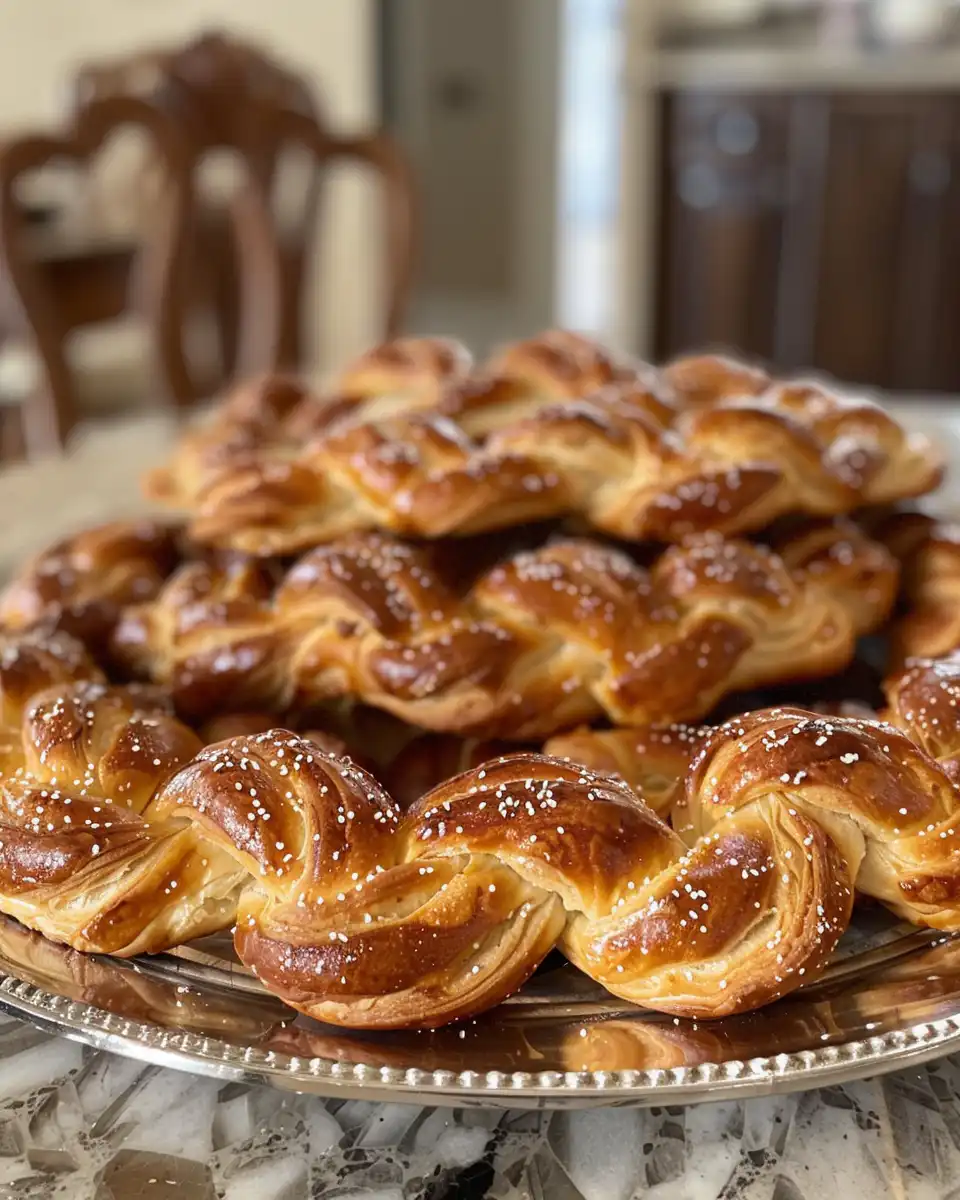
Don't forget four medium eggs - these bring moisture and richness. One tablespoon of vanilla extract adds a deep aroma while the zest of one orange brightens everything up with a fresh citrus pop.
Finally, a kilo of all-purpose flour is the backbone. This big amount makes plenty of dough for twisting and shaping. For that lovely glazed finish, you'll beat up two egg yolks with a tablespoon of water. That combo brushes on top and makes those cookies shine golden brown.
The Full Pressure Cooker Journey
Preheat the oven to 350 degrees Fahrenheit or 175 Celsius. You're gonna bake these cookies in the oven after shaping, but the pressure cooker really helps with the dough and texture.
Start in a large bowl by creaming the melted butter with sugar. You gotta get it light and fluffy, so take your time stirring. Next, add the eggs one at a time, mixing well after each addition so it's all combined and soft.
Stir in vanilla extract, orange zest, and that lukewarm milk you set aside. In a separate bowl, mix your flour and baking ammonia together, then slowly add that dry mix to the wet ingredients. Keep stirring until a soft dough forms - not sticky, but smooth.
Now knead the dough lightly on a floured surface until it feels smooth and a little elastic. Break it into small pieces and shape each into twists or braids. This part's kinda fun, the traditional look makes it feel special. Line a baking sheet with parchment paper and place your shaped cookies on it.
Mix two egg yolks with one tablespoon water in a small bowl and brush that glaze over each cookie. It helps cook up shiny and snappy on top. Pop the cookies into the oven and bake for 20 to 25 minutes, till they get that perfect golden brown.
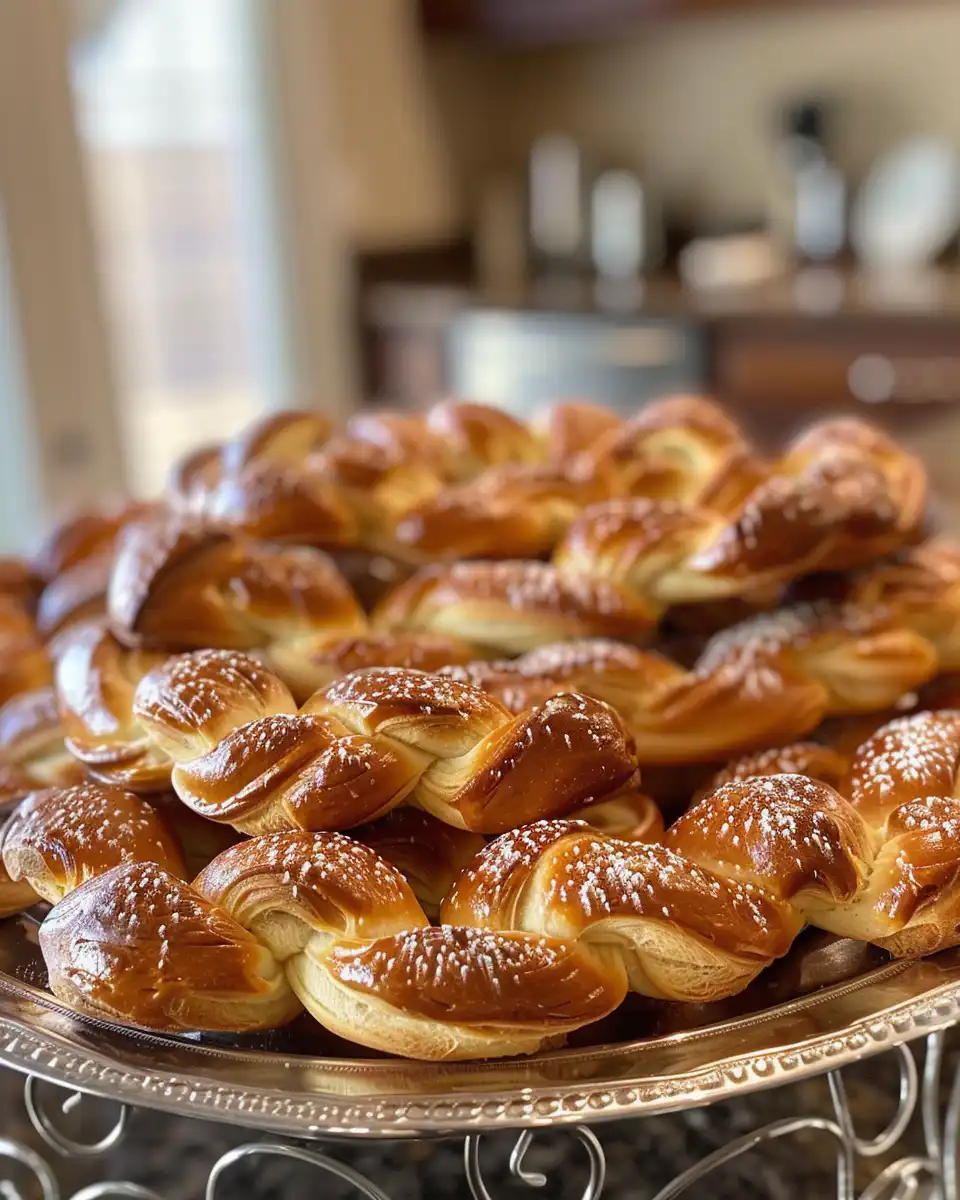
When they're done, pull 'em out and cool on a wire rack. Your pressure cooker helped keep the dough super tender and ready for baking, bringing out the best of those koulourakia flavors.
Time Savers That Actually Work
- Use lukewarm milk straight from your electric kettle or microwave to save time heating on stove.
- Prep your orange zest while butter melts, so you don't wait around with empty hands.
- Shape the dough pieces on parchment paper right after kneading to avoid messy counters and speed up cleanup.
The Flavor Experience Waiting for You
First bite you notice the buttery softness, almost melting as it meets your tongue. That subtle crisp outside gives a little contrast, making each twist really enjoyable.
The orange zest sneaks in with a sunny brightness that wakes up the whole cookie without overpowering. The vanilla adds a warm hug of sweetness underneath that you kinda wanna savor slowly.
These cookies have that perfect balance between sweet and a little savory note from the baking ammonia or powder. It's a unique taste that kinda reminds you of family gatherings and special holidays, even if you're eating 'em on a regular Tuesday.
How to Store This for Later
If you got leftovers (which is unlikely, but still), you wanna keep 'em fresh right. Store your koulourakia in an airtight container at room temperature. They stay good for about a week this way.
For longer life, pop 'em in the fridge inside a sealed container. Bring 'em back to room temp before eating so they soften up nicely.
Freezing works too if you wanna stash some for special occasions. Just wrap 'em tightly in plastic wrap or foil, then place in a freezer bag. When ready to eat, thaw at room temperature.
Avoid stacking warm cookies directly or they'll get soggy. Cooling fully before storing is your best bet to keep texture perfect.
Everything Else You Wondered About
- Can I skip the baking ammonia? Yeah, you can substitute with double acting baking powder, it'll still work good but flavor's a bit milder.
- Do I have to use orange zest? It's traditional but if you don't have one, lemon zest or a splash of orange extract can kinda do the trick.
- Why use pressure cooker for baking? It helps keep dough moist and tender, giving these cookies their soft inside and crisp outside that's hard to get otherwise.
- What's quick release vs natural release? Quick release means you open the valve to let steam out fast, often after cooking so your food doesn't overcook. Natural release means you wait for pressure to go down slowly on its own, great for delicate stuff like dough.
- Why brush eggs on top? It creates that shiny, golden finish and helps cookies set with a nice crust.
- Can I make these gluten free? You'd need a good gluten free flour blend and some trial, but it's possible! Texture might be slightly different though.
Koulourakia recipe (Greek Easter cookies)
Equipment
- 1 Pressure cooker or alternative baking setup
- 1 Baking sheet lined with parchment paper
Ingredients
Main ingredients
- 250 g Butter real butter, not margarine
- 1.5 cups Plain white sugar
- 13 g Baking ammonia or 2.5 teaspoon flat
- 130 ml Lukewarm milk
- 4 Medium eggs
- 1 tablespoon Vanilla extract
- 1 Orange zest zest of one orange
- 1 kg All-purpose flour
- 2 Egg yolks for glaze
- 1 tablespoon Water for glaze
Instructions
Instructions
- Preheat the oven to 350 degrees Fahrenheit or 175 Celsius.
- Cream the melted butter with sugar until light and fluffy.
- Add eggs one at a time, mixing well after each.
- Stir in vanilla extract, orange zest, and lukewarm milk.
- Mix flour and baking ammonia together, then slowly add to wet ingredients to form a soft dough.
- Knead dough lightly on a floured surface until smooth.
- Break dough into small pieces and shape into twists or braids.
- Place shaped cookies on a baking sheet lined with parchment paper.
- Mix egg yolks with water and brush over each cookie.
- Bake for 20 to 25 minutes until golden brown.