
Easter biscuits is a yummy, old-fashioned treat that lots of people enjoy during the Easter season. They have a sweet, spiced flavor and are often decorated with icing. They come from different cultures and usually made with ingredients like flour, sugar, butter, and a bunch of spices. These biscuits remind us of spring and new beginnings that come with the holiday. Many families have passed down the tradition of making these biscuits, and it brings people together during family dinners and community parties, showing the cheer and fun of Easter.
The reason Easter biscuits are so important goes way past just eating something tasty; they also show off cultural heritage and bring loved ones together. In many places, baking and decorating these biscuits is a family tradition, and kids often join in. The biscuits don't only mark the end of Lent, they also look really nice. That's why they are a hit during Easter brunches and get-togethers.
Today, Easter biscuits have changed a bit to fit both old and new tastes. You can find recipes that follow the classic style as well as ones with creative twists and different flavors. Whether you enjoy them with a cup of tea or see them on a pretty dessert table, Easter biscuits have earned their spot as a favorite treat that makes people happy and connected each spring.
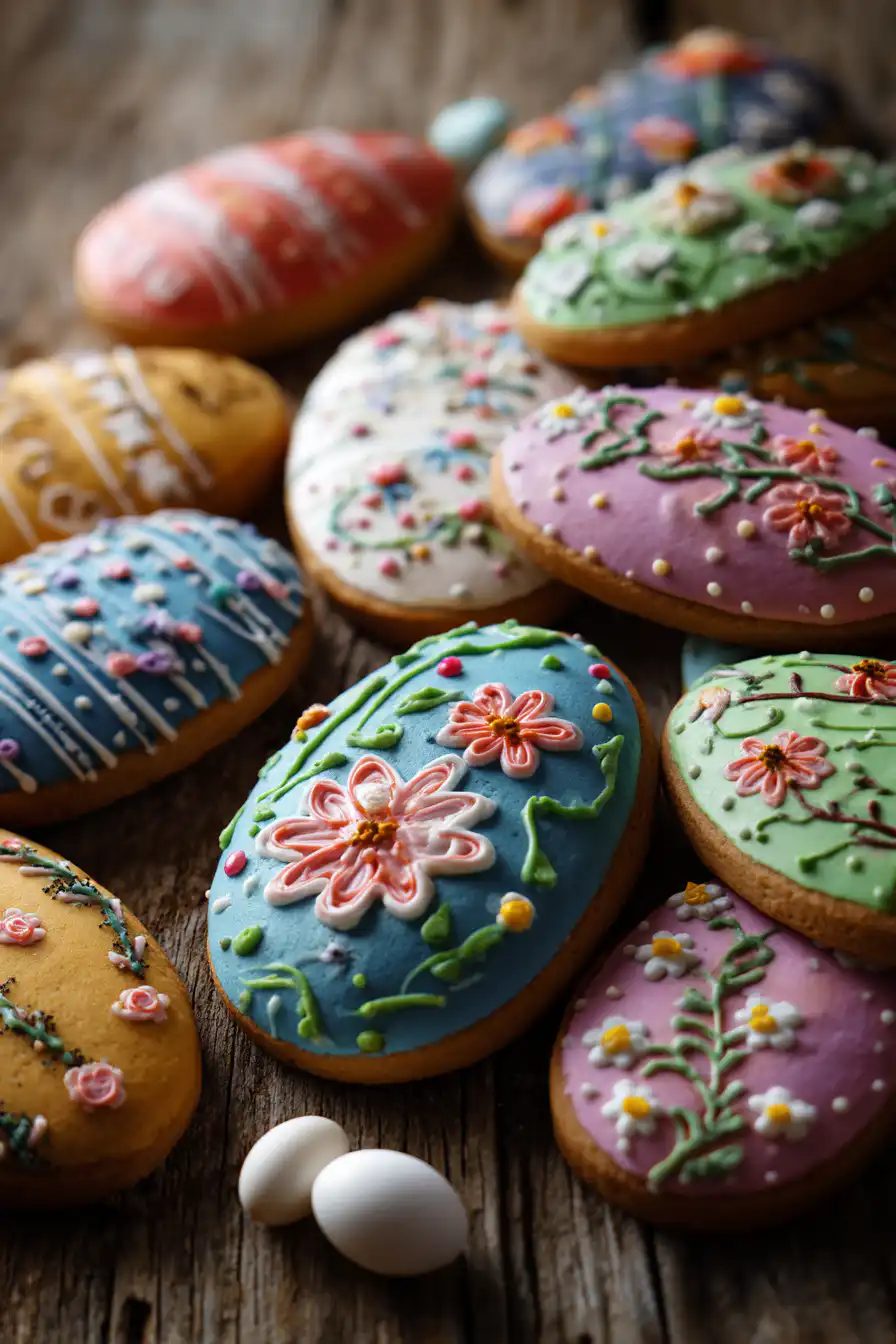
The History of Easter Biscuits
Easter biscuits have a long, mixed history that goes back many years, starting in lots of different European cultures. While we don't know exactly how they began, most people think that these treats came about as a way to celebrate spring and the Easter season. They also often mark the end of the long, quiet time during Lent when many folks would avoid sweets.
Different regions have their own special takes on Easter biscuits. For example, in the United Kingdom, the biscuits are usually spiced and might have currants or sultanas, whereas in other parts of Europe, they may include other spices or decorations. This shows how each community adds its unique touch and meaning to these baked goodies.
In lots of areas, making Easter biscuits is full of traditions. Families come together to bake, decorate, and share these treats, creating a fun atmosphere packed with laughter and friendship. This group activity shows how important it is to pass down recipes and customs through the years, making baking a way to build memories and keep family ties strong.
Ingredients for the Perfect Easter Biscuits
The key to any great Easter biscuit is using good ingredients. Traditionally, simple but high quality stuff is used to make these tasty biscuits. Here's a quick list of what you need to make a good batch of Easter biscuits:
Essential Ingredients
- Flour: All-purpose flour is usually used since it gives structure to the biscuits.
- Sugar: Caster sugar is favoured 'cause its very fine and sweetens the biscuits without being gritty.
- Butter: Unsalted butter adds richness and nice flavor.
- Eggs: One large egg, lightly beaten, helps to stick everything together.
- Spices: Typical spices include cinnamon and nutmeg, which give the biscuits their warm taste.
- Optional Additives: Things like raisins or sultanas can be thrown in for extra sweetness and chewiness.
Tips for Selecting High-Quality Ingredients
When you're baking Easter biscuits, the quality of your ingredients can really change the game:
- Locating the Best Spices: Try to get fresh spices that smell strong; they can make your biscuits taste a lot better. Sometimes, it helps to buy whole spices and grind them at home so they stay fresh.
- Importance of Fresh Ingredients: Always use fresh butter and eggs so your biscuits have the best flavor and texture. Checking the dates helps to be sure you're using the best stuff.
Step-by-Step Recipe for Traditional Easter Biscuits
Now that we went over what Easter biscuits mean and what goes into them, here is a simple and fun recipe for you to try making these treats at home. Follow these steps to get biscuits that are tasty and fun for all your spring celebrations.
Ingredients:
- 250g all-purpose flour
- 100g unsalted butter (softened)
- 100g caster sugar
- 1 large egg (lightly beaten)
- 1 teaspoon baking powder
- 1 teaspoon mixed spice or ground cinnamon
- 100g mixed dried fruit (optional)
Directions:
- Preheat your oven to 180°C (350°F).
- Mix the flour, baking powder, and spices in a bowl.
- In another bowl, beat the softened butter and sugar until it looks light and fluffy.
- Slowly stir in the beaten egg and mix it well.
- Add the dry mix to the wet mix to make a dough.
- If you want, fold in the dried fruit.
- Roll out the dough and use cookie cutters or a knife to cut it into shapes you like.
- Put the shapes on a baking sheet lined with parchment paper and bake for 10-12 minutes.
- Let them cool on a wire rack.
Advice for Baking Perfect Easter Biscuits:
- Importance of Chilling the Dough: Letting the dough chill makes it easier to handle and helps the biscuits keep their shape in the oven.
- How to Achieve the Right Texture: Try not to overmix the dough because that can make your biscuits tough. Mix it just until it is combined so the biscuits stay soft.
- Recommended Storage Methods: Keep your biscuits in an airtight container at room temperature so they stay fresh longer.
Variations on Traditional Easter Biscuits
Even though the classic Easter biscuit recipe is loved by many, there are lots of ways to change it up to suit your taste or add a seasonal twist. Here are some neat variations on the regular recipe:
Different Types of Easter Biscuits
- Lemon or Orange-Flavored Biscuits: If you want a fresh citrus taste, add some lemon or orange zest to the dough. This makes them smell amazing and taste refreshing.
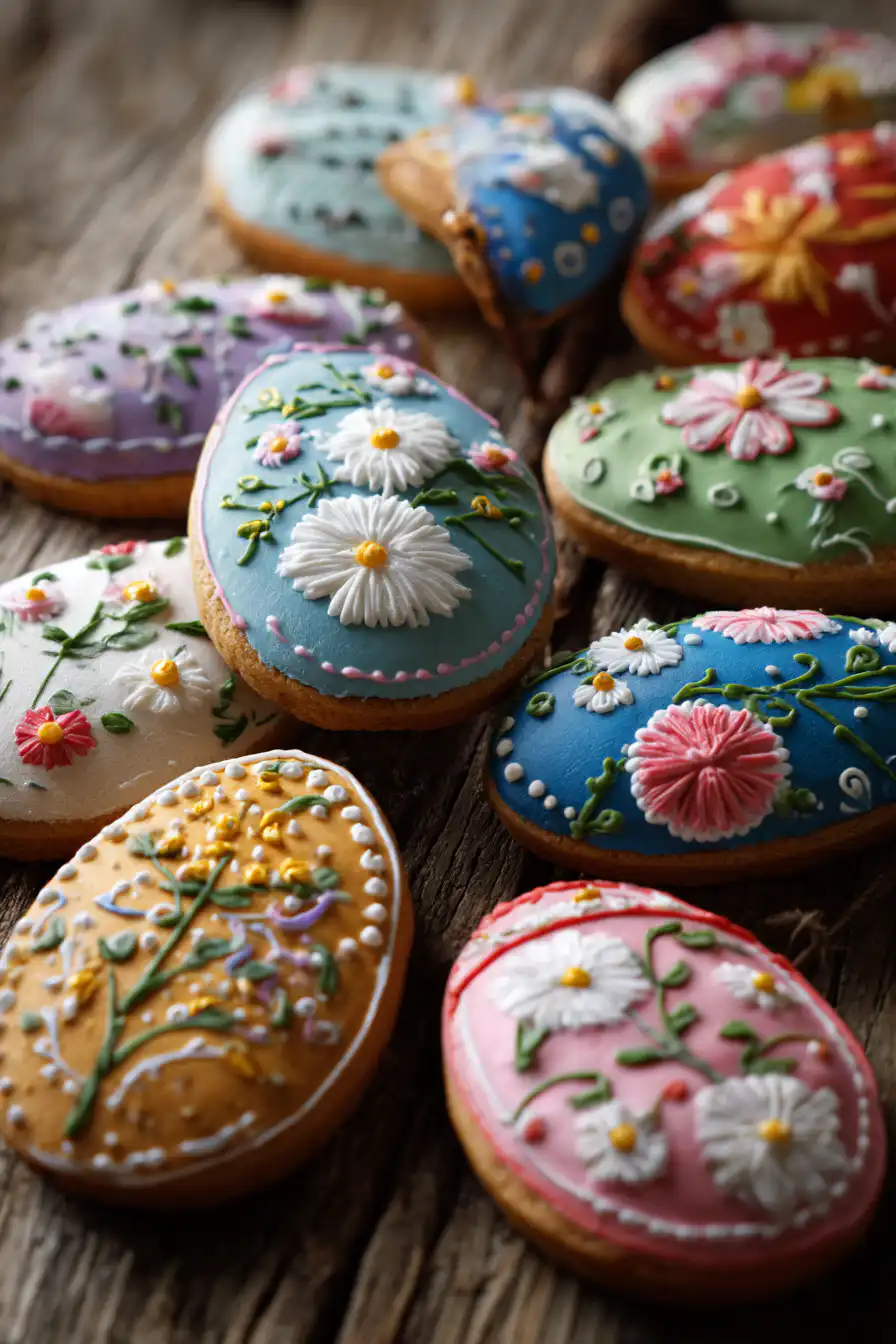
- Iced Easter Biscuits: Make your biscuits fancier by decorating them with colorful icing. You can use royal icing or just a simple glaze with powdered sugar and get creative with some sprinkles or designs.
- Gluten-Free Variations: You can swap out the all-purpose flour with a gluten-free blend or almond flour if someone in your family needs it, without losing the yummy taste.
Regional Twists on Easter Biscuits
Trying out how different cultures make Easter biscuits is really interesting. For example:
- British vs. European Styles: In Britain, the biscuits are usually spiced, and they might have currants in them, but in other parts of Europe, they might use different spices like anise or other flavors.
- Incorporating Local Traditions: Some families like to mix in their own traditions into the recipe-maybe by adding local nuts, fruits, or special flavorings that match their heritage.
easter biscuits
Equipment
- 1 mixing bowl
- 1 rolling pin
- 1 baking sheet
- 1 parchment paper
- 1 cookie cutter eg. round or Easter-themed
- 1 wire rack for cooling
Ingredients
- 4 cups all-purpose flour
- 1 cup unsalted butter, softened
- 1 cup granulated sugar
- 1 teaspoon baking powder
- 1 teaspoon ground cinnamon
- ½ teaspoon ground nutmeg
- ¼ teaspoon salt
- 2 large eggs
- ½ cup currants or raisins
- ¼ cup mixed chopped candied peel
- 2 tablespoon milk
- 1 egg beaten (for egg wash)
Instructions
- Preheat your oven to 350°F (175°C) and line your baking sheet with parchment paper.
- In a mixing bowl, cream together the softened butter and granulated sugar until light and fluffy.
- Beat in the eggs one at a time, mixing well after each addition.
- In another bowl, whisk together the flour, baking powder, ground cinnamon, ground nutmeg, and salt.
- Gradually add the dry ingredients to the butter mixture, mixing until combined.
- Fold in the currants or raisins and candied peel.
- Lightly flour your work surface and roll out the dough to approximately ¼ inch thick.
- Use a cookie cutter to cut out your biscuits and place them onto the prepared baking sheet, leaving some space between each biscuit.
- Brush the tops of the biscuits with the beaten egg for a golden finish.
- Bake in the preheated oven for about 15 minutes or until the edges are lightly golden.
- Remove from the oven and allow to cool on the baking sheet for a few minutes before transferring to a wire rack to cool completely.
- For a festive touch, you can also decorate the biscuits with icing or sprinkles after they have cooled.