I grew up chasing sparks near my grandma's backyard fire pit where live coal still glowed under a cover of ash. I remember you leaning close to those smoldering embers just like I did. I ask you to feel that heat against your skin and recall how the simplest spark could set a whole night alive.
I'm telling you this not because it's pretty but so you'll remember how a little warmth can change everything. I still can almost taste the smoke trails in the breeze that mingled with the smell of chicken cooking over wood. That scent is the heart of Alabama Chicken Stew and it sticks with you.
When I say protein char or dough bloom I want you to think of how those tiny touches bring out flavors you'd never expect. I learned from clay tandoors to coax that sweetness out of every ingredient. Now I'm urging you to reflect on that glow before we dive into each step.
Fire craft plain words science
You don't need an advanced degree to light a fire that'll simmer your stew just right. Think of heat as a scale you're always adjusting. Too hot and the broth gets bitter. Too low and the chicken stays raw. It's kind of like tuning your bike chain until it hums smooth.
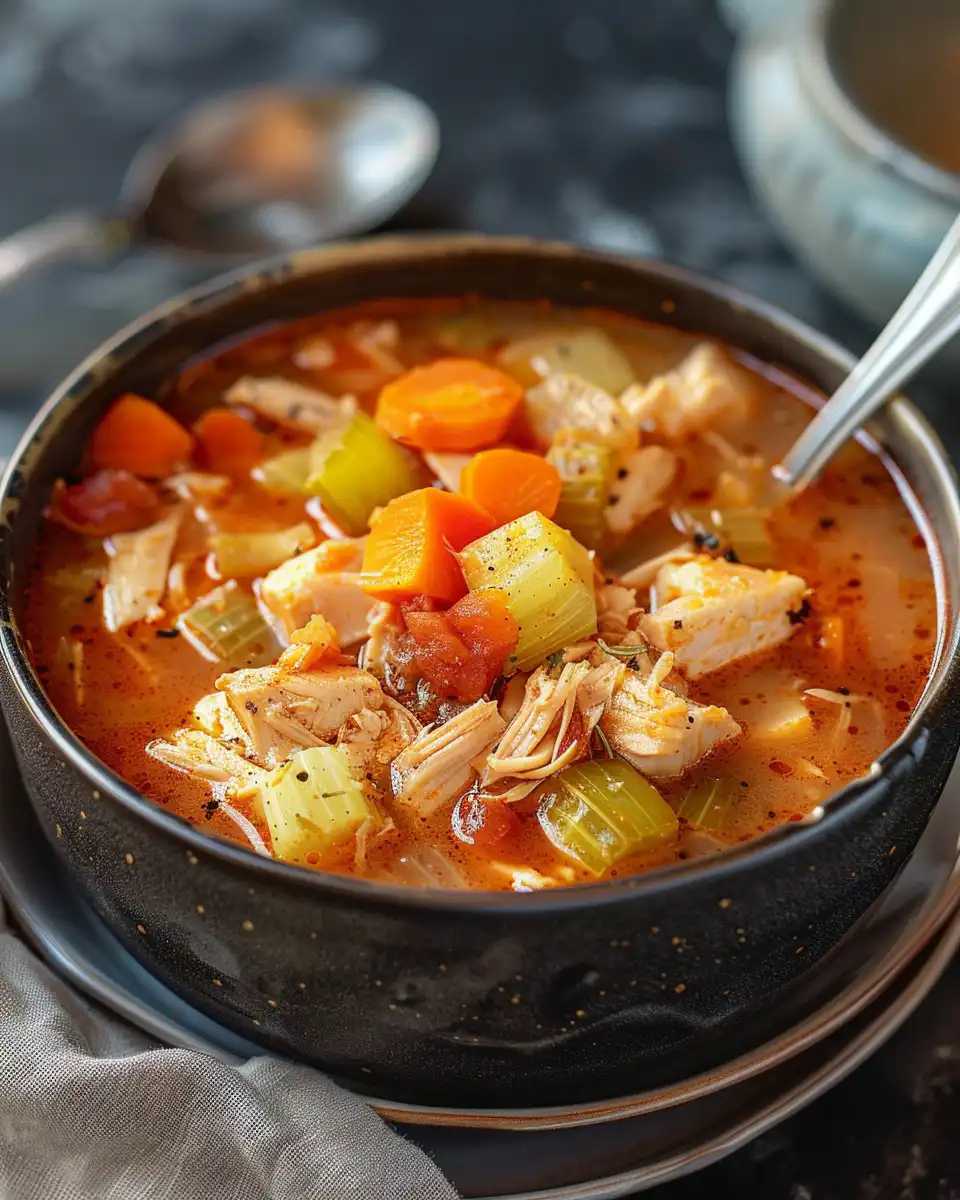
Chemistry is simple here. Water boils at the point where bubbles chase each other up the pot wall. That motion lifts bits of seasoning into every crevice of meat and veggie. The gentle roll of simmer is what breaks down collagen in chicken thighs to give you that melt in your mouth finish.
Protein char happens when bits of chicken kiss the bottom of the pot for just a second longer. Those charred bits lift into the broth to make it richer. Live coal heat from a fire pit or a stove burner both can give you that smoky flavor if you keep your eye on the temp gauge.
Pantry grains and spice list six to eight items
- Chicken thighs bone in or boneless roughly cut
- Onion one medium yellow peeled and chopped
- Carrots two medium peeled and sliced
- Celery stalks two chopped for aroma
- Garlic cloves four smashed or minced real fine
- Chicken broth four cups low sodium or homemade
- Bay leaves two or three for depth
- Paprika one teaspoon for a little warmth
- Salt and pepper to taste and keep adjusting
These simple staples turn into something you'll wanna sip by the spoonful. Y'all can toss in a handful of rice or barley if you want more heft but I like mine pure and clear so every sip carries that ember kissed note. No fancy stuff here just what you got in your pantry.
Dough knead ritual steps
You might wonder why dough matters in a stew. In Alabama Chicken Stew we float little dough dumplings that soak up broth and bloom soft. You start with two cups of flour in a big bowl. Add a pinch of salt and stir it till it looks even. Make a little crater in the middle like a tiny volcano.
Crack in one egg and pour in about half a cup of milk. I know measurements can be tricky cause milk pours fast but keep your eye on the line. Use a fork to swirl flour into liquid slowly till it starts to hold together. Don't overthink it. That's a good way to end up pasty.
Then slide in some melted butter by the tablespoon. Fold everything gently till you feel a soft ball of dough that's not sticky. If it sticks to your fingers add a dash more flour. The final texture has to spring back when you poke it. That spring tells you it's ready to rest.
Rising dough aroma scene
You'll catch a yeasty hint drifting up as your stew simmers and dough rests. It's faint like fresh bread in grandma's kitchen. That smell tells you everything's on track. Don't rush it. Let that bouquet grow a couple minutes more before you cut dumplings.
That moment's dang satisfying. You step back from the heat and pause to breathe deep. You know you're about to taste something that pairs that peaked dough bloom with the rich chicken stock. Trust me you'll want to savor that.
Flip and char checkpoints
As the dumplings hit the bubbling broth they'll bob like mini life rafts. Give them a few minutes to set on one side then use a slotted spoon to flip each gently. You'll hear a faint sizzle as they kiss the broth again. That slight char along the edge is golden flavor hitting your tongue later.
Check the chicken too. It should shred with little resistance when you pull on the thigh bone. If it still feels rubbery let it go a bit longer under the gentle simmer. Keep the lid slightly askew so steam escapes and you maintain live coal style heat.
Stir the pot every ten minutes to keep dumplings from sticking. At that point you'll see broth thicken slightly from flour dust off dumplings. That's prime time to add chopped parsley or chives for a fresh pop right before serving.
Smoke kiss notes
A little smoke whisper makes all the difference here. If you're cooking outside drop a tiny wood chip near coals so smoke drifts into the stew pot. If indoors you can stir in a pinch of smoked paprika or use a small tea infuser filled with lapsang souchong tea leaves. Let it steep for two minutes then fish it out.
That smoke kiss is subtle and won't overwhelm the delicate chicken and dough. It's like a reminder of those ember nights back home when the glow felt endless. That smokey edge carries you back each bite you take.
Shared platter touches
Now imagine you set a big dish on the table and everyone leans in to fish out dumplings and chunks of chicken. You might drop a few sprigs of cilantro for color or grate a slice of lemon rind on top for brightness. Those small touches take you from stove to table with a warm nod to folks sharing a meal.
I've seen family recipes tucked behind smiles and wide eyes around a pot just like this. When you pass that platter around y'all share more than soup. You share stories and memories that stick like soot on a cast iron skillet.
Seasonal stuff twist
Fall calls for sweet potatoes or squash chunks in Alabama Chicken Stew. They add an earthy sweetness you'll kinda crave. In winter toss in a handful of kale or collards for body. Spring you can stir in asparagus tips just before dumplings hit the broth. Summer is peak cherry tomato season so throw those in last minute so they burst in hot broth.
These seasonal twists keep you excited to come back to the pot over and over. You're not stuck making the same stew twice. You're playing with garden harvests and local farmers market finds. That variety's a heck of a deal for every taste bud at your table.
Store reheat love guide
If you got leftovers let them cool completely then cover pot or transfer to an airtight container before popping in the fridge. When you're ready to eat again reheat on low heat with a lid on so dumplings don't dry out. Add a little extra broth or water if it gets too thick. No microwave blasts needed unless you're in a real hurry.
Stir occasionally as it warms so heat spreads evenly. You'll notice dumplings soften more with each warm up. That's okay. They'll still soak up broth and give you that tender dough bloom feel.
Before serving drop in a fresh nugget of butter on top or swirl in a spoonful of sour cream. That creaminess brings back the original richness and reminds you how good low and slow cooking can be.
Family toast and FAQs
Raise your spoon and say a little thanks for those ember nights that taught us how to feed folks with just a pot and a spark. Alabama Chicken Stew isn't just a dish. It's family and fire and flour all rolled into one big bowl.
- Can I use chicken breast instead of thighs You can but thighs hold up better in long simmers. Breasts get dry fast so watch them closely if you do swap.
- How do I store leftovers safely Let stew cool fully before closing lid or sealing container then pop in fridge up to four days.
- Can dumplings be frozen It's a bit tricky. They soak too much broth. Better to freeze stew without dumplings and add fresh ones when you reheat.
- What if my stew is too thin Mix one teaspoon of cornstarch in cold water and stir into simmering stew until it thickens up.
- How spicy can I make it Feel free to add cayenne or diced jalapeño early in cooking for a heat kick that deepens as the stew simmers.
- Why drown dumplings Drowning fill dumplings with broth so they get that dough bloom moisture from inside and out.
Now grab a ladle and dig in. This stew is built on ember memories and hands that learned to coax flavor from smoke steel and steam. Enjoy every drop.
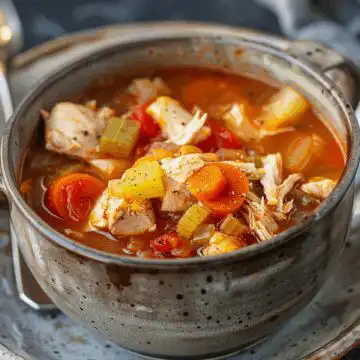
Alabama Chicken Stew
Equipment
- 1 Large pot or Dutch oven
- 1 Wooden spoon
- 1 Cutting board
- 1 Measuring cups
- 1 Measuring spoons
Ingredients
- 2 lbs chicken thighs, boneless and skinless You can substitute chicken breasts for thighs if preferred.
- 4 cups chicken broth
- 2 cups potatoes, chopped (about 2 medium potatoes)
- 1 cup carrots, chopped (about 2 large carrots)
- 1 cup celery, chopped (about 2 stalks)
- 1 medium onion, diced
- 3 cloves garlic, minced
- 1 teaspoon dried thyme
- 1 teaspoon dried oregano
- 1 teaspoon paprika
- to taste none salt
- to taste none pepper
- 2 tablespoons olive oil
- 1 tablespoon Worcestershire sauce
- 1 cup frozen peas
Instructions
- In a large pot or Dutch oven, heat the olive oil over medium heat. Add the diced onion and sauté for 3-4 minutes until translucent.
- Add the minced garlic and cook for another 1-2 minutes, being careful not to burn it.
- Cut the chicken thighs into bite-sized pieces and season with salt, pepper, thyme, oregano, and paprika.
- Increase the heat to medium-high and add the chicken to the pot, browning it for about 5-7 minutes until lightly golden.
- Add the chopped potatoes, carrots, and celery to the pot, stirring to combine with the chicken.
- Pour in the chicken broth and Worcestershire sauce, bringing the mixture to a boil.
- Once boiling, reduce the heat to low, cover, and let it simmer for about 30 minutes, or until the vegetables are tender and the chicken is cooked through.
- Stir in the frozen peas and cook for an additional 5 minutes. Adjust seasoning with salt and pepper if needed.
- Serve hot, and enjoy your delicious Alabama Chicken Stew!