Asparagus is a pretty fancy veggie that some people really love because it looks cool and tastes good too. It's not just any vegetable - its green color and unique flavor help make any meal look and taste better. This spring veggie comes back every year and is known for its soft stalks and mild taste, which is why it's used in lots of different cooking styles all over the world.
Sautéing is a common way to cook food fast over medium-high heat with a little oil or butter. This method helps bring out the natural flavors and keeps the food's texture. Sautéed asparagus is a favorite for many cooks, whether you're at home or a professional chef. The high heat gives the asparagus a nice little char while still keeping it crisp-tender, making it both yummy and good for you.
When it comes to eating healthy, sautéed asparagus really stands out as a powerful dish. It is loaded with important vitamins, minerals, and antioxidants. Eating it can help improve your overall health. Adding sautéed asparagus to your meals gives you a tasty way to get a low-calorie vegetable that helps with weight control and better digestion. It works great as a side dish or even as part of the main meal.

Nutritional Benefits of Asparagus
Asparagus is not just a tasty food, but it's also really good for u. This veggie is full of vitamins and minerals that help keep your body working well. Eating asparagus can really boost your diet by giving you many of the nutrients your body needs.
Vitamins and Minerals
Asparagus has loads of vitamins like A, C, E, and K. Vitamin A is important for good vision, while Vitamin C works as an antioxidant and helps protect your cells. Vitamin E is good for your skin and helps lower inflammation, and Vitamin K is needed for proper blood clotting and strong bones.
Also, asparagus is a good source of folate, a B vitamin that is crucial for making and repairing DNA, which is especially important during fast growth times like pregnancy. It even contains minerals like potassium, which helps control blood pressure, and magnesium that supports your muscles and nerves.
Health Benefits
Besides having great vitamins and minerals, asparagus is rich in antioxidants, like flavonoids and polyphenols, which help fight damage from free radicals. This antioxidant action can help reduce inflammation and even lower the risk of some long-term health problems.
Asparagus also acts like a natural diuretic because of its high asparagine content, which can help reduce bloating and aid digestion. The fiber in asparagus is good for your gut as well by helping keep your bowels regular and supporting the good bacteria in your stomach.
Caloric Content and Weight Management
Because asparagus has very few calories (only about 20 calories per 100 grams), it's a great choice if you're trying to manage your weight. It is a nutrient-dense option that helps you feel full without eating too many calories. Eating sautéed asparagus regularly can help you live healthier without giving up on flavor.
Choosing Fresh Asparagus
To really enjoy asparagus, you gotta know how to pick the freshest ones. Getting good quality asparagus makes sure your sautéed dish tastes great and is full of nutrients.
Types of Asparagus
There are a few different kinds of asparagus. The most common type is green asparagus which is loved for its bright color and a slightly earthy taste. White asparagus is grown underground, making it milder and more tender, and some people consider it a delicacy. Purple asparagus is less common but tends to be sweeter and more tender than green asparagus, and it looks neat on a plate.
Signs of Freshness
When picking asparagus, look for stalks that are firm and straight with tips that are still closed up tight. The color should be vibrant; dull color is usually a sign that it's getting old. Also, avoid asparagus that looks limp or has wrinkled skin, because these are signs it is past its prime. Fresh asparagus should have a little bit of shine, showing that it still has its natural moisture.
Seasonal Availability
Asparagus is mostly a spring veggie. Its best season is from late March to June, so you'll usually find the freshest and tastiest asparagus at local markets in these months. Buying in season also helps support local farmers while you get the best possible flavor.

Choosing Fresh Asparagus
When it comes to enjoying asparagus at its best, knowing how to choose the freshest specimen is essential. Selecting high-quality asparagus ensures that your sautéed dish is not only flavorful but also packed with nutritional value.
Types of Asparagus
There are several varieties of asparagus, each with its unique characteristics. The most common type is green asparagus, known for its vibrant color and slightly earthy flavor. White asparagus, cultivated underground, is milder and more tender, making it a delicacy in some cuisines. Purple asparagus, while less common, is sweeter and more tender than its green counterpart, offering a visually appealing option for various dishes.
Signs of Freshness
To select fresh asparagus, look for stalks that are firm and straight, with tightly closed tips. The color should be vibrant, indicating freshness. Avoid asparagus that appears limp or has wrinkled skin, as these are signs of age. Fresh asparagus should also have a slight sheen, signaling its natural moisture content.
Seasonal Availability
Asparagus is primarily a spring vegetable, with peak season typically occurring from late March to June. During this time, you're likely to find the freshest and most flavorful asparagus in local markets. Shopping in season not only supports local agriculture but also ensures you are enjoying the vegetable at its best.
Tools and Equipment for Sautéing Asparagus
Having the right tools and equipment for sautéing asparagus can make the cooking process easier and more fun. Here are some must-have items you need to get the perfect sautéed asparagus.
Essential Cookware
When it comes to cooking, a large skillet or frying pan is the best choice for sautéing asparagus. A non-stick pan is helpful because it makes it easier to flip the asparagus and stop it from sticking to the pan.
Utensils to Use
You will need some basic utensils like:
- Tongs: These are great for flipping and tossing the asparagus while it cooks.
- Spatula: This makes it easier to turn the asparagus and serve it up.
Optional Tools
If you want to take your dish up a notch, you might consider using a mandoline slicer. This can be used for garnishing or even to create thin vegetable ribbons that add extra texture to your sautéed dish.
Sautéed Asparagus Recipe
Ingredients
- Fresh Asparagus: 1 lb
- Olive Oil: 2 tablespoons
- Garlic: 2 cloves, minced
- Salt: to taste
- Pepper: to taste
- Lemon juice: 1 tablespoon
- Optional garnishes: Parmesan cheese, red pepper flakes
Directions
- Preparing the Asparagus: Cut off the tough ends of the asparagus, usually around 1-2 inches from the bottom. A quick bend of the stalk will show you where it naturally snaps, which is best for eating.
- Heating the Skillet: Put a large skillet on medium-high heat and add the olive oil. Let it heat up until it shimmers a bit.
- Sautéing Asparagus: Put the asparagus in the skillet in one layer. Cook for about 3-5 minutes, shaking the pan now and then so everything cooks evenly. Look for that bright green color and a light char to know it's done.
- Adding Garlic and Spices: Once the asparagus is almost done and still a bit crisp, push them to one side of the skillet. Add the minced garlic to the empty space and cook for about 30 seconds until you smell it.
- Finishing Touches: Mix the garlic with the asparagus and sprinkle in salt and pepper. Then take it off the heat and drizzle the lemon juice over. Give it a good toss before serving.
Tips for Perfectly Sautéed Asparagus
- Not Overcooking: The trick is to keep the asparagus crunchy. Watch the time so they stay tender but still a bit firm.
- How to Achieve That Beautiful Char: Make sure the pan is really hot before you add the asparagus. Don't crowd the pan - cook it in batches if you have to.
- Variations: Try adding some toasted nuts like almonds or pine nuts, or toss in fresh herbs like basil or parsley. A pinch of red pepper flakes can add a nice kick too.
Pairing Suggestions for Sautéed Asparagus
Sautéed asparagus goes well with many different foods, so you can mix and match it as a side or even make it a main ingredient. Here are some ideas for what to serve with it.
Meat Pairings
If u love meat, sautéed asparagus goes great with:
- Grilled Chicken: A simple grilled chicken breast lets the asparagus flavor shine.
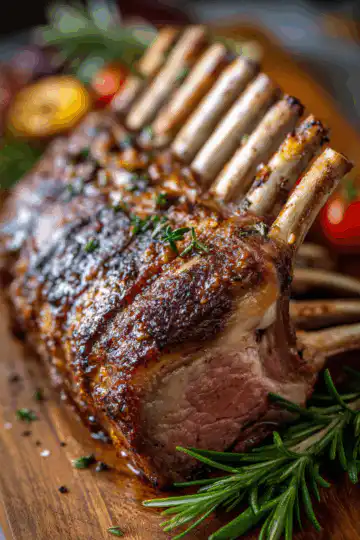
- Steak: The strong flavor of steak works well with the fresh taste of asparagus.
- Pork: Pork chops or tenderloin can be even tastier with a side of sautéed asparagus.
Vegetarian Pairings
For those who dont eat meat, you can try pairing sautéed asparagus with:
- Quinoa: This grain is filling and goes great with the light taste of asparagus.
- Lentils: Earthy lentils match nicely with the crisp texture of the vegetable.
- Other Vegetables: Mix sautéed asparagus with roasted bell peppers or zucchini for a colorful meal.
Wine Pairings
If you like wine with your meal, try these options:
- White Wines: Crisp whites like Sauvignon Blanc or Pinot Grigio are a good match.
- Light Reds: A light red, like Pinot Noir, also works well with the flavors in the dish.
Sautéed Asparagus Variations
There are lots of ways to switch up your sautéed asparagus recipe. Here are a few ideas to make the dish even more interesting.
Asian-inspired Sautéed Asparagus
To give it an Asian twist, try adding soy sauce, a bit of sesame oil, and some ginger. These changes bring extra flavor and a nice umami taste.
Mediterranean Sautéed Asparagus
You can also add olives, feta cheese, and fresh herbs like dill or oregano. This gives the dish a Mediterranean vibe that can remind you of sunnier places.
Seasonal Variations
Based on the season, mix in other veggies like cherry tomatoes in the summer or some butternut squash in the fall. These additions add texture and extra flavor to your dish.
Frequently Asked Questions (FAQs)
Can you sauté frozen asparagus?
Yes, but it can be a bit tricky. If you do, it is best to thaw the asparagus and drain out the extra water before you cook it. If you cook it straight from frozen, just expect a longer cooking time.
How do you keep asparagus from getting soggy when sautéed?
Don't overcook it! Use high heat and keep an eye on the time so it stays tender-crisp. Also, make sure you use enough oil and shake the pan regularly.
What can you add to sautéed asparagus for flavor?
You can boost the flavor by adding spices such as red pepper flakes, fresh herbs, or even sprinkling some parmesan cheese on top before serving.
How long does it take to sauté asparagus?
Usually, asparagus takes about 5-7 minutes to cook until it's tender-crisp. This can change a bit if your asparagus stalks are thick or thin.
Conclusion
Putting sautéed asparagus into your meals is a smart idea because it tastes good and is good for you too. This yummy vegetable can fit into lots of different meals, making it a great choice for anyone who cares about healthy eating and tasty food.
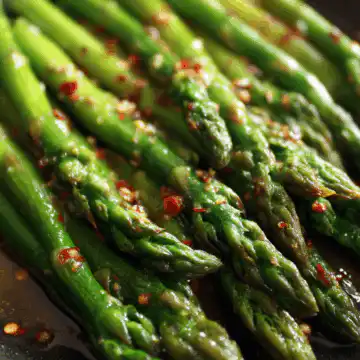
Sautéed Asparagus
Equipment
- 1 large skillet
- 1 tongs or spatula
- 1 cutting board
- 1 chef's knife
- 1 measuring spoons
Ingredients
- 1 pound fresh asparagus, trimmed
- 2 tablespoons olive oil
- 2 cloves garlic, minced
- 1 teaspoon salt
- ½ teaspoon black pepper
- as needed pieces lemon wedges, for serving (optional)
Instructions
- Rinse the asparagus under cold water and pat them dry with a paper towel. Trim the woody ends of the asparagus by snapping them off or using a knife.
- Heat a large skillet over medium-high heat and add the olive oil.
- Once the oil is hot, add the minced garlic to the skillet and sauté for about 30 seconds, until fragrant but not browned.
- Add the trimmed asparagus to the skillet and season with salt and pepper. Toss to coat the asparagus in the garlic and oil.
- Sauté the asparagus for about 5-7 minutes, turning occasionally, until they are bright green and tender-crisp.
- Remove the skillet from heat and serve immediately with lemon wedges, if desired.
- For added flavor, sprinkle some grated Parmesan cheese over the asparagus before serving.
- Adjust the cooking time if you prefer your asparagus more tender.