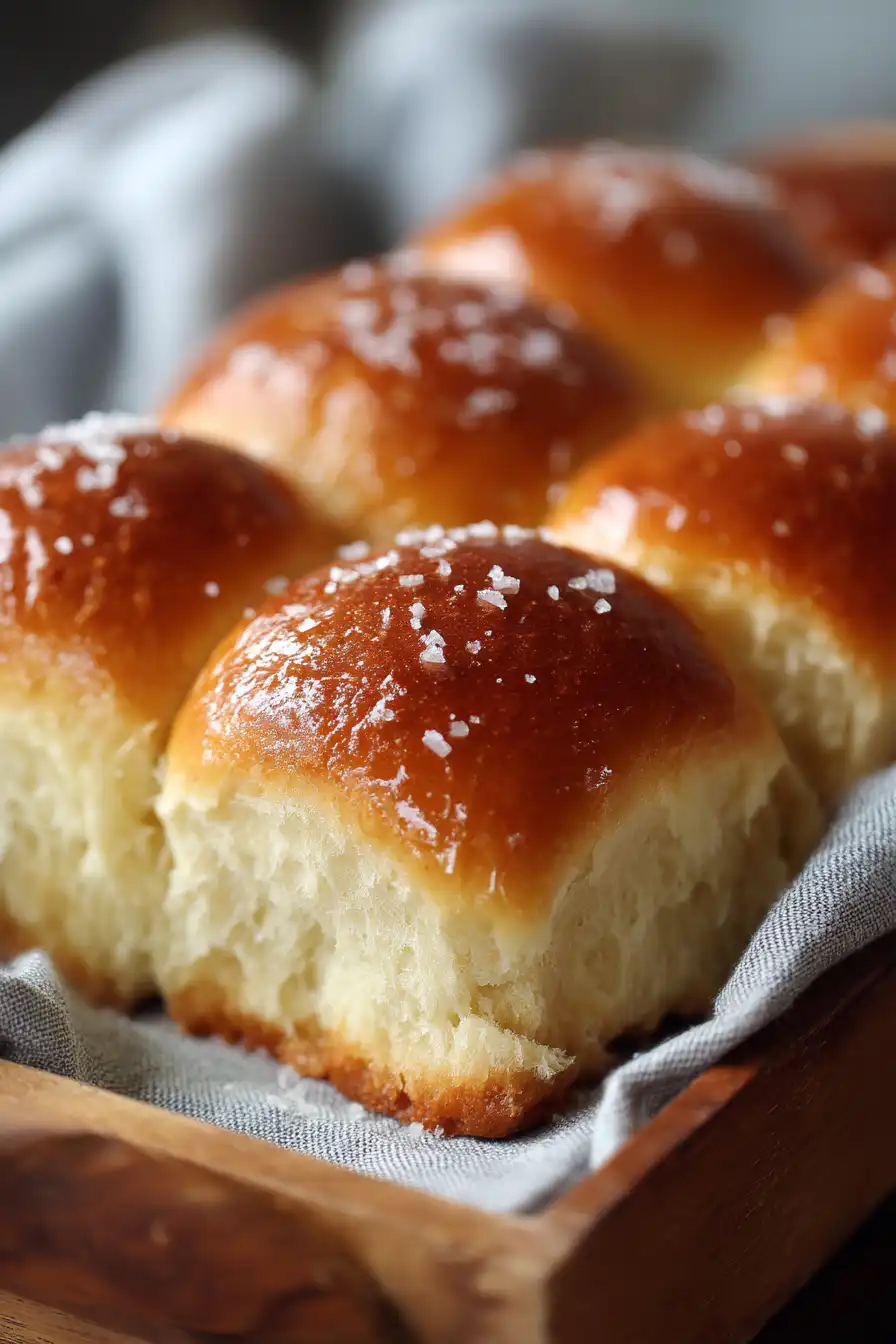
There's something kind of magical about fresh, homemade dinner rolls. When you bake your own, it feels way more special than buying them from the store. The smell of dough rising in the oven reminds you of family dinners and fun celebrations. Sometimes homemade rolls may not look perfect, but they taste real good, and you can always add your own twist.
Besides the warm, inviting smell and soft texture, making your own dinner rolls has lots of benefits. First off, they just taste so much better; homemade rolls are fresh and full of flavor that you just cant get from packaged ones. Also, when you bake from scratch, you get to choose your own ingredients, so you can make healthier rolls by cutting down on sugar or adding whole grains. Last, but not least, making your own rolls can be cheaper, giving you more bread for your money and enough to feed a crowd.
In the next sections, we dig deeper into dinner rolls, check out their history, learn about the science behind the baking process, and even share an easy recipe that almost always turns out great. So roll up your sleeves and get ready for a fun baking adventure!

1. Understanding Dinner Rolls
The journey of dinner rolls goes way back, with different cultures putting their own spin on this popular bread. The first dinner rolls came from ancient times when bread was a basic part of every meal. Over time, as cooking methods changed, rolls changed too. In the United States, rolls like the famous Parker House roll, first baked in the 1870s, became a hit at big family feasts. Similarly, sweet rolls popped up in many cultures as a yummy treat served with meals, showing how dinner rolls have grown and changed over time.
Today, dinner rolls come in lots of different styles, each with their own vibe. For example, the buttery and soft Parker House rolls are famous for their flaky, tender texture. Sweet rolls often mix in things like cinnamon and sugar, giving them a flavor that works for breakfast or dessert. Different cuisines also have their own versions; for instance, Italian focaccia is a type of flat, herb-flavored bread. The many types of dinner rolls show off regional tastes and prove that rolls are a must-have at meals all around the world.
2. The Science of Baking Dinner Rolls
Baking dinner rolls is more than just mixing stuff together; its like a mix of science and art. Knowing the main parts is key for getting that perfect roll. One of the main ingredients is yeast which acts as a leavening agent, turning sugars into carbon dioxide and alcohol via fermentation. This makes the dough rise and gives it that light, airy texture. Flour is like the backbone of the dough, giving it structure and elasticity so the rolls keep their shape. Plus, sugar not only makes the dough sweet, but it also feeds the yeast to help it work better.
Another important ingredient is salt, which helps strengthen the dough and control the yeast so that it rises evenly. The temperature of the water matters a lot too; it needs to be warm (around 110°F/43°C) so that the yeast gets activated without dying. The actual baking needs careful watching of both temperature and time. Usually, rolls are baked in a preheated oven at about 375°F (190°C) for 15 to 20 minutes. The heat causes the yeast to keep working a bit, making the rolls finish rising and get a golden-brown crust. Learning about these parts helps home bakers make tasty, fluffy dinner rolls while appreciating the smart science behind baking.
3. Easy Homemade Dinner Rolls Recipe
3.1 Ingredients
- 4 cups all-purpose flour
- 2 tablespoons granulated sugar
- 1 tablespoon instant yeast
- 1 teaspoon salt
- 1 ½ cups warm water (about 110°F/43°C)
- 4 tablespoons unsalted butter, melted
- Optional: additional butter for brushing
- Optional: herbs or seasonings for flavor
3.2 Directions
- Prepare the Dough
Mix all the dry ingredients in a bowl. Slowly pour in the warm water and melted butter while stirring. Mix until a kind of shaggy dough forms.
- Knead the Dough
Knead it by hand or use a stand mixer with a dough hook for about 8-10 minutes until it looks smooth.
- First Rise
Put the dough in a greased bowl, cover it with plastic wrap, and let it rise until its doubled in size (about 1-2 hours).
- Shape the Rolls
Punch down the dough, then split it into equal pieces and shape them into balls.
- Second Rise
Place the shaped rolls into a greased baking dish and cover them. Allow to rise for another 30-45 minutes.
- Bake
Preheat the oven to 375°F (190°C), brush the rolls with melted butter, then bake for 15-20 minutes.
- Cool and Serve
If you want, brush with more butter and let them cool a bit before serving.
3.3 Tips and Tricks for Perfect Dinner Rolls
- Make sure the water is the right temperature to wake up the yeast.
- Watch the rolls and take them out when they are a nice golden-brown color.
- Keep cooked rolls in an airtight container so they stay fresh. If you wanna reheat them, wrap them in foil.
4. Variations of Easy Homemade Dinner Rolls
4.1 Garlic Butter Rolls
You can add garlic and fresh herbs like rosemary or thyme to the melted butter before brushing it on the rolls. It gives them a yummy flavor that goes well with the soft bread.
4.2 Whole Wheat Rolls
If you swap the all-purpose flour with some whole wheat flour, you can get healthier rolls. They might need a bit more water since whole wheat flour soaks up more liquid. You may also have to adjust the sugar and yeast to keep them light.
4.3 Sweet Dinner Rolls
Add in some cinnamon, sugar, or even raisins into the dough for a sweeter taste that works great for breakfast or dessert. Topping them with a simple glaze made of powdered sugar and milk can make them extra special.
5. Healthier Alternatives to Traditional Rolls
5.1 Gluten-Free Dinner Rolls
If you dont eat gluten, you can use a gluten-free all-purpose flour blend. Adding xanthan gum helps give the dough some elasticity like normal rolls.
5.2 Low-Carb Options
To make rolls that are keto friendly, try using almond flour or coconut flour and adjust the wet ingredients. Adding things like egg and cream cheese can help keep the moisture and structure right.
6. Pairing Dinner Rolls with Meals
6.1 Best Dishes to Pair With Dinner Rolls
Dinner rolls work with tons of meals, like:
- Hearty soups, such as minestrone and chowders
- Salads, where they add a nice crunch and flavor
- Main dishes like roast chicken or pot roast
6.2 How to Use Leftover Rolls
Don't let your leftover rolls go to waste! You can turn them into croutons by cutting them up and toasting in the oven. Another cool idea is to make a bread pudding by soaking them in a custard mix and baking until set.
7. FAQs
7.1 What is the best flour for dinner rolls?
All-purpose flour is usually recommended for a balanced texture, but you can also try bread flour for a chewier bite because it has more gluten.
7.2 Can I freeze dinner rolls?
Yes, you can freeze dinner rolls. Its best to freeze them after baking; wrap them up tight and store in an airtight container. You can also freeze them before the second rise if you wanna bake them fresh later.
7.3 How can I make dough rise faster?
To speed up the rising process, put your dough in a warm, draft-free spot or use your oven on its lowest setting for a few minutes, then turn it off and pop the dough in.
7.4 Why are my dinner rolls dense?
If your rolls come out dense, it might be because you didnt knead enough, your yeast was old, or the ingredient amounts were off. Make sure to follow the recipe closely and use fresh ingredients.
7.5 Can I use active dry yeast instead of instant yeast?
Yes, you can use active dry yeast, but remember you have to activate it in warm water before adding it to the dough, unlike instant yeast which you can mix in directly.
Conclusion
Making your own dinner rolls is a really cool and satisfying experience. It fills your whole house with amazing smells and gives you the chance to share fresh bread with your loved ones. Experiment with different flavors and variations and soon you'll have the perfect roll that matches your taste and your health needs.
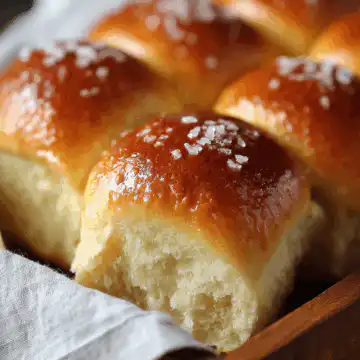
Easy Homemade Dinner Rolls
Equipment
- 1 large mixing bowl
- 1 measuring cups and spoons
- 1 whisk
- 1 wooden spoon or spatula
- 1 baking sheet
- 1 clean kitchen towel
- 1 oven
Ingredients
- 4 cups all-purpose flour
- 2 teaspoons instant yeast
- 2 tablespoons sugar
- 1 teaspoon salt
- 1 cup warm milk (110°F/45°C)
- ¼ cup melted butter
- 2 large eggs
Instructions
- In a large mixing bowl, combine the warm milk, sugar, and instant yeast. Let it sit for about 5 minutes until it's frothy.
- Add the melted butter and eggs into the yeast mixture, whisk until well combined.
- In another bowl, whisk together the flour and salt. Gradually add the flour mixture to the wet ingredients, stirring with a wooden spoon or spatula until the dough starts to come together.
- Transfer the dough onto a lightly floured surface. Knead the dough for about 5-7 minutes until it becomes smooth and elastic.
- Place the kneaded dough in a greased bowl and cover it with a clean kitchen towel. Allow it to rise in a warm place for about 1 hour, or until it has doubled in size.
- Preheat your oven to 375°F (190°C).
- Once the dough has risen, punch it down to release the air. Divide the dough into 12 equal pieces and shape each piece into a ball.
- Place the dough balls on a greased baking sheet, spacing them a little apart. Cover with the kitchen towel again and let them rise for another 30 minutes.
- Bake the rolls in the preheated oven for 20 minutes until golden brown.
- Remove from the oven and let them cool slightly before serving.