You catch the smell through the steam vent and suddenly you are starving. That sweet, rich scent of slowly cooked onions fills your kitchen and makes your stomach rumble before you even take a bite. It's kinda funny how something so simple can get you feeling that way, but dang it works real good.

As the float valve on your pressure cooker pops up, you remind yourself that this isn't just any pasta. Nope, it's pasta with caramelized onions, cooked perfectly with just the right broth depth so every bite tastes like a warm hug. You spot the golden-brown onions as you release the valve slowly, steam escaping like gentle whispers of deliciousness.
Once you open that sealing ring and peek inside, you recall the evening you spent stirring the onions till they were soft and caramelized, the kitchen smelling like a little Italian trattoria. You can't wait to dig in. This dish? It's gonna be a new fave, easy and comforting all at once.
The Real Reasons You Will Love This Method
- You get that deep caramelized flavor without standing over the stove forever.
- The pasta cooks right in the pot with the onions, so less cleanup and more yum.
- Using the pressure cooker means you save time, even with slow-release for the best texture.
- The float valve signals when it's time, so no guesswork getting the timing right.
- It's super easy to tweak - swap pasta types, add fresh herbs, or throw in some veggies.
What Goes Into the Pot Today
- 2 tablespoons olive oil
- 4 medium yellow onions halved and sliced
- ½ teaspoon salt plus more to taste
- 1 teaspoon granulated sugar (optional for quicker caramelizing)
- 12 ounces pasta of your choice
- ½ to 1 cup shredded parmesan or non-dairy alternative like Violife
- 2-3 tablespoons chopped fresh parsley
- Fresh ground black pepper
- A splash of vegetable broth to keep things just right
These ingredients come together beautifully in the pressure cooker. You remember putting the olive oil in first, heating it till it shined just the right way. The onions go in next, layered in, ready to slowly turn golden. A pinch of salt and that sugar if you wanna, helps coax more sweetness from the onions.
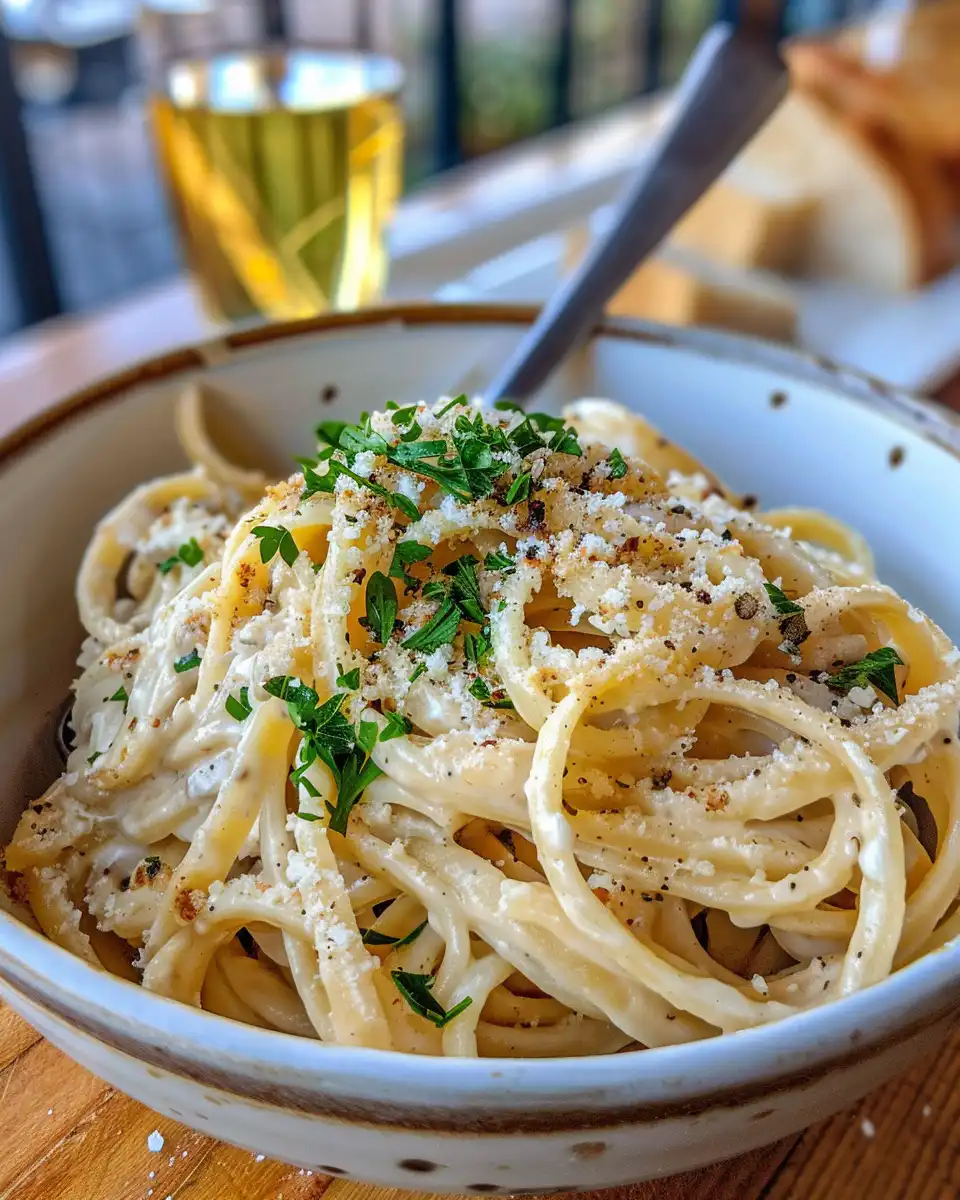
Pasta goes in when the onions are nearly there, matched with just enough broth so the pasta cooks perfect but doesn't get mushy. The parmesan melts last, making the whole thing creamy and cozy. Sprinkle fresh parsley to finish, with pepper ground fresh for that little kick.
How It All Comes Together Step by Step
- Start by heating olive oil in your pressure cooker's sauté mode. Once it's warm, toss in the sliced onions. Stir 'em so they get all coated and then spread them out.
- Let the onions cook, stirring every few minutes, till they turn a lovely golden-caramel color. This takes about 45 minutes to an hour with slow release, but dang it's so worth the wait.
- Add salt and sugar partway through to help those onions caramelize faster. Lower the heat if things start browning too quick and add a splash of water if they seem dry.
- Once the onions are looking rich and sweet, add your pasta on top evenly. Pour in the broth just enough to barely cover the pasta - you wanna trust that broth depth!
- Put the sealing ring on tight and set the valve to sealing. Pressure cook on high for about 6 minutes (depends on your pasta's package). Wait for the float valve to pop up.
- Use a quick release to let the steam out, but keep an eye so you don't burn yourself. Open the lid once safe.
- Stir the pasta and onions together gently. Toss in the parmesan cheese and stir until it melts into a creamy sauce that sticks to every noodle.
- Finish by sprinkling fresh parsley and a good crack of black pepper on top. Serve right away to enjoy the best flavor and texture.
Valve Hacks You Need to Know
- If you're in a rush, do a quick release right after cooking to save time, but watch out for splatter so you don't get burned.
- For deeper flavor, try a slow release for at least 10 minutes before quick releasing; it helps the pasta soak up more of that broth and onion goodness.
- Always check your pressure cooker's sealing ring and float valve before cooking - a clean ring seals better and keeps the steam in for perfect cooking every time.
When You Finally Get to Eat
That first bite hits you with sweetness from the caramelized onions, rich and mellow. The pasta feels silky with that melt-in-your-mouth parmesan coating every strand.
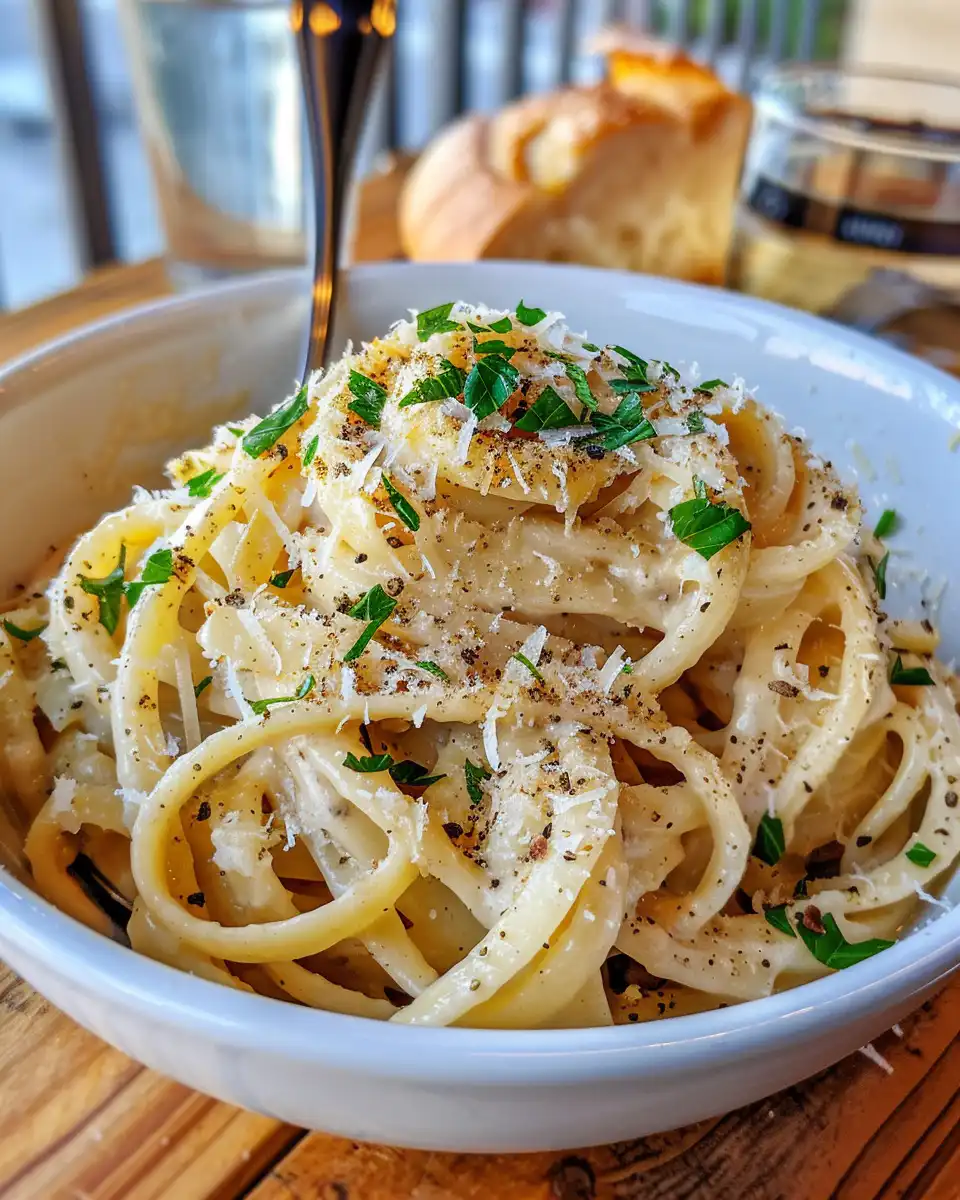
You notice the fresh parsley adds a nice herb-y brightness that cuts through the richness just right. It's comforting and a little fancy all rolled into one dish you whipped up pretty quick.
There's something about the way those onions cooked slowly and then got pressure cooked with pasta that makes every mouthful feel special, like you put in way more effort than you actually did.
You sit back knowing this is exactly the kinda dish you'll wanna make when you need cozy food that kinda impresses without fuss.
How to Store This for Later
- Use an airtight container to keep the pasta fresh in the fridge for up to 3 days. Just warm it up gently when you're ready.
- If you want to keep it longer, freeze portions in separate containers. Thaw in the fridge overnight before reheating.
- When reheating, add a splash of broth or water so the pasta doesn't dry out and stays creamy.
- Leftovers also reheat well in a skillet on low heat, stirring often, which brings back some of that fresh-cooked texture.
The FAQ Section You Actually Need
- Can I use gluten-free pasta with this recipe?
Absolutely! Just keep the cooking time in mind and adjust pressure time based on the pasta package instructions. See our gluten-free pasta guide for helpful tips. - What if I don't have Violife parmesan or similar?
You can totally skip the vegan cheese or use any shredded cheese you like. Coconut milk can work too if you want it creamy, but expect a different flavor. Try our vegan cheese alternatives article. - How do I know when the float valve means it's done cooking?
Once the float valve pops up, your cooker is pressurized and cooking. Follow your recipe's timing from there and then do a quick or slow release as needed. - Can I add veggies to this dish?
For sure! Frozen peas or spinach stir in well at the end or right before sealing the pot. It's super flexible. Check out our adding veggies to pasta post. - Is the slow release necessary?
Slow release helps keep the pasta texture perfect and lets flavors mingle better. But quick release works if you need to save time. - What if my onions aren't caramelized enough before pressure cooking?
You can still make it work but the flavor won't be as deep. If you got time, finish the onions longer next time for that rich taste.
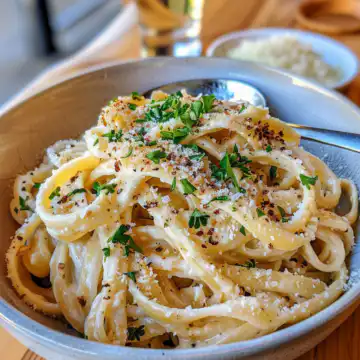
Caramelized Onion Pasta
Equipment
- 1 Pressure cooker with sauté mode
Ingredients
Main ingredients
- 2 tablespoons Olive oil
- 4 medium Yellow onions halved and sliced
- ½ teaspoon Salt plus more to taste
- 1 teaspoon Granulated sugar optional for quicker caramelizing
- 12 ounces Pasta of your choice
- ½ to 1 cup Shredded parmesan or non-dairy alternative like Violife
- 2-3 tablespoons Chopped fresh parsley
- Fresh ground black pepper
- Vegetable broth splash to keep things just right
Instructions
Instructions
- Start by heating olive oil in your pressure cooker‘s sauté mode. Once it's warm, toss in the sliced onions. Stir ‘em so they get all coated and then spread them out.
- Let the onions cook, stirring every few minutes, till they turn a lovely golden-caramel color. This takes about 45 minutes to an hour with slow release, but dang it’s so worth the wait.
- Add salt and sugar partway through to help those onions caramelize faster. Lower the heat if things start browning too quick and add a splash of water if they seem dry.
- Once the onions are looking rich and sweet, add your pasta on top evenly. Pour in the broth just enough to barely cover the pasta – you wanna trust that broth depth!
- Put the sealing ring on tight and set the valve to sealing. Pressure cook on high for about 6 minutes (depends on your pasta’s package). Wait for the float valve to pop up.
- Use a quick release to let the steam out, but keep an eye so you don’t burn yourself. Open the lid once safe.
- Stir the pasta and onions together gently. Toss in the parmesan cheese and stir until it melts into a creamy sauce that sticks to every noodle.
- Finish by sprinkling fresh parsley and a good crack of black pepper on top. Serve right away to enjoy the best flavor and texture.