Sautéed asparagus isnt just a side dish; its actually a bright and healthy pick that can make any meal a little bit extra. Its known for its unique green color and soft taste, and the veggie gives a crisp feel that works with lots of foods. You can eat it with grilled meats, toss it in a pasta dish, or serve it on a veggie platter. Its super versatile and cooks fast with only a few simple ingredients, which makes it great for cooking newbies and older cooks too. With a bit of practice, you can turn sautéed asparagus into a fancy dish that shows off the veggies natural look.
This seasonal treat not only tastes good but also does some good for your body. Asparagus is low in calories and full of nutrients, making it a smart choice for people who care about their health. It's loaded with vitamins like A, C, E, and K, which help with stuff like keeping your eyes and immune system in check. You also get folate, iron, and potassium from it, which are important for making sure your body runs right. Its fiber helps with your digestion and the antioxidants in it help fight inflammation, which might help you live longer too.
Using asparagus in your cooking not only makes your meals taste better but also fits with a way of eating fresh, local produce. Sautéing it is a fast and fun way to enjoy this nutritious veggie, perfect for hectic weeknights or even a fancy dinner with guests. Once you learn the basics for making good sautéed asparagus, you get to enjoy its special taste and all the health perks it has to offer.

Nutritional Benefits of Asparagus
Asparagus isnt only yummy but its also packed with a lot of good nutrients. This amazing green veggie is full of essential vitamins, making it a smart choice if you need a vitamin boost. Asparagus is a great source of vitamins A, C, E, and K. Vitamin A helps your vision and immune system, while vitamin C works as an antioxidant and helps make collagen for good skin. Vitamin E helps protect your cells, and vitamin K is important for blood clotting and strong bones.
Aside from the vitamins, asparagus also has minerals like folate, iron, and potassium. Folate is important for making new cells, especially for pregnant women. Iron helps form red blood cells so oxygen can move around your body, and potassium helps your heart and muscles work right. With all these vitamins and minerals together, asparagus really gives your body a big nutritional boost.
Antioxidant Properties
One really cool thing about asparagus is its high level of antioxidants that help fight off bad free radicals in the body. Free radicals are unstable molecules that can damage cells and might even lead to diseases and faster aging. The antioxidants in asparagus, like quercetin, kaempferol, and vitamin C, work together to block these harmful molecules. This helps lower inflammation and keeps your body healthier over time.
Putting asparagus in your meals can really help make your diet balanced. Its antioxidants not only keep your cells happy but also help your body fight off some illnesses. With such good health perks and its yummy taste, asparagus makes it easy to eat well without losing flavor. Whether you roast, steam, or sauté it, asparagus can quickly become a must-have in your diet.

Choosing the Right Asparagus
Picking fresh asparagus is super important to get the best taste and nutrition. When you are buying it, look at these key points that tell you the asparagus is good:
Freshness Indicators
- Color: Look for asparagus that is a bright, lively green. The tips should be tight together and firm, with no signs of wilting or browning.
- Stalks: Choose stalks that are firm and straight. Avoid ones that are too floppy or bendy, since that means they might be getting old.
Seasonal Considerations
Asparagus is usually in season during the spring. This makes it the best time to enjoy its soft flavor and tender texture. Eating it in season not only makes your meals better, but also helps local farmers and keeps things sustainable. Try checking out your local farmers' markets to find the freshest pick.
Organic vs. Conventional
When you decide what to buy, there are ups and downs to organic and conventional asparagus. Organic asparagus is grown without synthetic pesticides or fertilizers, which is good for people who worry about chemicals. But sometimes it costs more. So, you should think about what matters more to you: if you care about chemicals, then organic might be worth it, even if it isnt cheap.
Sautéing Techniques for Asparagus
Sautéing asparagus is a really simple way to cook it that makes any meal better. All you need is the right tools and to follow a few basic steps, and you'll have yummy asparagus every time.
Equipment Needed
- Skillet: A big skillet or sauté pan works best to cook evenly.
- Spatula: A good spatula helps stir and flip the asparagus without breaking it.
- Knife: You need this for trimming and cutting the asparagus.
Basic Sautéing Steps
Follow these simple steps to sauté your asparagus:
- Prep the Asparagus: Rinse the asparagus well. Trim off the woody ends (about an inch from the bottom) and if you want, cut them into pieces.
- Heat the Skillet: Put your skillet on medium-high heat and add a splash of olive oil or a little butter. Let the oil get hot but not so hot that it smokes.
- Add the Asparagus: Put the asparagus in the skillet in one layer. Cook for about 5-7 minutes and stir every now and then until they get bright green and are tender but still have a crunch.
- Seasoning: About a minute before you finish cooking, sprinkle on some salt and pepper and any extra stuff like garlic or lemon zest you like.
- Serving Suggestions: When done, put the asparagus on a dish. You can even add some grated Parmesan cheese, herbs, or spices to make it extra tasty.
Recipe: Perfect Sautéed Asparagus
Ingredients
- Fresh asparagus (about 1 pound)
- 2 tablespoons olive oil or butter
- Salt and pepper to taste
- Optional: 2 cloves garlic (minced), zest of 1 lemon, Parmesan cheese, fresh herbs (like parsley or thyme), or any spices you like.
Directions
- Prep the Asparagus: Rinse the asparagus under cold water to get rid of any dirt. Cut off the woody part at the end and chop them if you prefer.
- Heat the Skillet: Put your skillet on medium-high heat and add the olive oil or butter. Make sure the oil gets hot but doesnt start smoking.
- Add the Asparagus: Carefully lay the asparagus in the pan in one straight layer. Cook for about 5-7 minutes, stirring every so often until they are bright green and just tender with a bit of crunch left.
- Seasoning: Add salt, pepper, and any extra ingredients like minced garlic a little before you finish cooking, mixing them in well.
- Serving Suggestions: Once its done, move the asparagus to a serving bowl. If you want, sprinkle some extra lemon zest or Parmesan cheese on top and enjoy!
Tips for Variations and Enhancements
Don't be afraid to mix up your recipe by adding other spices. You can try red pepper flakes if you like heat, or even throw in some shrimp or chicken to make it a fuller meal. Experiment with different herbs like basil, dill, or tarragon too for new flavors.
Healthier Sides: What to Pair with Sautéed Asparagus
Complementary Sides
Sautéed asparagus goes well with lots of other things. It works great with:
- Grains: like quinoa, brown rice, or couscous
- Proteins: like grilled chicken, fish, or tofu
Wine Pairing
For those who love wine, asparagus can be a little tricky because of its strong flavor. But a crisp white wine like Sauvignon Blanc or a light Pinot Grigio works just fine, letting the asparagus shine without taking over.
FAQ Section
What is the best way to store asparagus?
The best way to store asparagus is to stand it up in a glass or jar with about an inch of water. Cover the tops with a plastic bag and keep it in the fridge for up to a week.
How long does sautéed asparagus last in the fridge?
Sautéed asparagus will stay good in the refrigerator for about 3 to 5 days if you put it in a container with a tight lid.
Can I use frozen asparagus instead?
Yeah, you can use frozen asparagus if you need to, but the texture might be different. Just cook it straight from frozen and give it a few extra minutes so it gets tender enough.
What are some variations of sautéed asparagus?
You can change up the sautéed asparagus by adding a bit of balsamic vinegar, a sprinkle of citrus zest, or even mix in some nuts like almonds or pine nuts for a crunchy feel.
Conclusion
Sautéed asparagus is a really fun way to enjoy this nutritious veggie. It adds a pop of color and a lot of health benefits to your meals. Now that you know some cool techniques and a simple recipe, go ahead and try making your own sautéed asparagus. You'll soon discover how this simple veggie can make a big difference in your cooking.
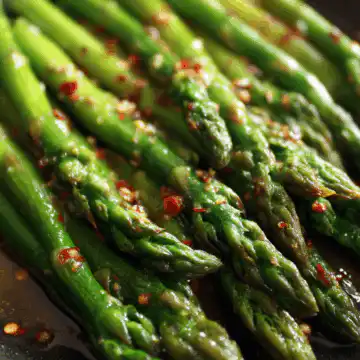
Sautéed Asparagus
Equipment
- 1 large skillet or frying pan
- 1 tongs or spatula
- 1 cutting board
- 1 measuring spoons
Ingredients
- 1 pound fresh asparagus, trimmed
- 2 tablespoons olive oil
- 3 cloves garlic, minced
- 1 teaspoon salt
- ½ teaspoon black pepper
- 1 tablespoon lemon juice
- to taste optional grated Parmesan cheese for serving Optional for extra flavor.
Instructions
- Begin by rinsing the asparagus under cold water. Snap off the tough ends by bending each spear until it breaks naturally. Discard the tough ends and set the asparagus aside.
- Heat the olive oil in a large skillet over medium heat.
- Add the minced garlic to the pan, sautéing for about 30 seconds until fragrant but not browned.
- Add the trimmed asparagus to the skillet. Season with salt and black pepper. Stir to coat the asparagus in the oil and garlic.
- Sauté the asparagus for about 5-7 minutes, turning occasionally with tongs or a spatula until they are bright green and tender-crisp.
- Remove from heat and drizzle with lemon juice. Toss to combine.
- Serve warm, optionally topped with grated Parmesan cheese for extra flavor.