Childhood ember memory
I remember when you and I used to sneak out to the backyard as the sky went soft orange. I would point to the little fire pit and whisper about live coal glowing like a sleepy dragon. You'd laugh as I traced the edges with a stick. That heat hit our cheeks and we both felt dang alive in that warm glow.
Back then I never thought I'd learn how those embers taught me about cooking. The smell of wood smoke twisted around my hair and stuck in my clothes all day. I urged you to close your eyes and catch that scent deep in your chest so you'd never lose it.
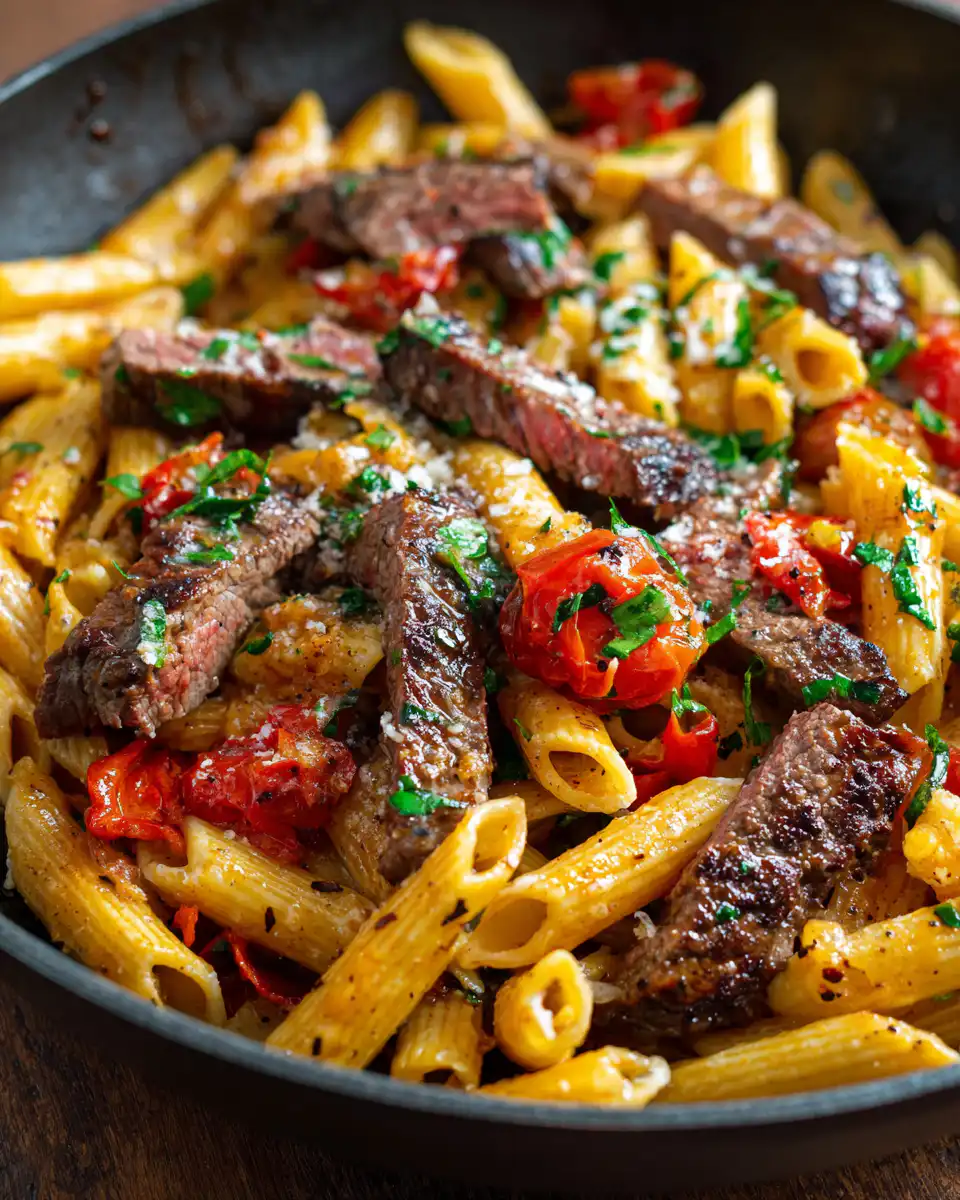
Now when I make ONE-POT ZESTY STEAK PASTA I see that ember stash in my mind. I drop in the sizzling steak and think of that ember bed pushing up heat. I want you to pause for a sec and feel that too as protein char starts to bloom right before you.
Fire craft plain words science
I got curious about why embers work so good with cooking. It's simple science you can almost taste. As the wood burns down it leaves behind hot bits called live coal. They glow red and hold onto that heat long enough to sear meat or toast grains just right.
You'll notice how the steak chunks hit the pot and start spitting. That's called the maillard reaction which is just a fancy name for browning. The sugars and proteins in the steak meet extreme heat and transform into pockets of savory goodness.
When you stir in pasta the starches kick out a creamier sauce. It all comes together in one pot with a bit of water or broth. The heat from that sear and sustained ember whisper from the live coal glow give every bite a little more oomph.
Dough knead ritual steps
First you dust a clean surface with a little flour and scoop out half a cup. I want you to feel the texture slip through your fingers. It nearly sings as you work it in circles.
Next you press down and fold the mixture four times. Your hands warm up the flour and it starts to hold together. You might feel tiny lumps but that is okay you will smooth them out soon.
After that you push with your heels and roll back with the palms. Keep your focus on the rhythm like a drum beat. You can talk to yourself or hum a tune to stay in time.
Then you turn the dough and repeat the fold press and roll cycle. It takes about ten minutes for dough bloom to happen. You'll know it is ready when the surface looks shiny and feels soft elastic under your touch.
Next you wrap it in a damp towel and let it rest. While it takes a break you can chop the steak and get your spices ready. Don't skip this you need that rest time for gluten to chill out.
Rising dough aroma scene
I sit back and breathe in the dough scent as it puffs under the towel. It smells like fresh rain on hay and hope all rolled into one. I want you to close your eyes and imagine that soft cloud sitting there for half an hour.
Every so often I peek over just to see it inch higher in the bowl. It slowly bulges like it's dreaming of being bread or some great dinner treat. You'll catch the faint yeast note that hums under the flour.
That rising dough is a small miracle I swear. I urge you to remember this aroma when you slice into warm crust and taste that simple beauty.
Flip and char checkpoints
Heat a heavy skillet until it breathes steam. Then you drop in the steak pieces in a single layer. Don't crowd the pan or they won't char like you want them to. Let them sit for about two minutes.
When you see deep brown edges creeping up flip each piece once. The second side needs just a little less time so they stay juicy. Watch for that rich sear you know from backyard cookouts.
Once the meat is done you pull it out and set aside. You should have plenty of fond stuck to the bottom of the pan. That mess is pure flavor just waiting to be tamed by a splash of broth.
Smoke kiss notes
Back in go the garlic and oregano. Stir them fast so they don't burn but still absorb that fond. You'll smell the sharp garlic soften under the smoke kiss from the pan's heat.
Pour in the broth and use a spoon to scrape every little brown speck. That smoky note slides right into the liquid and turns it into a rich pool of flavor. I want you to pause and taste a spoonful if you dare.
At this point add in the pasta and tomatoes. The tomatoes break down and puff up the sauce. That kiss of smoke in every scoop makes you nod and grin hmmm just right.
Shared platter touches
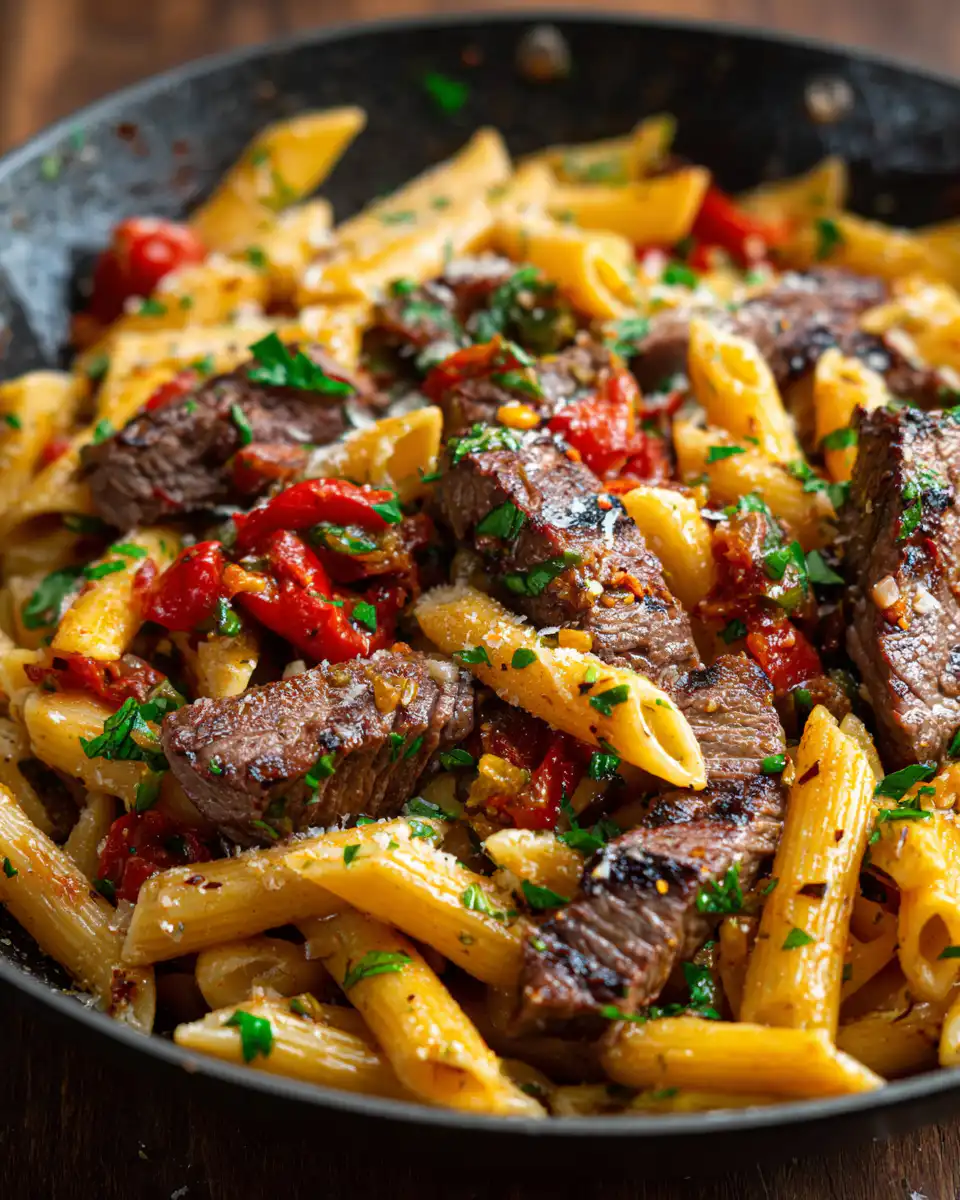
Once the pasta is tender you fold the steak back in. You see all those juices swirl with sauce and make each noodle glisten. You gotta use tongs for a quick toss you don't wanna tear the pasta.
Lift it onto a big platter and watch how the colors shine. The steak char looks almost like coals in a pit. The noodles twist around each chunk and catch little tomato glint.
You sprinkle fresh parsley or basil if you got it. That last green pop gives it a homegrown vibe. Pass it around and let each person snag a tangle for themselves.
Seasonal stuff twist
In summer you can swap cherry tomatoes for sweet corn kernels lightly charred first. That burst of crisp balances the tang from the broth. In fall you might add chopped roasted squash for a hint of sweet earth.
Winter calls for a handful of wilted greens stirred right before serving. It clings to the sauce like a cozy blanket. I remember one chilly night when I threw in kale and it was dang right perfect.
Spring invites fresh peas or asparagus tossed in the last minute. It brightens the whole dish. That's the beauty of ONE-POT ZESTY STEAK PASTA you can twist it to match anything growing in your yard.
Store reheat love guide
If you got leftovers toss them into an airtight container. Keep them in the fridge no longer than three days. I'd warn you that the noodles soak up sauce but it still tastes great.
To heat up grab a skillet and add a splash of water or broth. Warm it on medium low and stir often so nothing sticks. You want to coax back that saucy shine.
You can also microwave it but cover it loosely. A minute at a time should do. Stir between bursts so it warms evenly. I bet you'll notice that sear scent come right back.
For a quick meal I'll sometimes shred cold pasta and fold it into eggs for a breakfast scramble. Hey that might sound odd but trust me you taste leftover steak in every bite.
Family toast and FAQs
I raise a fork and invite everyone to clink glasses. You remind them how you learned this dish by a backyard ember teaching you about heat and care. We share what we're grateful for then dive in.
- How spicy is this recipe you ask It's mild but you can up the heat with extra flakes
- Can I use chicken instead of steak Sure just adjust sear time for thinner cuts
- Do I have to make dough You don't have to I just love that ritual but store bought bread works fine
- What if I run out of broth Water plus a bouillon cube gives a similar taste
- Can I freeze leftovers Yes but texture might change so eat sooner than later
- Is it okay to add dairy You bet stir in a spoonful of ricotta or cream cheese at end
So here we go with a toast to that glowing ember lesson in flavor. You take a bite and remember where you started and where you're headed. Cheers to simple heat and shared plates.
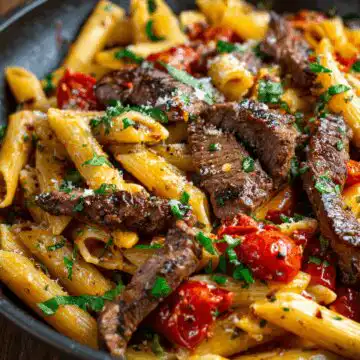
One-pot Zesty Steak Pasta
Equipment
- 1 Large pot or Dutch oven
- 1 Cutting board
- 1 Measuring cups and spoons
- 1 Wooden spoon or spatula
Ingredients
- 1 lb flank steak, sliced into thin strips
- 8 oz penne pasta
- 1 tablespoon olive oil
- 1 medium onion, chopped
- 3 cloves garlic, minced
- 1 bell pepper chopped (red or yellow)
- 1 can diced tomatoes, undrained 14.5 oz / 410 g
- 2 cups beef broth
- 1 teaspoon Italian seasoning
- 1 teaspoon red pepper flakes adjust to taste
- to taste salt and pepper
- for garnish fresh parsley, chopped optional
- for serving grated Parmesan cheese optional
Instructions
- Heat the olive oil in a large pot or Dutch oven over medium-high heat. Add the sliced flank steak and season with salt and pepper. Sear the steak for about 3-4 minutes until browned, then remove it from the pot and set aside.
- In the same pot, add the chopped onion, bell pepper, and minced garlic. Sauté for about 3-4 minutes until the vegetables are softened.
- Stir in the diced tomatoes (with their juice), beef broth, Italian seasoning, and red pepper flakes. Bring the mixture to a simmer.
- Add the penne pasta to the pot, stirring well to combine. Cook according to package instructions, stirring occasionally, for about 10-12 minutes, or until the pasta is al dente.
- Once the pasta is cooked, return the seared steak to the pot. Mix well and let it simmer for an additional 2-3 minutes until heated through.
- Taste and adjust the seasoning with salt and pepper, if necessary.
- Serve hot, garnished with fresh parsley and grated Parmesan cheese if desired.