
The trend of stovetop bread is really catching on with home cooks and people who love to bake. More and more folks are checking out how to make bread without having to use an oven. Using a stovetop to make bread is a cool and easy way to whip up yummy loaves without needing a full-blown oven. Some enthusiasts also explore making air fryer bread as another oven-free option.
Breads made without an oven have a lot of big advantages that work for both beginners and people with lots of baking experiance. They offer a fast and simple way to make bread, usually needing less equipment and time, so practically anyone can make fresh bread at home without much hassle.
Stovetop cooking has been around in different food traditions all over the world. It lets you get creative and try new things in the kitchen. This method uses the heat from a stovetop instead of an oven to make a crusty, tasty loaf directly. Not having to deal with oven preheats and tricky temperature settings is a huge plus, and it also gives the bread a unique texture and flavor. Whether you use a skillet, a pot, or a griddle, stovetop bread is an exciting way to get into baking while staying comfy and convenient.
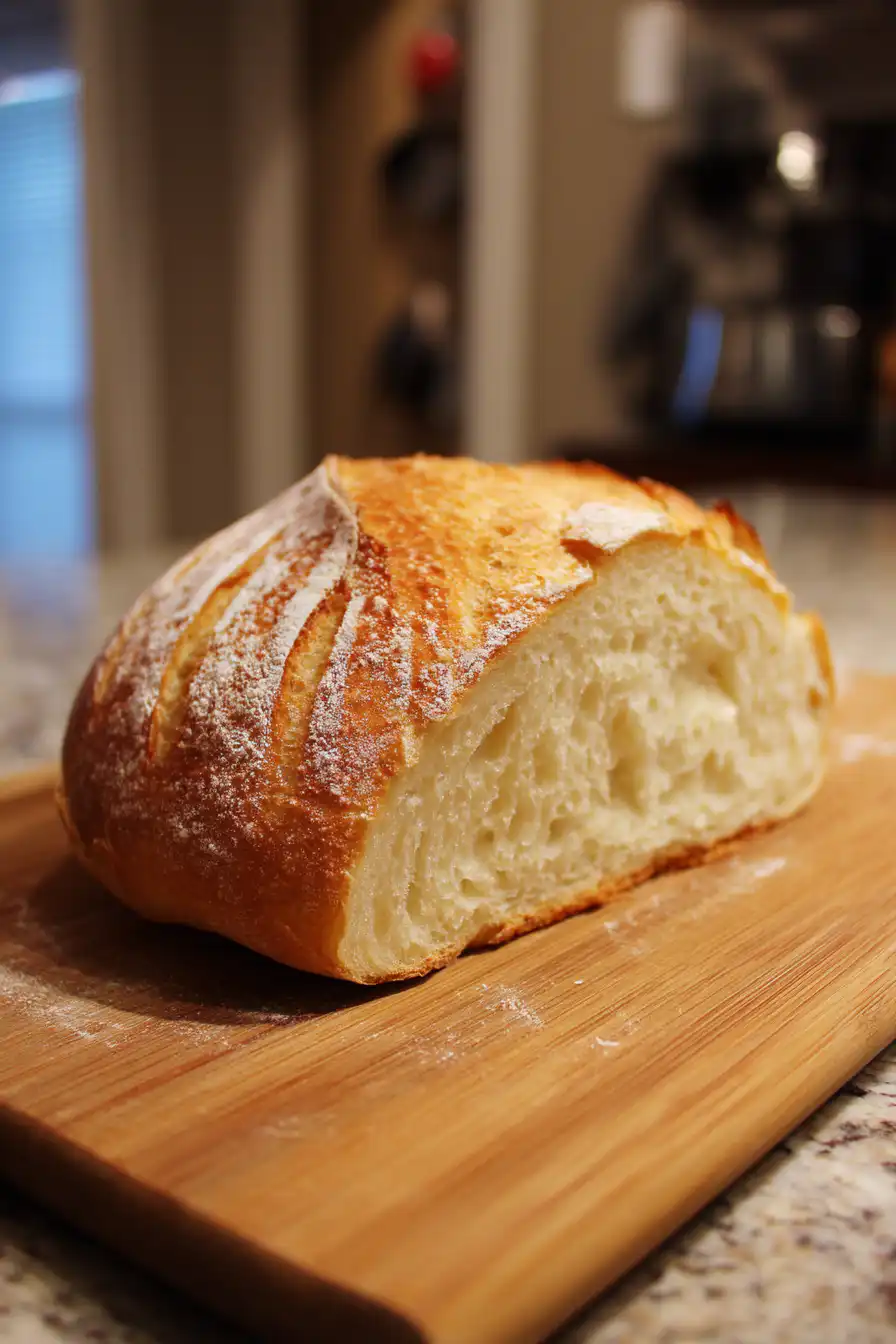
The Evolution of Bread Making
Bread has been a basic food for thousands of years, dating back to old civilizations. In the beginning, bread was made of just a few simple things like flour, water, and salt and was baked on hot rocks or in wood fired ovens. Over time, the ways of making bread changed a lot. New techniques came in that reflect different cultures (for example, sourdough French bread) and new technology. From using yeast to using other leavening methods and even machines to bake bread, the art has changed and kept growing as new ingredients and methods came along.
Lately, home baking has become super popular, especially during the pandemic when many people were staying home and looking for ways to relax. This trend has helped people rediscover old baking methods including a sourdough bread recipe and try out creative ones, like using a stovetop to bake bread. Alternative cooking methods lets home bakers play around with flavors and textures, making the whole process more accessible for the regular cook.
What is No-Oven Stovetop Bread?
No-oven stovetop bread is a special method that uses a pan or skillet on the stove instead of a classic oven. This way, bakers can make a really tasty, crusty loaf pretty easily by using direct heat. You can make stovetop bread with many kinds of ingredients like usual flours or even gluten-free ones and mix in different flavors to suit your taste.
Compared to using an oven, making bread on the stovetop is usually faster and less complicated. You dont have to preheat an oven or fiddle with a bunch of temperature settings, which makes it a good option for those times you want some bread fast. This method not only makes it easy to bake on a whim but also gives you a hands-on feel that makes cooking more fun.

Benefits of Stovetop Bread
Stovetop bread offers lots of advantages that make it a favorite for both beginners and expert bakers. One of the best parts is its convenience and accessibility. Since it cooks really quick, you can start baking anytime. Unlike traditional methods that need lots of prep and fancy equipment, stovetop bread lets anyone enjoy homemade bread without a lot of fuss.
This method is especially good for people who might not have a full kitchen or when it's too hot to use an oven. Also, versatility in recipes is a big plus. Stovetop bread can be made to fit different diets, like gluten-free or vegan choices. This makes it easier for home cooks to mix up the flavors and ingredients so that everyone is included.
Key Ingredients for Stovetop Bread
Making yummy stovetop bread calls for a few key ingredients, each of which helps with the taste and texture of the final loaf.
Flour Types
You can use different types of flour for stovetop bread. All-purpose flour is common because it works for a lot of recipes, while whole grain flour gives a thicker texture and extra nutrition. Bakers can even adapt their dough to make sourdough pizza dough for delicious stovetop pizzas. If you have dietary needs, gluten-free blends let you still enjoy this treat. Bakers can mix and match flour types to get the flavor and consistency they want.
Leavening Agents
Baking powder and yeast both work as leavening agents to help the bread rise. Baking powder is great for a quick rise, which is perfect for stovetop bread, while yeast gives the bread a classic flavor and texture. Knowing which to use and when can really boost your baking.
Flavor Enhancements
For extra flavor, you can add in herbs, spices, and other things such as cheese or seeds. These extras not only make the bread taste better, but also make it look more appetizing, turning every loaf into a fun centerpiece for your meal.
Stovetop Bread Recipe
Title: Basic Stovetop Bread Recipe
Ingredients
- 2 cups all-purpose flour
- 1 tablespoon baking powder
- 1 teaspoon salt
- 1 cup milk (or dairy-free alternative)
- 2 tablespoons olive oil or melted butter
Directions
- Prep the skillet: Grease a skillet or a non-stick pan lightly over medium heat.
- Mix dry ingredients: In a bowl, stir together the flour, baking powder, and salt until they are well mixed.
- Combine wet ingredients: In a different bowl, whisk the milk and olive oil (or melted butter) until they blend together.
- Make the dough: Slowly pour the wet mix into the dry ingredients and stir until a soft dough comes together.
- Shape the dough: Put the dough on a floured surface and knead it gently for about one minute, then shape it into a round loaf.
- Cook on stovetop: Put the loaf into the hot skillet, cover it with a lid, and cook for about 10-15 minutes. Check it every now and then until its golden brown.
- Cool and serve: Take the bread out of the pan, let it cool a bit, then slice it up and enjoy.
Tips for Success
- Watch the heat so you dont burn the bottom while the inside is still raw.
- Kneading the dough helps develop gluten, which makes the texture better.
- If you got leftovers, wrap the bread in a clean cloth and keep it in an airtight container.
Troubleshooting Common Issues
Dough Not Rising
If your dough is not rising like you want it too, check to make sure your leavening agents are fresh. For baking powder, make sure it isn't expired. You might also need to play around a bit with the heat so the dough gets a better rise.
Bread Too Dense
If your loaf comes out too dense, it might be because you kneaded it too much or used too much flour. For a lighter bread, measure carefully and don't overwork the dough. If needed, add a bit more liquid to get the right feel.
Creative Variations on Stovetop Bread
Herb and Cheese Stovetop Bread
To give your basic stovetop bread a yummy twist, stir in some herbs like rosemary or thyme along with shredded cheese. This mix gives a great aroma and taste, making a savory loaf that goes great with soups or salads.
Sweet Stovetop Bread
For a sweet version, try adding cinnamon and sugar to the dough along with dried fruits or chocolate chips. This sweet treat is a great breakfast or snack option that even those who love sweets will enjoy.
Serving Suggestions and Pairings
Stovetop bread works well with lots of dishes. You can serve it with hearty soups, stews, or salads to add a tasty side. The crusty outside and soft inside make it a flexible choice for many meals.
For an extra special touch, try different spreads or toppings. Flavored oils, herb butter, or even a tangy cream cheese can really make your bread shine and turn it into a treat.
Cleaning and Maintenance Tips for Cookware
To help your non-stick pans last longer, try not to use metal utensils that might scratch the surface. Instead, use silicone or wooden tools that are gentler on the pan.
When cleaning your stovetop baking tools, it's best to wash them by hand with a mild detergent instead of putting them in the dishwasher. This helps keep their finish and makes sure they work well for a long time.
Conclusion
Stovetop bread baking opens up a lot of fun ways for home cooks to get creative with bread-making. With just a few tools and some simple ingredients, making tasty, fresh bread at home has never been easier.
As you try out new recipes and add your own twists, dont be afraid to share what you learned along the way. Making stovetop bread isn't just about the final loaf-it's about enjoying every step of the fun baking journey.
FAQs
Can I make stovetop bread without a non-stick skillet?
Yes, even though a non-stick skillet is simpler for taking out the bread, you can also use a well-seasoned cast-iron skillet or a regular one. Just be sure to grease it well so the bread wont stick.
How do I know when my stovetop bread is done?
You can tell its done by tapping the bottom of the bread. If it sounds hollow, it is most likely done. You may also use a toothpick; if it comes out clean, then it should be ready.
Can I freeze stovetop bread?
Totally! After the bread has cooled completely, wrap it up tight in plastic wrap or foil and store it in an airtight container. It can be kept frozen for up to three months.
What can I do with leftover bread?
You can turn leftover stovetop bread into croutons, bread pudding, or simply toast it and spread your favourite toppings on it. It also works great with soups and salads.
Is stovetop bread healthier than oven-baked bread?
The healthiness mostly depends on what ingredients you use, not really the method. Both stovetop and oven-baked breads can be healthy if you use good ingredients.
No-Oven Stovetop Bread
Equipment
- 1 mixing bowl
- 1 spoon or spatula
- 1 non-stick skillet or frying pan with a lid
- 1 measuring cups and spoons
- 1 rolling pin (optional)
- 1 cooking brush (optional)
Ingredients
- 2 cups all-purpose flour
- 1 tablespoon baking powder
- 1 teaspoon salt
- 1 tablespoon sugar
- ¾ cup milk or water
- 2 tablespoons olive oil or melted butter
Instructions
- In a mixing bowl, combine the all-purpose flour, baking powder, salt, and sugar. Whisk the dry ingredients together until well mixed.
- Add the milk (or water) and olive oil (or melted butter) to the dry ingredients. Stir until a dough forms. It should be soft but not too sticky.
- Turn the dough onto a floured surface and knead gently for about 1-2 minutes, just until smooth. If desired, you can roll the dough out to your preferred thickness.
- Divide the dough into four equal portions and shape each portion into a round or flatbread shape.
- Heat a non-stick skillet or frying pan over medium heat. If using, brush the skillet with a little olive oil or melted butter to prevent sticking.
- Place one piece of dough in the heated skillet. Cover it with a lid and cook for about 6-8 minutes, or until the bottom is golden brown and the top starts to bubble.
- Flip the bread and cook for an additional 6-8 minutes with the lid on until the other side is golden brown.
- Repeat with the remaining dough portions, adjusting cooking time if needed for each piece.
- Once cooked, remove the breads and let them cool slightly on a wire rack or plate.
- Customize your No-Oven Stovetop Bread by adding herbs, spices, or cheese to the dough for added flavor, if desired.