Easter eggs have always been a big part of our Easter celebrations. They symbolize new life, rebirth, and the start of spring. Their bright colors and detailed designs make them more than just regular decorations; they also mean a lot when it comes to family traditions and cultural practices. For many years, people have enjoyed decorating eggs in many different ways-from the fancy Pysanky techniques in Eastern Europe to the fun, creative designs we see in the West today. Over time, the style of egg decorating has changed, mixing old traditions with new looks while still keeping their original meaning.
In the last few years, a cool trend called "Easter aesthetic eggs" has popped up. This trend takes old methods of decorating eggs and mixes them up with modern art. The focus is on making eggs look super eye-catching and perfect for posting on social media. Because of Instagram and other sites, lots of people now share their unique egg designs, swapping ideas and even competing over who can make the most creative eggs. With this new style, you get designs that go past the usual pastel colors and simple patterns, creating really neat pieces of art.
This article is gonna take a look at the world of Easter aesthetic eggs, explaining what they mean, how the decorating styles have changed, and which trends are hot today. Whether you're really good at decorating eggs or just starting out, come along and check out the art of making awesome Easter eggs that not only add to your holiday fun but also let you show off your own style and creativity.
Understanding Easter Aesthetic Eggs
What are Easter Aesthetic Eggs?
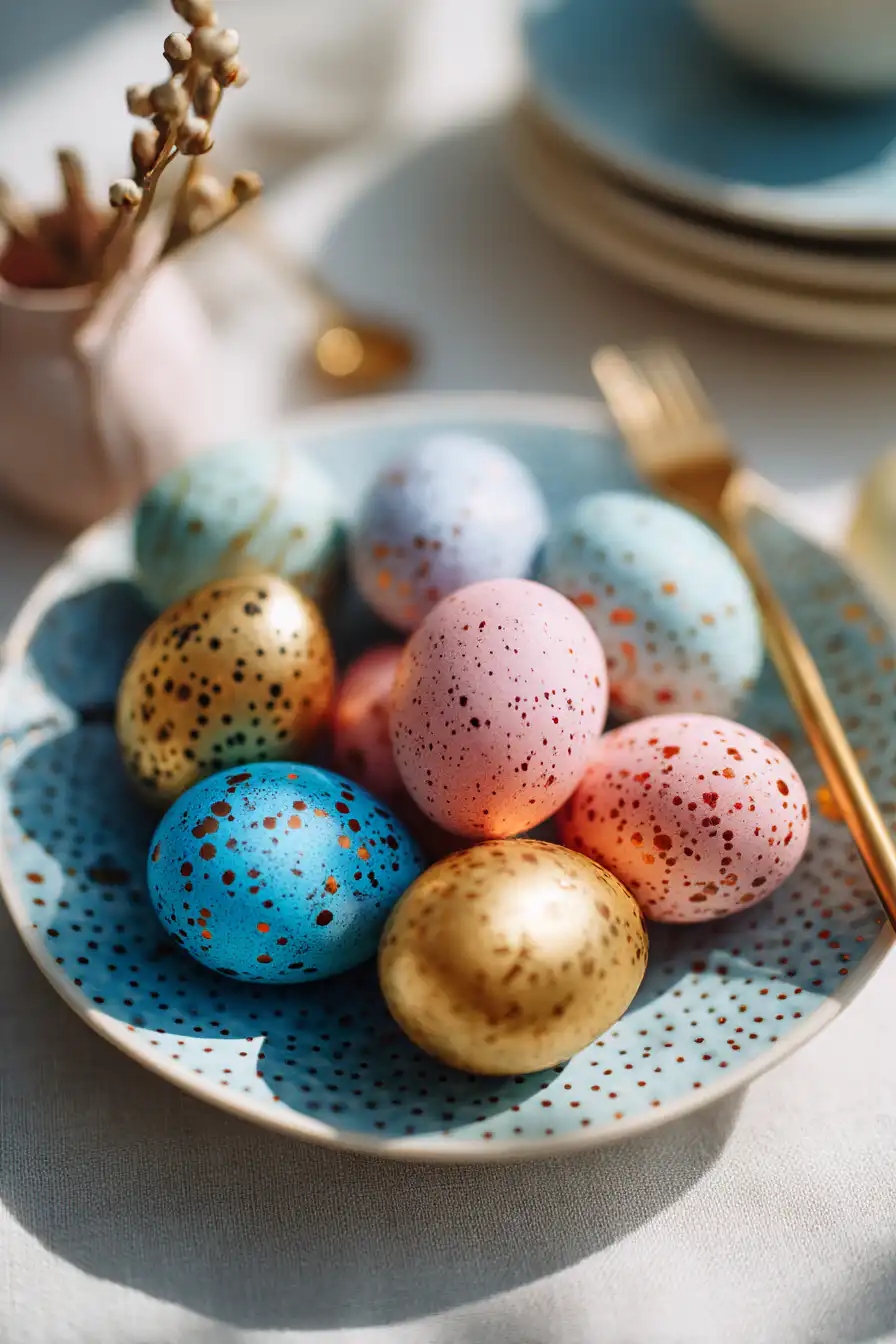
Easter aesthetic eggs mix old school egg decorating with a dose of modern art. The word "aesthetic" means things that look really good and creative, with cool patterns and bright colors. In our digital world, these eggs have become really popular on sites like Instagram and Pinterest where people show off their designs and clever decoration methods. Because people want their egg displays to look amazing, decorating eggs has turned into a fun art project that celebrates being creative and unique.
The Evolution of Easter Egg Decoration
In the past, people used traditional ways to decorate eggs, like dyeing them with natural stuff or using wax to make cool designs. But now, with the new aesthetic trend, there are lots of fresh styles, materials, and methods that add a modern twist to these old customs. Social media is a huge part of this change, since it shows trending designs that motivate egg decorators to be bolder and try new ideas. So now, we see a blend of classic methods and modern trends, as people keep their cultural roots alive while trying out innovative techniques.
Popular Aesthetic Trends for Easter Eggs
Natural and Pastel Colors
Color is super important during Easter. Usually, soft pastel shades remind us of spring, renewal, and that fun Easter vibe. These days, many folks are turning to natural dyes - using fruits, veggies, and spices - to get bright and eco-friendly colors. Some favorites are beet juice for pinks, turmeric for yellows, and red cabbage for blues and greens. Using these natural sources not only makes your eggs look awesome but also helps you be kind to the environment.
Floral and Botanical Designs
Getting ideas from nature is a really cool way to make your eggs look beautiful. Floral and botanical designs can change a plain egg into a little work of art. You can paint, use decoupage, or even add pressed flowers to get amazing plant patterns. Whether you go with soft, delicate blooms or bold, bright flowers, mixing nature into your egg designs adds a touch of elegance perfect for spring.
Minimalist Egg Designs
Sometimes simple is better. Minimalist egg decorating is all about clean and modern looks that surprise you with how cool they can be. With basic patterns and a small color range, the egg's own beauty really comes out. Think about using basic shapes, simple line drawings, or even a single color theme that feels right for today's style. This idea shows that sometimes less is actually more, letting the egg be the star of the show.
Digital and Graphic Designs
These days, technology even gets into egg decorating. Using printers and design software, people can make super detailed and exact patterns that might be a bit tricky to do by hand. While this method lets you repeat designs and use bold graphics, some might say it makes the eggs feel less personal. A good mix of digital and old hand techniques can lead to really innovative designs that show off your art skills and modern style.
How to Create Aesthetic Easter Eggs
Materials Needed
- Eggs (real or faux)
- Dyes and paints
- Brushes, tape, and stencils
- Decorating tools (like glue, glitter, etc.)
Step-by-Step Instructions
- Preparing the Eggs
- Choosing Your Color Palette
- Decorating Techniques
- Finishing Touches
First thing, decide if youre gonna use real eggs or fake ones. If you choose real eggs, you can either boil them until they are hard or carefully blow them out to make a hollow shell. If you pick faux eggs, you can paint them straight away. Just make sure whichever egg you use is clean and dry before you start decorating.
Pick a set of colors that work well together. Think about using pastels, bold colors, or earthy tones to get a look that feels right for spring.
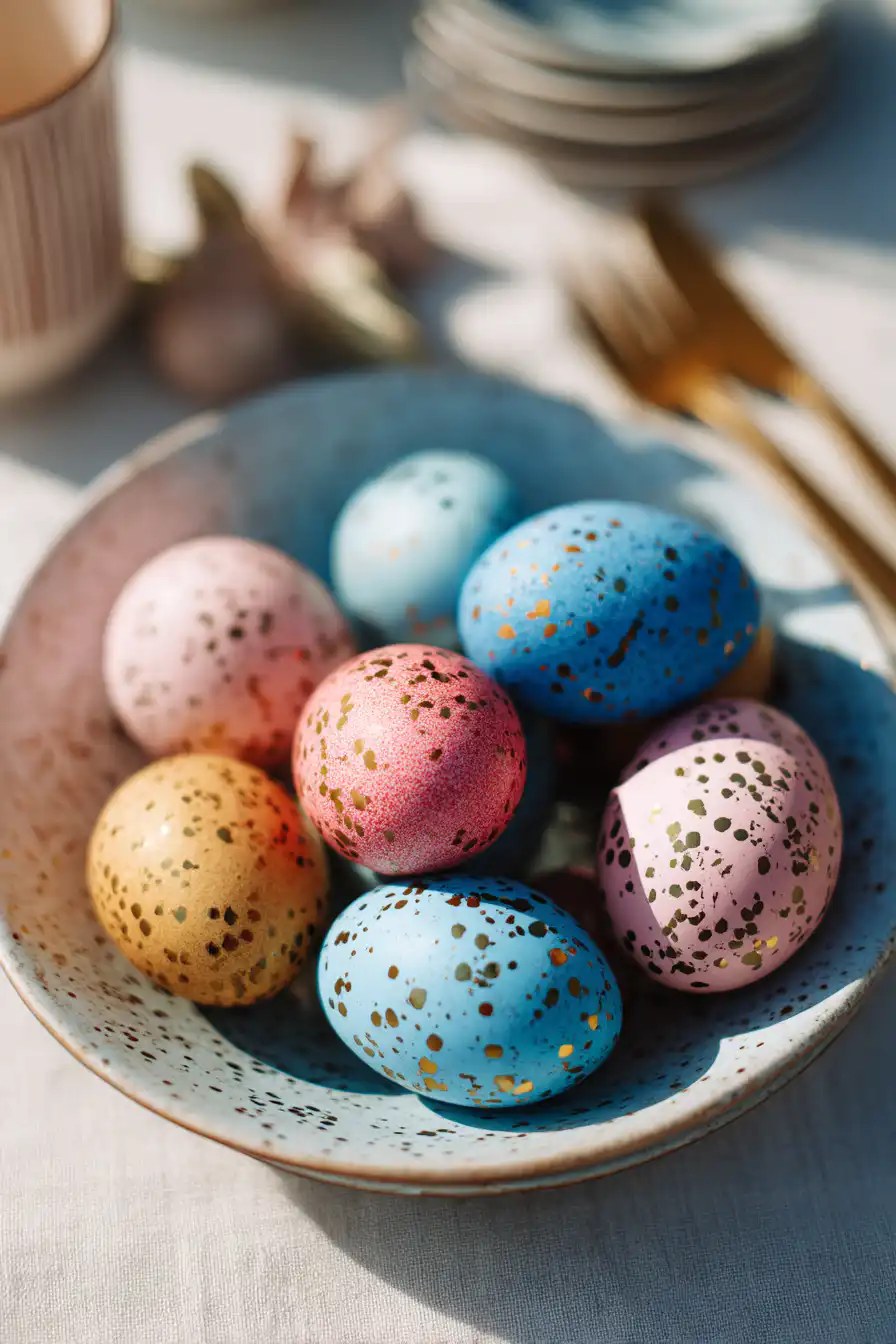
There are many ways to decorate your eggs: painting with brushes or sponges gives different textures, natural dyes can create one-of-a-kind colors, and stickers or stencils can add clear, sharp patterns. Also try using washi tape to see what cool designs you can come up with.
Once you're finished decorating, you can seal your work with lacquer or varnish to give it extra shine and make it last longer. You might also add things like ribbons or twine to give your egg some extra flair.
Eco-Friendly Decorating Tips
- Use eco-friendly materials, like natural dyes from plants or fruits.
- Try using faux eggs that you can reuse every year to help reduce waste.
Easter Aesthetic Egg Recipes
Recipe for Decorated Easter Egg Cookies
Ingredients:
- 2 cups of flour
- 1 cup of sugar
- ½ cup of butter
- 1 egg
- 1 teaspoon baking powder
- 1 teaspoon vanilla extract
- Royal icing for decoration
- Food coloring (various pastel shades)
Directions:
- Preheat your oven to 350°F (175°C).
- Mix together the flour, baking powder, and sugar in a bowl.
- In another bowl, beat the butter and sugar until it gets light and fluffy.
- Mix in the egg and vanilla, making sure its all combined.
- Slowly add the dry ingredients to the wet stuff until a dough forms.
- Roll out the dough and cut out shapes like eggs.
- Bake for about 8-10 minutes until they are a light golden color.
- Let them cool off before you start decorating with royal icing and food colors.
Tips for Decorating Cookies
- Add food coloring to the royal icing to create awesome pastel colors.
- Think about using themes like floral designs, geometric patterns, or fun festive symbols when you decorate.
- Try layering different colors and patterns to make your cookies look extra cool.
Cultural Variations in Easter Egg Decoration
Eastern European Egg Decorating Techniques
In Eastern Europe, decorating eggs is a long-held tradition, especially with the art of Pysanky, or Ukrainian decorative eggs. They use a wax-resist method where designs are drawn on the egg with beeswax before dyeing. Every color used usually has a different meaning, and the detailed patterns hold deep cultural importance. This mix of art and tradition makes these eggs way more than just decorations.
Western Easter Traditions
In North America and many Western countries, Easter egg decorating has become more modern and sometimes commercial. Some popular ideas include dyeing eggs with kits, creating big pastel displays, and the classic egg hunt. Even pop culture influences the designs, with characters and themes from movies adding a fun twist to the eggs.
Displaying Your Easter Aesthetic Eggs
Creative Display Ideas
Showing off your decorated Easter eggs can really make your holiday setup stand out. You might put your eggs in a pretty basket as a centerpiece on your table, or hang them with strings or ribbons to create a cool floating effect around your room.
Tips for Making Your Display Instagram-Worthy
When taking photos of your eggs, think about using natural light because it makes the colors pop and shows off all the details. Also, try different angles to add some depth to your pictures, and arrange the eggs in neat patterns so they look perfect for sharing online.
FAQs
What types of eggs are best for decoration?
Faux eggs are really good for decorating since they can be used year after year. But if you prefer real eggs, they work too if you handle them carefully.
How long do decorated eggs last?
Real decorated eggs, if not refrigerated, will last about 1-2 weeks. Faux eggs, on the other hand, can last forever.
Can I eat decorated eggs?
If you are decorating real eggs, it's best not to eat them if you used non-food-safe materials. Always be sure to use food safe products if you want to eat the eggs.
What are some eco-friendly alternatives for egg dyes?
You can use natural dyes made from veggies like beets, spinach, and red cabbage. These are safe for the environment and make really pretty colors.
How can children participate in egg decorating for Easter?
Kids can join in the fun by using non-toxic, safe dyes and decorations that are right for their age. This lets them be creative and enjoy the family traditions at the same time.
Conclusion
While we enjoy all the fun and traditions of Easter eggs, its cool to see how creative the decorating process can be. Whether you're using old traditional methods or trying out new modern trends, decorating Easter eggs is a way to show off your style and spread holiday cheer. So get creative, share your awesome designs on social media, and invite others to join in on this fun, artistic journey!

easter aesthetic eggs
Equipment
- 1 saucepan
- 1 strainer
- 3 mixing bowls
- 1 whisk
- 1 spoons
- 1 paper towels
- 1 rubber gloves (optional)
- 12 egg cups or holders
Ingredients
- 12 large eggs
- 4 cups water
- 1 cup white vinegar
- 1 tablespoon vegetable oil
- 1 cup chopped beets for pink
- 1 cup chopped spinach for green
- 1 cup red cabbage for blue
- 3 tablespoons turmeric for yellow
Instructions
- Place the eggs in a saucepan, cover them with water, and bring to a boil. Once boiling, cover the pot, remove from heat, and let the eggs sit for about 10-12 minutes. After cooking, transfer the eggs to an ice bath to cool completely.
- Prepare the natural dyes. For pink, boil the chopped beets in 2 cups of water for 30 minutes, strain, and add ¼ cup of vinegar. For green, boil the chopped spinach in 2 cups of water for 30 minutes, strain, and add ¼ cup of vinegar. For blue, boil the red cabbage in 2 cups of water for 30 minutes, strain, and add ¼ cup of vinegar. For yellow, dissolve turmeric in 2 cups of hot water and stir in ¼ cup vinegar.
- Submerge the cooled eggs in the prepared dye baths. For pastel colors, let them sit for about 10-15 minutes. For more vibrant colors, leave them in for 30 minutes or longer. Remove the eggs and allow them to dry on paper towels.
- Once the eggs are dry, use stickers, washi tape, paint pens, or edible glitter to decorate them as you wish. Get creative with designs to enhance the aesthetic appeal!
- Place the decorated eggs in egg cups or holders and arrange them on a platter for an eye-catching centerpiece.