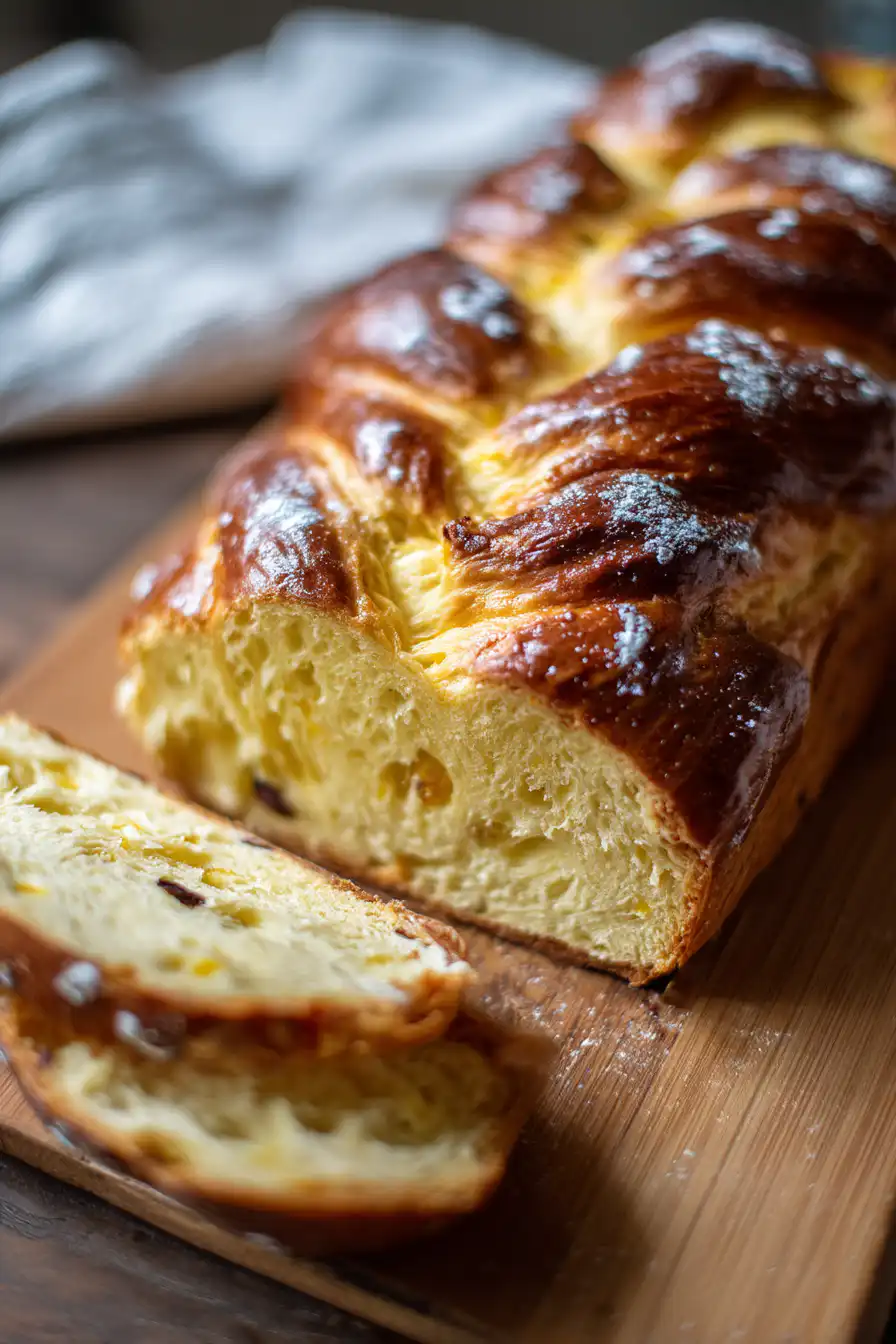
Italian Easter bread is a very cherished tradition in Italy where families get together to celebrate Easter. This bread is not only tasty with a fluffy texture and a bit of sweetness, but it also means rebirth and the start of spring. The bread is usually decorated with vibrant dyed eggs which add even more meaning to the celebration. It brings family and friends together in a very special way.
All over Italy, you will find different kinds of Easter bread that reflect the local customs and ingredients. In the north, people might make a dove-shaped bread called the Colomba Pasquale, loaded with candied fruits and almonds. Down in the south, breads like Pane di Pasqua are made with anise flavors and some decorative toppings. Every version has its own unique story that ties the present to the past through shared recipes and traditions.
Basically, Italian Easter bread is a key part of Easter celebrations. It takes center stage in many festive meals and rituals. Whether its fresh out of the oven or part of a long-standing family tradition, making and sharing this special bread not only fills you up but also brings people closer together. When families gather to bake, decorate, and share this bread, they are also passing along a piece of their heritage, community, and all the happiness of the season.
History of Italian Easter Bread
Italian Easter bread started a long time ago with ancient customs and celebrations. It symbolizes the start of spring and the idea of new life. Many families would make this special bread at home during Easter as a way to celebrate the end of Lent and the new life that Easter brings.
The traditional uses of this bread often go hand in hand with religious rituals. Priests would bless it and then it would be shared among families and communities. The rich taste and pretty decorations show the abundance and joy of the season. Every region in Italy has its own twist, and each version helps to build the story of this beautiful bread.
In northern Italy, you might find a lighter bread that stresses sweet flavors, while in the south, the bread is usually heavier with more spices and local flavors. Over time, the recipe has changed as different cultures and families added their own touches. As this tradition keeps getting passed down, each batch of Italian Easter bread connects families to their ancestors.
Variations of Italian Easter Bread
The best thing about Italian Easter bread is how it varies from place to place, reflecting local customs and tastes. Up in northern Italy, for example, you can find the Colomba Pasquale, a dove-shaped bread that usually comes loaded with candied fruits and slivered almonds, symbolizing peace and new beginnings. Its light and airy texture with a sweet smell makes it a real treat.
On the other hand, southern Italy is known for breads like Pane di Pasqua. These are usually richer and denser, flavored with anise and decorated in a special way that shows the sunny, vibrant tastes of the area. Some families also do variations where the bread is sweet with dried fruits and nuts, or savory with herbs and cheese.
Even in other countries like the United States, Italian immigrants have put their own spin on these recipes. They use local ingredients and flavors while still keeping the heart of the tradition. This blending of customs makes Italian Easter bread a dish that goes beyond just Italy, uniting people across generations and borders.
Variations of Italian Easter Bread
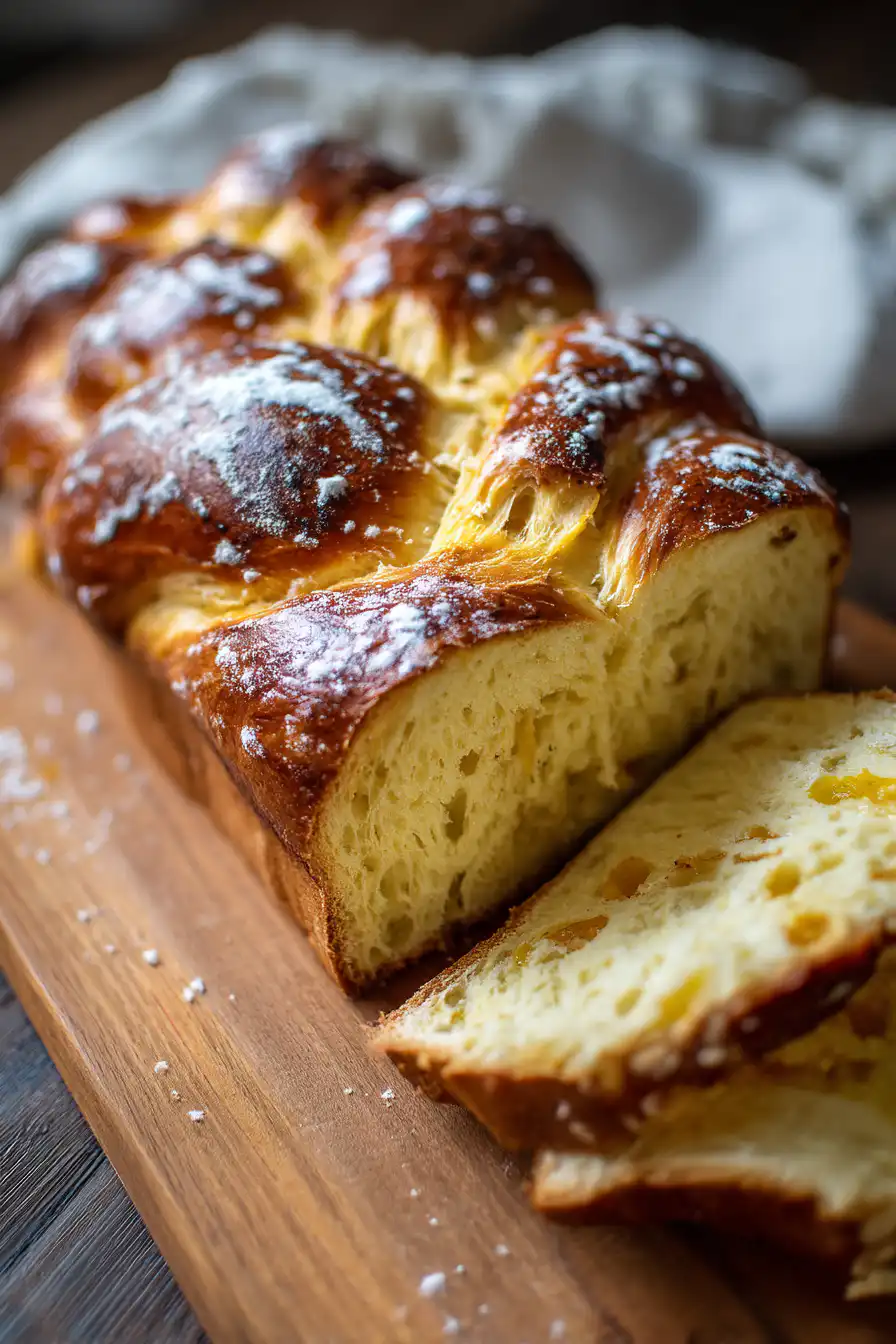
The best thing about Italian Easter bread is how it comes in many regional styles. Each one shows the local customs and unique flavors of different parts of Italy. In northern Italy, you might see the Colomba Pasquale which is a dove-shaped bread loaded with candied fruits and topped with slivered almonds. It has a really light, fluffy feel and a sweet aroma that makes it extra special.
In southern Italy, breads like Pane di Pasqua are more common. They often have anise for flavor and are decorated in very fancy ways. This version is usually denser and richer, using the best ingredients from the sunny south. Some families even mix it up by adding dried fruits, nuts, or even herbs and cheese for a savory twist.
Different cultures have helped change the recipes too. Italian immigrants in the United States, for example, have added new local ingredients to their recipes, making it a mix of traditions. This makes the history and evolution of Italian Easter bread even more interesting and meaningful.
Ingredients in Italian Easter Bread
The base of Italian Easter bread is made up of a few key ingredients that give it its special flavor and texture. The main one is flour, which gives the bread its structure. Most recipes use all-purpose flour, but sometimes bread flour is used for a slightly chewier feel.
Sugar is added to make the bread sweeter and to help form a lovely golden crust. Eggs play an important role too, adding moisture, color, and a bit of richness to the dough. Milk helps boost the flavor and the texture while butter adds an extra rich taste.
Yeast is what makes the dough rise, giving the bread its light and airy look. Then, flavoring agents like anise, orange zest, and lemon zest can be mixed in to bring in some fragrant notes that many regions enjoy.
Decorations such as colored eggs, sprinkles, and even a sugar glaze are often added not just for the look but also to add a layer of meaning. These colorful bits bring a more festive vibe to the bread, making it even more fun for Easter.
While these main ingredients make up the classic Italian Easter bread, local variations might include substitutions or extras that show off their unique culinary traditions. This makes the bread a timeless treat that can be adapted and loved by every generation.
Making Italian Easter Bread: A Step-by-Step Guide
Ingredients List:
- 4 cups all-purpose flour
- 1 cup milk (warm)
- ½ cup sugar
- ½ cup unsalted butter (softened)
- 4 large eggs (plus 1 for brushing)
- 2¼ teaspoon active dry yeast (1 packet)
- 1 teaspoon salt
- 1 teaspoon anise extract (optional)
- Colored eggs (optional, for decoration)
- Sprinkles (optional, for garnish)
Directions:
- Prepare the Yeast Mixture: In a small bowl, mix warm milk with the yeast. Let it sit for about 5-10 minutes until it gets frothy. This makes sure the yeast is ready to work.
- Mix the Dough: In a big bowl, combine the flour, sugar, salt, and anise extract if you are using it. Make a well in the middle and pour in the yeast mixture along with the eggs and softened butter. Mix until you form a rough dough.
- First Rise: Put the dough on a surface lightly dusted with flour and knead it for about 10 minutes until it gets smooth and elastic. Then put it in a greased bowl, cover with a damp cloth, and let it rise in a warm spot until it doubles, which will take about 1-2 hours.
- Shape the Bread: After the dough has risen, punch it down and move it to a floured surface. Divide it into sections if you plan to braid it, or shape it into a round loaf. Put it on a baking sheet lined with parchment paper.
- Add Colored Eggs: If you want to add colored eggs, gently press them into the dough so they stick well and look pretty.
- Second Rise: Cover the dough with a cloth again and let it rise for another 30-45 minutes until it looks puffy.
- Preheat the Oven: While the bread is rising, preheat your oven to 350°F (175°C).
- Egg Wash: Beat the extra egg and brush it over the top of the dough for a nice golden color when baked.
- Bake: Put the bread in the oven and bake it for about 25-30 minutes or until the crust is golden and the inside is fully cooked. The bread is done around an internal temperature of 190°F (88°C).
- Cool and Serve: Once baked, take the bread out of the oven and let it cool on a wire rack. Serve it warm or at room temperature, and enjoy this festive treat with your loved ones.
Advice for Best Results:
- Make sure to check if its done by poking a toothpick in the center; if it comes out clean then its ready.
- Note that baking times may change because every oven is different, so you might need to adjust the timing.
- If you have any leftovers, keep them in an airtight container so the bread stays fresh. You can also use them for recipes like bread pudding or toasting it for breakfast later on.
Serving Suggestions
Usually, Italian Easter bread is served as part of a festive Easter meal, whether its brunch or dinner. It goes really good with drinks like coffee, tea, or even a dessert wine to keep the celebratory mood going.
You can also serve it with fresh fruits, cheeses, or jams, which makes the sweetness of the bread work nicely with tangy or creamy sides.
If you have leftover bread, get creative by toasting it for breakfast or using it in a bread pudding recipe. This way, you can enjoy the flavors of Easter long after the holiday is over.
Celebrating Easter with Italian Easter Bread
Italian Easter bread is more then just a yummy treat; its a big part of the Easter traditions that bring families together. Many families have started their own ways of making this bread, like baking it together, decorating it as a team, and sharing what it represents.
Kids especially love getting involved by adding colorful eggs and sprinkles, which makes the whole thing feel more fun and memorable. Sharing the final bread with friends and neighbors helps to build a strong sense of community and kindness during Easter.
When you make and share Italian Easter bread, you pass on family stories and traditions. This connect generations together and opens up conversations about why the holiday is so important.
Common Mistakes When Making Italian Easter Bread
Even though making Italian Easter bread is a fun experience, some mistakes can mess up the final result. One common problem is overproofing the dough. This can make the bread dense instead of light and fluffy. Always be careful with how long you let the dough rise and pay attention to the temperature of your place.
Another issue is not using enough flour or not measuring things correctly which results in a dough that is too sticky or too dry. It helps a lot to measure your ingredients carefully and adjust a bit if needed.
A wrong baking temperature can also ruin the bread; if your oven is too hot, the crust might burn before the inside cooks. Using an oven thermometer can help you make sure you are baking at the right temperature.
To stop these problems, keep a close eye on the rising times, measure your ingredients the right way, and make sure your oven is set exactly right. These tips will help you get a much better result.
FAQs about Italian Easter Bread
What is Italian Easter bread?
Italian Easter bread is a sweet, festive bread traditionally made and enjoyed during the Easter holiday in Italy. Its colorful decorated eggs have a special meaning signifying new life and the start of spring.
Why do we put eggs in Italian Easter bread?
Eggs in this bread represent resurrection and new life. They are a symbol of fertility and the renewal that comes in spring.
Can I make Italian Easter bread ahead of time?
Yes, you can make it a day earlier. Just store it in an airtight container so it stays fresh until you're ready to eat.
What is the best way to store Italian Easter bread?
Keep the bread in an airtight container or wrap it tightly in plastic wrap to keep it moist and fresh for several days.
Can I use whole wheat flour for Italian Easter bread?
Although all-purpose flour is normal for this recipe, you can try using whole wheat flour. Just know that it might change the texture or flavor a bit.
What are the traditional flavors of Italian Easter bread?
The bread often has flavors such as anise, citrus zests like orange and lemon, and sometimes vanilla. These add a unique taste to the bread.
How do I decorate Italian Easter bread?
After baking, you can decorate the bread with colored eggs, sprinkles, or a sugar glaze to make it look extra festive.
Conclusion
Italian Easter bread is more than just a treat - its a symbol of celebration, heritage, and community. As families all around the world continue this tradition, they are sharing the joy of baking and the value of being together. Give it a try at home and let the sweet aroma and delightful flavors bring extra warmth and love to your Easter celebration.

italian easter bread
Equipment
- 1 large mixing bowl
- 1 measuring cups and spoons
- 1 whisk
- 1 dough hook (or wooden spoon)
- 1 baking sheet
- 1 parchment paper
- 1 plastic wrap
- 1 oven
Ingredients
- 4 cups all-purpose flour
- 1 cup whole milk, warmed At 110°F.
- ½ cup granulated sugar
- ¼ cup unsalted butter, softened
- 3 large eggs
- 2 teaspoons active dry yeast
- ½ teaspoon salt
- 1 tablespoon vanilla extract
- food coloring Optional, for decorating.
- 4-8 dyed, uncooked eggs for decoration
Instructions
- In a large mixing bowl, combine the warmed milk and sugar. Sprinkle the yeast on top and let it sit for about 5-10 minutes until it becomes frothy.
- Add the softened butter, eggs, vanilla extract, and salt to the yeast mixture. Whisk until well combined.
- Gradually add the flour, one cup at a time, mixing with a dough hook or wooden spoon, until a soft dough begins to form.
- Knead the dough on a floured surface for about 5-7 minutes until smooth and elastic. If the dough is too sticky, sprinkle a little more flour as needed.
- Place the dough in a lightly greased bowl and cover it with plastic wrap. Let it rise in a warm area for about 1-2 hours, or until it has doubled in size.
- Once risen, punch down the dough and divide it into three equal portions. Roll each portion into long strands about 12-14 inches long.
- Braid the three strands together to form a loaf. Shape the braided loaf into a circle and tuck the ends under. Transfer to a baking sheet lined with parchment paper.
- Preheat the oven to 350°F (175°C).
- Decorate the braided bread with dyed eggs, placing them in the braid as desired.
- Cover the bread loosely with plastic wrap and let it rise for another 30 minutes.
- Bake in the preheated oven for 30 minutes, or until golden brown.
- Remove from the oven and let cool on a wire rack before serving.