
Easter isnt just another day on the calendar it's a time for family to come together, celebrate hope, and keep old traditions alive. People use this day to remember the resurrection of Christ and to share special treats like Easter breads. These breads stand for new life and rebirth, so they play a big part in all the celebrations. Of all the breads out there, sourdough has become a favorite because of its rich flavor and cool texture that just goes great with all the season's meals.
Making sourdough bread means using a natural, fermented starter. This starter not only makes the bread taste awesome but also connects you to old methods that have been passed on for generations. This guide breaks down everything you need to know about making Easter Sourdough Bread. It goes over its history and even gives you step-by-step directions so that whether your an old pro in the kitchen or new to baking, you can feel ready to add this tasty bread to your Easter fun.
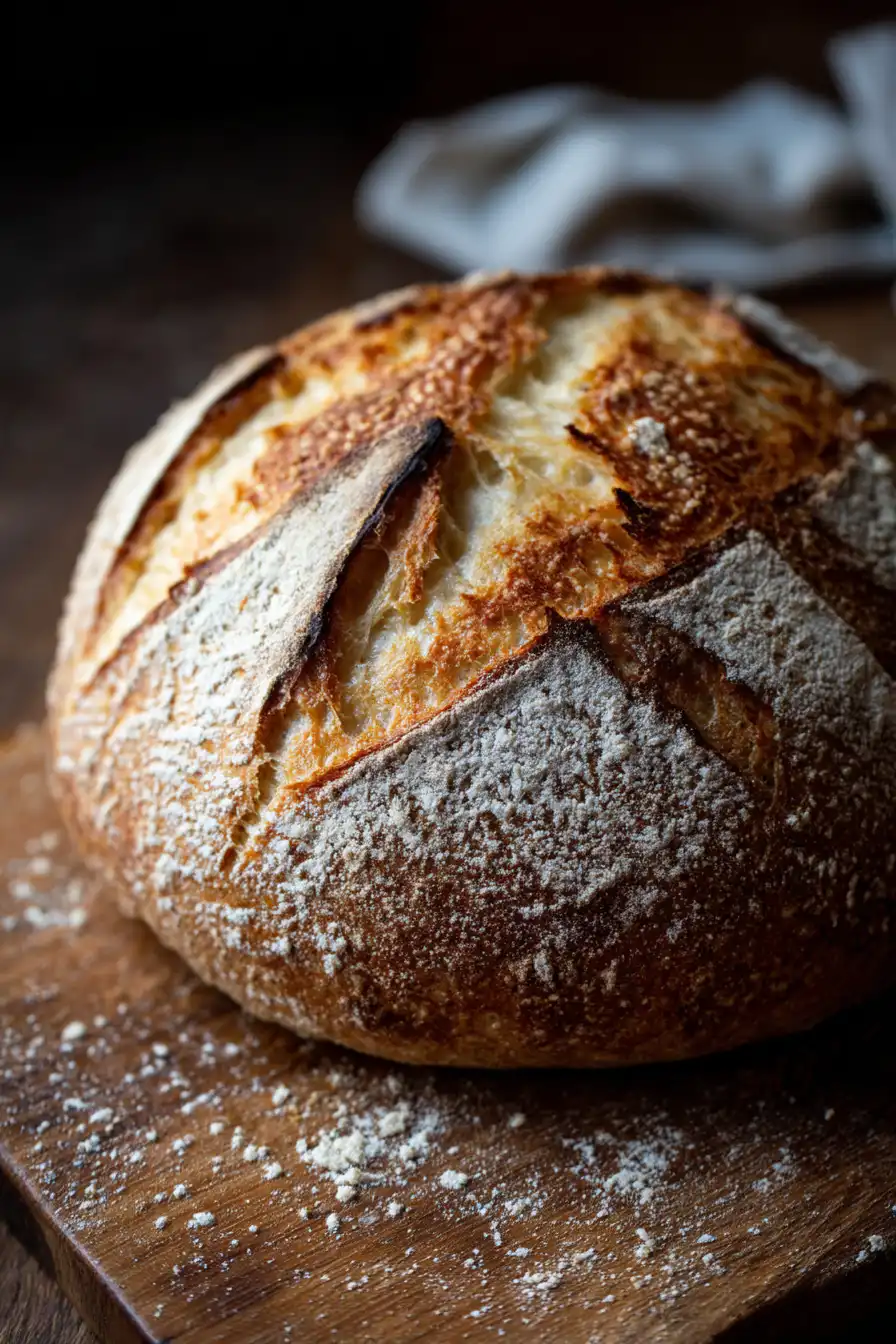
History and Significance of Easter Sourdough Bread
The origins of Easter bread goes way back to old cultures that used bread to mark the start of spring and the cycle of life. In many parts of the world, special breads were baked at festivals as a way to celebrate nature renewing itself and to show hope for what comes next. These customs changed depending on the area, what ingredients were around, and the religious beliefs people had.
Even though there are many kinds of Easter breads, each with their own recipes and stories, sourdough has really picked up some steam because of its one-of-a-kind flavor and texture. Unlike many breads from the store that use quick yeast, sourdough uses natural fermentation. This slow process not only makes the bread taste better but also links us to our ancestors who used the same methods long ago.
For many celebrating Easter, bread means a lot. In Christian traditions, it represents the body of Christ, and sharing bread with friends and family shows love and unity. Baking and sharing bread is also a symbol of welcome and community, helping to make memories that last.
Ingredients for Easter Sourdough Bread
To make a yummy Easter Sourdough Bread, its super important to start with the right ingredients. Each one helps shape the flavor and texture of the final loaf. Here are the things you need:
- Sourdough Starter: This is the heart of sourdough bread. It's made from flour and water that has been fermenting. A healthy starter is key for a good rise and tasty flavor.
- Flour: The kind of flour you use matters. Bread flour with its high protein is usually best for sourdough because it makes gluten easier to form. You can try mixing white, whole wheat, or rye flour sometimes to get a different taste.
- Water: The water you use (making sure its room temperature and clean) can really affect how the dough ferments. Adjust based on what your starter and dough need.
- Salt: Salt doesn't just add flavor, it also helps build up the gluten. But dont add too much or it might slow down the yeast.
You can also mix in extra goodies to make your Easter Sourdough Bread even more special:
- Add-ins: Try adding herbs like rosemary or thyme, dried fruits like raisins or apricots, some walnuts, or even a sprinkle of cinnamon.
- Glazes and Toppings: A milk wash before it goes in the oven gives a pretty crust, and toppings like sesame seeds add a crunch you might like.
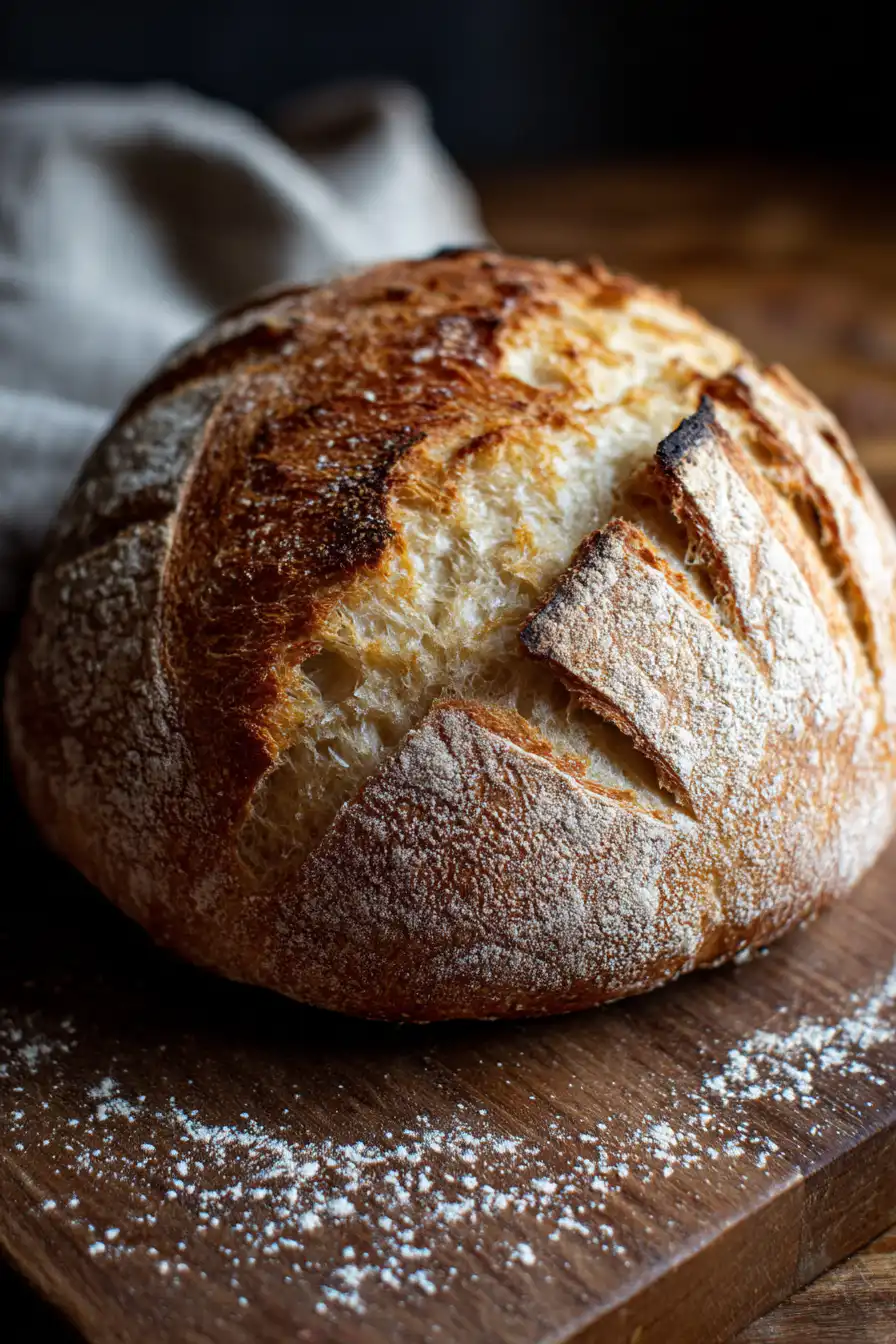
Detailed Sourdough Bread Recipe
1. Essential Tools and Equipment
Before you get started on your Easter Sourdough Bread, you need to have some key tools to make sure it turns out right. Here are the basics:
- Mixing bowls: For mixing and letting the dough rest.
- Dutch oven or baking stone: These help create a great baking environment.
- Kitchen scale: Having precise measurements is important in baking.
- Bread scoring tool or sharp knife: To score (cut) the dough before baking.
2. Step-by-Step Directions
Follow these steps to make your tasty Easter Sourdough Bread:
Preparation Phase
First, you must get your sourdough starter going. Feed it around 4-6 hours before you make your dough so it gets all bubbly and active.
Mixing and Autolyse
In a bowl, mix your flour and water, but leave the salt out for now. Mix until no dry bits of flour are left. Let it sit for 30 minutes to an hour. This step, called autolyse, helps build the gluten.
Kneading
After the autolyse, add the salt. Wet your hands, pinch the dough, and fold it over many times. Do the stretch and fold method for about 5-7 minutes until you get a smooth dough.
Bulk Fermentation
Put the dough in a bowl that's lightly greased, cover it with a damp cloth, and let it rise at room temp for 4-6 hours. During the first two hours, every 30 minutes do a stretch and fold to help build the gluten more.
Shaping the Dough
After it has risen, carefully remove the dough onto a floured surface. Shape it loosely into a round and let it sit for 20-30 minutes. Then, flip it with the seam-side up and form it into your desired shape (round or oval).
Proofing
Put the shaped dough in a proofing basket with the seam side up. Cover with a cloth and let it proof for 2-4 hours at room temperature (or in the fridge for a longer proof of 8-12 hours).
Scoring and Baking
When you're ready to bake, preheat your oven to 450°F (230°C) and heat up your Dutch oven inside. Carefully put the dough onto parchment paper. Use a sharp knife or scoring tool to cut the top so the dough can expand in the oven. Then take the Dutch oven out, lower the dough in, cover it, and bake for 30 minutes. Remove the lid and bake for another 15-20 minutes till its a deep golden brown.
3. Bread Baking Tips
If you want your sourdough bread to come out perfect, try these tips:
- Watch the dough hydration. This means you might need to change the water based on how the flour acts.
- Fermentation times are important. Every starter works a bit different so adjust as needed.
- If your bread is too dense or doesn't rise well, check that your starter is active and that you allowed enough fermentation time.
Serving Suggestions for Easter Sourdough Bread
Once your Easter Sourdough Bread is baked just right, you can try these serving ideas to make your meal even better:
Pairing with Easter Dishes
This bread is awesome with typical Easter foods like:
- Egg dishes like quiche or even deviled eggs.
- Roasted ham with a honey glaze.
- Cheese platters that have different cheeses and fruits.
Savoring with Spreads
While its still warm, you can add lots of tasty spreads on your bread:
- Butter or even herbal butter for a classic flavor.
- Honey or fruit preserves for a sweet kick.
- Herbal oils for a savory twist.
Creative Uses
You can even use leftover bread in other yummy ways:
- Make croutons for salads or soups.
- Create bread pudding with a custard base.
Storing and Freezing Easter Sourdough Bread
Short-term Storage
For eating soon, keep your sourdough in an air-tight container or wrapped in a clean cloth at room temperature. Dont use plastic if you want to keep the crust crispy.
Long-term Storage
If you need to keep it longer, you can freeze your bread. Wrap the whole loaf in plastic wrap and then in aluminum foil so it doesnt get freezer burn. This way your bread stays tasty for up to three months.
Reviving Stale Bread
If your sourdough turns out a bit stale, you can bring it back to life by lightly spritzing it with water and placing it in a preheated oven at 350°F (175°C) for 10-15 minutes. This helps to get some of that crispy crust back.
Frequently Asked Questions (FAQs)
1. Can I use store-bought sourdough starter?
Yes you can but make sure it's active and bubbly before you start your recipe.
2. How do I know when my sourdough is ready to bake?
Your sourdough is ready when it has risen a lot, looks puffy, and when you poke it the indent slowly comes back.
3. What's the difference between sourdough bread and regular bread?
Sourdough bread is made with a natural starter that ferments slowly, giving it a special flavor and a chewy texture unlike regular bread that uses commercial yeast for a quick rise.
4. How long does it take to make sourdough bread?
It can take anywhere from 12 to 24 hours to make, based on your starter and how long you proof the dough.
5. Can I add spices or fillings to my sourdough bread?
Definitely! Mixing in spices or fillings like herbs, nuts, or dried fruits makes for some really interesting flavors.
6. Why is my sourdough bread dense?
This might happen if your starter isnt active enough, if you didnt let it ferment enough, or if you didnt work the gluten well. Tweaking these parts should help the texture.
Conclusion
This Easter Sourdough Bread isn't just about having a tasty treat-it also connects us to traditions and the spirit of the season. So why not give it a try? Get in the kitchen, experiment a bit, and do share your experiences or any fun twists you add to the recipe.

easter sourdough bread
Equipment
- 1 mixing bowl
- 1 measuring cups and spoons
- 1 dough scraper
- 1 bread or baking stone
- 1 parchment paper
- 1 kitchen towel
- 1 oven
Ingredients
- 3 cups all-purpose flour
- 1 cup active sourdough starter
- 1 cup warm water
- 1 teaspoon salt
- 2 tablespoons honey Can substitute with maple syrup.
- zest of 1 large orange orange zest
- 1 teaspoon ground cinnamon
- ½ teaspoon ground nutmeg
- ¼ cup raisins or dried cranberries Optional.
Instructions
- In a mixing bowl, combine the active sourdough starter, warm water, and honey. Stir until well mixed.
- Add the all-purpose flour, salt, orange zest, cinnamon, and nutmeg to the mixture. Stir until a shaggy dough forms.
- Knead the dough on a floured surface for about 10 minutes, or until it becomes smooth and elastic. If using, fold in the raisins or dried cranberries during the last minute of kneading.
- Place the kneaded dough into a lightly oiled bowl. Cover it with a kitchen towel and let it rise in a warm place for 1-2 hours, or until it doubles in size.
- Once the dough has risen, gently punch it down to release the air. Shape it into a round loaf and place it on a piece of parchment paper.
- Cover the loaf with the kitchen towel and let it rise again for 30-60 minutes, until it has puffed up.
- Preheat your oven to 450°F (230°C) and place a baking stone or a baking tray inside to heat up.
- Carefully transfer the loaf with the parchment paper onto the hot baking stone or tray. Bake for 30-35 minutes, or until the bread is golden brown and sounds hollow when tapped on the bottom.
- Once baked, remove the bread from the oven and let it cool on a wire rack.