The first time I made Gochujang Pasta Sauce at home, I cried. Not because it was spicy - I can handle heat - but because it was awful. Muddy gray-brown, greasy, and somehow both watery and clumpy. I'd spent $12 on ingredients and ended up ordering takeout.
That was two years ago, during a miserable February rainstorm when the power flickered every twenty minutes. I wanted comfort. I got a kitchen disaster.
Most people get this wrong: they treat gochujang like any other chili paste. You can't. It's fermented, it's thick, it has a sweetness that turns bitter if you scorch it. And the cream? One wrong move and it splits into ugly curds.
Here's the fix: stop cooking it like Italian food. This is Korean fusion, and fusion means you respect both sides. I've made this Gochujang Pasta Sauce roughly forty times since that rainy night. Now it's glossy, balanced, and tastes like it came from a restaurant with exposed brick and a waitlist.
Gochujang Pasta Sauce: The Secret to This Recipe
I grew up eating my grandmother's Sunday gravy - the kind that simmers for six hours and stains the walls orange. I loved it. But somewhere in my twenties, I got bored. Every red sauce started tasting the same: tomatoes, garlic, oregano, yawn.
A Korean friend brought gochujang to a potluck once, mixed with butter and honey as a dipping sauce for fried chicken. I licked the bowl clean. That's when the idea lodged in my brain: what if you took that fermented, funky, sweet-heat magic and turned it into a pasta sauce?
The first five attempts were inedible. The sixth was almost there. By the tenth, I had something worth serving to guests. This Gochujang Pasta Sauce is the result of all that trial and error - and a lot of wasted cream.
What makes it special is the layering. You toast the gochujang with tomato paste to deepen the flavor. You add cream slowly so it emulsifies. You finish with pasta water to bind everything together. The result is a sauce that's creamy without being heavy, spicy without being punishing, and complex without requiring fifteen ingredients.
I honestly think this is the perfect weeknight meal. It's ready in 25 minutes. It uses one pan. And it impresses people way more than it should for how little effort it takes.
The Honest Truth About This Dish
- It's not authentic Korean food. This is fusion. If you want traditional, make bibimbap. This dish borrows gochujang's fermented depth and pairs it with a Western cream base. That's the point.
- It's spicy but adjustable. Three tablespoons of gochujang gives noticeable heat. Two tablespoons is milder. One tablespoon barely registers. Start low and taste as you go.
- The sauce thickens fast. One minute it's thin, the next it's glue. Have your pasta water ready before you start the sauce. You'll need it to loosen things up.
- Quality matters more than you think. Cheap gochujang tastes flat and gritty. Splurge on a good brand - look for one with a short ingredient list and no added corn syrup.
- Leftovers are better the next day. The flavors meld overnight. I often make double just so I have lunch for tomorrow.
The Essentials
Gochujang is the star here, so don't skimp. I use a brand called Mother-in-Law's that I buy at H Mart. It has a deep, funky flavor with real heat that lingers on your tongue. The cheap stuff in squeeze bottles tastes more like sweet chili sauce - fine for dipping spring rolls, wrong for this recipe.
Heavy cream is non-negotiable in my kitchen. Half-and-half curdles at this heat level. Whole milk tastes thin. Save them for cereal.
Butter matters too. Use unsalted so you control the salt level. The soy sauce already brings enough sodium. If you only have salted butter, reduce the soy sauce to two teaspoons.
Garlic and shallot form the aromatic base. I've tried onion instead of shallot - it works but lacks that subtle sweetness. Shallots are worth buying. They keep for weeks in a paper bag in the pantry.
Tomato paste comes in a tube, not a can. A tube keeps in the fridge for months. I use it in everything from stews to scrambled eggs. It adds acidity and color without making this taste like marinara.
The reserved pasta water is my secret weapon. The starch helps the sauce cling to the pasta in that restaurant way. Don't skip it. Don't use tap water instead. Save a cup before you drain.
How this comes together
I start by setting a large pot of water to boil. Not a medium pot - large. Pasta needs room to swim. I salt it generously until it tastes like the sea. While it heats, I mince three cloves of garlic and finely chop one shallot. The shallot should be about the size of your thumb. Any bigger and it overwhelms the sauce.
In a large skillet, I melt two tablespoons of butter over medium heat. The butter should foam gently, not brown. I add the garlic and shallot and let them cook for two to three minutes. The kitchen fills with that sweet, savory aroma that promises good things. When the shallot turns translucent, I know it's ready.
This is the crucial moment. I add three tablespoons of gochujang and one tablespoon of tomato paste. I stir constantly for exactly one minute. The paste darkens from bright red to deep rust. The smell changes from raw chili to something almost smoky. If I stop stirring, it burns. I've learned that the hard way.
Slowly - and I mean slowly - I pour in one cup of heavy cream while whisking. Dumping it all at once creates lumps. A steady stream with constant whisking produces a smooth, coral-colored sauce. It smells like spicy buttercream, which is exactly what you want.
I stir in one tablespoon of low-sodium soy sauce and one teaspoon of sugar. Some people use honey here. Sugar dissolves cleaner in my experience. The sauce comes to a gentle simmer - bubbles at the edges, not a rolling boil. I let it cook for four minutes, stirring every minute to prevent a skin from forming on top.
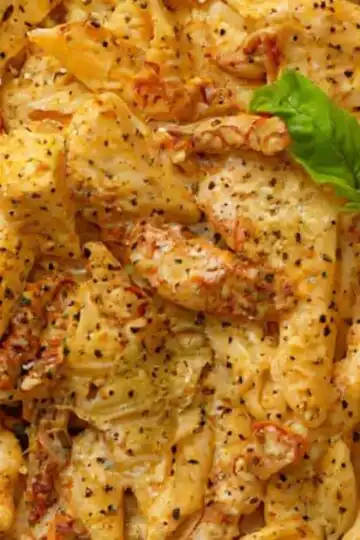
Meanwhile, the pasta finishes cooking. I use rigatoni because the ridges catch the sauce. Pappardelle works too. Spaghetti slides off - too slippery. I scoop out one cup of pasta water before draining, then add the cooked pasta directly to the skillet. I toss vigorously with tongs, adding pasta water a splash at a time until the sauce turns glossy and coats every piece. This takes about thirty seconds. The sauce should cling, not pool.
I serve it immediately in warm bowls. The first bite hits with cream, then a slow-building heat, then a funky umami finish that makes you want another forkful before you've swallowed the first.
Troubleshooting
Your sauce split. This happens when the heat is too high or you added the cream too fast. Fix it by whisking in a tablespoon of cold heavy cream off the heat. If that doesn't work, transfer everything to a blender and blitz for ten seconds. It won't be as pretty, but it'll taste fine.
Your sauce tastes flat. You didn't toast the gochujang long enough. That one minute over medium heat is non-negotiable. Also check your gochujang - old paste loses its punch. Buy a fresh jar.
Your sauce is too spicy. Add a pinch more sugar and an extra splash of cream. The sweetness balances the heat. Next time, start with two tablespoons of gochujang instead of three.
Your sauce is too salty. You used regular soy sauce instead of low-sodium. Or you salted the pasta water too aggressively. Next batch, dial back both. For now, add a knob of butter and stir until melted. The fat dilutes the saltiness.
Your sauce is too thick. More pasta water. Add it a tablespoon at a time and toss. The sauce will loosen as you work it. Stop when it flows like thick gravy.
Experiment With These
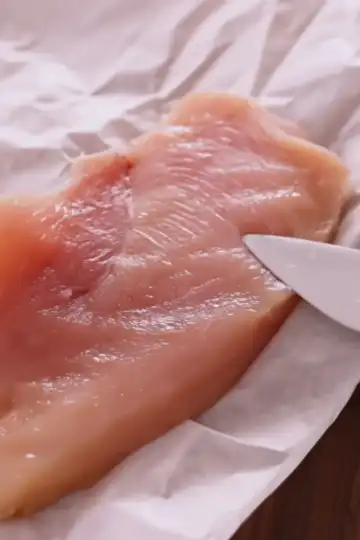
- Add protein. Sliced chicken thigh or shrimp works well. Sear them first in the same skillet, remove, then build the sauce. Add them back at the end to warm through.
- Vegetable version. Sauté mushrooms or zucchini with the shallot. They soak up the sauce beautifully. Add a handful of spinach at the end - it wilts in thirty seconds.
- Extra umami. Stir in a splash of fish sauce or a sprinkle of MSG. Both amplify the fermented quality of the gochujang without tasting fishy or artificial.
- Crispy topping. Fry breadcrumbs in butter with a pinch of gochujang until golden. Sprinkle over the finished pasta for crunch. This is my favorite addition.
Tricks I've Learned
I wish someone had told me to reserve pasta water even if I thought I wouldn't need it. The first five times I made Gochujang Pasta Sauce, I didn't. Every single time, the sauce was either a gluey mess or a thin soup. The starch in that water is what turns a home kitchen sauce into something that coats pasta like a restaurant version.
I also wish I'd known about the resting time. The sauce tastes thin and sharp right after cooking. Let it sit on the warm pasta for two minutes before serving. The flavors settle. The heat mellows. It's a totally different experience.
And the brand thing - I spent a year using store-brand gochujang that cost $3.99. I thought that's just how it tasted. Gritty, one-dimensional, vaguely metallic. Then a friend brought me a jar from Korea Town. The difference was night and day. Good gochujang has the texture of smooth peanut butter. Bad gochujang feels sandy on your tongue. Look for a brand with visible gochugaru (red pepper flakes) suspended in the paste. That's the good stuff.
Lastly, don't boil the cream. It's in the instructions for a reason. Boiling separates the fat from the liquid and you get a greasy, broken sauce. Gentle simmer only. If your stove runs hot, use medium-low instead of medium.
Swaps & substitutions
- Dairy-free version. Replace heavy cream with full-fat coconut milk. Use olive or avocado oil instead of butter. The coconut flavor is noticeable but not unpleasant - it pairs well with the gochujang's sweetness.
- Gluten-free version. Use gluten-free pasta. Everything else in this recipe is naturally gluten-free. Check your gochujang label - most brands are safe, but a few add wheat as a thickener.
- Lower fat version. Replace cream with half-and-half mixed with a tablespoon of cornstarch. The texture won't be as luxurious but it still works. Don't fat-wash the butter - it adds too much flavor to replace.
- No shallot? Use half a small yellow onion, finely minced. The flavor is slightly sharper but close enough. Avoid red onion - it's too pungent for this delicate sauce.
- No tomato paste? Omit it. The sauce will be a lighter color and less acidic. Add an extra splash of soy sauce or a squeeze of lemon at the end to compensate.
😄 I once served this to my in-laws who "don't like spicy food." They asked for seconds and then texted me the next day for the recipe. My husband still brings it up as my greatest kitchen victory.
Frequently asked
Can I make Gochujang Pasta Sauce ahead of time?
Yes. Make the sauce up to three days ahead and store it in an airtight container in the fridge. Reheat gently on the stovetop over low heat, whisking constantly. Add a splash of water or cream to loosen it. Cook fresh pasta when you're ready to serve.
What pasta shape works best with Gochujang Pasta Sauce?
Thick, textured pastas are ideal. Rigatoni, pappardelle, fusilli, or campanelle catch the sauce in their ridges and folds. Avoid thin strands like spaghetti or angel hair - the sauce slides right off and pools at the bottom of the bowl.
Is Gochujang Pasta Sauce very spicy?
It has a noticeable kick but it's not punishing. Three tablespoons of gochujang gives a medium heat that builds slowly and fades quickly. For mild heat, use two tablespoons. For extra heat, add a teaspoon of gochugaru or a drizzle of chili oil at the end.
Can I freeze Gochujang Pasta Sauce?
You can freeze the sauce without the pasta for up to three months. Thaw overnight in the fridge and reheat gently. The texture may separate slightly - just whisk vigorously to bring it back together. I don't recommend freezing pasta that's already coated in sauce because it turns mushy.
Gochujang Pasta Sauce
Equipment
- large skillet or pan
- Chef's knife
- cutting board
- Wooden spoon or spatula
- Whisk
- measuring cups and spoons
- Pasta pot
Ingredients
- ═══ FOR THE SAUCE ═══
- 2 tablespoon unsalted butter
- 3 cloves garlic (minced)
- 1 shallot (finely chopped)
- 3 tablespoon gochujang (Korean chili paste) (adjust to taste)
- 1 tablespoon tomato paste
- 1 cup heavy cream
- 1 tablespoon soy sauce (low sodium recommended)
- 1 teaspoon sugar (or honey)
- ═══ FOR FINISHING ═══
- ½ cup reserved pasta water (as needed when tossing with pasta)
Instructions
- In a large skillet, melt the butter over medium heat. Add the minced garlic and chopped shallot, and sauté for 2-3 minutes until fragrant and softened.
- Stir in the gochujang and tomato paste, cooking for 1 minute while stirring constantly to toast the pastes and deepen their flavors.
- Slowly pour in the heavy cream while whisking to combine smoothly. Stir in the soy sauce and sugar until dissolved.
- Bring the sauce to a gentle simmer and cook for 3-5 minutes, stirring occasionally, until slightly thickened. Avoid letting it boil.
- Remove from heat. If serving immediately, add 12-16 oz of cooked pasta directly to the skillet and toss vigorously with a splash of reserved pasta water until the pasta is well-coated and the sauce is glossy.
Notes
- Tip 1: Adjust gochujang amount to your spice preference; start with 2 tablespoon for milder heat.
- Tip 2: Leftover sauce can be stored in an airtight container in the refrigerator for up to 3 days.
- Tip 3: For a dairy-free version, substitute heavy cream with full-fat coconut milk and use oil instead of butter.
- Tip 4: Reserve pasta water before draining; it helps emulsify and thin the sauce to coat pasta perfectly.
- Tip 5: This sauce pairs excellently with thick, textured pasta like pappardelle or rigatoni that can hold the creamy coating.