The pressure builds and you start counting down minutes until you eat. You spot the float valve pop up, that sound kinda makes your mouth water already. It's funny how just waiting can be this exciting when you know something tasty is gonna be ready real soon.

You catch the aroma sneaking out as the broth depth in that pot gets richer by the minute. Garlic, soy, a little sweetness from banana ketchup all mingling into something so dang good. It's almost like you can't wait to hear that natural release signal, telling you it's done.
With every second, you remember why pressure cooking your pork skewers this way works so well. The meat gets juicy without sittin' hours stirring. You're gonna love how tender the pork is, soaking up all that flavor from the marinade and the short cook time. Just a few more moments now.
The Real Reasons You Will Love This Method
- Your pork turns out super tender with less fuss.
- The marinade seeps right into the meat through the quick pressure build.
- It saves you from babysitting the grill or stove all day.
- The broth depth from marinade mixture brings a mouthwatering background taste.
- Natural release gives the pork time to rest and soak even more flavors.
- Using the float valve and sealing ring makes cooking easy and safe.
- You get a juicy, sweet, and tangy mix that feels just right every time.
All the Pieces for This Meal
- 3 lb pork shoulder cut into one-inch cubes - the main star, ready to soak up flavors.
- ½ cup banana ketchup - adds that signature sweet tang.
- 12 oz 7-Up or Sprite - the fizz helps tenderize the pork.
- 1 cup soy sauce - salty and deep flavor base.
- ½ cup Datu Puti vinegar or white vinegar - a punch of sour to balance the sweetness.
- ¼ cup oyster sauce - umami boost for richness.
- 2 tablespoons chili oil with black bean - a little heat that kicks just right.
- 1 cup brown sugar - caramel sweetness to glaze the meat.
- 2 teaspoons ground pepper - for subtle spice.
- 1 cup garlic minced - garlic is kinda the soul here.
- ¼ cup banana ketchup, 2 tablespoons oyster sauce, and 1½ tablespoons sesame oil - mixed together for brushin' on later.

Gathering these ingredients makes you feel like you got the perfect combo ready to wow anyone. The mix of sweet, tangy, spicy, and salty is dang near irresistible. It's all about layering up the flavors before you cook.
The Exact Process From Start to Finish
- In a large bowl, mix banana ketchup, Sprite, soy sauce, vinegar, oyster sauce, chili oil, brown sugar, black pepper, and minced garlic to make the marinade. Stir until you see the sugar starting to dissolve; it's kinda the good sign.
- Add the pork cubes to this marinade. Use your hands or a big spoon to get every piece coated. Cover the bowl, then toss it in the fridge for at least 2 hours or overnight for the best flavor soak.
- When you're ready, preheat your grill to medium-high heat, so it's set up when the pork is good to go.
- Thread the marinated pork cubes onto skewers. Be careful not to pack them too tight or they won't cook evenly.
- Place the skewers on the grill, turning every few minutes. Cook 'em for about 15-20 minutes until pork's cooked through and charred just right.
- If you wanna speed things up or don't have a grill, here's the pressure cooker part. Place the skewers in your cooker with a bit of marinade as broth depth, set the sealing ring, and lock the lid.
- Set to high pressure and wait for the pressure build. Cook for 15 minutes, then let it release naturally. This helps keep the skewers juicy and tender.
- After the natural release, remove the skewers and brush them with the banana ketchup, oyster sauce, and sesame oil mix. Give them a quick grill or broil for that sticky glaze finish before you dig in.
Valve Hacks You Need to Know
- Before sealing the lid, check your sealing ring real close. If it's cracked or dry, swaps it out - this little part keeps the pressure cooker workin' right.
- You gotta watch the float valve when pressure builds. If it's up, you're good. If it's stuck down, you might need to ease pressure manually to keep it safe.
- When you do natural release, give yourself extra time. It's slow but keeps the pork tender and avoids that dang hot steam burst.
- Don't crowd the cooker too much. Skewers need space so the broth flavor can swirl around 'em and do its thing.
When You Finally Get to Eat
There's this first bite where the sweet tang of banana ketchup hits your tongue like a soft wave. Then, the soy sauce and garlic sing in your mouth, making you wanna close your eyes and just enjoy.
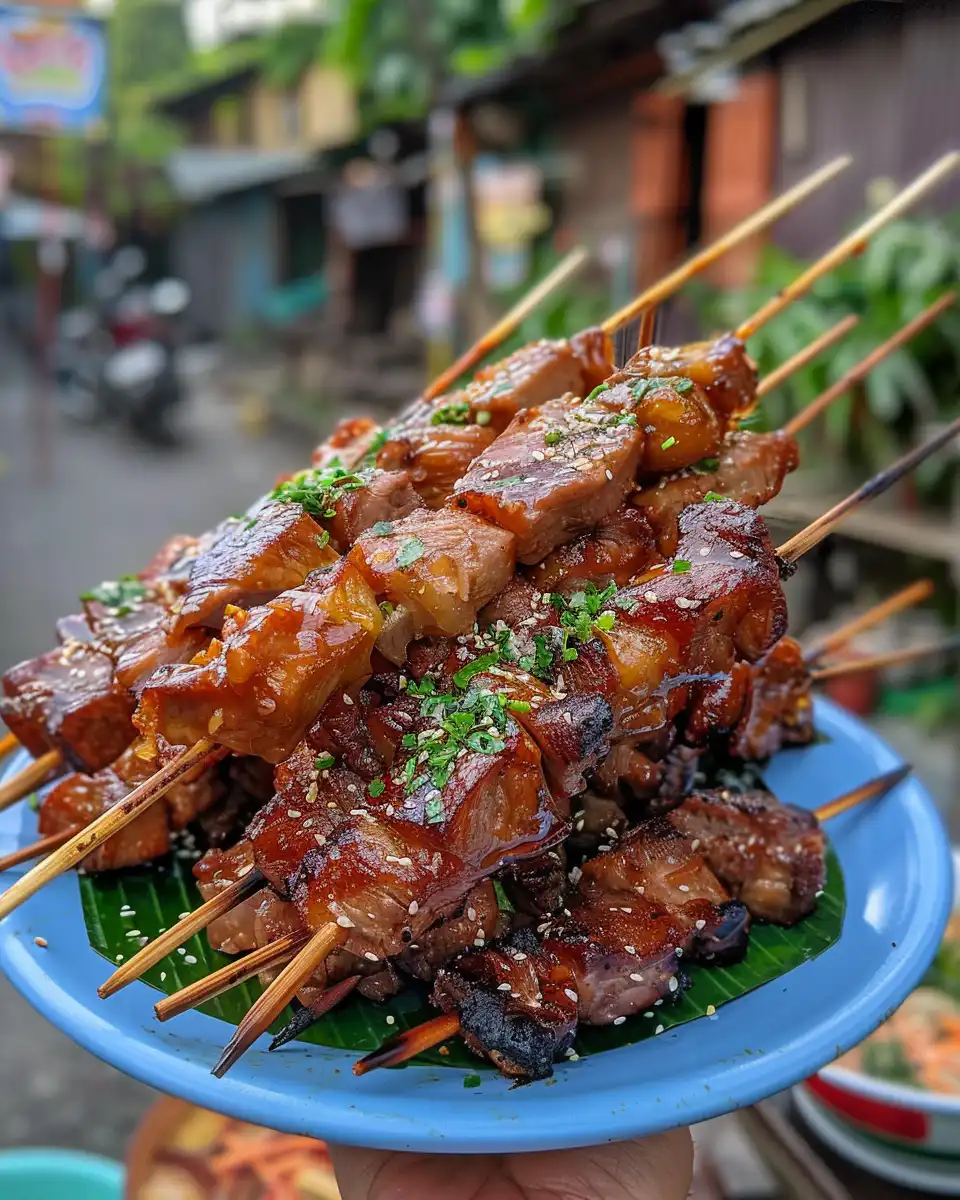
You notice the pork is juicy, almost fall-apart tender but still holding its shape. That little bit of char from the grill or broil adds a smoky depth that makes every bite dang memorable.
The chili oil brings a quiet warmth that lingers but don't worry, it's not overpowering. It kinda rounds out the whole flavor like a cozy, spicy hug.
Sitting down with these skewers, you feel like you caught a little slice of Filipino street food done your way at home. It's that comfy, tasty moment you soon gonna wanna make again.
Keeping Leftovers Fresh and Ready
- Wrap up leftovers in airtight containers or plastic wrap. This stops the skewers from drying out and keeps that marinade flavor sealed in.
- Store them in the fridge, and they'll stay good for about 3 to 4 days. Reheat gently in your pressure cooker or microwave so the pork doesn't get tough.
- For longer storage, freeze the skewers in freezer bags or containers. When thawing, do it overnight in the fridge for best texture before reheating.
Taking simple steps to store helps you enjoy these skewers later without losing their yumminess. The marinade keeps working even off the grill, so they taste great warmed up too.
Your Most Asked Questions Answered
- Can I use other cuts of pork? Yeah, you can. Pork shoulder is best for tenderness, but pork butt or even neck bones work if you adjust cooking time.
- Is it okay to marinate for less than 2 hours? Sure, but you'll miss some depth. Overnight's best, but 2-3 hours still gets good flavor in.
- What's the role of the soda in the marinade? The fizz helps break down meat fibers, making pork tender. Plus, it adds a subtle sweetness that balances the sauce.
- Can I skip grilling completely and just use the pressure cooker? Yep, that works. Just do the natural release for best results and brush on the glaze after.
- What if my pressure cooker doesn't have a float valve? Some models don't. In that case follow your cooker's safety instructions and don't overfill. Watch the steam carefully while cooking.
- How to prevent pork from drying out? Avoid quick-release. Letting pressure release naturally keeps juices locked inside so your pork stays moist.

Filipino BBQ Pork Skewers in the Pressure Cooker
Equipment
- 16 Skewer bamboo or stainless steel
Ingredients
Main ingredients
- 3 lb Pork shoulder cut into one-inch cubes
- ½ cup Banana ketchup
- 12 oz 7-Up or Sprite
- 1 cup Soy sauce
- ½ cup Datu Puti vinegar or white vinegar
- ¼ cup Oyster sauce
- 2 tablespoons Chili oil with black bean
- 1 cup Brown sugar
- 2 teaspoons Ground pepper
- 1 cup Garlic minced
- ¼ cup Banana ketchup for glazing
- 2 tablespoons Oyster sauce for glazing
- 1½ tablespoons Sesame oil for glazing
Instructions
Instructions
- In a large bowl, mix banana ketchup, Sprite, soy sauce, vinegar, oyster sauce, chili oil, brown sugar, black pepper, and minced garlic to make the marinade. Stir until you see the sugar starting to dissolve.
- Add the pork cubes to the marinade. Use your hands or a big spoon to get every piece coated. Cover the bowl, then place it in the fridge for at least 2 hours or overnight.
- Preheat your grill to medium-high heat. Thread marinated pork cubes onto skewers, not too tight to ensure even cooking.
- Place the skewers on the grill, turning every few minutes. Cook for about 15-20 minutes until the pork is cooked through.
- To use a pressure cooker, place the skewers with some marinade. Set to high pressure, cook for 15 minutes, then let natural release.
- After release, remove skewers and brush with banana ketchup, oyster sauce, and sesame oil mix. Grill or broil for a glazed finish.