
Easter is all about enjoying new beginnings and celebrating life. It's when we mark the resurrection of Jesus Christ and welcome the start of spring with open arms. Families get together to enjoy age-old traditions like big meals, church services, and fun seasonal events. A big part of these celebrations is enjoying lots of yummy desserts that not only taste great but look awesome, too.
Old-fashioned Easter desserts normally have rich, bold flavors and look really colorful too. You might see treats such as hot cross buns, carrot cake, or all kinds of pies that remind you of the season. But nowadays, cheesecake is becoming a popular treat. People love it because its texture is super creamy and you can mix up different flavors to match the season, making it a perfect highlight at any Easter get-together.
In this article, we gonna look at the cool world of Easter cheesecake. We will talk about why it's so special, the different kinds you can make, and some easy steps to make that perfect cheesecake for your Easter party. So whether you like a plain old New York-style cheesecake or one with fresh fruits and spring flavors, there's plenty of ideas to help you make a dessert that everyone will enjoy.
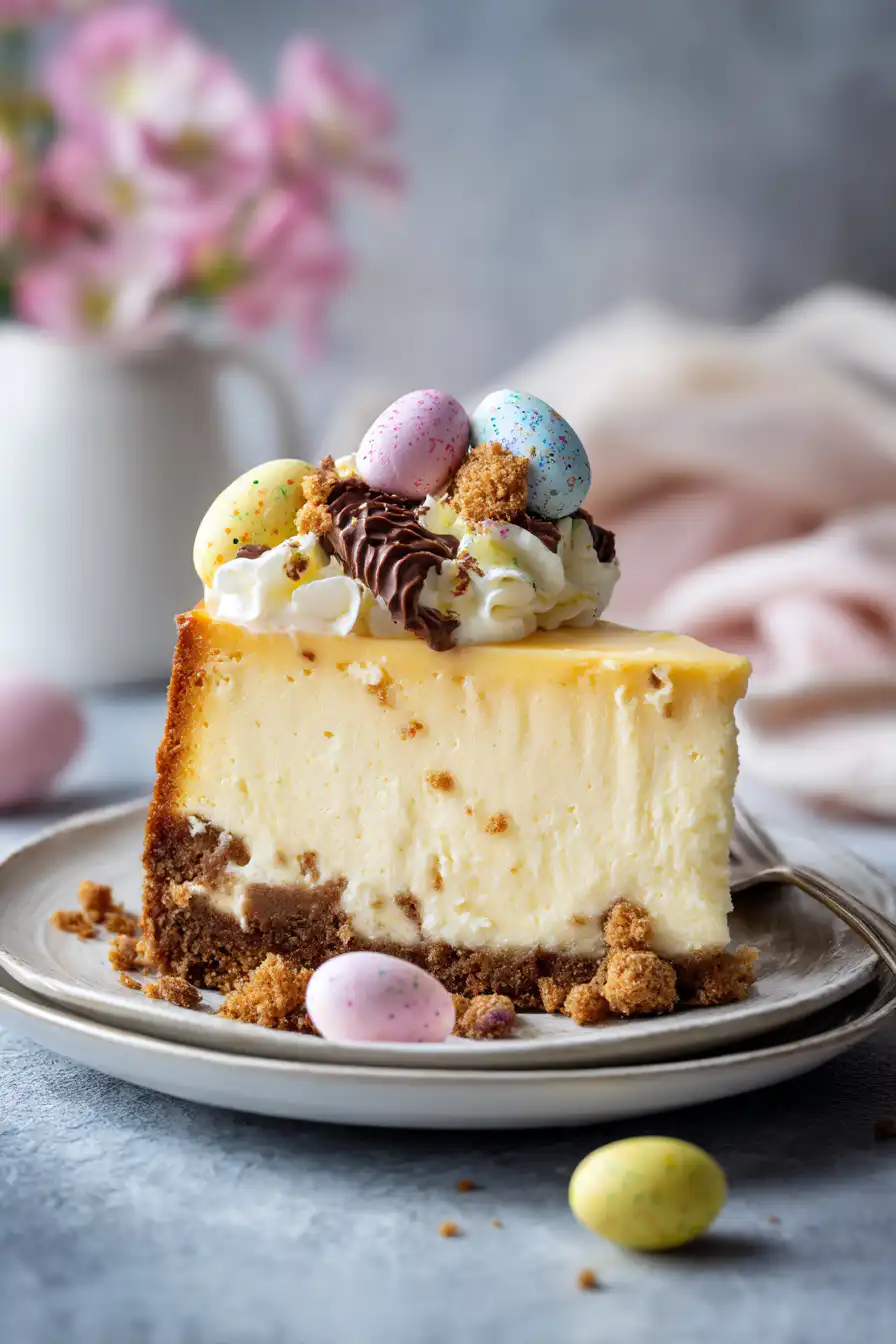
What Makes Easter Cheesecake Special?
Cheesecake is a really unique dessert during Easter because it mixes culture and food that have been around for ages. Back in the day, this rich dessert was linked to the Christian traditions, when cream cheese and other dairy goodies were often a big part of the Easter meals. Some folks even trace cheesecake back to ancient Greece where it was served at weddings and religious ceremonies. Over time different cultures made their own versions of cheesecake, so you get a bunch of different flavors and styles that add a new twist to your Easter table.
As cheesecake got more popular, people started to get creative with it. Bakers began to try all sorts of seasonal ingredients, so every cheesecake now can have its own special flavor. From a classic vanilla taste to a rich chocolate twist or a fruity mix with seasonal berries, the options are endless. This lets bakers celebrate Easter in their own way, whether by keeping old family recipes or trying out something brand new that surprises everyone.
The Appeal of Customization
One of the best things about Easter cheesecake is that you can customize it any way you want. The list of options is pretty much endless when it comes to toppings and variations. Popular toppings often include fresh fruits like strawberries, raspberries, or blueberries. They not only make the cheesecake look pretty, but they also give a nice fresh taste that balances all that creamy cheeseness. And if you really love sweets, adding some chocolate curls or a caramel drizzle can make it extra special.
Some people even like to add cute Easter decorations on their cheesecake. Tiny chocolate bunnies or pastel sprinkles can really amp up the festive feel and make your cheesecake the center of attention at your Easter party. This chance to add your own twist means that everyone can make a cheesecake that shows off their own style or family traditions while still celebrating the joyful spirit of the holiday.
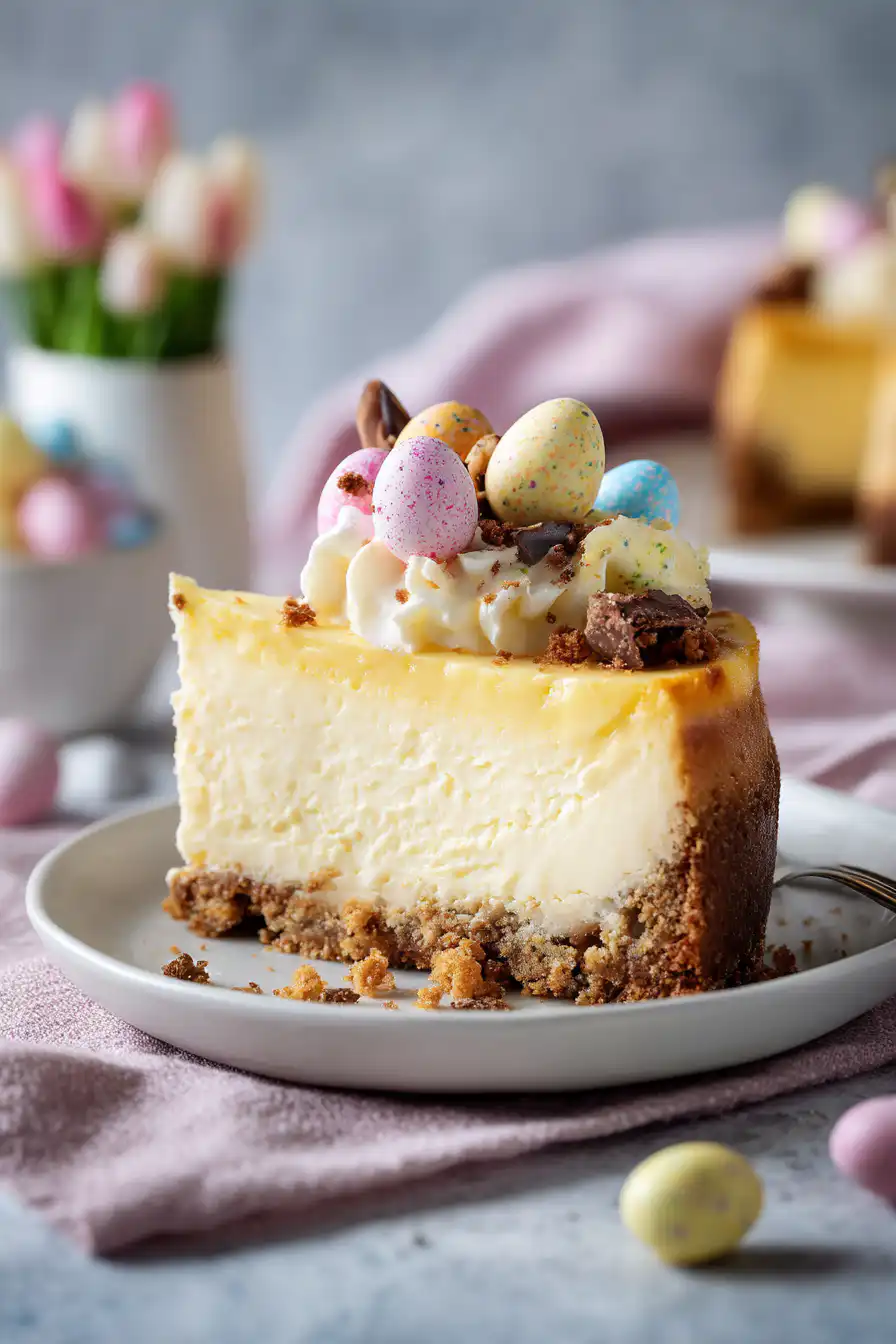
Types of Easter Cheesecake
Classic Easter Cheesecake
The classic New York-style cheesecake is rich, creamy, and very indulgent. It has a smooth filling made from cream cheese, sugar, and eggs, sitting on top of a crust made from graham crackers that's buttery and crisp. It's usually served by itself or with just a simple fruit topping so that the flavor of the cheesecake really stands out. This is great for events like Easter brunch or family get-togethers, since its familiar taste can make everyone feel warm and nostalgic.
Spring-Inspired Cheesecake Variations
Lemon Cheesecake
Lemon cheesecake brings a fresh twist that really captures the bright, tangy flavors of spring. Adding fresh lemon juice and a bit of lemon zest gives it a tart kick that goes perfectly with the creamy filling. It's a fun option if you want something a little different for the season.
Berry Cheesecake
This version packs in a mix of fresh seasonal berries like strawberries, blueberries, and raspberries, making it a treat for both the eyes and taste buds. The burst of fruity flavors not only makes the cheesecake tastier but also adds a vibrant and festive splash of color to your Easter spread.
Chocolate Bunny Cheesecake
The chocolate bunny cheesecake is a playful spin that fits right in with Easter traditions. It mixes in Easter-themed chocolates, like little bunnies or eggs, with the creamy base, sometimes even blending some chocolate into the mix. This version is a hit for both kids and adults, adding a fun and indulgent twist to your dessert table.
Creating the Perfect Easter Cheesecake: A Step-by-Step Guide
Ingredients for Easter Cheesecake
- Cream cheese: This is the main part of the filling; you should use full-fat for the best flavor.
- Sugar: Regular granulated sugar to give sweetness.
- Eggs: They give the cheesecake its structure; it works best if they are at room temperature.
- Vanilla extract: It adds a nice depth of flavor.
- Sour cream: This helps make the cheesecake extra creamy.
- Graham cracker crust: The classic base; but you can also try Oreos or almond flour if you need a gluten-free version.
- Toppings: You can use fresh flowers, chocolates, or fruits for that festive look.
Directions: A Detailed Recipe
Preparation
Start by preheating your oven to 325°F (160°C). Mix the crushed graham crackers with melted butter in a bowl and press that mix firmly into the bottom of a 9-inch springform pan. Make sure the crust is even and compact. Then pre-bake the crust for about 10 minutes so it gets set while you work on the filling.
Making the Cheesecake Filling
In a big mixing bowl, beat the cream cheese until it's smooth. Slowly add in the sugar, mixing well so its all combined. Then add the eggs one at a time, making sure each egg is mixed in completely before adding the next. Stir in the vanilla extract and sour cream, and mix everything until the batter is smooth and free of any lumps. Pour this mixture right over the pre-baked crust, and use a spatula to smooth out the top.
Baking & Cooling
Bake the cheesecake in your preheated oven for about 50-60 minutes, or until you see that the edges are set and the center still wiggles a little bit. When it's done, turn off the oven and leave the door cracked open so that the cheesecake can cool slowly. This helps in keeping cracks from forming. After it cools a bit for around an hour in the oven, take it out and chill it in the fridge for at least 4 hours before you cut and serve it.
Tips for a Flawless Cheesecake
- Avoiding cracks: Try using a water bath method by putting the springform pan into a larger baking dish filled with water. This keeps the temperature even during baking.
- Proper cooling: Let the cheesecake cool slowly in a turned-off oven because sudden changes in temperature can cause cracks.
- Best practices for serving: Make sure the cheesecake is really chilled before slicing to get clean, neat cuts.
Decorating Your Easter Cheesecake
Aesthetically Pleasing Ideas
Easter-themed Toppings
To give your cheesecake that extra special Easter look, try using pastel-colored fruits like strawberries and blueberries, or even some edible flowers. Adding small chocolate bunnies or eggs can also make your cheesecake look playful and fitting for the holiday.
Creative Serving Suggestions
You can display your cheesecake on a decorative cake stand, surround it with fresh flowers or other Easter decorations for a charming effect. For a fun twist, serve slices on colorful plates or even in clear cups topped with whipped cream and fruit.
Dietary Considerations
When making your Easter cheesecake, it's important to think about different dietary needs so that everyone can enjoy it. You can use almond flour or gluten-free cookies instead of graham crackers if you need a gluten-free base. If you're looking for a vegan option, try using plant-based cream cheese and flax eggs. There are even recipes that use sugar substitutes for people who are keeping an eye on their sugar intake, so all your guests can have a slice of this treat.
FAQs
What is the best way to store an Easter cheesecake?
The best way to store an Easter cheesecake is to keep it in the fridge, wrapped tightly in plastic wrap or in an airtight container. It can stay good for up to a week if stored properly.
Can I make cheesecake ahead of time? If so, how?
Yeah, you can definetly make cheesecake a few days in advance. Just prepare and bake it, let it cool completely, then store it in the fridge until you're ready to serve it.
Why did my cheesecake crack while baking?
Cheesecake cracking usually happens because of sudden changes in temperature or if you overmix the batter. Using a water bath and letting it cool slowly can really help stop cracks from forming.
What toppings go best with cheesecake?
Some popular choices are fresh fruits like berries, chocolate ganache, caramel drizzle, or even a bit of whipped cream. Adding creative toppings not only makes it taste better but also makes it look more appealing.
Can I freeze cheesecake? What's the process?
Yes you can freeze cheesecake. Wrap it really tight in plastic wrap and then in aluminum foil so that it doesn't get freezer burn. It can last up to three months in the freezer. Just thaw it in the fridge before you serve it.
Conclusion
Easter cheesecake is a tasty treat that mixes tradition with some creative twists, making it a very popular dessert in many homes during the holiday. With so many types and ways to customize it, you really can make a cheesecake that brings a smile to everyone's face. Give it a try this Easter and share the deliciousness with your friends and family!
easter cheesecake
Equipment
- 1 9-inch springform pan
- 2 mixing bowls
- 1 electric mixer
- 1 rubber spatula
- 1 measuring cups and spoons
- 1 oven
- 1 parchment paper
Ingredients
- 1 ½ cups graham cracker crumbs
- ½ cup unsalted butter, melted
- 2 cups cream cheese, softened
- 1 cup granulated sugar
- ½ cup sour cream
- 3 large eggs
- 1 teaspoon vanilla extract
- ½ teaspoon lemon zest
- optional food coloring for decoration
- for topping fresh fruit (such as berries)
Instructions
- Preheat your oven to 325°F (160°C).
- In a mixing bowl, combine the graham cracker crumbs and melted butter. Mix until well combined and resembles wet sand.
- Press the crumb mixture into the bottom of the springform pan to form a crust. Use the back of a measuring cup to help press it firmly.
- In another bowl, beat the softened cream cheese with an electric mixer until smooth and creamy.
- Gradually add the granulated sugar, continuing to mix until fully incorporated.
- Add the sour cream, eggs, vanilla extract, and lemon zest. Beat until the mixture is smooth and well combined, scraping the sides of the bowl as necessary.
- Pour the cheesecake batter over the crust in the springform pan.
- Bake in the preheated oven for 55-60 minutes or until the center is set but still slightly jiggly.
- Turn off the oven and crack the oven door. Let the cheesecake cool in the oven for 1 hour to prevent cracking.
- Remove the cheesecake from the oven and refrigerate for at least 4 hours, or preferably overnight.
- Before serving, you can decorate the cheesecake using food coloring to create Easter designs or topping it with fresh fruit.