Cottage cheese has been known for a long time as a super healthy food. Its packed with lots of protein, vitamins, and minerals, and most people only use it for breakfast or a quick snack. Nowadays though, people are startin to use it in all kinds of recipes like cottage cheese queso dip. Its creamy and mild flavor makes it a good way to make a pasta sauce that feels different from the usual ones.
Introducing cottage cheese pasta sauce - a tasty and new idea to upgrade your pasta nights. By using cottage cheese as the main ingredient, you get a sauce thats not only creamy but also much lighter than ones made with cream or butter. This sauce is lower in calories and fat than normal pasta sauces, and it's loaded with protein. So if you care about eating healthy without losin any flavor, this might be perfect for you, similar to dishes like low-carb bacon cheeseburger casserole.
If you wanna try something new during your next pasta meal, check out this cottage cheese pasta sauce recipe. It's pretty easy to make and works with lots of different diets. Even if you're crunched for time on weeknights or you wanna impress your friends with something a bit fancy, this sauce is sure to bring some excitement to your kitchen. So go grab your apron, and lets get cookin!
Health Benefits of Cottage Cheese
Cottage cheese is not just taste good but also super healthy. One big plus is its high protein content. A normal cup of cottage cheese gives you about 20 grams of protein, which is great for helpin with muscle repair, energy, and overall health.
Besides protein, cottage cheese is full of important vitamins and minerals. It has a lot of calcium which is really needed for strong bones and teeth. It also brings B vitamins like riboflavin and B12, that help give your body energy and make red blood cells. Because of these reasons, cottage cheese is a cool choice for a balanced diet.
One of the best things about cottage cheese is that its low calorie and low fat, especially when you compare it with other pasta sauces which use a lot of cream and butter. Cottage cheese gives you that creamy feel without all the extra heavy fats making it a smart option for anyone tryin to eat healthier but still want their food to taste great.
On top of that, you can use cottage cheese in lots of ways. Mix it in salads, spread on toast or even turn it into sauces like this cottage cheese pasta sauce. This flexibility makes it a favorite for anyone who likes to experiment in the kitchen and make meals that are both tasty and nutritious.
Why Use Cottage Cheese in Pasta Sauce?
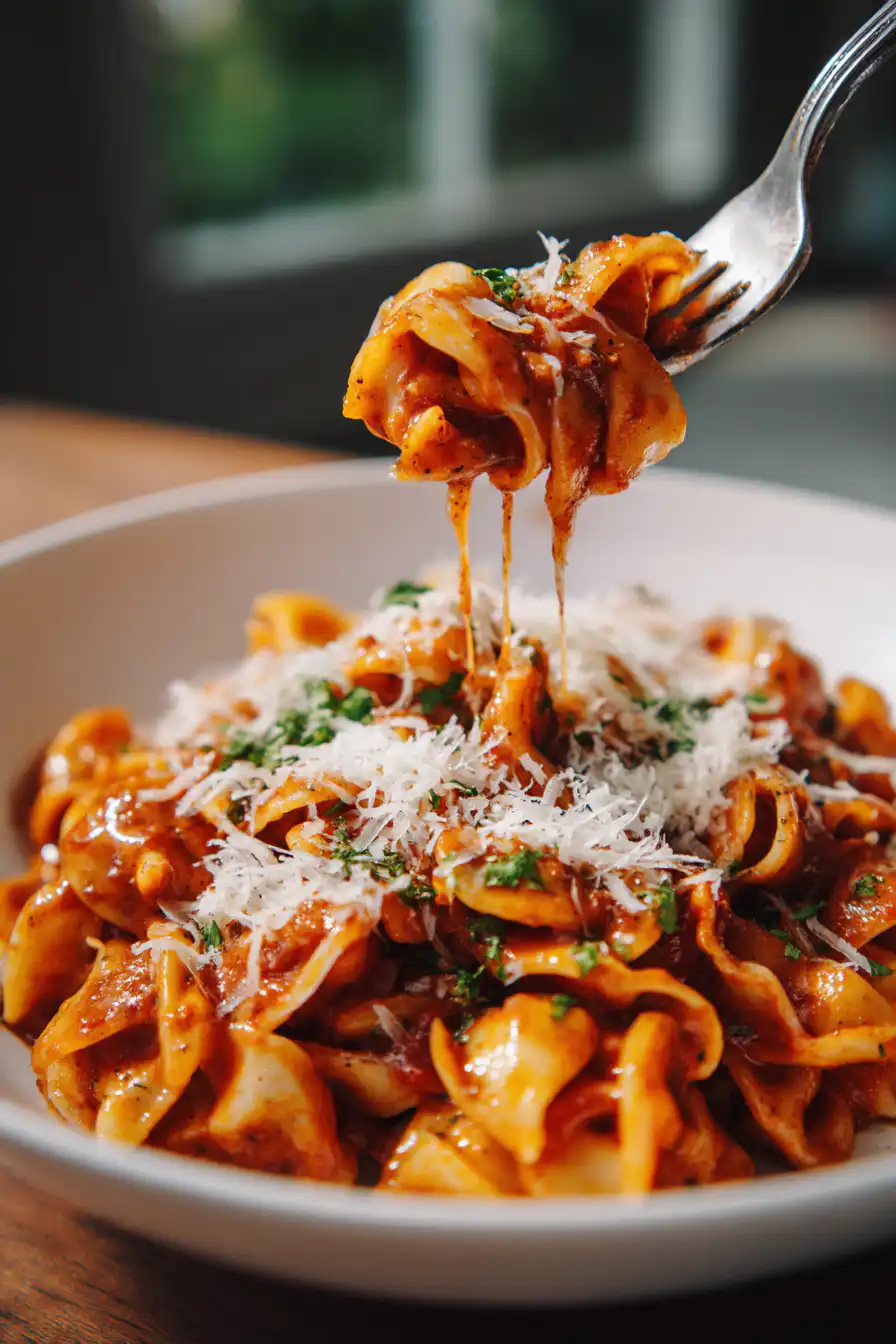
Using cottage cheese in pasta sauce means you can get that creamy feel without heavy cream. This special quality helps you make a sauce thats rich and yummy but not too heavy for your belly. The creamy base covers the pasta real nice so every bite is full of flavor.
Another cool thing is that cottage cheese has a little tang that goes great with pasta. That touch of sourness actually helps balance the flavors in the dish so it feels fresh and indulgent at the same time. It also mixes well with different herbs and spices, which lets you play around and add your own twist.
One big plus of using cottage cheese is that it can be adapted for all kinds of diets. Whether you're gluten-free, vegetarian, or even on a keto diet, cottage cheese can easily work in your recipes. With some right add-ins, you can make a sauce that fits your needs without losing its great taste or texture.

Ingredients for Cottage Cheese Pasta Sauce
To make a yummy cottage cheese pasta sauce, you'll need these basic ingredients:
- 1 cup cottage cheese
- 2 cloves garlic, minced
- 2 tablespoons olive oil
- 1 teaspoon dried basil
- 1 teaspoon dried oregano
- Salt and pepper to taste
- Optional: ¼ teaspoon chili flakes, ½ cup grated Parmesan cheese
- Pasta of choice (spaghetti, penne, etc.)
Detailed Recipe for Cottage Cheese Pasta Sauce
Ingredients
- 1 cup cottage cheese
- 2 cloves garlic, minced
- 2 tablespoons olive oil
- 1 teaspoon dried basil
- 1 teaspoon dried oregano
- Salt and pepper to taste
- Optional: ¼ teaspoon chili flakes, ½ cup grated Parmesan cheese
- Pasta of choice (spaghetti, penne, etc.)
Directions
- Cook the Pasta: Boil a big pot of salted water. Once it's boiling, add your pasta and cook it like the package says to until it's firm but not hard. Drain the pasta and keep a little bit of the water for later.
- Sauté the Garlic: Warm up the olive oil in a skillet over medium heat. When it's hot enough, put in the minced garlic and fry it for about 1-2 minutes. Be careful not to let it get brown.
- Blend the Sauce: Put the cottage cheese, cooked garlic, dried basil, oregano, salt, and pepper in a blender or food processor. Blend it all up until its smooth and creamy, then add some of the reserved pasta water if you need to thin it out a bit.
- Combine Pasta and Sauce: Toss the drained pasta back into the pot. Pour the cottage cheese sauce over it and stir it until all the pasta is coated well.
- Serving Suggestions: Dish out the pasta while its hot. If you like, sprinkle on some chili flakes and grated Parmesan cheese for extra flavor.
- Storage Tips: Got leftovers? Place them in an airtight container and chill them in the fridge. When you reheat it, add a little water or olive oil to get that creamy texture back.
Tips for Perfecting Cottage Cheese Pasta Sauce
If you want to make your cottage cheese pasta sauce even better, here are some ideas:
- Choosing the Right Cottage Cheese: Try full-fat cottage cheese if you want a richer flavor and creamier feel. You can use low-fat but it might make the sauce a bit thinner.
- Recommended Herbs and Add-Ins: Play around with some fresh herbs like parsley or cilantro to add a burst of flavor. You might also mix in veggies like spinach or mushrooms for extra nutrition.
- Adjusting Thickness: If your sauce looks too thick, slowly add some of the pasta water until it gets to how you like it. Or add more cottage cheese if you want it extra creamy.
Recipe Variations
Don't be afraid to experiment with your cottage cheese pasta sauce! Here are a few fun ideas you can try:
- Creamy Spinach Cottage Cheese Sauce: Throw one cup of cooked spinach into the blender with the rest of your ingredients for a veggie boost.
- Roasted Tomato Cottage Cheese Pasta Sauce: Swap in some roasted tomatoes instead of fresh herbs for a smokey taste.
- Pesto Cottage Cheese Sauce: Mix in some store-bought or homemade pesto with the cottage cheese to change up the flavor fast.
Pairing Suggestions
To round out your meal, you might wanna try these pairing ideas:
- Recommended Pasta Types: This sauce works well with loads of different shapes like spaghetti, fettuccine, or penne so the sauce can stick to the pasta nice and even.
- Complementary Side Dishes: You can serve it with garlic bread, a green salad, or even steamed veggies to balance out your plate.
- Wine Pairing Suggestions: A chilled white wine like Pinot Grigio or a light red such as Chianti will go really well with the flavors in the dish.
Tips for a Wholesome Meal
Make sure your meal is not only tasty but also balanced by keepin these ideas in mind:
- Importance of Balanced Meals: Try and include some protein, healthy fats, and veggies along with your cottage cheese pasta.
- Suggested Protein Options: You could add in some grilled chicken, shrimp, or even chickpeas to give your meal an extra protein punch.
- Incorporating Seasonal Veggies: Mix in seasonal vegetables like zucchini, bell peppers, or asparagus to boost both the flavor and nutrition of your dish.
FAQs
What is cottage cheese pasta sauce?
Cottage cheese pasta sauce is a creamy and healthy twist on the regular pasta sauces. It uses cottage cheese as a base so you get a lighter yet tasty sauce that is a cool alternative for your pasta dishes.
Is cottage cheese a healthy alternative to traditional pasta sauce?
Yeah, it is! Cottage cheese is lower in calories and fat when compared to most regular pasta sauces, but its still high in protein and loaded with vitamins and minerals. This makes it a good choice if you wanna eat smart without missing out on flavor.
Can I use low-fat cottage cheese in the sauce?
You can use low-fat cottage cheese, but it might make the sauce a bit thinner and change the flavor slightly. Full-fat often gives a creamier and richer taste which really helps the sauce.
How can I enhance the flavor of my cottage cheese pasta sauce?
You can kick up the flavor by mixin in some fresh herbs, extra spices, or even a little splash of lemon juice to brighten it up. Adding some sautéed vegetables can also give your sauce more texture and a deeper flavor.
What types of pasta work best with cottage cheese sauce?
This sauce is pretty flexible. It goes well with different shapes like spaghetti, penne, or fusilli so that the sauce clings to the pasta and makes every bite tasty.

cottage cheese pasta sauce
Equipment
- 1 large pot
- 1 strainer
- 1 saucepan
- 1 mixing bowl
- 1 blender or food processor
- 1 wooden spoon
- 1 (optional) grater
Ingredients
- 1 lb pasta Such as penne or spaghetti.
- 1 cup cottage cheese
- 1 cup vegetable or chicken broth
- 2 tablespoons olive oil
- 1 clove garlic Minced.
- ½ cup grated Parmesan cheese
- ½ teaspoon salt
- ¼ teaspoon black pepper
- ¼ teaspoon red pepper flakes Optional.
- Fresh leaves basil For garnish, optional.
Instructions
- Begin by cooking the pasta. In a large pot, boil salted water and add the pasta. Cook according to package instructions until al dente. Reserve ½ cup of pasta water and then drain the rest.
- While the pasta is cooking, heat olive oil in a saucepan over medium heat. Add the minced garlic and sauté for about 1-2 minutes until fragrant, but do not let it brown.
- In a mixing bowl, combine the cottage cheese, vegetable or chicken broth, cooked garlic, salt, black pepper, and red pepper flakes (if using).
- Blend the mixture using a blender or food processor until smooth and creamy.
- Return the drained pasta to the pot and add the cottage cheese sauce. Toss well to combine, adding reserved pasta water as needed to reach your desired sauce consistency.
- Stir in the grated Parmesan cheese until well incorporated. Adjust seasoning to taste.
- Serve immediately, garnished with fresh basil leaves if desired.