
Easter is a time for celebration, renewal, and vibrant traditions that brings families and communities together. Among many customs, the giving and sharing of chocolate easter eggs has become a fun center piece of the holiday. These sweet treats not only symbolise new life and rebirth just like the eggs, but also offer a yummy treat that people of all ages and cultures can enjoy. The history of chocolate easter eggs dates back to old practices, slowly changing over the years into the colorful and different types we see today.
This article is gonna look into the long history of chocolate easter eggs, from how they began in ancient cultures to how they turned into a big commerical phenomenon today. We will talk about the different types of chocolate easter eggs available, look at their nutritional parts, and give you some tips on how to choose the perfect egg for whatever occassion you're celebrating. For those who like making things themselves, there's a detailed DIY recipe included and some creative ideas to use chocolate easter eggs in your celebrations. We also take a quick peek at chocolate easter egg traditions from around the world, showing some unique customs and how everyone seems to have a sweet spot for these treats. Lets dive into this magical world of chocolate easter eggs this easter season!
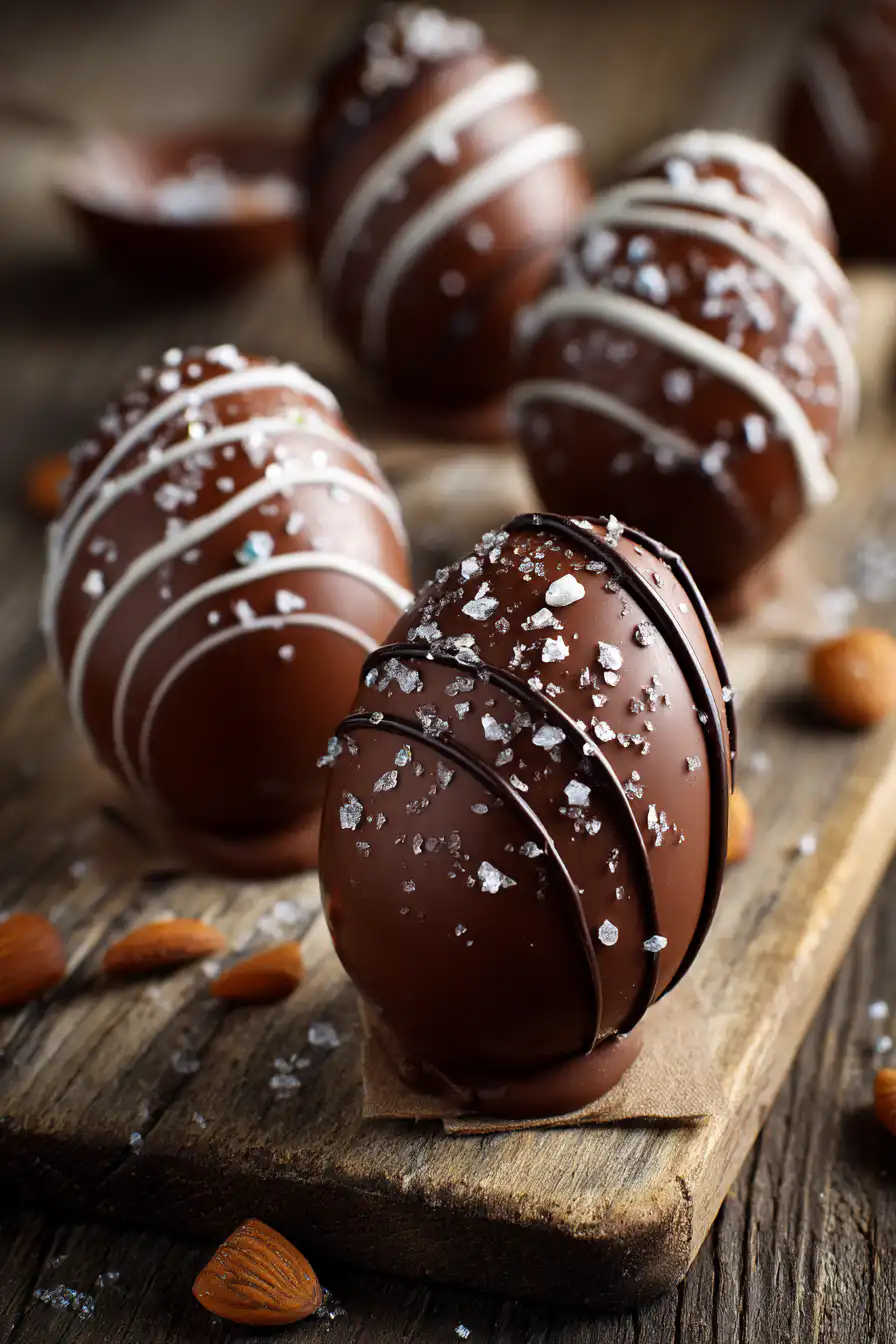
1. History of Chocolate Easter Eggs
The tradition of using eggs as symbols of fertility and rebirth goes way back to ancient civilisations. For hundreds of years, different cultures celebrated the start of spring with egg-centered rituals. In many old societies, eggs were seen as a sign of new life - an important symbol at the spring equinox when nature comes alive again. In some customs, eggs were dyed in bright colors to show the change of seasons or used in fun games and celebrations. Over time, this deep respect for eggs lead to the creation of chocolate easter eggs.
The switch to making eggs out of chocolate started in the 19th century, mostly in Europe. In 1828, the invention of the cocoa press by Coenraad Johannes van Houten changed how chocolate was made, making it smooth and easy to shape. By the 1840s, candy makers in England had begun crafting hollow chocolate eggs, sometimes filling them with treats like marzipan or candies. This new idea caught on real quick, and soon chocolate eggs became an important part of easter celebrations.
2. Types of Chocolate Easter Eggs
Chocolate easter eggs come in a crazy variety that appeals to different tastes. One of the most popular types is the classic solid chocolate egg. These eggs are made from high quality chocolate and come in many types like milk, dark, and white chocolate. They are usually decorated in fun ways that make them a great addition to any easter basket.
On the other hand, hollow chocolate eggs are a big hit with both kids and adults. These eggs are made by carefully moulding the chocolate, and they have a thin shell that you can fill with a bunch of treats. Many times, makers will put surprises like small toys, candies or even a small note inside these hollow eggs, making it extra fun to see what's inside.
Also, the world of chocolate easter eggs has grown to include new flavors and gourmet options. Artisan chocolatiers are now trying out unusual flavor combos, like adding sea salt, caramel, fruit purees, or even exotic spices. These fancy eggs usually cost more but offer a taste experience that is a step up from the usual easter treat. From rich hazelnut praline to tangy passion fruit, the creativity in these chocolate eggs shows off modern culinary trends and a rising love for special treats.
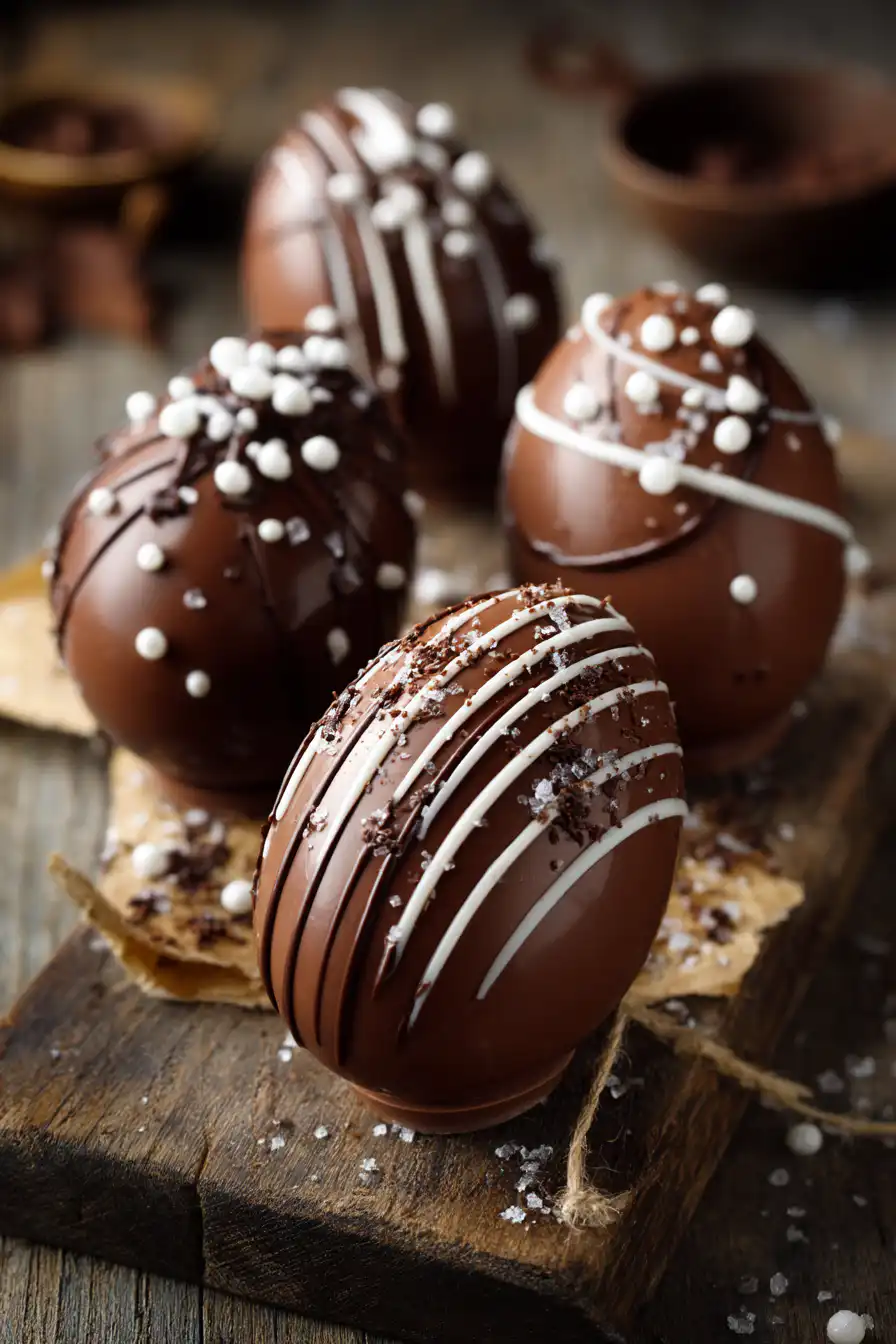
3. Nutritional Aspects of Chocolate Easter Eggs
While enjoying chocolate easter eggs, it's important to think about what goes into them. Although these treats taste great, knowing a bit about the ingredients and their effects on health is really helpful for people who are careful about what they eat.
3.1 Understanding Ingredients
Chocolate easter eggs usually contain ingredients like cocoa solids, sugar, milk powder, and emulsifiers. The quality of these things can be very different from one brand to the next. Eggs made with high quality dark chocolate often have a higher cocoa content and not so many additives, which can give a richer flavor and maybe even some health benefits if eaten in moderation.
3.2 Caloric Content
The number of calories in chocolate easter eggs can change a lot, depending on the size and type of egg. Solid chocolate eggs usually have more calories because they are denser, while hollow eggs are lighter since they contain air. For example, a typical solid chocolate egg might be around 200-300 calories, whereas a hollow egg could be between 100-200 calories. Knowing these differences can help you make better choices during your easter celebrations.
3.3 Healthier Alternatives
If you are watching what you eat or have allergies, there are some alternatives available. Dark chocolate eggs are often seen as a healthier choice since they have more cocoa and less sugar. Plus, some brands offer options like vegan chocolate or eggs sweetened with natural sugars. These choices let everyone enjoy easter treats without worryin about their diets.
4. How to Choose the Perfect Chocolate Easter Egg
Picking the right chocolate easter egg can be fun but also a bit confusing because there are so many choices. Whether it's a gift or a treat for yourself, there are a few things you can think about to make the best choice.
4.1 Considerations for Buying
When you're out shopping for chocolate easter eggs, remember to check the ingredients, flavours, and where the product comes from. Look for eggs made with high quality chocolate and as few fake additives as possible. It is also a good idea to check the cocoa percentage - higher percentages usually mean a stronger flavor and sometimes even more health benefits. Also, think about which type of chocolate the person you're buying for might like - be it milk, dark, or white. Reading reviews and product details can also help you figure out what to expect.
4.2 Kid-Friendly vs. Adult Options
Knowing who the egg is for can also help guide your choice. For kids, you might want eggs with bright colors and fun designs that come packed with little treats and candies. Eggs with cute wrapping or showing popular cartoon characters can make the gift extra special. For adults, gourmet or artisan options, which focus on unique flavours and premium ingredients, might be the way to go. Choosing the right egg for the person will definitely make their easter more fun.
5. DIY Chocolate Easter Eggs Recipe
5.1 Ingredients
To create your own awesome chocolate easter eggs, you will need these ingredients:
- 400g of high quality milk chocolate (or dark chocolate if you want a richer flavor)
- Optional: a mix of fillin's like mini candies, dried fruits, or nuts
- Decorative bits: edible glitter, colorful sprinkles, or frosting
5.2 Directions
Follow these step-by-step instructions to make your chocolate easter eggs:
- Melting chocolate: Start by chopping the chocolate into small bits and melting it in a heatproof bowl over simmering water or in the microwave. Stir often until it is smooth.
- Moulding: Once melted, pour a layer of chocolate into your egg moulds, making sure it covers evenly. Let the chocolate set a little bit before adding another layer so it gets strong.
- Setting: Put the moulds in the refrigerator for about 15-20 minutes, or until the chocolate is fully hardened.
- Filling: When they are set, gently remove the chocolate shells from the moulds. If you want, fill the hollow parts with candies or little notes before topping it with another layer of chocolate.
- Decorating: Have fun decorating the eggs with edible glitter, sprinkles, or even designs made with extra melted chocolate to give them a festive look.
5.3 Tips and Advice
To stop common issues, make sure your moulds are really clean and dry before you use them so the chocolate won't stick. Working in a cooler room can also help the chocolate set faster. And if you want to add fillings, let the melted chocolate cool a bit first so it doesn't melt the filling away.
6. Creative Ways to Use Chocolate Easter Eggs
Chocolate easter eggs aren't just for eating; you can use em in many creative ways during the holiday. Here are some fun ideas to put these treats to good use in your celebrations.
6.1 Decorating Ideas
You can turn your chocolate eggs into cool decorations by adding your own touch. Use edible paints or icing to create fun, colorful patterns on the eggs. You can also arrange the decorated eggs in a basket or on a platter to make your easter brunch table look extra festive. This can turn into a fun activity that kids and adults alike can enjoy.
6.2 Recipes Incorporating Chocolate Easter Eggs
Plus, chocolate easter eggs can be used in lots of yummy recipes. You might crumble them into cookie dough to make a cool chocolate chip cookie twist or even mix them into a rich chocolate cake. Another idea is to layer crushed eggs with whipped cream, fruit, and cake pieces to make a fun chocolate trifle that really captures the easter vibe.
7. Chocolate Easter Egg Traditions Around the World
Chocolate easter eggs have a special spot in many different cultures. Here, we look at some unique customs and how many places celebrate these tasty treats.
7.1 Unique Customs
In many countries, easter egg traditions run deep in the local culture. For example, in Switzerland, fancy chocolate eggs filled with praline or marzipan are often swapped as gifts among friends and families. In Greece, dyeing eggs red is a way to show the blood of Christ, and some families now make chocolate versions of these eggs to share at easter meals. These different customs show how chocolate easter eggs have blended into celebrations all over the world.
7.2 Chocolate Production and Consumption by Country
Various countries also show different tastes when it comes to making and eating chocolate easter eggs. In places like Belgium and France, famous for their artisan chocolates, local chocolatiers create pretty hand-decorated eggs that are shown off in fancy displays. In the United States, the easter egg market is taken over by big brands like Cadbury and Hershey, each giving their own twist on this holiday favorite. Looking at these traditions reveals how much the whole world loves chocolate easter eggs during the season.
8. FAQs
8.1 Common Questions
Here are some common questions about chocolate easter eggs:
- What are chocolate easter eggs made of? They are mainly made from chocolate, which usually includes cocoa solids, sugar, and milk, plus sometimes extra fillings and flavors.
- How do you store chocolate easter eggs? Keep them in a cool, dry place away from strong sunlight. If you can, put them in an airtight container to keep them fresh longer.
- What is the significance of chocolate easter eggs? These eggs stand for new life and rebirth, matching easter's themes of renewal and the resurrection of Christ.
- Can you make chocolate easter eggs with kids? Sure! Making chocolate easter eggs can be fun and is a great activity for kids, letting them add their own decorations and fillings.
chocolate easter eggs
Equipment
- 1 mixing bowl
- 1 silicone egg molds (12-cavity)
- 1 double boiler or microwave-safe bowl
- 1 spoon or spatula
- 1 piping bag (optional)
- 1 refrigerator
Ingredients
- 12 oz milk chocolate chips
- 4 oz dark chocolate chips
- 1 cup filling (such as peanut butter, caramel, or chocolate ganache) Customize the filling based on your preferences.
- optional decorations (sprinkles, colored sugar, or edible glitter) Optional for decorating the eggs.
Instructions
- Prepare the silicone molds by placing them on a baking tray to catch any drips.
- In a double boiler or microwave, melt the milk chocolate chips until smooth. If using a microwave, heat in 30-second intervals, stirring in between.
- Once melted, use a spoon or spatula to coat the inside of each egg mold with a layer of the melted milk chocolate. Make sure to cover the edges well. Refrigerate for about 10-15 minutes until set.
- After the first layer is set, apply a second layer of melted milk chocolate to make the eggs more sturdy. Return to the refrigerator for another 10-15 minutes.
- Once the chocolate interior is firm, carefully fill each egg with your desired filling, leaving a bit of space at the top.
- Melt the dark chocolate chips using the same method as before. Spoon or pipe the dark chocolate over each filled egg to cover completely.
- If desired, sprinkle decorations on top of the dark chocolate while it's still wet.
- Place the filled eggs back in the refrigerator for 15-20 minutes to set completely.
- Once fully set, carefully remove the chocolate eggs from the molds and serve.