When I was kid I remember standing on tiptoes and watching my grandma swirl butter in a hot pan with fresh garlic and a big squeeze of lemon. I urge you to recall how that smell would sneak out of the kitchen and curl around the house like a gentle promise. We didnt know much about fancy talk or measurements back then yet we felt every moment was special. You could almost feel the heat rise as she dipped each piece of chicken in egg then rolled it in flour before it hit the hot oil. That simple dredge trick set the stage for something youll never forget
I urge you to remember how the lemon butter sauce would bubble like tiny suns and play with the edge of that golden crust. Youd get a whiff of that tangy steam and dang it made your stomach talk. You watched the protein char along the rim as each flip drew you closer. Those first bites taught you how simple can feel profound if you just slow down enough to taste it
As my hands grew bigger I learned to do those same moves on my own. I would press the meat flat with the palm of my hand and feel the texture change beneath my touch. I want you to reflect on how those raw pieces and eggs got to dance in a pan before turning tender and bright. Its a memory that lives inside me and I hope it finds a home inside you too

Fire craft plain words science
There is no trick to why that chicken gets a crust you can still taste days later. It all starts with pan heat and moisture. When you pour in butter it hits the hot metal and turns to foam before it browns. That foam carries flavor compounds that stick to each slice of meat. Its a simple science but you feel it in your mouth
Then you add lemon juice and a splash of white wine to deglaze the pan and pull up all those brown bits that stuck there. You might wonder how a bit of acid and a bit of alcohol can bring everything to life. You just watch it sizzle and bubble until it thickens and coats your chicken with glossy sauce
You remember that protein char on the edges that gave each bite a little bite. You can think of that as a chewy bonus after you spoon sauce across your plate. When you learn to pan sear that meat just right you unlock a basic kitchen hack worth its weight in comfort
Pantry grains and spice list six to eight items
Before you start on Chicken Francese you want to gather tools and all key bits so you dont fuss mid cook. It is kinda cool how this recipe needs just a few things to come alive yet it tastes like a big deal. Each item has a role to play some for coat some for sauce and some to lift the flavor. With these in hand you can trust youll make something dang tasty every time
- Chicken breasts without skin or bone
- Large eggs for dipping and binding
- All purpose flour for dredge
- Salt to bring out flavor
- Freshly ground black pepper for a little heat
- Dry white wine to deglaze the pan
- Lemons for fresh juice and zest
- Unsalted butter for richness
Now that youve got your pantry set its easier to focus on each step. If you swap lemon for lime youll get a tangy twist. If you skip the wine you might use chicken stock but you lose that subtle depth. Yall can try these swaps but stick to the list first. That way you learn how each thing works and why simple can taste so grand
Dough knead ritual steps
We start by pounding each chicken breast with your fist or a heavy pan until its even in thickness. I urge you to feel for thin spots and press them out. This helps the meat cook even and soak up more sauce as it simmers. You remember how endless pounding felt but you learned to respect that first touch
Next you set up your station with three shallow bowls in a row. One holds flour seasoned with salt and pepper one holds gently beaten eggs and the last sits empty for used scraps. You move each slice through this line like a little conveyor of flavor. Each dunk and roll counts and you can feel the weight change in your hands
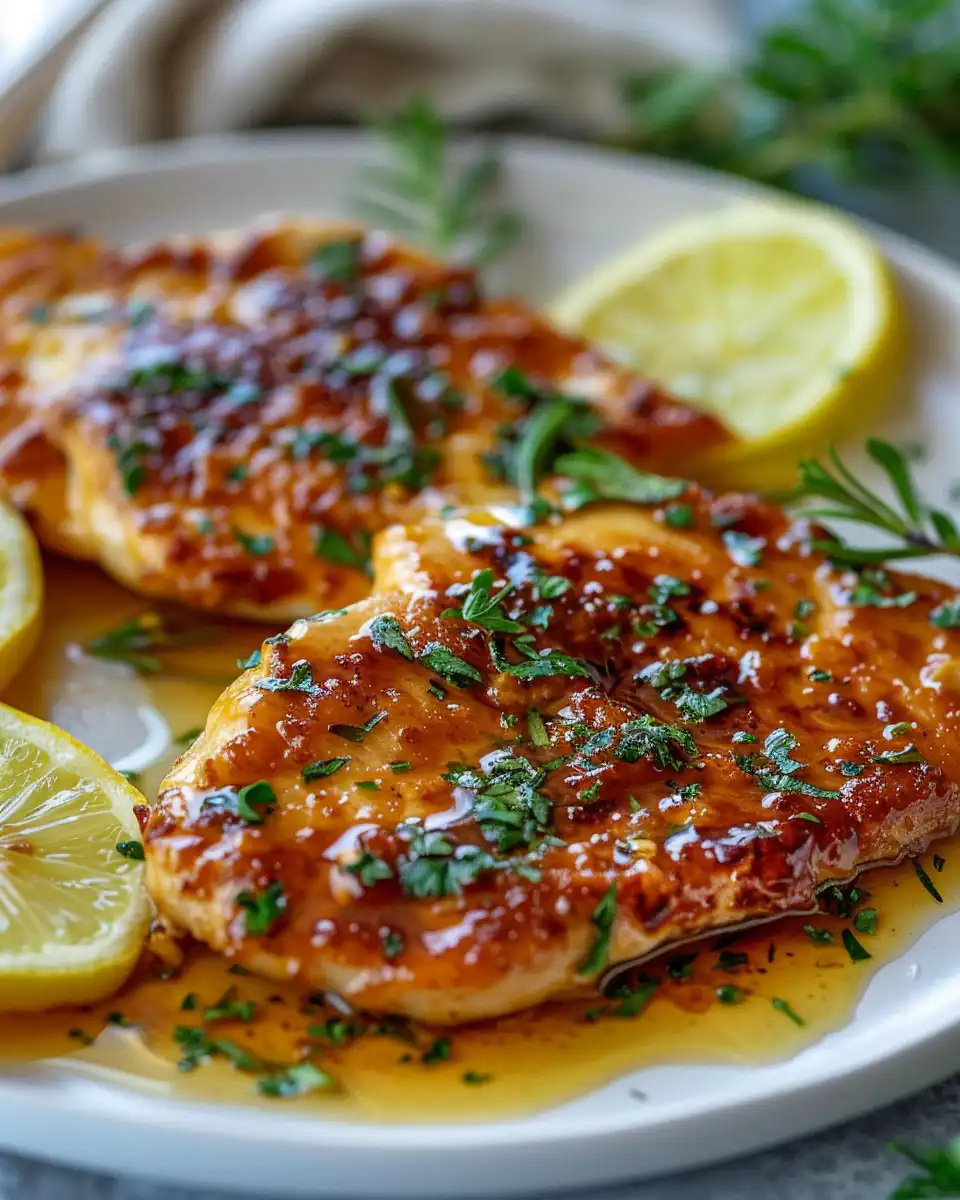
When the meat emerges from the flour shake off excess then dip in egg then back in flour. It creates a thin cloak around the chicken that browns crisp in the pan. Dont let clumps form or youll get spots that burn faster. You want a smooth even coat for a nice golden finish
Heat your pan on medium high and add a mix of butter and oil. Wait until its shimmering then gently lay each piece flat into the surface. You hear the sizzle and feel the heat ripple up. Let it cook untouched for a couple minutes until the edges look dry and golden
Flip with tongs and watch for that protein char around the rim. Each side needs its moment of sear so you lock in flavor. Press down lightly to keep contact and turn again if needed. It seems like a small thing but youll see how much texture adds to each bite
Once all cuts are browned slide them to the side or out of the pan and lower heat. The pan is now ready for sauce and shows off those brown bits that will boost your final creation. Youve done the hardest part now stand back and watch the next act unfold. Youre ready to finish with sauce building in the very same pan
Rising dough aroma scene
Right after the meat comes out you add garlic and shallots or onion to the empty pan. The heat coaxes out their scent like a rising loaf in a warm room. You inhale that combination of butter wine and lemon with every stir. It feels like someone pressed start on comfort itself
Then you pour in fresh lemon juice and a splash of white wine. The liquid hits the pan and fizzes up carrying those tiny brown bits into the sauce. You smell how it thickens as it simmers and draws your senses near. Its a scent that promises bright and buttery goodness. Its the moment you knew dinner was complete
Flip and char checkpoints
When the sauce is nearly thick you slide chicken back into the pan at a slight angle so each piece gets a glaze. You look for the point where sauce clings to flesh like a fine coat. If its too thin you cook a bit more if its too firm you add a splash of water or wine to loosen it
You keep an eye on the edges for a little color flash from char. That slight dark edge isnt to burn things but to add chew and depth. Youd call it a savory fringe that makes each bite speak up. Watch how the heat works around that rim like a painter on canvas
Just when you think its ready you taste a drip of sauce and look at the grain of the meat. The chicken should be firm yet tender and the pan juices should slide off your spoon with ease. Then youre good to plate and serve up what you learned to do by heart
Smoke kiss notes
A light wisp of smoke sometimes curls up when butter starts turning brown around the edges. You learn to catch that note so you dont let it cross over into bitter. Its like a kiss of fire that adds a whisper of warmth without burning your taste buds. You choose few moments over many to keep it pleasant
Those tiny brown specks in the sauce carry what youd call nibs of flavor theyve got a smoky roasted voice in an otherwise soft pool of lemon and butter. Each time you stir you let the aromas chase each other around the room bringing back old memories all fresh and new at once
Shared platter touches
To serve you spread a big platter with parsley or a bed of wilted greens then arrange each chicken piece close together. You want to see the golden edges glisten under soft light. A few fresh lemon wedges on the side invite everyone to squeeze extra zing onto their plate
Sprinkle chopped parsley over the top and let it catch in little pockets of sauce. Its a small act that makes the dish feel alive and bursting with color. You might add a few roasted cherry tomatoes or steamed asparagus as side details
Then pass the platter around the table and watch each face light up. Its where cooking meets connection. There is something dang satisfying about a shared meal when you know youve poured care into each flip and stir
Seasonal stuff twist
In spring you might stir fresh herbs like tarragon and basil into your sauce right before you pull the pan off heat. Those green notes shine against the lemon butter base and feel crisp as new leaves. Add thin pea shoots on top for a spring garden effect
In fall you might swap half the butter with a drizzle of olive oil and add a pinch of ground sage or thyme. The earthier taste warms you as temperatures drop it sort of echoes ember vibes if you close your eyes. Yall can tuck in roasted squash or mushrooms for more depth
In winter you could stir in a splash of chicken broth and top with shaved fennel or roasted root veggies. It brightens heavy nights and keeps you feeling snug
Store reheat love guide
If you end up with leftovers pack chicken pieces and sauce in an airtight container. You want to keep that sauce sealed in close touch with the meat. When its time to reheat let it sit out a few minutes to come closer to room temperature
To reheat you can use a skillet on low heat. Add a little splash of water and cover for a few minutes. The steam helps warm the chicken gently and revives the sauce. Dont blast it with high heat or youll dry things out
Microwave works too just cover loosely with a damp paper towel. Heat for short intervals stirring between them for even warmth. Youd be surprised how much that simple trick wakes up the lemon butter cloak
Once its hot but not scorching plate it over buttered pasta or rice or even in a sandwich. Youll find those day old bites taste almost as good as fresh and youd feel proud to serve them again
Family toast and FAQs
Before we wrap up lets raise a glass and toast simple meals and shared moments. Youve done more than cook chicken youve made memories. Chicken Francese shows that little steps with care can feed more than just hunger they feed connection. Here is to kitchen sparks that glow brighter than any flame
Q What do I do if the sauce feels too thin
A You just let it simmer a bit longer off the chicken and watch as it reduces and thickens on its own. If its too thick add a tiny splash of wine or water and stir gently
Q Can I use gluten free flour
A Yes you can you just need a brand that behaves like all purpose flour for the coating job. Just keep an eye on browning times as it might take a second or two more to get that golden sear
Q What wine is best for the sauce
A A dry white like pinot grigio or sauvignon blanc works great. Dont pick something too heavy or sweet because it can make the sauce taste off balance
Q Can I make Chicken Francese ahead
A You can prepare the dredge and beat the eggs a day before and keep chicken covered in fridge. When you cook fresh it still sears up right and the sauce taste bright. Just start from the sear step for best results
In the end you pick what fits your taste and season and you stay true to that simple sizzle so every flip carries that memory forward
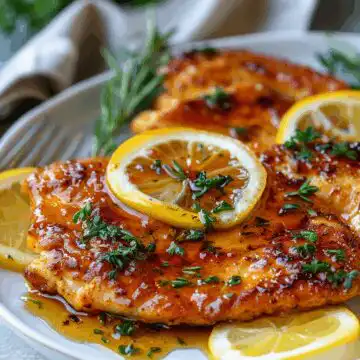
Chicken Francese
Equipment
- 3 shallow bowls
- 1 whisk or fork
- 1 large skillet
- 1 tongs or spatula
- 1 plate for draining
- 1 measuring cups and spoons
Ingredients
- 4 pieces boneless, skinless chicken breasts About 1.5 pounds.
- 1 cup all-purpose flour
- 3 large eggs
- ¼ cup fresh lemon juice About 2 lemons.
- ½ cup chicken broth
- ¼ cup unsalted butter Half for cooking, half for sauce.
- 3 tablespoons olive oil
- ¼ cup fresh parsley, chopped
- to taste salt
- to taste pepper
- optional lemon slices for garnish
Instructions
- Begin by preparing the chicken. Place the chicken breasts between two sheets of plastic wrap and gently pound them to an even thickness of about ½ inch. Season both sides with salt and pepper.
- Set up a breading station with three shallow bowls: one with flour, one with beaten eggs (seasoned with salt and pepper), and one with chicken broth combined with lemon juice.
- Dredge each chicken breast in the flour, shaking off the excess. Then, dip it into the egg mixture, allowing the excess to drip off. Finally, dip the chicken into the lemon broth mixture.
- In a large skillet, heat 2 tablespoons of olive oil and 2 tablespoons of butter over medium-high heat.
- Once hot, carefully add the chicken breasts to the skillet in batches (if needed to avoid overcrowding). Cook for about 4-5 minutes on each side or until golden brown and cooked through. Use tongs to flip the chicken.
- Remove the cooked chicken and place on a plate lined with paper towels to drain.
- In the same skillet, lower the heat to medium and add the remaining butter. Once melted, pour in the chicken broth and lemon juice mixture. Stir to combine and bring to a gentle simmer.
- Add the cooked chicken back to the skillet, spooning the sauce over the top. Allow it to heat through for about 2 minutes.
- Remove from heat, sprinkle with fresh parsley, and garnish with lemon slices if desired.
- Serve hot with your choice of side dishes.