That first hiss from the cooker tells you something good is happening. It's like the whole kitchen breathes with you, locking in warmth and hope all at once. You remember that little float valve popping up, saying the pressure's just right and things are about to get dang tasty.

When you start this Brioche suisse, you gotta feel your way through the dough. It's soft, rich, kinda buttery and sticky under your fingers. The yeast does its thing, rising slow and steady, making you wanna check back just a bit sooner than later, 'cause you know that tender pull is coming.
By the time the valve hiss fades and you do a slow release, you're excited to smell that sweet pastry cream mixing with those chocolate chips. It's not just baking; it's this whole comforting ritual. Y'all ready for that flaky, soft, buttery roll to hit your plate warm? Yeah, it's worth every single minute.
What Makes Pressure Cooking Win Every Round
- Fast and even heat means your Brioche suisse gets that tender crumb way quicker than usual.
- The sealed environment traps moisture so your dough stays juicy and soft, never dry or crumbly.
- You don't gotta babysit the oven or guess when it's done - the float valve and valve hiss tell you all about the timing.
- Pressure cookers can gently bake delicate pastries without drying them out like some ovens tend to do.
- Using quick release or slow release techniques helps tailor the baking for perfect texture, whether you want fluffier or denser bites.
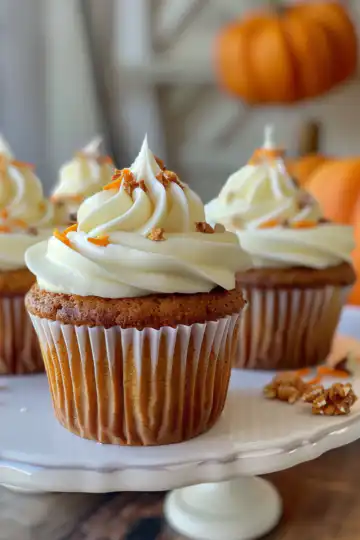
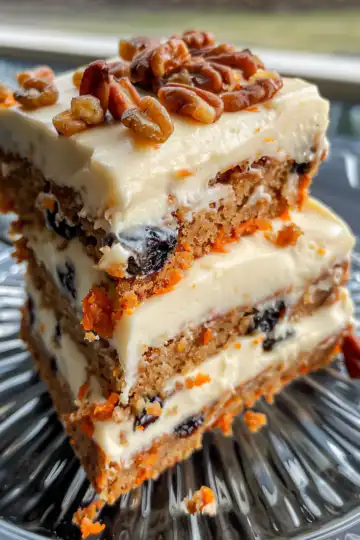
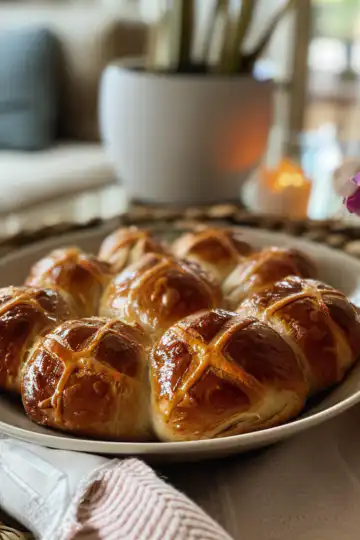
When you want to explore other pressure cooker baking wonders, our Carrot Cake Cupcakes are a great choice, delivering moist and tender crumb with cozy spices. Also, check out our Classic Hot Cross Buns for soft, fragrant buns made effortlessly with steam cues guiding your way.
Your Simple Ingredient Checklist
- 500g all-purpose flour - foundation for that soft dough.
- 75g sugar - sweetness that plays nice with the cream and choc chips.
- 10g salt - just a pinch to bring flavors to life.
- 25g fresh yeast - yeast gotta be fresh so dough rises right.
- 250ml milk - warms up the yeast and keeps dough supple.
- 3 large eggs - make dough rich and tender.
- 200g unsalted butter, softened - butter's what makes brioche, well, brioche.
- 200g pastry cream - gooey, sweet filling that melts into the dough.
- 100g chocolate chips - gotta have those little pockets of melty chocolate all through your rolls.
- Extra flour for dusting and rolling - keeps your hands and surface ready for working dough.

The Exact Process From Start to Finish
Step 1: In a big bowl, mix your flour, sugar, and salt together. Make sure it's well combined 'cause you want that even taste in every bite.
Step 2: Warm up your milk just a bit so it's cozy but not hot. Dissolve the fresh yeast in it and pour all that good stuff into your dry mix.
Step 3: Crack in your eggs and stir the whole thing until you start getting dough. It's kinda sticky at first but don't worry, that's the charm.
Step 4: Knead the dough for about 10 minutes. Then, work in that softened butter slowly until it's smooth and glossy. This part's key for your brioche texture.
Step 5: Cover your dough and let it rest in a warm spot for an hour or until it's doubled. This waiting is hard but so rewarding.
Step 6: Roll out your dough on a floured surface into a rectangle shape. Spread the pastry cream evenly over it then sprinkle chocolate chips on top. Roll tight, slice into pieces, and put 'em in your baking dish. Let 'em rise for 30 more minutes before baking at 180°C (350°F) for 25-30 mins until golden. If you're using the pressure cooker for part of this step, watch the float valve and listen for that valve hiss, then do a slow release when it's done.

Easy Tweaks That Make Life Simple
- Use store-bought pastry cream if you're in a rush. It still tastes great and cuts down your prep a lot.
- Swap fresh yeast with instant yeast if fresh isn't handy. Just mix it right into your dry ingredients and skip dissolving step.
- If you wanna save time on kneading, throw the dough in a mixer with dough hooks. Works real good and keeps your hands happy.
- For a quick cleanup, line your baking dish with parchment paper before placing the rolls. No sticky mess, y'all.
Need a quick sweet treat with simple prep? Our Simply Carrot Cake Cupcakes are a perfect match for busy days too, bringing cozy flavors right to your table.
That First Bite Moment
When you pull that fresh brioche from the pressure cooker, you're greeted with this soft, warm smell that kinda wraps around you like a cozy blanket. You sense the rich blend of buttery dough mixed with the sweet vanilla from the crème pâtissière.
The outside is golden and slightly crisp, while the inside pulls apart soft and tender. Each bite melts on your tongue, with chocolate chips adding surprise pockets of sweetness that make you wanna close your eyes and just savor it.
This ain't just any sweet bread y'all. You feel the care in each piece, from the rolling and spreading to the gentle pressure cooking that keeps everything moist. Dang, it's a taste that keeps you coming back for more.
Smart Storage That Actually Works
If you've got leftovers, wrap your brioche tight in plastic wrap to keep that softness locked in. Store it in the fridge for up to three days but bring it back to room temperature before eating.
For longer storage, slice and freeze the brioche in an airtight bag. When ready to eat, pop slices in the toaster or microwave just enough to get that tender pull back.
Another cool trick is reheating gently in your pressure cooker using steam mode for a few minutes. This keeps the brioche moist and fresh without drying out the crumb.
Common Questions and Real Answers
- Can I substitute fresh yeast with dry? Yeah, you can. Use about a third of fresh yeast amount. Just mix it with dry ingredients then add wet stuff. No need to dissolve.
- Is it safe to bake brioche in a pressure cooker? Absolutely. As long as you're watching the float valve and using the right pressure settings, your brioche cooks evenly and stays moist.
- How do I get that perfect golden crust? After pressure cooking, you can pop your brioche under a broiler or in a hot oven for a couple minutes to crisp it up.
- What's slow release vs quick release? Slow release means you let pressure drop naturally before opening. Quick release means you open valve right away to release steam fast. For brioche, slow release helps keep texture tender.
- Can I make the dough a day ahead? Yup, just cover and refrigerate it after first rise. Let it warm up before rolling and adding filling.
- Why does my brioche sometimes come out dense? Could be overworking the dough or not letting it rise enough. Also make sure your yeast is fresh and dough feels springy, not tight.
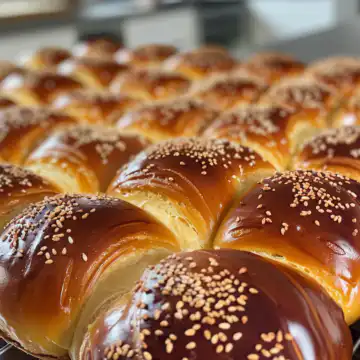
Brioche suisse (à la crème pâtissière et pépites de chocolat)
Equipment
- 1 Mixing bowl Large for dough mixing
- 1 Rolling pin For dough rolling
- 1 Pressure cooker For baking brioche
Ingredients
Main ingredients
- 500 g All-purpose flour for soft dough
- 75 g Sugar plays nice with cream and choc chips
- 10 g Salt just a pinch to bring flavors to life
- 25 g Fresh yeast fresh is best for rising
- 250 ml Milk warms up the yeast
- 3 Large eggs make dough rich and tender
- 200 g Unsalted butter softened, makes brioche
- 200 g Pastry cream gooey, sweet filling
- 100 g Chocolate chips for little pockets of melty chocolate
- Extra flour for dusting and rolling
Instructions
Instructions
- Mix flour, sugar, and salt in a large bowl.
- Warm milk, dissolve yeast in it, then add to dry ingredients.
- Add eggs and stir until dough starts to form.
- Knead for about 10 minutes, adding butter slowly until smooth.
- Let dough rest for an hour or until doubled in size.
- Roll out dough, spread with pastry cream, sprinkle chocolate chips.
- Roll into tight log, slice, place in baking dish.
- Let rise for 30 minutes, bake for 25-30 minutes at 180°C (350°F).
- For pressure cooking, use slow release method after valve hiss.
- Enjoy warm and fresh from the cooker.