The pot lid rattles and you know dinner is almost ready. That sound kinda gets your brain all excited, thinking about what's cookin' inside. It's that little rattling that tells you the pressure's built up and the timer's about to ding.
You catch a whiff of something warm and cozy, and it's not your usual stew or roast. Today, you're doing something sweet, something a bit different from your regular pressure cooker lineup. It's amazing how this simple gadget can be your best friend not just for dinners but for desserts too.
You recall that fluffy yogurt cake recipe you've been wanting to try. No flour, no butter, no oil, just three ingredients. Sound kinda crazy but it works real good, giving you a soft, moist cake that feels like a cloud on your tongue. And best part, it's done faster than you'd expect when you let the pressure cooker do its thing with just a quick release at the end.
The Truth About Fast Tender Results
- Pressure build in your cooker traps steam, so the heat is even and constant.
- This intense heat cooks the yogurt cake batter quickly without drying it out.
- Quick release helps prevent overcooking so the cake stays tender.
- Natural release can be used if you want the cake to finish cooking gently.
- The sealed environment preserves broth depth, keeping moisture locked in for softness.
- Using the pressure cooker means you skip the long bake times but don't lose any flavor.
What Goes Into the Pot Today
- 4 large eggs, separated and straight from the fridge - cold whites beat better for that fluffy texture.
- 1 cup whole milk plain Greek strained yogurt - this keeps your cake moist and rich without any flour.
- ¾ cup full fat sweetened condensed milk - adds sweetness and creaminess naturally.
- A pinch of salt might sneak in just to balance the sweetness a bit, but totally optional.
- Cooking spray or a bit of butter for greasing the pan so the cake doesn't stick.
- Parchment paper to line your cake pan - makin' sure you can get that cake out clean.
- A 9-inch round cake pan - fit it right inside your pressure cooker.
- Some water at the bottom of the pressure cooker so you get that steam working its magic.
How It All Comes Together Step by Step
- Preheat your oven to 350°F (175°C) if you want to prep the pan and get the ball rolling, or go directly for the pressure cooker method straight away.
- Grease the 9-inch round cake pan with cooking spray or butter, or line it with parchment paper to keep the cake from sticking.
- Separate the egg whites from the yolks carefully. You wanna keep those whites clean of any yolk, helps 'em beat up real stiff.
- Beat the egg whites until they hold stiff peaks. You'll notice when you lift the whisk the peaks stand tall and don't flop over.
- In another bowl, whisk the Greek yogurt and sweetened condensed milk together until smooth and creamy.
- Gently fold the egg yolks into the yogurt mixture until everything's well combined, but don't overmix.
- Carefully fold the stiff egg whites into the yogurt and yolk mix little by little, 'cause you don't wanna deflate those fluffy peaks. Slow and gentle wins here.
- Pour this batter into your prepared pan and smooth the top with a spatula. Place the pan in your pressure cooker, add about a cup of water to the pot bottom for good broth depth, lock the lid, and bring to pressure. Cook for about 30 minutes with a natural release for best texture.
Smart Shortcuts for Busy Days
- You can separate and beat your eggs ahead of time and keep the whites covered in the fridge until ready.
- Use full-fat Greek yogurt straight from the fridge, no need to let it warm up - it beats better cold.
- Mix your yogurt and condensed milk the night before, so you just fold the eggs in the next day.
- If you're in a real rush, quick release the pressure cooker instead of natural release, just keep an eye so it doesn't crack the cake surface.
What It Tastes Like Fresh From the Pot
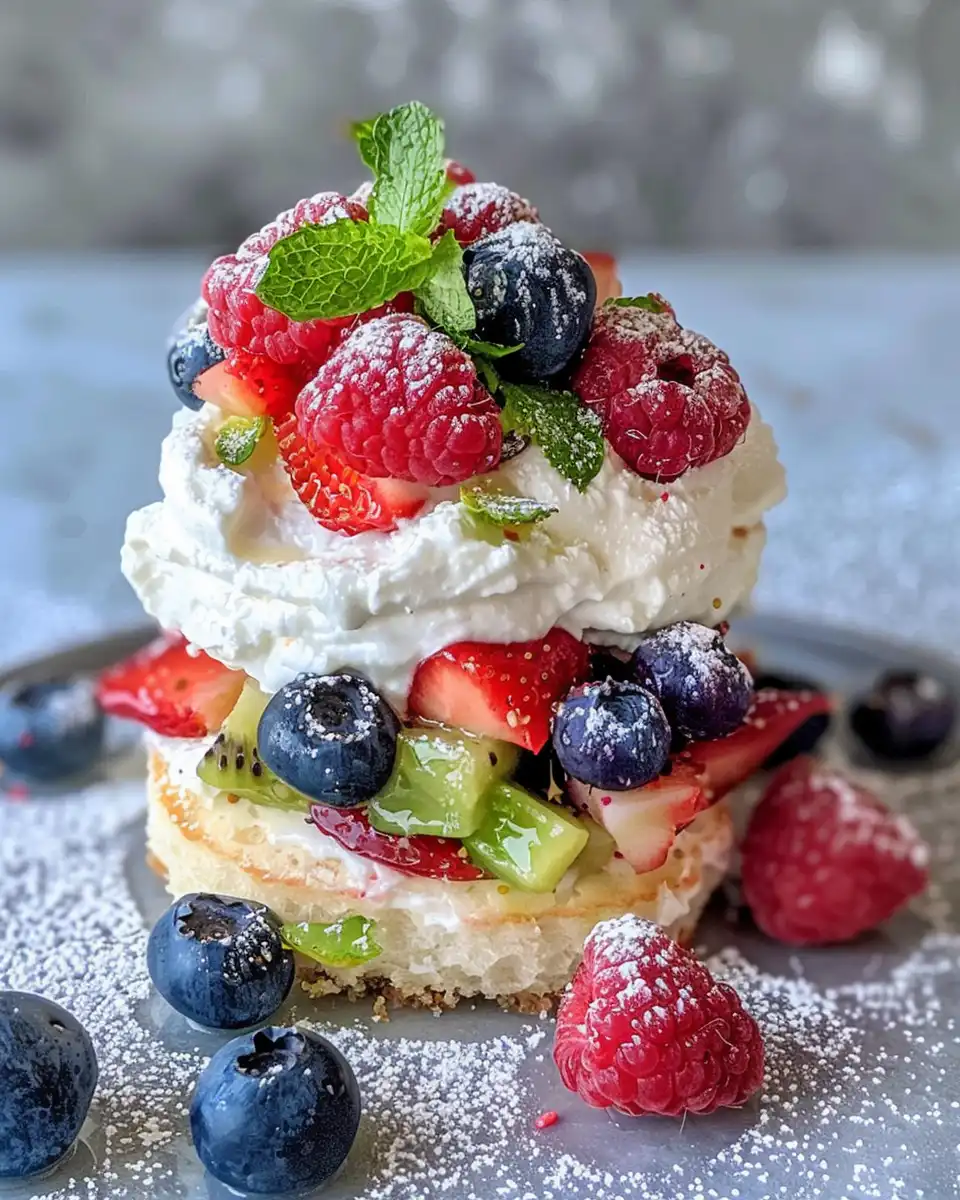
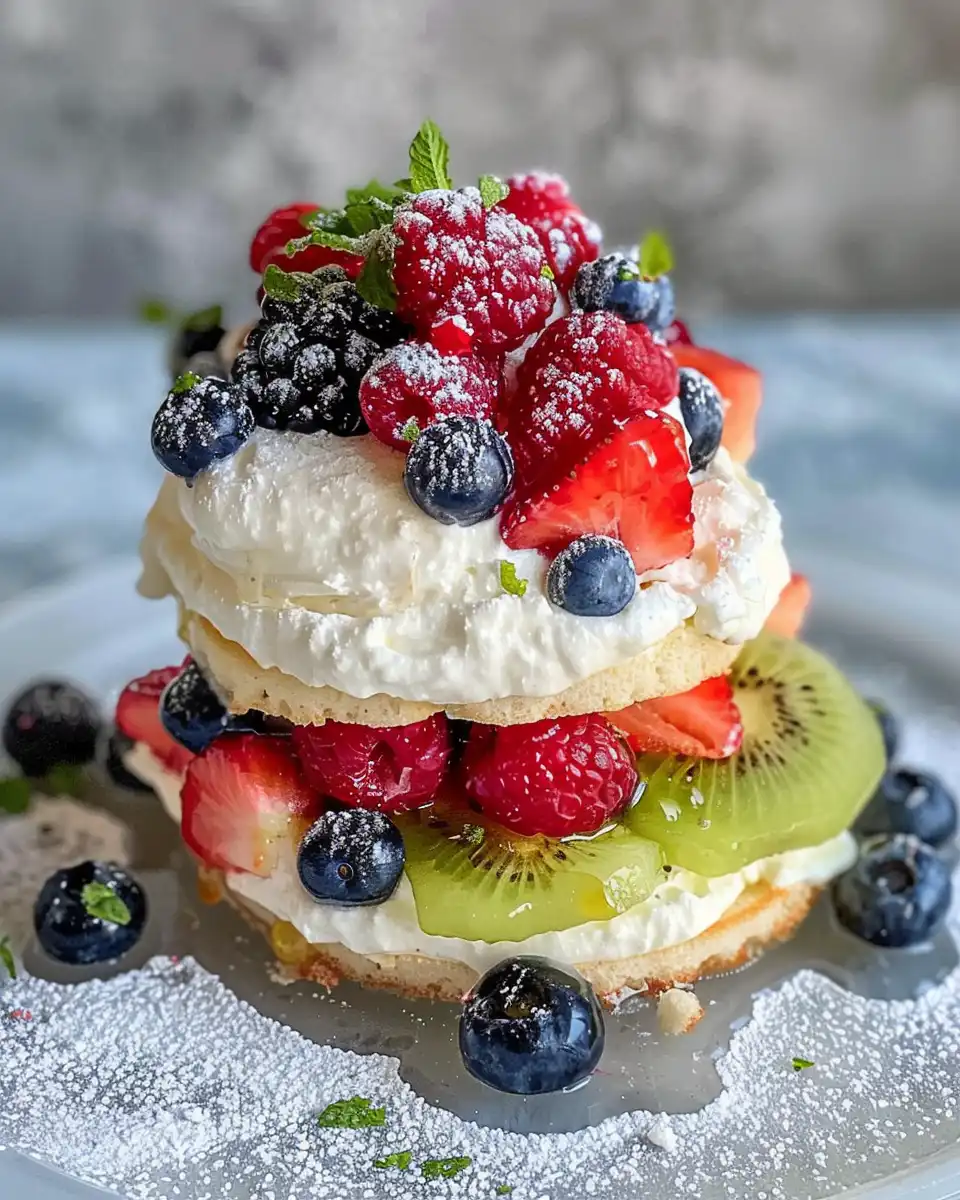
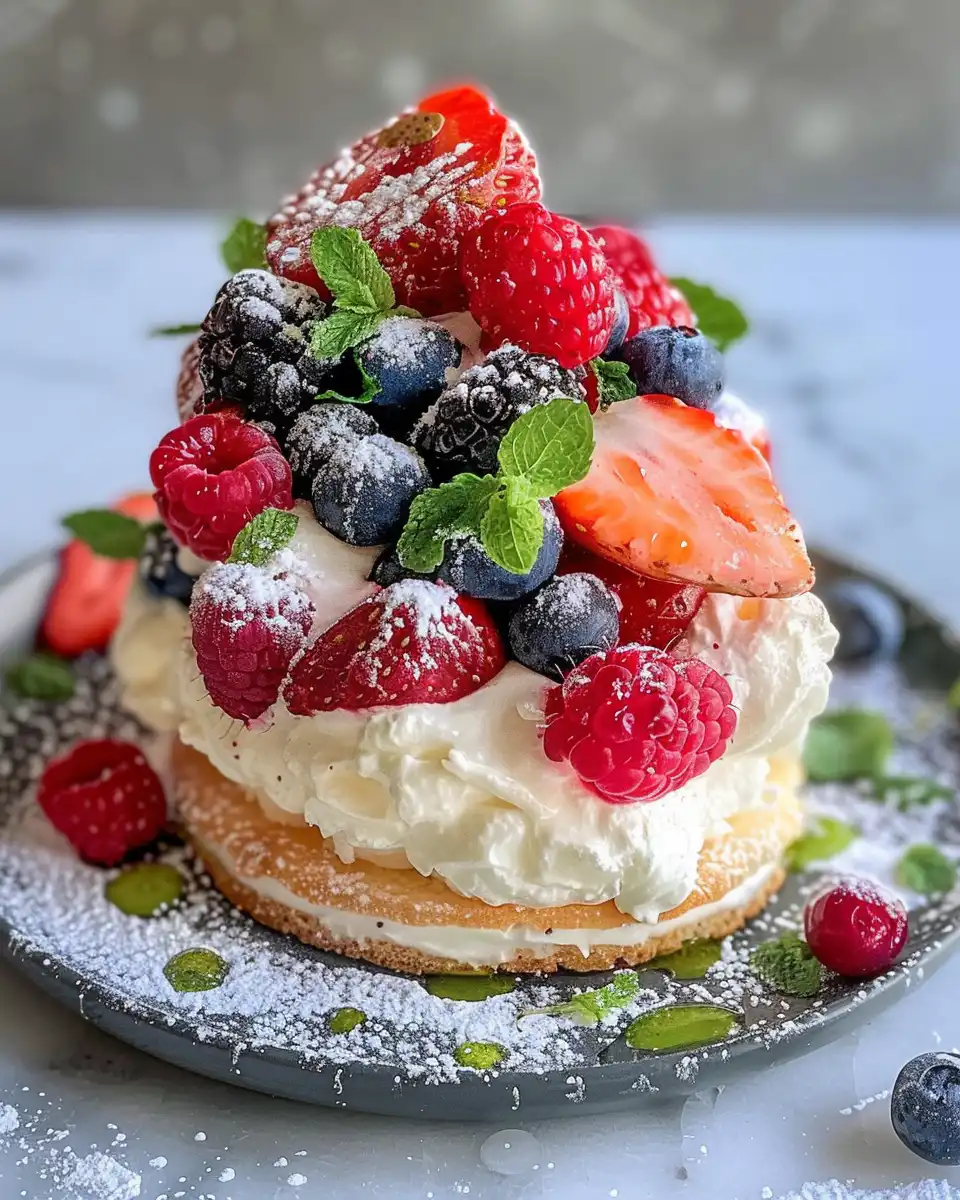
You'll notice the cake comes out so soft and kinda spongy, almost like a cloud you can eat. It's moist without being gooey, and the yogurt gives it this subtle tang that's pleasantly surprising.
The sweetness isn't overpowering, thanks to that sweetened condensed milk mixing in, which adds a bit of caramel-like note. You sense the creaminess right away, making it feel rich even if it's pretty simple inside.
Every bite melts gently in your mouth and you catch a whisper of vanilla-like warmth that keeps you going back for another slice. It's just the kinda dessert you wanna savor slow with tea or coffee.
Your Leftover Strategy Guide
- Refrigeration: Wrap the leftover cake tightly in plastic wrap or keep it in an airtight container. Store in the fridge and eat within 3-4 days for best texture and freshness.
- Freezing: Slice the cake into portions first, then wrap each piece in plastic wrap and pop them in a freezer safe bag or container. Thaw overnight in the fridge when you wanna enjoy them.
- Room Temperature: If it's just a day or so, you can keep the cake covered on the counter in a cake dome or sealed box. But don't push it past 24 hours or it'll start drying out.
Everything Else You Wondered About
- Can I use low fat yogurt instead of whole milk Greek yogurt? You can but whole milk yogurt gives you that nice creamy texture and moist crumb - low fat might make the cake less fluffy and a bit dense.
- Why no flour, butter or oil in this cake? The yogurt and egg whites act like the structure builders here, so adding flour or fat isn't needed. This keeps the cake light and moist naturally.
- How important is the egg white beating? Super important! Stiff beaten egg whites create the air pockets that make the cake fluffy. If the whites aren't stiff enough, cake won't rise well.
- What's the best way to fold egg whites without deflating? Use a big spoon and gentle motions, folding from the bottom up. Do it slowly and don't mix too hard or you'll lose that volume.
- Do I really need a quick release or natural release? For this cake, natural release is best to avoid cracks and keep moisture. Quick release's okay if you're in a hurry, but be gentle when opening the lid.
- Can this cake be made in the oven instead? Totally, baking at 350°F for about 30 minutes in a greased pan works just fine. The pressure cooker just speeds things up and keeps moisture locked in better.
Wanting some other sweet pressure cooker treats? Check out our Samoa Box Mix Brownies or try the creamy Greek Yogurt Blueberry Cake for variety and fun dessert ideas. Both bake perfectly in your cooker and are family favorites!
For savory comfort, you might enjoy fluffy one pot meals like Chicken Broccoli and Cheese Casserole or hearty Guinness Beef Stew to warm your evenings. Happy cooking!
3 Ingredient Fluffy Yogurt Cake
Equipment
- 1 9-inch round cake pan fit inside the pressure cooker
Ingredients
Main ingredients
- 4 large eggs separated, straight from fridge
- 1 cup whole milk plain Greek yogurt
- ¾ cup full fat sweetened condensed milk
- 1 pinch salt optional
Instructions
Instructions
- Preheat your oven to 350°F (175°C) if you want to prep the pan and get the ball rolling, or go directly for the pressure cooker method straight away.
- Grease the 9-inch round cake pan with cooking spray or butter, or line it with parchment paper to keep the cake from sticking.
- Separate the egg whites from the yolks carefully. You wanna keep those whites clean of any yolk, helps 'em beat up real stiff.
- Beat the egg whites until they hold stiff peaks.
- In another bowl, whisk the Greek yogurt and sweetened condensed milk together until smooth and creamy.
- Gently fold the egg yolks into the yogurt mixture until everything’s well combined, but don’t overmix.
- Carefully fold the stiff egg whites into the yogurt and yolk mix little by little, ‘cause you don’t wanna deflate those fluffy peaks. Slow and gentle wins here.
- Pour this batter into your prepared pan and smooth the top with a spatula. Place the pan in your pressure cooker, add about a cup of water to the pot bottom, lock the lid, and bring to pressure. Cook for about 30 minutes with a natural release for best texture.