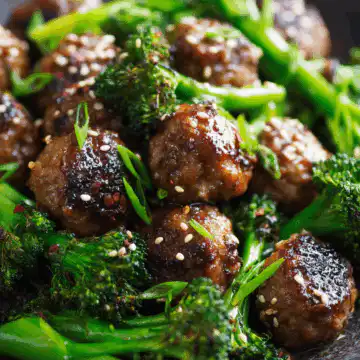
Sticky Mongolian Meatballs and Broccoli is a cool mix of flavors that somehow manages to bring together the savory meat and the fresh broccoli. This dish comes from some old Mongolian traditions and although it might sound fancy, it's a neat way to blend crunchy veggies with meaty goodness. The sticky sauce, which is usually made with soy sauce, hoisin sauce, and brown sugar, covers each meatball and makes every bite super tasty, so you might even find yourself eating more than you planned.
These days, people care a lot about eating good food but also healthy stuff. By adding broccoli into the mix, you not only get a burst of flavor, but you also load up on vitamins and fiber. This helps make Sticky Mongolian Meatballs and Broccoli a strong pick for a family meal or even for planning ahead for the week, because each bite gives you taste and some good-for-you nutrients at the same time.

Understanding Sticky Mongolian Meatballs
1.1 What Are Mongolian Meatballs?
Mongolian meatballs is a tasty take on classic Mongolian food. They usually get made from ground meat and get spiced up pretty well. Things like garlic, ginger, and soy sauce are thrown in to give a feel for that bold nomad cooking style. They can be used in all sorts of recipes which makes them a fun ingredient to play around with in the kitchen.
1.2 The Role of Broccoli in the Dish
Broccoli is super important in this dish because it adds a lot of the healthy stuff too. This bright green veggie is loaded with vitamins like C and K, fiber, and other antioxidants. Its crunch helps balance the meaty part of the dish and makes the whole meal look way more appealing while keeping it on the healthy side. Together, the meatballs and broccoli show how you can get both good taste and nutrition in one plate.
1.3 Why "Sticky"?
The word "sticky" in Sticky Mongolian Meatballs is all about that shiny, tasty sauce that covers the meatballs. The sauce is a mix of soy sauce, hoisin sauce, and brown sugar which together make a sweet and savory glaze. This glaze not only makes the meatballs extra yummy but also helps them stick to the broccoli. The end result is a dish with a well combined flavor that keeps you coming back for another bite.
The Ingredients You'll Need
2.1 Meatball Ingredients
- Ground Meat Choices: You can use different kinds of ground meats like beef for a traditional taste, chicken if you want something lighter, or even turkey if you're looking for a leaner option.
- Bindings: To keep the meatballs together you need binders like breadcrumbs and eggs, which also help give a nice texture and moisture.
- Spices: Spices like ginger, garlic, and a little bit of sesame oil boost the flavor and give the meatballs more of that true Mongolian vibe.
2.2 Sauce Ingredients
The sticky sauce that ties the dish together is made with some basic kitchen staples. It usually starts with soy sauce for a salty kick, hoisin sauce for sweetness, and brown sugar to give it that sticky feel. If you want to add a bit more zing, you can splash in some rice vinegar or chili paste too.
2.3 Broccoli Preparation
- Fresh vs. Frozen: Fresh broccoli is often better cause its crunchier and the color pops more but frozen broccoli can work in a pinch since it still has most of its nutrients.
- How to Select: If you choose fresh broccoli, look for firm stalks and bright green florets that don't look yellowed or damaged.
- Pre-cooking: Blanching or lightly steaming your broccoli before mixing it with the meatballs makes its color and texture even better.

The Step-by-Step Recipe
3.1 Preparing the Meatballs
First up, get all your ingredients together in a big bowl. Mix the ground meat of your choice-like beef, chicken, or turkey-with breadcrumbs and eggs. These help the meatballs stick together and keep them moist. Then add the garlic and ginger, along with some soy sauce and sesame oil for that extra kick. Stir it all gently; don't overmix or the meatballs might turn out too tough.
Once everything is mixed, form them into meatballs with your hands. Aim for a size of about 1 to 1.5 inches wide so they cook evenly. Place each meatball on a baking sheet lined with parchment paper so they don't stick and cleanup is easier.
3.2 Cooking the Meatballs
You can cook the meatballs in two ways: baking or frying. If you wanna bake them, preheat your oven to 400°F (200°C) and bake for about 20-25 minutes. Make sure you turn them halfway thru to get even browning. If frying is more your style, heat a tablespoon of oil in a skillet on medium heat and cook the meatballs in batches. Fry each side for about 4-5 minutes until they get crispy and cooked all the way through.
No matter which method you choose, you gotta be sure that the meatballs hit an internal temp of 165°F (74°C) so they are safe to eat and taste great.
3.3 Making the Sticky Sauce
To whip up the sticky sauce, put together soy sauce, hoisin sauce, and brown sugar in a medium pot on medium heat. Keep stirring until all the sugar dissolves, then let it simmer for a few minutes. For a richer taste, you can add a little rice vinegar and a teaspoon of chili paste if you like it spicy. Stir it some more until the sauce thickens and can coat the back of a spoon, usually about 5-7 minutes.
3.4 Final Steps: Bringing It All Together
After your meatballs are done cooking, toss them gently in the sticky sauce until every bit is covered. While doing that, prepare your broccoli by blanching or steaming it until it turns bright green and stays a bit crunchy. Then mix the broccoli in with the meatballs so every piece gets some of the sauce. Let them cook together for another 2-3 minutes so all the flavors mix well. Now your Sticky Mongolian Meatballs and Broccoli is ready to serve!
Serving Suggestions
4.1 Best Accompaniments
This dish goes great with a bunch of sides. Steamed white rice or fried rice really works because it soaks up the yummy sauce. If you want something more filling, noodles are a terrific option - whether they are rice noodles, egg noodles, or even zucchini noodles if you're trying to cut carbs. These sides help balance the rich flavors of the meatballs.
4.2 Presentation Tips
How you serve it can make the dish look even better. Try arranging the meatballs and broccoli neatly on a shallow bowl or plate. Drizzle any extra sauce over the top and sprinkle sesame seeds and a few sliced green onions for some extra crunch and color. Adding a side of steamed rice or noodles can really complete the presentation and makes it look as good as it tastes.
4.3 Storage and Leftover Ideas
If you have leftovers, let the dish cool completely then store it in an airtight container. It will keep in the fridge for up to 3 days. When reheating, use the stovetop on medium heat so the meatballs don't dry out. You can also mix leftovers into a stir-fry by addin extra veggies and a bit more sauce to make a new meal.
Nutritional Value
5.1 Caloric Breakdown
The calorie count for Sticky Mongolian Meatballs and Broccoli can change a lot based on what you put in, especially the kind of ground meat you use. On average, a serving can have around 400-500 calories, making it a solid meal that fills you up.
5.2 Macronutrient Overview
Each serving gives you a good balance of protein-about 25-30 grams from the meatballs, 15-20 grams of fat (mostly the good fats from the meat and oils), and roughly 30-40 grams of carbs from the broccoli and sides like rice or noodles.
5.3 Health Benefits of Ingredients
The meatballs are packed with protein which is important for building and repairing muscles. Meanwhile, the broccoli boosts your meal with vitamins, fiber, and antioxidants that help with digestion and overall health. This way, you get a meal that tastes awesome and is also really good for you.
Variations and Customizations
6.1 Different Meat Options
One good thing about this recipe is that you can mix up the meat choice. Even though most recipes use ground beef, you can try ground turkey or chicken if you want something leaner. Each type gives a slightly different taste and texture so you can change it up based on what you like or what your diet needs.
6.2 Vegan/Vegetarian Substitutes
If you dont eat meat, you can use meat alternatives made from soy or pea protein. These options give a similar texture and soak up the sticky sauce real well. You can also try using mushrooms as they give a nice umami flavor and a chewier bite.
6.3 Flavor Enhancements
You can boost the flavors even more by adding a few dashes of sriracha or a pinch of Chinese five-spice powder for a bit of spice. Some folks also like to swap the brown sugar for coconut sugar or honey for a different kind of sweetness and complexity. This way, you can adjust the dish exactly to your liking.
Frequently Asked Questions (FAQs)
7.1 How do I make meatballs tender?
To keep your meatballs nice and tender, dont overmix the meat mixture because that can make them really dense. Using enough eggs and breadcrumbs also helps lock in the moisture so they don't dry out.
7.2 Can I make this dish ahead of time?
Yeah, you can totally make some parts ahead of time. Mix up the meatballs and the sauce beforehand and store them in separate airtight containers in the fridge. When its time to eat, just combine and heat them up.
7.3 What can I substitute for soy sauce?
If you need to replace soy sauce, you can use tamari if you want something gluten-free, or coconut aminos if you like a bit sweeter taste. Both work pretty well for adding that depth of flavor.
7.4 Can I use frozen broccoli?
Yes, frozen broccoli will work in this dish! Just be sure to thaw it first so that it warms evenly and mixes well with the meatballs and sauce.
7.5 Are Mongolian meatballs gluten-free?
You can make the meatballs gluten-free by swapping regular soy sauce for a gluten-free version and using gluten-free breadcrumbs. Always be sure to check your ingredient labels to make sure they meet your needs.
Conclusion
Sticky Mongolian Meatballs and Broccoli is a dish that mixes bold flavors with everyday healthy ingredients. Making this recipe lets you try new tastes while still keeping things nutritious and satisfying. Whether you're cooking for your family or planning for the week, this recipe is a tasty way to bring fun and flavor into your meals.
Sticky Mongolian Meatballs and Broccoli
Equipment
- 1 large mixing bowl
- 1 baking sheet
- 1 parchment paper
- 1 non-stick skillet
- 1 saucepan
- 1 cooking spoon
- 1 measuring cups and spoons
- 1 meat thermometer (optional)
Ingredients
- 1 pound ground beef (or ground chicken/turkey) Substitute with plant-based alternatives for vegetarian option.
- ½ cup breadcrumbs
- ¼ cup green onions, chopped Add more as a garnish if desired.
- 2 cloves garlic, minced
- 1 large egg
- 1 teaspoon salt
- ½ teaspoon black pepper
- 1 teaspoon ground ginger
- ½ cup soy sauce
- ¼ cup brown sugar
- 1 tablespoon rice vinegar
- 1 tablespoon sesame oil
- 1 teaspoon cornstarch mixed with 1 tablespoon water To thicken the sauce.
- 2 cups broccoli florets
- 1 tablespoon olive oil For sautéing broccoli.
- to taste salt and pepper For seasoning the broccoli.
Instructions
- Preheat your oven to 400°F (200°C) and line a baking sheet with parchment paper.
- In a large mixing bowl, combine the ground beef, breadcrumbs, chopped green onions, garlic, egg, salt, pepper, and ginger. Mix until well combined.
- Form the mixture into meatballs, about 1 inch in diameter, and place them on the prepared baking sheet. Bake the meatballs in the preheated oven for 15-20 minutes, or until they are cooked through.
- While the meatballs are baking, prepare the sauce. In a saucepan over medium heat, combine the soy sauce, brown sugar, rice vinegar, and sesame oil. Allow the mixture to come to a simmer, then stir in the cornstarch mixed with water. Cook until the sauce thickens, about 2-3 minutes. Remove from heat.
- For the broccoli, in a non-stick skillet, heat the olive oil over medium heat. Add the broccoli florets and season with salt and pepper. Sauté for about 5-7 minutes or until the broccoli is bright green and tender-crisp.
- Once the meatballs are done baking, toss them in the sauce until evenly coated.
- Serve the sticky Mongolian meatballs on a plate alongside the sautéed broccoli. Drizzle any remaining sauce over the top.