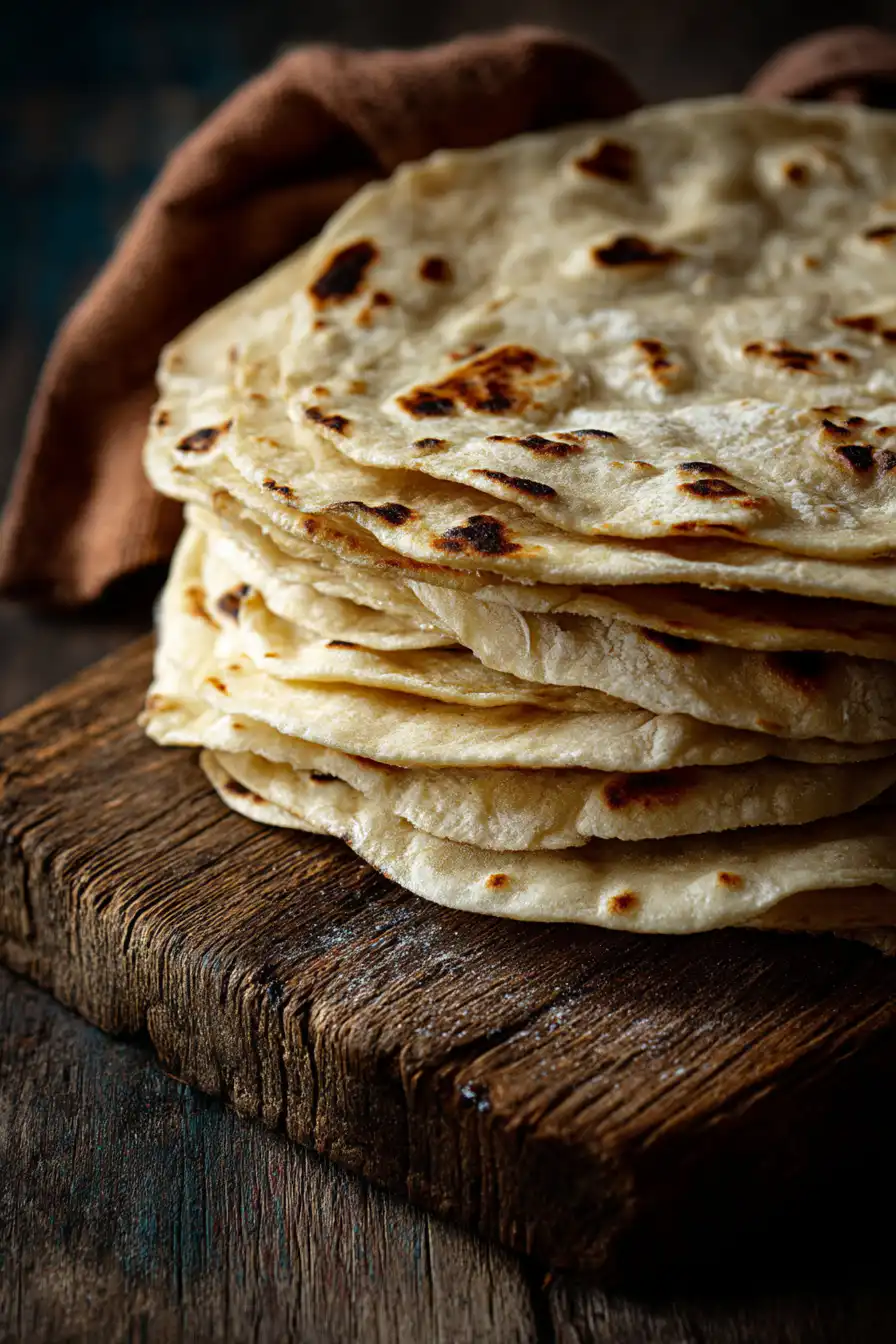
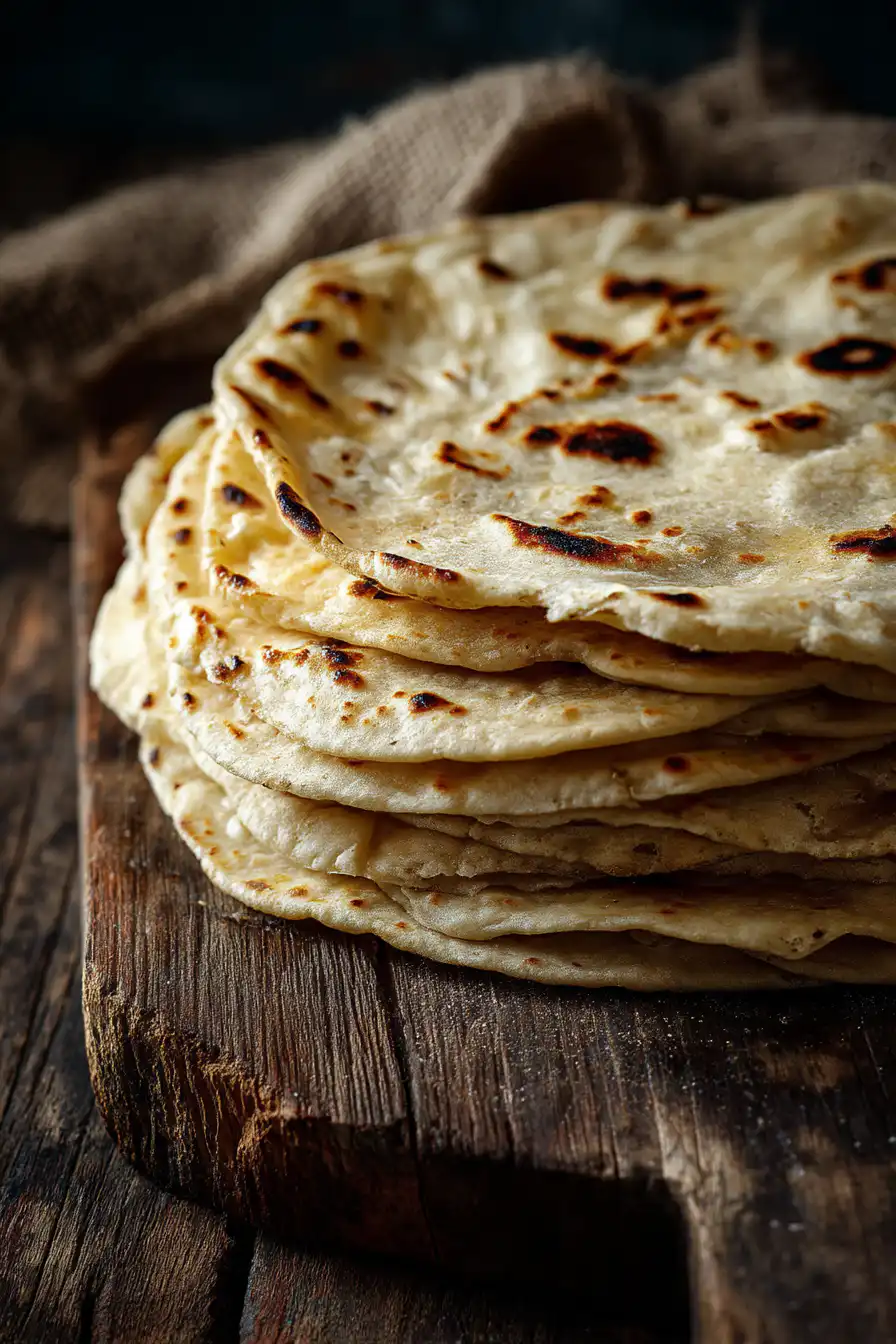
Sourdough tortillas are a fun spin on the regular Mexican tortilla. They mix the cool tang of sourdough with the usual ingredients. The dough is made by fermenting flour and water with a sourdough starter, giving the tortillas a bit of a tang and a chewy feel that you just dont get with normal tortillas. Tortillas have been around for a really long time, with their origins comin from indigenous cultures in Central America. Over time, people changed how they made them, and now sourdough adds a modern twist in a classic food. In many places, sourdough tortillas are a big part of family meals and celebrations, blending old ways with what we like today.
One of the coolest reasons to try sourdough tortillas is all the benefits it brings. The fermentation process helps break down gluten so some people find them easier to digest. Plus, they pack a rich flavor that can stand up to tortillas made with regular flour, adding a yummy depth to any meal. With more folks lookin for healthier and tastier options over processed foods, sourdough tortillas are a neat way to keep a beloved tradition while gettin some of the good stuff that comes from fermentation.
Section 1: Understanding Sourdough
Sourdough is a kind of fermented dough made using natural lactobacilli and yeast. This process involves mixin flour and water with a sourdough starter, which has the microbes that kick off the fermentation. During this time, the dough gets its tangy flavor and nice texture as the natural yeast and bacteria break down sugars and create carbon dioxide. This gas makes pockets in the dough, giving sourdough its chewy feel. Also, the fermentation makes a more complex flavor, which is why breads made with sourdough taste so different from those made with regular yeast.
When makin tortillas, putting sourdough in the recipe offers a lot of benefits. First off, the fermentation helps break down the gluten which can make the tortillas easier on the stomach for some people. They aren't gluten-free, but the process does change the gluten so it sometimes causes less trouble. Also, sourdough adds prebiotics that help with gut health. Flavor-wise, sourdough tortillas have a depth and slight tang that regular tortillas usually dont, making them stand out. This is great for anyone who cares about healthy eating without sacrificing taste.
Section 2: Ingredients for Sourdough Tortillas
To make some tasty sourdough tortillas, you need a few basic ingredients. The most important is the sourdough starter which does all the fermentation work. You want your starter to be well-fed and active so your tortillas come out right. The kind of flour you use matters too, whether it's all-purpose, whole wheat, or even something like spelt. Salt is needed to boost flavor and water is what ties the dough together. You might need to adjust the water based on how your dough feels.
There are also a bunch of optional extras which can add more flavor. You can mix in some fresh or dried herbs-cilantro, oregano, or even a pinch of chili powder-to give your tortillas a kick. If you need gluten-free tortillas, you can try using almond, chickpea, or brown rice flour, though you might need a binder like xanthan gum or psyllium husk to get it right. Experimenting with both the basic and extra ingredients helps you make tortillas that fit your taste and diet.
Section 3: Equipment Needed
To make perfect sourdough tortillas, you need the right tools in your kitchen. Here are the ones you should have:
- Mixing bowls: Big bowls for mixin ingredients and kneading the dough.
- Rolling pin: A decent rolling pin helps roll out the tortillas evenly.
- Griddle or skillet: A cast-iron skillet or griddle works best to cook the tortillas, giving them even heat.
- Baking scale: Measuring ingredients correctly is important so a scale is very helpful for the right dough consistency.
Section 4: The Sourdough Tortilla Recipe
4.1 Ingredients
To make sourdough tortillas, gather these must-have ingredients:
- 1 cup active sourdough starter
- 1 ½ cups all-purpose flour
- ½ teaspoon salt
- ½ cup water (you might need to adjust this)
4.2 Directions
Follow these steps to make your sourdough tortillas:
- Preparing the Dough: In a bowl, mix the sourdough starter, flour, and salt. Slowly add water until the dough forms.
- Kneading the Dough: Put the dough on a floured surface and knead it for about 5-10 minutes until it feels smooth and stretchy.
- Resting the Dough: Shape the dough into a ball, cover it with a cloth or plastic wrap, and let it rest for at least 30 minutes. This helps the gluten relax so it's easier to roll out.
- Shaping the Tortillas: After it rests, divide the dough into equal parts (roughly 8-10 pieces). Roll each piece into a ball and then flatten it with your hands, before using a rolling pin to roll it out into a thin circle.
- Cooking the Tortillas: Heat your skillet on medium-high heat. Cook each tortilla for about 30 seconds on each side or until they get a little brown and are cooked through. Keep the tortillas warm in a clean kitchen towel.
- Storing the Tortillas: To keep them soft and fresh, put the tortillas in an airtight container, or wrap them in foil or parchment paper. They can be kept at room temperature for a few days or frozen if you need to.
4.3 Tips and Advice
Here are some practical tips to help make awesome sourdough tortillas:
- Dough consistency: If the dough is too sticky, slowly add more flour until it feels right. If it is too dry then add a little more water.
- Baking at high altitude: If you live in a high-altitude area, you might have to adjust your ratios, like using a bit less flour or water.
- Avoiding stickiness: To keep the dough from sticking when rolling out, sprinkle some flour on your work surface and on the rolling pin.
Section 5: Variations of Sourdough Tortillas
5.1 Flavored Tortillas
You can really make these tortillas your own. Try addin some fresh or dried herbs into the dough for cool flavors. Some favorite choices are:
- Cilantro: Gives a lively, fresh taste that is great in tacos.
- Oregano: Adds a savory note that works with many fillings.
- Chili powder: Puts a bit of spice into every bite.
5.2 Sweet Tortillas
If you want something sweet, try making cinnamon sugar tortillas. Just roll out the dough, sprinkle a mix of sugar and cinnamon on it, and then cook it. They make a tasty dessert or a sweet treat on their own.
5.3 Gluten-Free Sourdough Tortillas
If gluten is a problem, you can use other flours like almond, chickpea, or brown rice flour. Just remember that gluten-free flours may need extra binding ingredients like xanthan gum or psyllium husk to help the dough stretch properly.
Section 6: How to Use Sourdough Tortillas
6.1 Traditional Uses
Sourdough tortillas can be used in lots of classic dishes:
- Tacos: Fill them with your favorite meats, beans, or veggies for a hearty meal.
- Enchiladas: Wrap them around a filling and cover with sauce and cheese then bake.
- Quesadillas: Stuff them with cheese and other goodies, then grill them until theyre crispy.
6.2 Creative Ideas
Apart from the usual, sourdough tortillas let you get creative in the kitchen:
- Wraps and sandwich substitutes: Use them as a healthier choice instead of bread for wraps or sandwiches.
- Personal pizzas: Top them with sauce, cheese, and toppings to make mini pizzas.
- Mini flatbreads: Serve them warm with dips or spreads for a snack or appetizer.
Section 7: FAQs
Q1: Can I make sourdough tortillas without a starter?
Even though a sourdough starter is really important for the unique taste and texture, you can try using commercial yeast if you need a faster recipe. Just know that the flavor wont be exactly the same.
Q2: How do I store leftover tortillas?
Keep leftovers in an airtight container at room temperature for a few days. You can also put them in the fridge or freezer if you want them to last longer.
Q3: How long do sourdough tortillas last?
If stored right, sourdough tortillas can last up to three days at room temperature. In the fridge, they can last for about a week, and when frozen they can stay good for several months.
Q4: Can I freeze sourdough tortillas?
Yes, you can freeze them. Just stack them with parchment paper between each tortilla, wrap tightly in plastic, and then place them in an airtight container before freezing.
Q5: Can I use whole wheat flour for sourdough tortillas?
For sure! You can swap all-purpose flour with whole wheat for a healthier tortilla, but keep in mind that whole wheat might make the tortillas a bit denser.
Conclusion
Making sourdough tortillas is a cool way to enjoy both healthy and fun flavors in your kitchen. Combining old traditions with new methods gives you a chance to explore fun flavors in your kitchen. So, have fun mixin and matchin ingredients, and enjoy creatin your very own version of these awesome tortillas.
References
If you want to learn more about sourdough and how to make tortillas, check out these sources:
- Community Sourdough Blogs
- Culinary Books on Fermentation
- Mexican Cooking Websites and Resources

Sourdough tortillas
Equipment
- 1 mixing bowl
- 1 rolling pin
- 1 cast iron skillet or non-stick frying pan
- 1 measuring cups and spoons
- 1 plastic wrap or a damp towel
Ingredients
- 1 cup all-purpose flour
- ½ cup sourdough starter, active and bubbly
- ¼ teaspoon salt
- 2 tablespoons vegetable oil or melted butter
- as needed water Added gradually until a soft dough forms.
Instructions
- In a mixing bowl, combine the all-purpose flour and salt. Stir to mix well.
- Add the active sourdough starter and vegetable oil (or melted butter) to the flour mixture. Stir until everything is combined.
- Gradually add small amounts of water, one tablespoon at a time, mixing until a soft dough forms. You want the dough to be slightly sticky but manageable.
- Knead the dough on a lightly floured surface for about 4-5 minutes until it is smooth and elastic.
- Divide the dough into 8 equal pieces and shape them into balls. Cover the balls with plastic wrap or a damp towel and let them rest for about 15 minutes.
- Preheat a cast iron skillet or non-stick frying pan over medium heat.
- Take one dough ball and flatten it slightly. Use a rolling pin to roll it out into a thin circle, about 8-10 inches in diameter. If it sticks, sprinkle with a little more flour.
- Carefully place the rolled tortilla into the hot skillet and cook for about 30 seconds, or until small bubbles form on the surface. Flip and cook for an additional 30 seconds on the other side. The tortilla should have light golden brown spots.
- Remove the tortilla from the skillet and place it on a plate. Cover with a clean kitchen towel to keep warm. Repeat the process with the remaining dough balls.
- Serve warm or store in an airtight container for later use.