I remember that summer when I was ten and we gathered around a low fire pit my granddad built out of stones. The glow from the live coal warmed our cheeks and gave me my first peek at how dough can bloom under a gentle steam. We didn't know we were making shrimp and vegetable dumplings back then we just wrapped veggies from the garden and odd bits of seafood in flour skins and boiled them slow over coals. You might recall that heady smell of grass smoke mingled with crunchy carrot bits and the faint whiff of salt from our catch. It taught me how protein char and steam can work together even if you think dumplings need only water.
Please remember how that odd crackle of embers under a pot reminds you of home. I urge you to feel your fingers warm as you fold wrappers with a little flour dust on your palms. Dang I can still taste that pea green snap from the garden and the soft shrimp taste that met a hot broth. You'll look back and find that first bob of a dumpling floating as your own kind of childhood triumph.
You gotta recall those nights when simple ingredients made you grin like a kid again. I walk you through each step in our recipe for shrimp and vegetable dumplings with that same beam of pride. It's a warm tale of steam and coals and a little dust of flour that made me love folding each pocket by hand. And you'll see that live coal memory comes right back with every steaming basket you lift from your counter.
Fire craft plain words science
When you think of cooking over coals you might find it kinda rustic but it's just heat science plain and simple. Heat moves from metal pot to dough then into that filling. You're not dealing in any big recipe secrets here just a tasty steam method and the occasional protein char on your pan if you fry after steaming.
Steam forms when water and broth molecules heat up and turn into gas. They fill the dumpling chamber and cause that dough bloom you feel in your fingers as it puffs slightly. You can see how temperature matters so you handle a rice cooker like a pro or keep the pan at a low steady heat if you pan sear shrimp and vegetable dumplings for some extra tan lines on the skin.
Pantry grains and spice list six to eight items
- All purpose flour for dumpling skins
- Water for dough and steam
- Shrimp peeled and deveined
- Green cabbage shredded fine
- Grated carrot or daikon radish
- Minced garlic and fresh ginger
- Soy sauce for savory boost
- Tiny dash of white pepper
I remember the first time I eyed those ingredients stacked in my cupboard like allies for a dumpling mission. You might find it odd that we blend grains and spices so simply yet each one plays a role whether it's texture from cabbage or a tang from ginger piece. Don't skip garlic-you'll miss its punch in each bite. And that white pepper gives a slight peppery whisper without stealing the show. Together they let you nail an easy dumpling recipe that hums with flavor even if you're not a seasoned cook.
Dough knead ritual steps
I start by mixing flour and water in a big bowl. You pour warmed water slow and use chopsticks or a spoon to stir until a shaggy dough forms. Then I rest a minute or two letting the flour soak. That's when the dough starts to bloom and feel springy.
Next you fold the dough onto a floured board and knead by pushing with your palm then folding back twice. You might knead for five to eight minutes until the surface looks smooth and your arms feel a tiny burn. Don't stress if it's not perfectly slick just smooth enough to roll.
Then I wrap it in plastic wrap or a damp towel so the dough rests. That rest helps gluten threads relax so each dumpling won't snap back when you roll. I sometimes let it rest twenty or thirty minutes while I prep the filling. You'll see that protein char idea come back if you choose to pan fry after steaming.
Then divide the dough into small equal pieces. Roll each into a ball and flatten it with palm. Use a rolling pin to make thin rounds about three inches across. Don't sweat minor cracks just pinch the edges to seal later. By now you should recall how those stones around my childhood fire pit felt warm and sturdy just like your workspace this very minute.
Rising dough aroma scene
When the dough rests polished under that damp towel you start to sense a faint wheaty aroma riding the humid air. It's subtle like fresh hay mixing with a pond fog. You might catch a whiff of the yeast that never was but kinda present because of muscle and time.
At that moment your kitchen is quiet except for the tick of the clock and your breath. You see light moist beads on the towel and feel ready to wrap shrimp and vegetable dumplings into steamer baskets. Don't rush or you miss that moment when dough bloom reminds you patience pays off. You'll grin under your breath waiting for the steam to rise.
Flip and char checkpoints
After steaming for about eight to ten minutes each dumpling looks translucent and feels firm yet soft. That's your go signal to flip them on a hot oiled pan if you want a little sear. You hear a soft hiss as that pan meets dough.
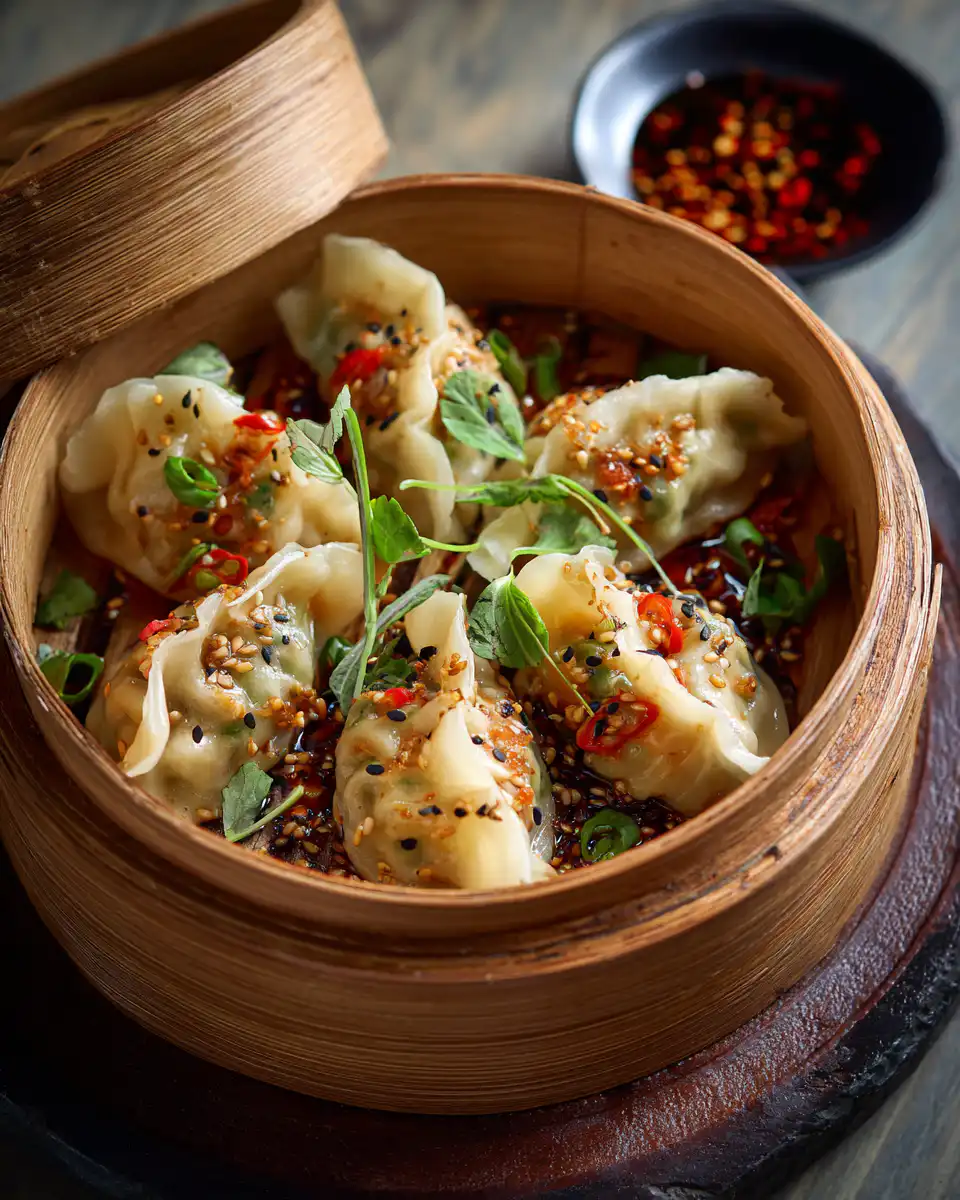
Check the bottoms after two or three minutes they should turn light golden or even get tiny char marks. That protein char gives you a hint of deep flavor even though it feels simple. Use a spatula to lift each one then flip again for an even tan. Don't crowd the pan or they won't crisp up right.
When you see a few dark spots you know you hit it just right. That's your checkpoint nod that says hey you're nailing this. Then lift them onto a plate as a crew star might enter a stage cue.
Smoke kiss notes
Sometimes I splash a few drops of sesame oil or soy onto the pan before flipping. You get a quick puff of smoke that kisses the dumpling skins. You'll taste a memory of live coal even though you're on a stovetop.
That smoke kiss is subtle but dang it feels gourmet. It clings to the edges of the wrapper and sneaks into each fold. Next thing you know you won't stop smelling it while you eat. Each inhale tastes like a hushed campfire story retold by your own hands.
Shared platter touches
I like to arrange the dumplings in a circle on a big platter so my friends can grab a piece or two. You might put a shallow bowl of dipping sauce in the center. I urge you to try soy vinegar combo or a peanut chili mix.
Don't leave anyone out y'all pass the platter around like a little peace offering. Each person grabs one shrimp and vegetable dumpling then nods that ITS the real deal. We talk about the dough bloom and who got the best char spots. It's a small ritual that says hey we built this around fire and flour and good company.
Seasonal stuff twist
I sometimes swap cabbage for shredded spinach in spring or add sweet corn niblets in summer. In fall you could sneak in pumpkin puree for color shift. Each time feels fresh and dang cool because the kitchen items change yet the steps stay true.
You'll recall the first fold you made at summer camp or in winter around a slow stove. Then you adapt the filling so it's all your own seasonal spin. And that live coal feeling remains in every warm pocket you fold by hand.
Store reheat love guide
Got leftovers? The best reheat method is a quick steam or a light pan fry. If you use your steamer basket just cover and steam two or three minutes until each dumpling feels springy. Don't overdo or wrapper gets gummy.
If you choose the pan toss you heat a tiny bit of oil then add dumplings in a single layer. Pour a splash of water to make steam then cover with lid. After two minutes lift the lid to let excess moisture escape and get a nice bottom tan. That's where dough bloom meets pan crisp in a tiny love affair.
You might wrap leftovers in foil and warm them in an oven at low heat just to keep skins soft. Whatever you do don't microwave too long or you lose tender chewiness. You'll taste the difference when you dip each shrimp and vegetable dumpling back into sauce and hear a slight squish as you bite in.
Family toast and FAQs
Every meal ends with a little toast or a cheer when the last dumpling disappears. You might raise a glass of tea or just nod across the table. I remind you to take a breath and look at empty plates as proof y'all worked together to build a warm home memory.
Here are some common questions that I get while teaching folks how to make shrimp and vegetable dumplings
- Can I use frozen veggies yes just thaw and drain excess water so filling is not soggy
- Do I need special flour no plain all purpose flour will do the job for skins
- Why won't my wrappers seal add a dab of water to edges and press firmly with finger tips then pinch
- How do I avoid overcooking shrimp chop shrimp small and cook only until they turn pink about two to three minutes
- Can I make ahead yep fold and freeze on tray then store in bag for later steam session
- What dipping sauce works best try a mix of soy sauce rice vinegar and a hint of sesame oil or chili garlic sauce
- How to keep them from sticking in basket brush basket lightly with oil or line with parchment paper with holes
- Can kids help for sure they love folding pockets and counting rows they feel proud
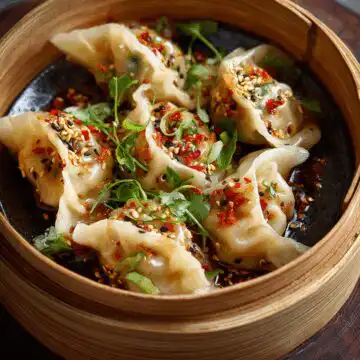
Shrimp And Vegetable Dumplings
Equipment
- 1 mixing bowl
- 1 rolling pin
- 1 steamer basket or bamboo steamer
- 1 cooking pot for steaming
- 1 measuring cups and spoons
Ingredients
- 1 cup shrimp, peeled and deveined About 200g.
- 1 cup cabbage, finely chopped About 100g.
- ½ cup carrots, grated About 50g.
- 2 pieces green onions, finely chopped
- 1 clove garlic, minced
- 1 teaspoon fresh ginger, grated
- 1 tablespoon soy sauce
- 1 teaspoon sesame oil
- ½ teaspoon salt
- ¼ teaspoon black pepper
- 20 pieces round dumpling wrappers
Instructions
- In a mixing bowl, combine the shrimp, cabbage, carrots, green onions, garlic, and ginger.
- Add the soy sauce, sesame oil, salt, and black pepper to the mixture. Stir well to combine all the ingredients evenly.
- Take one dumpling wrapper and place about a tablespoon of the shrimp mixture in the center.
- Moisten the edges of the dumpling wrapper with water. Fold the wrapper in half to create a half-moon shape, pressing the edges firmly to seal. Repeat this process with the remaining wrappers and filling.
- Prepare your steamer by filling the bottom with water and bringing it to a boil. If using a bamboo steamer, line it with parchment paper to prevent sticking.
- Place the dumplings in the steamer in a single layer, ensuring they don’t touch each other.
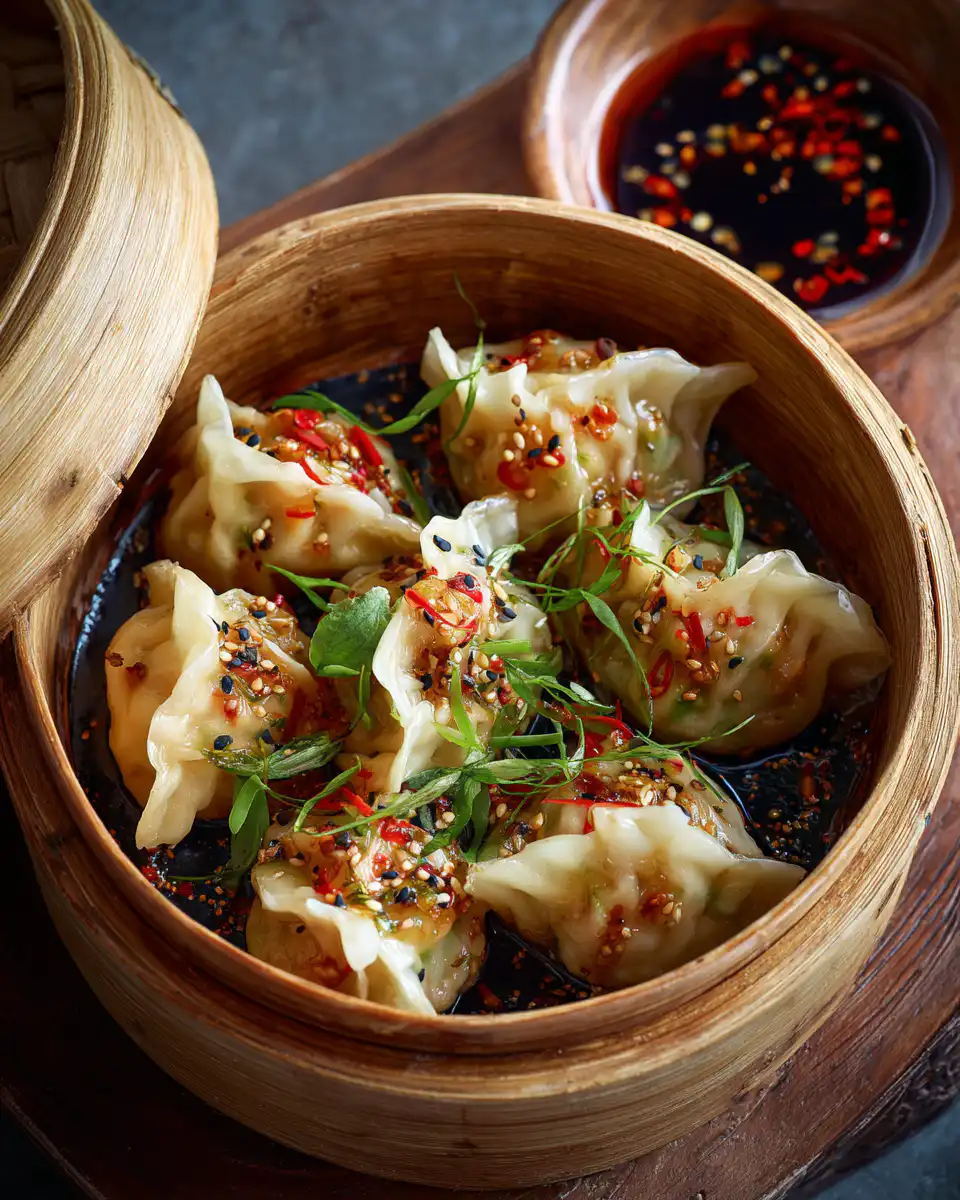
- Cover and steam the dumplings for about 10-15 minutes, or until they are cooked through and the shrimp is opaque.
- Once done, carefully remove the dumplings from the steamer and serve them warm with your choice of dipping sauce.