
The pot lid rattles and you know dinner is almost ready. That sound makes your heart beat a little faster cause the scent starts sneaking around the kitchen. You catch the steam escaping, kinda like a little signal telling you to get ready.
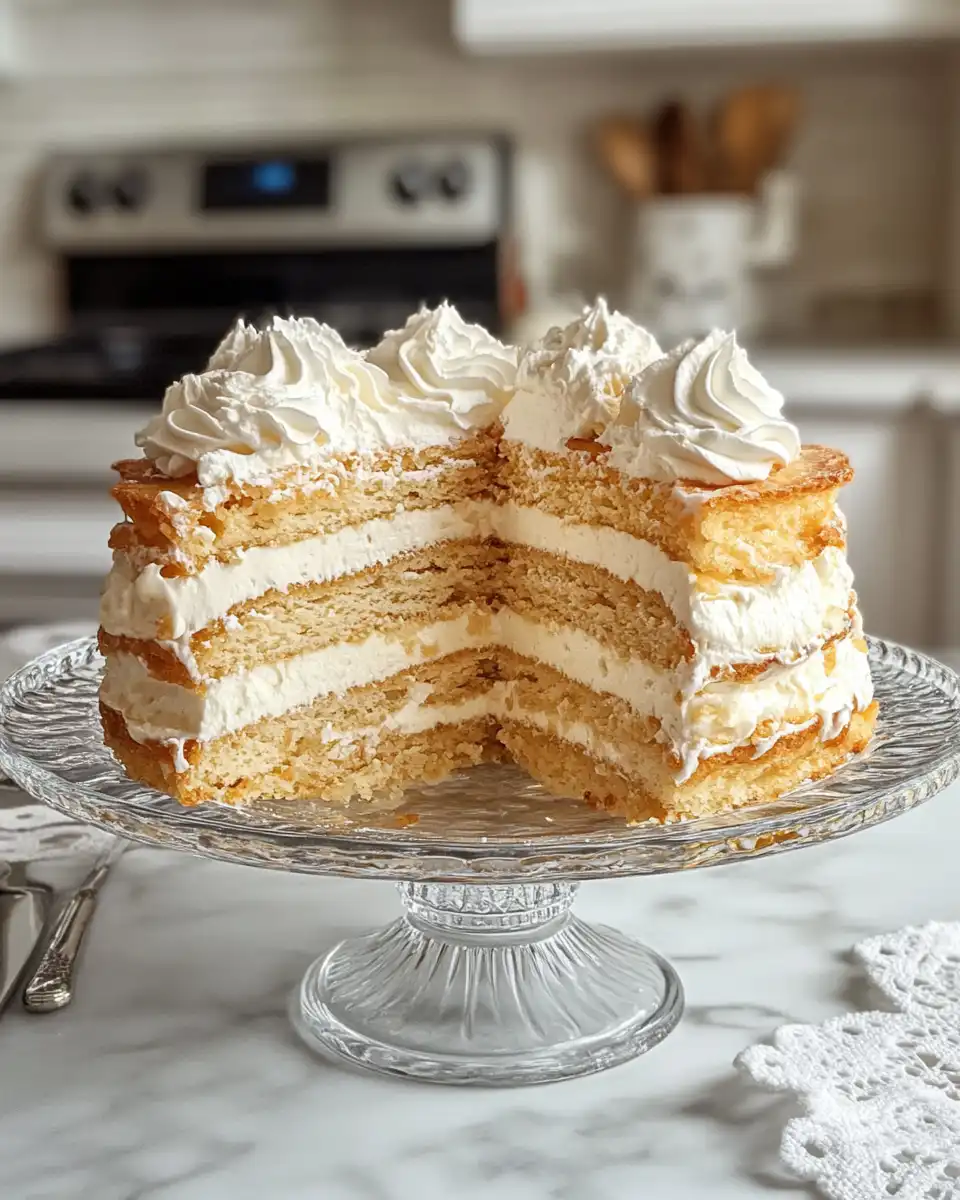
As the valve hiss sounds off, you sense the broth depth wrapping flavors into each layer of the cake. It's funny how a pressure cooker can transform ingredients into something tender and full of life. You spot the golden crust peeking through the steam, and your stomach rumbles.
Every time the pressure build reaches steady, you feel closer to that moment of pure sweet payoff. You imagine the tender pull of each flaky layer mingling with creamy custard, and dang it, your mouth waters. Waiting is the tough part but hey, the cake's gotta rest and build its flavors.
What Makes Pressure Cooking Win Every Round
- Pressure cooking locks in moisture, so your cake layers stay tender yet crisp, no soggy bits here.
- The pressure build speeds up custard thickening, saving you some wait time without losing flavor.
- Natural release lets the cake layers set slowly, giving it that perfect flaky texture you want.
- Broth depth is like the soul of the dish here, but since it's a dessert, it means rich, creamy layers full of flavor and body.
- Valve hiss is your cue that the pressure's just right and cooking is steady - helps you guess timing without stressing.
- It's a hands-off method once you set it, so you can chill while it does its thing.
All the Pieces for This Meal
- 4 ½ cups all purpose flour (plus extra for dusting the counter when rolling)
- ½ teaspoon salt
- 3 ½ sticks cold butter (about 14 oz)
- ¾ cup chilled water
- 1 Tablespoon distilled white vinegar
- 2 Tablespoons vodka
- 2 beaten eggs
- 5 cups milk for the custard
- 10 egg yolks for richness
- ¾-1 cup granulated sugar to sweeten
- 6 Tablespoons cornstarch to thicken it up
- 12 oz room temperature butter for smooth cream
- ¾ cups powdered sugar for sweetness in cream
- 2 teaspoons vanilla extract to boost flavor
- 1 ½ cups heavy cream for the final whipped topping
How It All Comes Together Step by Step
First up, you mix the flour and salt together in a big bowl. Keep it simple here. Then you cut the cold butter into that mix. You want it to look like coarse crumbs, not too fine, not too sandy.
Next, pour in the chilled water, vinegar, vodka, and beaten eggs. You mix it all up till a dough forms. It's kinda sticky but don't overwork it or it'll get tough.
Divide this dough into ten equal parts and wrap each one in plastic. Toss 'em in the fridge for at least an hour. This chill step helps keep your layers flaky when baking.
Preheat the oven to 350 degrees Fahrenheit. Roll each dough piece into a thin circle, dusting the surface with flour so it don't stick. Use a fork to prick the dough all over so it won't puff up too much while baking.
Bake each layer about 8 to 10 minutes till they turn golden brown and smell dang good. Then, set 'em aside to cool before assembly.
On to the custard: heat your milk in a saucepan almost to boiling. While that's happening, whisk the egg yolks with sugar till it's pale and smooth. Slowly add hot milk to yolks while whisking so you don't scramble anything.
Return this mixture to low heat on the stove. Stir nonstop till it thickens, kinda like pudding. Once thick, let it cool a bit leftover heat will keep cooking it otherwise.
Finally, layer your cake. Put a baked dough circle, then a spoonful of custard. Repeat till you're out of layers. End with custard on top. Pop the whole thing in fridge for a few hours or overnight to get all that goodness set perfectly.
Smart Shortcuts for Busy Days
- Use store-bought puff pastry to save rolling time if you're really in a rush.
- Make the custard ahead in the morning or night before and keep chilled.
- Skip vodka if you're out, just add a little more vinegar and cold water for dough.
- Double the recipe and freeze half the cake for another sweet day.
- Whip the heavy cream quickly with vanilla and sugar while custard cools to layer in faster.
Your First Taste After the Wait
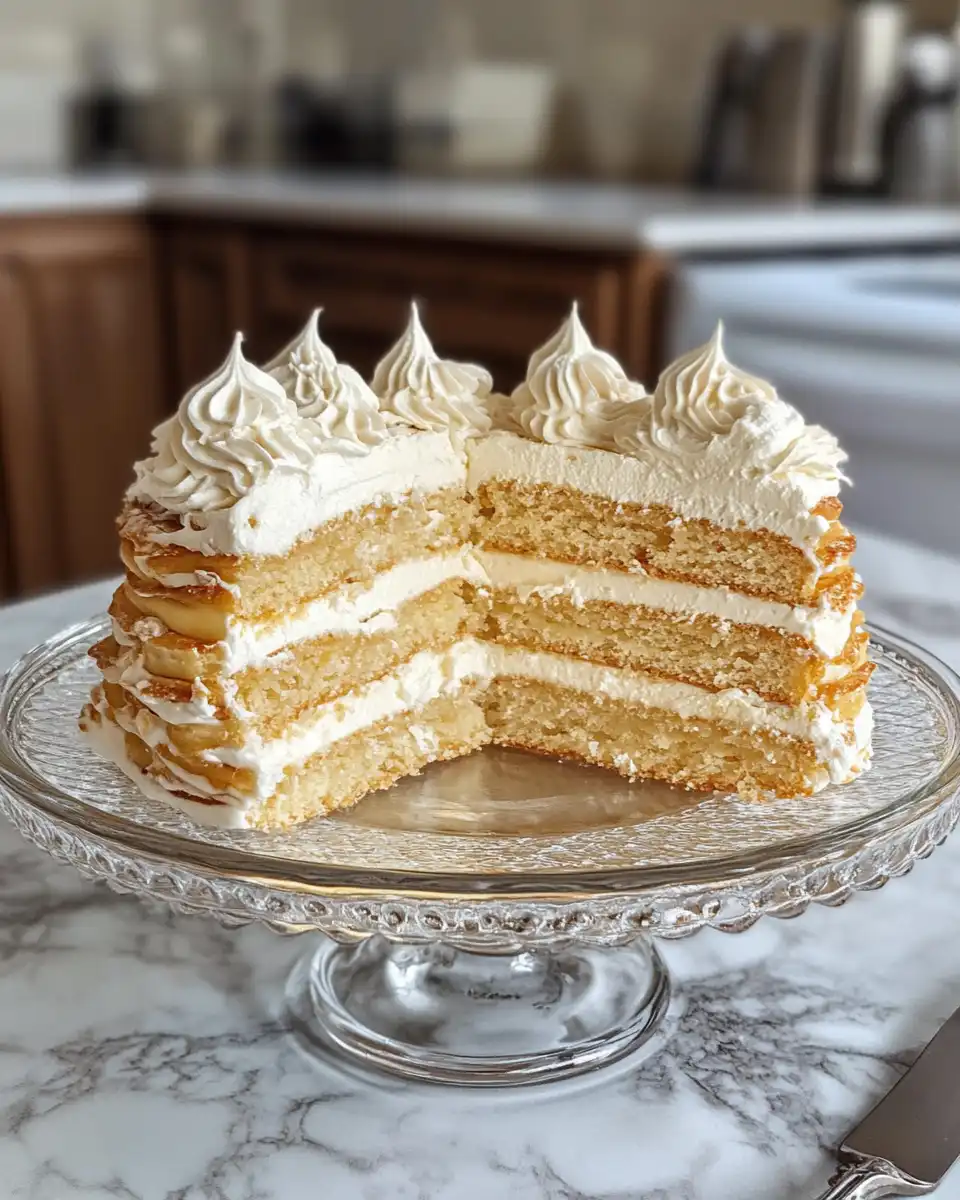
When you finally slice into your Napoleon Cake, you see the distinct layers neatly stacked. The golden dough looks perfectly crisp, just like you hoped. It's kinda like a little celebration on your plate.
The first bite hits your tongue with creamy custard mingling with the flaky crisp pastry. You feel the tender pull of each layer giving way without breaking apart.
The vanilla and buttery flavor rolls around your mouth, sweet but not overpowering, balanced with smooth texture that's dang hard to resist.
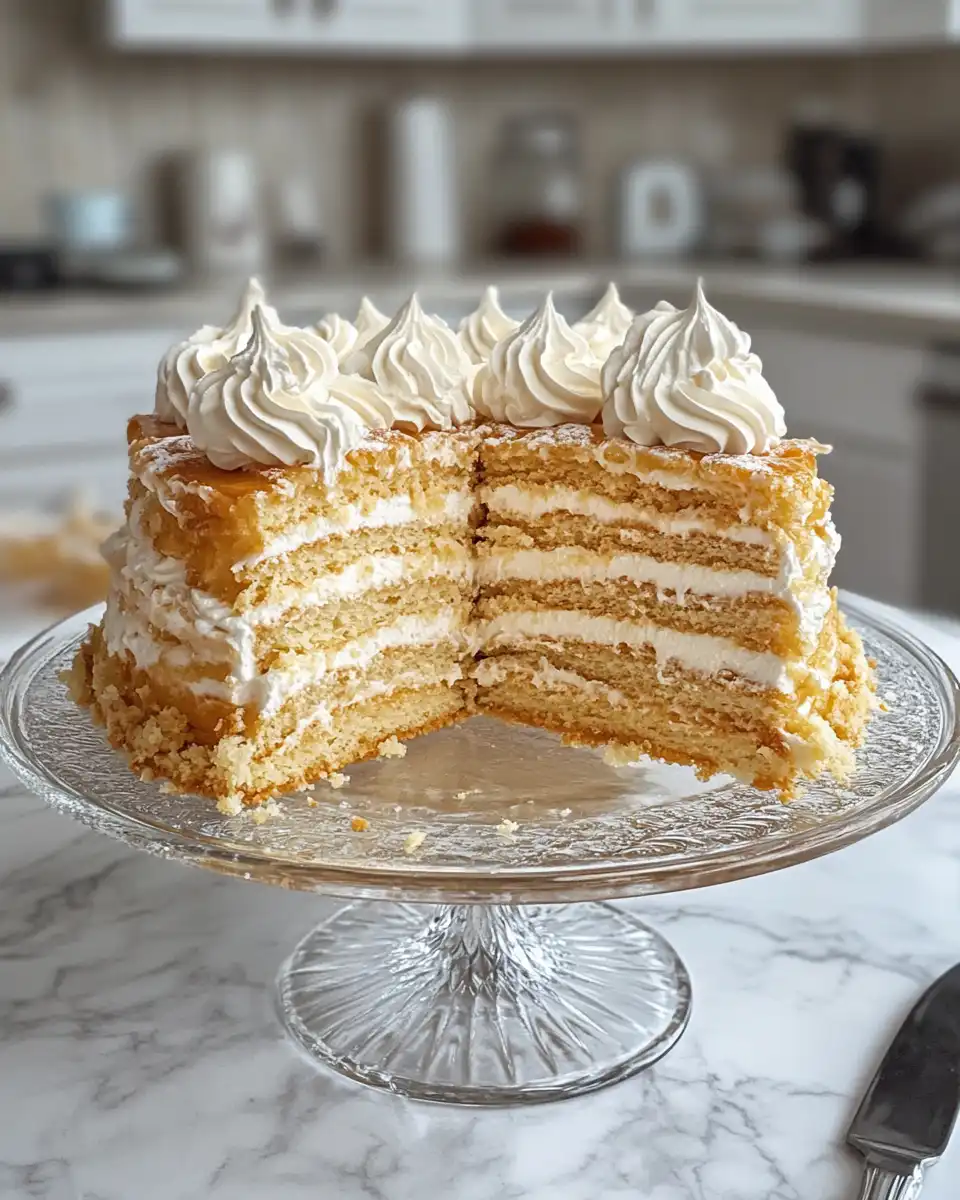
You savor the gentle chill from fridge keeping it fresh but not cold enough to numb the flavors. It's pure satisfaction in each bite.
Making It Last All Week Long
Store your Napoleon Cake in the fridge covered tightly with plastic wrap or in an airtight container. This keeps the layers from drying out or absorbing other fridge smells.
If you need to save it longer, freeze it wrapped well in foil and plastic wrap so no ice crystals mess with the texture. Thaw in the fridge the day before you wanna eat it.
For short-term storage, a cake dome or container works fine if sealed properly. Keep it away from super strong smelling foods.
When you serve leftovers, you might wanna let slices sit out a little bit so the cream softens again before digging in. This way you get that tender pull and creamy bite like fresh.
The FAQ Section You Actually Need
- Can I make Napoleon Cake without a pressure cooker?
You sure can, but the pressure cooker helps cut down custard thickening time and enhances flavors. Oven baking for layers stays the same. - How long should I wait for natural release?
Usually about 15 minutes works for this recipe. It lets the pressure drop slow so the layers don't crack. - What if my custard gets lumpy?
Try whisking vigorously while adding hot milk slowly. If lumps happen, a quick strain through a fine mesh fixes it quick. - Can I substitute heavy cream?
You could try whipped coconut cream or mascarpone for a twist, but heavys cream gives best traditional texture. - Is vodka necessary in the dough?
Vodka helps with flakiness and dryness but if you don't have it handy, just add a bit more vinegar and water. Dough will still be tasty. - How long does leftover cake keep?
About 3 to 4 days in the fridge is best, though freezing can extend that. Just remember to keep it sealed tight to keep layers from drying.
Pressure Cooker Napoleon Cake
Ingredients
Ingredients
- 4 ½ cups all purpose flour plus extra for dusting the counter when rolling
- ½ teaspoon salt
- 3 ½ sticks cold butter about 14 oz
- ¾ cup chilled water
- 1 Tablespoon distilled white vinegar
- 2 Tablespoons vodka
- 2 beaten eggs
- 5 cups milk for the custard
- 10 egg yolks for richness
- ¾-1 cup granulated sugar to sweeten
- 6 Tablespoons cornstarch to thicken it up
- 12 oz room temperature butter for smooth cream
- ¾ cups powdered sugar for sweetness in cream
- 2 teaspoons vanilla extract to boost flavor
- 1 ½ cups heavy cream for the final whipped topping
Instructions
Instructions
- Mix the flour and salt together in a big bowl.
- Cut the cold butter into the flour mixture until it looks like coarse crumbs.
- Pour in chilled water, vinegar, vodka, and beaten eggs. Mix until a dough forms, sticky but not overworked.
- Divide dough into ten equal parts, wrap each in plastic, and refrigerate for at least one hour.
- Preheat oven to 350°F. Roll each dough piece into a thin circle and dust with flour.
- Use a fork to prick dough all over to prevent puffing.
- Bake each layer 8 to 10 minutes until golden brown. Set aside to cool.
- Heat milk nearly to boiling. Whisk egg yolks and sugar until pale. Slowly add hot milk to yolks while whisking.
- Return mixture to low heat, stirring constantly until thickened like pudding. Let cool slightly.
- Layer cake: dough circle, then custard spoonful, repeat until all layers are used, ending with custard on top.
- Chill the assembled cake in the fridge for several hours or overnight to set flavors.
- Optional: whip heavy cream with vanilla and sugar while custard cools for topping.