
Russian Buttercream is a special frosting thats been gettin popular all around the world. Unlike the regular buttercreams, its got a creamy, mellow flavor from a mix of butter and sweetened condensed milk. This yummy buttercream gives cakes and pastries a rich taste that many home bakers and even professional pastry chefs really love.
The story of Russian Buttercream goes back to old Russian cooking, where its smooth texture and easyness to spread made it a hit in dessert making. It was a common thing in Russian homes, often used on fancy cakes for parties and holidays. Its roots in Russian culture shows how much they love their sweets and creative cooking.
Lately, Russian Buttercream has blown up on social media, as bakers share their cool and creative cake designs. Its versatility not only let you make beautiful cake decorations but also lets you experiment with different flavors. Whether you're making a simple cupcake or a huge tiered cake, Russian Buttercream will definitely upgrade your baked treats and leave a great impression.
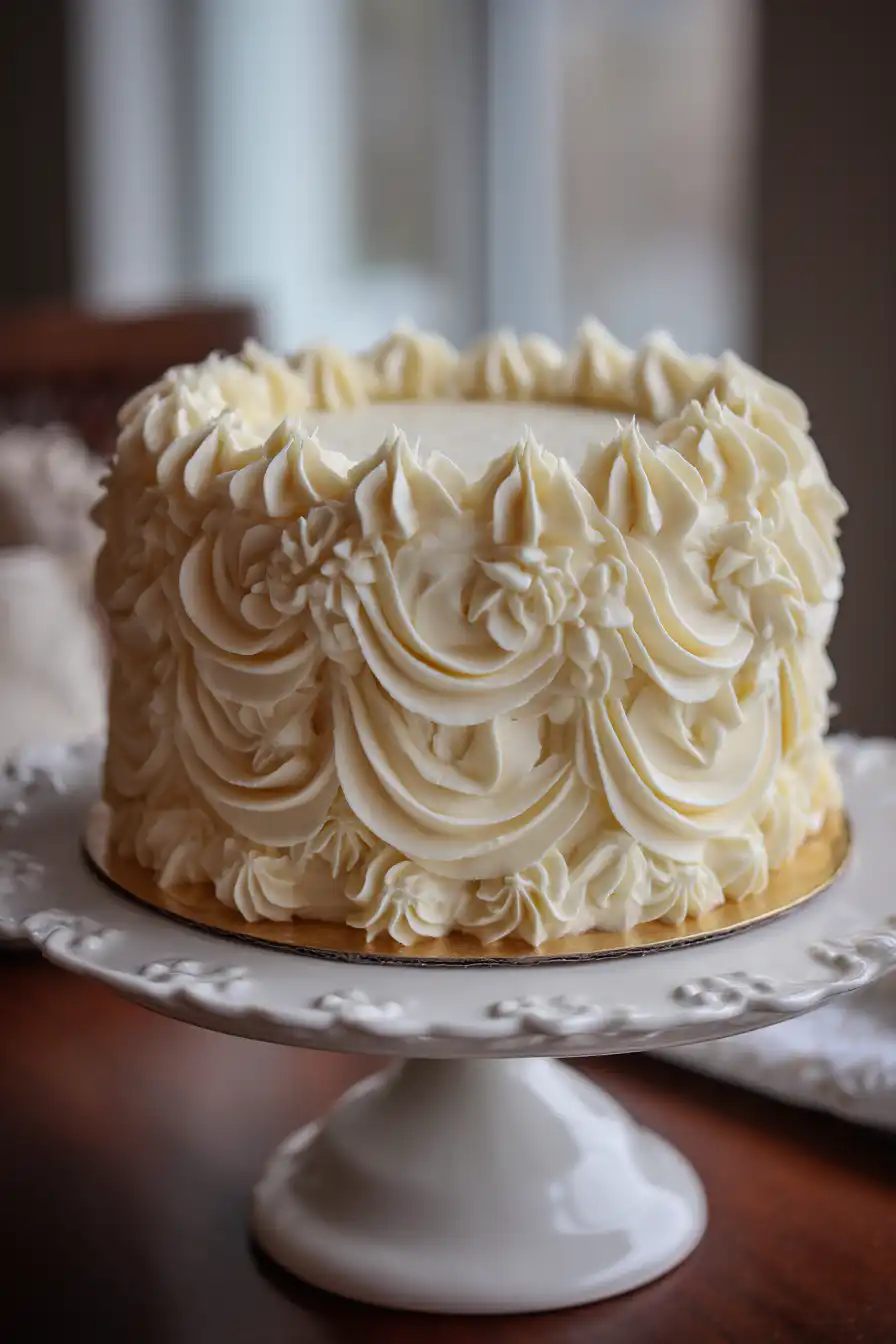
What is Russian Buttercream?
Russian Buttercream is a yummy frosting that brings together the richness of butter with the sweet taste of sweetened condensed milk. Its texture is smooth and velvety, and many use it both as frosting and as a filling. Unlike normal buttercreams, Russian Buttercream isnt too sweet so the buttery flavor gets to shine more. Its slight sweetness makes it a great match for all kinds of cakes, from light sponge cakes to rich chocolate ones.
Differences from Other Buttercreams
One of the big things that makes Russian Buttercream different is how its made and the balance of its ingredients:
- American Buttercream: This one is made mainly with unsalted butter and powdered sugar, which sometimes makes it sweeter and a bit grainy.
- Swiss Buttercream: Made with cooked egg whites and butter, Swiss buttercream is smoother than the American version, but it can take longer and requires more skill because you have to cook stuff.
- Italian Buttercream: With cooked sugar syrup, egg whites and butter combined, this frosting gets a glossy look and stays stable, though it can be a bit tricky to make.
When you compare these, Russian Buttercream stands out 'cause its ideas are pretty simple and its taste is really rich.
Common Ingredients
The basics you need to make this frosting are:
- Unsalted Butter: Make sure its at room temp so it mixes well.
- Sweetened Condensed Milk: This is the star that gives the frosting its flavor and creamy feel.
- Powdered Sugar: Adds extra sweetness and helps keep the mix stable.
- Flavor Extracts: Like vanilla or almond, to boost the overall taste.
All these put together creates a buttercream thats easy to use and really fun to eat, just like a homemade dessert you can be proud of.
The Science Behind Russian Buttercream
Knowing a bit about the science behind Russian Buttercream can help you get the right texture and look in your frosting. How the ingredients work together really matters to how the frosting turns out.
The Chemistry of Ingredients
The two main players are unsalted butter and sweetened condensed milk. The butter gives the mix its fat and richness, while the condensed milk brings in sweetness and moisture. When they are whipped together, they form an emulsion, which makes the frosting smooth and stable.
Temperature's Role
One of the most important things in making Russian Buttercream is having the butter at room temperature. Using cold butter can lead to a lumpy mix that doesnt blend well with the condensed milk. But if the butter is too warm, the frosting might get too soft and lose its shape. Get the temperature just right and you end up with a light, airy frosting that holds up well.
Texture and Stability Factors
Because of the sweetened condensed milk, Russian Buttercream is known for being creamy and stable. The sugar in the milk helps keep the frosting together, so its perfect for detailed cake designs that need to hold their shape without melting too fast, even if it's a bit warm.

How to Make Russian Buttercream
Making Russian Buttercream at home is pretty easy if you use just a few ingredients and some basic techniques. Just follow this step by step guide and you'll have your own batch of that delicious frosting in no time.
Ingredients
- Unsalted Butter: Make sure its at room temperature so it mixes easiest.
- Powdered Sugar: This helps sweeten and gives the right consistency.
- Sweetened Condensed Milk: The key to making this buttercream rich and creamy.
- Flavor Extracts: This is optional, but vanilla or almond can really boost the flavor.
Directions
Follow these steps to make your Russian Buttercream:
- Preparation of Ingredients: First, measure out all your ingredients. Make sure the unsalted butter is soft and not melted.
- Mixing Butter: In a big bowl, beat the room temp butter with an electric mixer on medium speed until it looks creamy and light.
- Incorporating Sugar and Condensed Milk: Slowly add the powdered sugar to the butter while mixing. After that, add the sweetened condensed milk and mix until its all combined.
- Final Whipping and Flavoring: Once the mix is smooth, crank up the mixer speed and whip for another 2-3 minutes. Then add any flavor extracts and mix just until its blended in.
Tips for Success
To get the perfect look and feel, keep these tips in mind:
- Make sure all the ingredients are at room temperature for the best mix.
- If the buttercream seems too soft, chill it in the fridge for a bit before using.
- If it turns out too thick, add a little bit of milk slowly until you get the right consistency.
Uses of Russian Buttercream
Russian Buttercream is super versatile, so you can use it on lots of different desserts. Here are some common ideas:
Cake Decorating
The smooth texture and rich taste of Russian Buttercream makes it great for decorating cakes. It works for both simple round cakes and fancy multi-tiered ones, and you can spread or pipe it easily to make nice designs.
Cupcake Frosting
This frosting is awesome on cupcakes too. Its creamy texture goes well with both moist and crumbly cupcakes, making the dessert both tasty and good looking.
Filling for Pastries
Apart from decorating, Russian Buttercream is a tasty filling for pastries. You can use it in doughnuts, pastries, or even between layers of a cake to add some extra yumminess. It pairs well with lots of other flavors so its a good choice for many dessert types.
Variations of Russian Buttercream
You can change up Russian Buttercream in different ways to match your taste. Here are a few fun variations:
Flavored Russian Buttercream
You can try different flavor twists by adding extra extracts or mix-ins. A few ideas are:
- Chocolate: Mix in cocoa powder or melted chocolate for a chocolaty twist.
- Citrus: A couple drops of lemon or orange extract can give it a bright flavor.
- Coffee: Dissolve some instant coffee granules in hot water and add it for a bold coffee flavor.
Color Variations
You can easily color Russian Buttercream with gel food coloring to fit any theme. Just add a little bit at a time until you get the shade you want.
Vegan Alternatives
If you are trying to avoid dairy, you can use vegan butter and a dairy-free condensed milk substitute. The process stays about the same, and you still get a creamy, delish frosting.
Storing and Freezing Russian Buttercream
To keep your Russian Buttercream fresh and tasty, store it the right way. Here are some good tips:
Best Practices for Storage
Keep Russian Buttercream in an airtight container at room temperature if you plan to use it in a few days. If you need to keep it longer, its best to store it in the refrigerator. Just let it come back to room temperature before you use it, because it might get too hard when its cold.
How to Freeze and Thaw
To freeze your Russian Buttercream, put it in an airtight container or a zip-top freezer bag. When you want to use it, thaw it in the fridge overnight, then let it stand at room temp for a few hours. Give it a quick re-whip if it needs it before using.
Frequently Asked Questions (FAQs)
What is the primary difference between Russian Buttercream and American Buttercream?
Russian Buttercream uses a mix of sweetened condensed milk and butter which makes it creamier and with less sweetness then American Buttercream that is mainly butter and powdered sugar.
Can I make Russian Buttercream in advance?
Yeah, you can make it ahead of time. Just store it in the fridge and let it come to room temp before using since it may harden a bit when its chilled.
Why does my Russian Buttercream look grainy?
Sometimes it looks grainy if the butter wasnt mixed properly or if the sugar was added too quick. Make sure you whip the butter until its smooth before you add the sugar.
Can I use flavored extracts in Russian Buttercream?
Sure thing! You can add flavored extracts to mix up your buttercream without overpowering the buttery taste. Just add a little at a time for the best results.
Conclusion
Russian Buttercream is a versatile and yummy frosting that can take your desserts to the next level. With its rich flavor and smooth texture, its perfect for decorating cakes, filling pastries, or just topping off cupcakes. By following these steps and tips, you can learn how to make Russian Buttercream at home and experiment with different flavors. Enjoy making it and sharing your tasty creations with everyone!

Russian Buttercream
Equipment
- 1 mixing bowl
- 1 electric mixer or whisk
- 1 spatula
- 1 measuring cups
- 1 measuring spoons
Ingredients
- 1 cup unsalted butter, softened Ensure your butter is at room temperature.
- 1 cup sweetened condensed milk
- 1 teaspoon vanilla extract
- ¼ teaspoon salt
Instructions
- In a large mixing bowl, beat the softened unsalted butter with an electric mixer at medium speed until it's light and fluffy (about 5 minutes).
- Gradually add the sweetened condensed milk to the butter, mixing continuously at low speed until fully combined.
- Add the vanilla extract and salt to the mixture, and beat on medium speed until well incorporated and smooth (about 2-3 minutes). The frosting should be glossy and creamy.
- Use immediately to frost your cakes or refrigerate for up to one week. If refrigerating, let it come to room temperature and re-whip before using.
- For best results, ensure your butter is at room temperature before starting the frosting.