Why This Broth Matters More Than Fur
I always start my ramen noodle journey by thinking about how heat changes stuff. My neighbor next door is obsessed with it. He'll stand by the stove and nudge me to feel the pan or smell the air. He says heat is like a sculptor that shapes every flavor you get in your bowl.
When I first tried to make ramen noodle soup at home I was so nervous. But I kept recalling how that neighbor felt about temperature and I found myself paying close attention. That little nudge helped me slow down a bit. It made me tune in to the simmering broth, the textures and the little bubbles that danced on the surface.
How Heat Shapes Every Slurp
As soon as the pot warms up oil and garlic do their thing. This is where Maillard browning kicks in and gives depth. You know when onions start to turn gold and give off that sweet smell, that's caramelization working its charm. Getting that right is about low and slow heat. If you crank the flame too high you'll burn the bits and lose the sweetness.
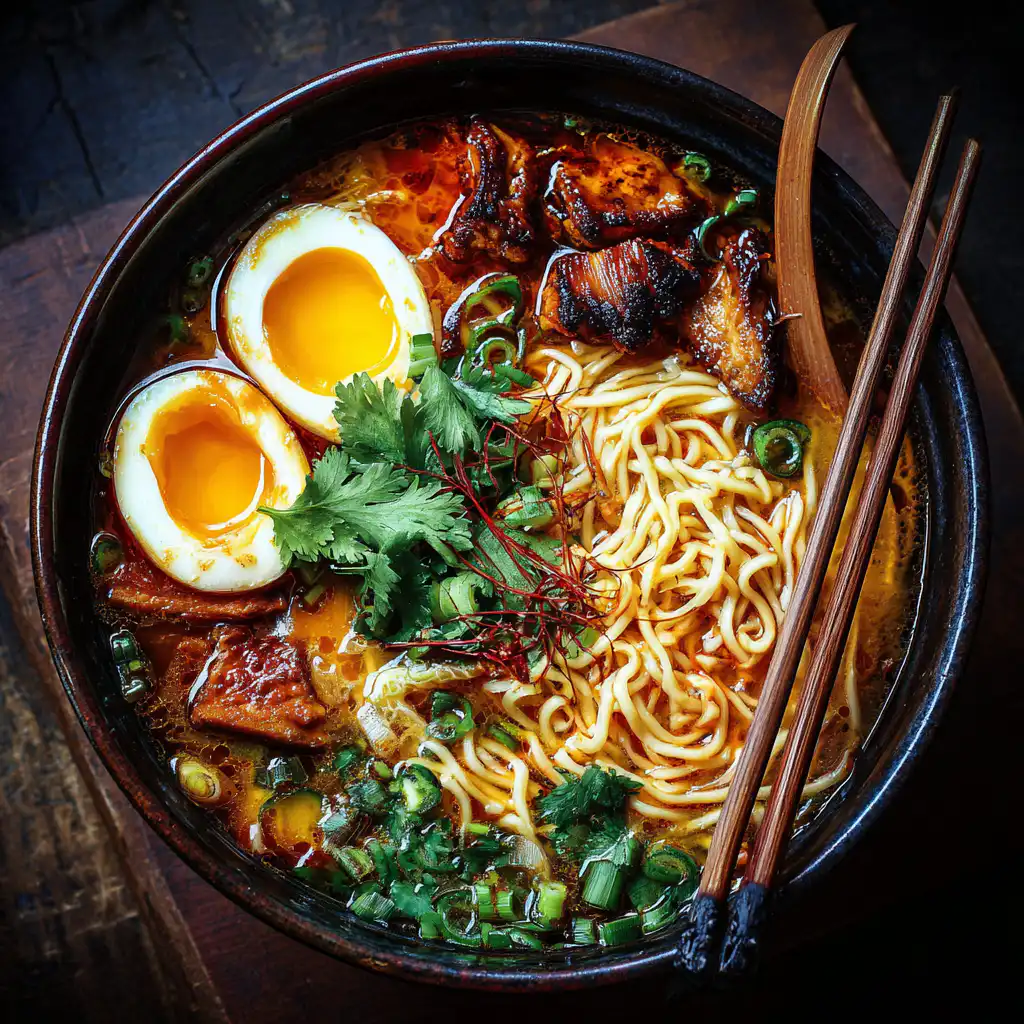
Then comes the slow simmer stage for the broth. You want little bubbles not a roaring boil. Doing it this way pulls more collagen from bones or dried mushrooms and makes the liquid silky. You and your neighbor will see how temperature can turn water into something rich and meaty. And after you turn off the heat, let proteins rest for a bit before topping your noodles.
Pantry Lineup for Noodle Night
- Chicken or Pork Bones for broth richness
- Dried Shiitake for umami depth
- Ramen Noodle Packs fresh if you can find them
- Scallions thinly sliced for crunch
- Fresh Ginger sliced or grated
- Soy Sauce or tamari for salt and color
- Miso Paste optional but tasty boost
- Soft Boiled Eggs prepped with protein rest in mind
Having this lineup makes it easier to finish a ramen noodle bowl fast once you start. I keep my bones in the freezer so I can pull them out and begin the low and slow process right away. The dried mushrooms can live in a jar on the shelf. And scallions I wipe and chop ahead of time, then stash them in a little container.
Getting Your Space Ready to Cook Up a Storm
First get your biggest pot and fill it with water. Put it on to warm so when you add the bones the temperature drop is smaller. This helps you avoid a cold start and lets you maintain more control over your heat. Remember that nudge from the neighbor, he'd want you to feel the sides of the pot and note the warmth level.
Next clear a spot for prep. On one side you pile your noodles and toppings. On the other you arrange your utensils and ladle. I always keep a small bowl with cold water to rinse off any fat or scum that floats up. That way you get a cleaner broth. Protein rest is key here especially for the eggs and meat slices. Keep them off heat until serving.
Brewing That Soup Scent
When the broth starts to whisper with little bubbles you get a sweet smell of bones and mushrooms mixing. That aroma scene is part of the experience. Inhaling that steam is like stepping into a warm hug from the kitchen. You know you are doing heat right when the scent makes your mouth water.
A quick whiff at face level then another down at counter height will show you how different layers of aroma rise. You might notice ginger at the bottom and savory notes up top. That is Maillard browning and caramelization at work together, each at its own temperature zone.
Halfway Through, Are We Hot Enough
About twenty minutes in I always check my temperature. You want the broth to be just at a simmer. If it is too gentle you wont get enough extraction from the bones. Too aggressive and you will cloud the soup with broken collagen bits. Finding that sweet spot means raising or lowering the flame as needed. I adjust my gas knob, then wait a minute and watch the bubble pattern again.
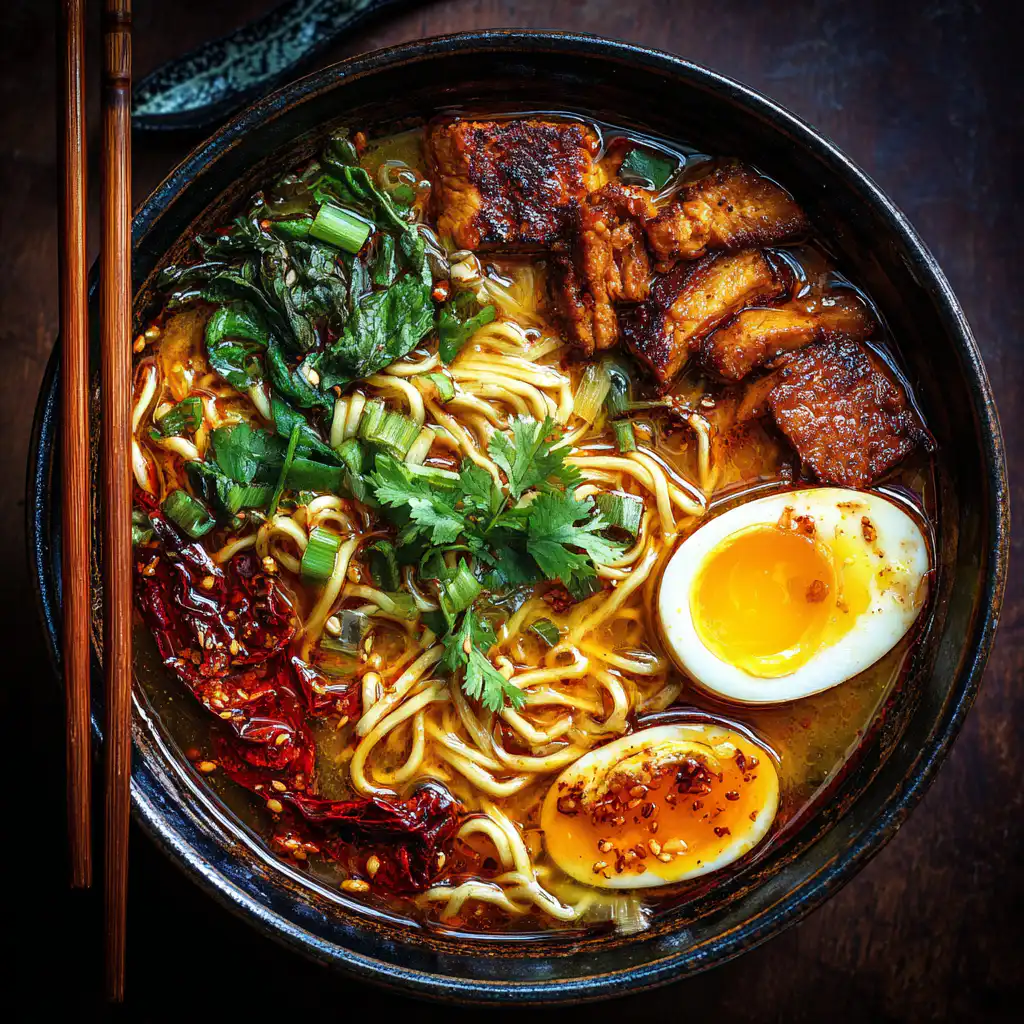
The noodles go in a separate pot. Bring water to a rolling boil then add them and stir gently. This prevents clumps and gives you that springy bite. When one minute remains for cooking, scoop the noodles out into your serving bowls. Placing them early means they get a quick heat boost from hot water without soaking in too long.
Probing for Taste and Texture
Once noodles are in bowls I ladle broth in slowly, making sure I swirl around any seasonings on the bottom. Then I taste a spoonful. If you need more salt then soy sauce is your friend. For depth a little miso paste does wonders. Be mindful that adding either can raise the flavor intensity quickly so start small, then rest your pot off heat while you decide.
Next up, check your soft boiled egg. The ideal protein rest time is at least five minutes so the yolk firms up just a bit. Slice it in half and notice how the edges look. Too runny and you need more rest, too firm and you lost the creamy centre. With practice you won't need a timer you will just use your senses.
Dress It Up With Some Style
Plating flair is more than tossing toppings on top. I place a few scallions in a fan shape. Lay slices of pork or chicken on one side. Let the egg halves rest gently on the noodles. Then finish with a sprinkle of sesame seeds or red pepper flakes, whatever you prefer. That little pop of color makes your ramen noodle bowl look like a pro made it.
For final effect I add a drizzle of chili oil or soy oil on one side of the bowl. This way every slurp changes in heat and flavor. And if your neighbor ever stops by he will nod his head and say you got the balance just right.
Next Day Remix and Leftover Trick
Got leftover broth This is gold for fried rice or noodle stir fry. Heat a pan on medium with a touch of oil then add rice or some extra ramen noodle pieces. Pour in a bit of broth instead of plain water. The flavors lock in through low and slow cooking as the liquid absorbs into the grains. You can also toss in any leftover meat or veggies for a quick new meal.
If you have just broth leftover freeze it in ice cube trays. Once frozen pop them out and store them in a bag. They make perfect flavor bombs for sauces or soups next time. That is how you keep heat shaped flavor rolling in future meals without extra work.
What You Need to Remember Plus FAQs
When making ramen noodle soup always pay attention to heat levels. Use Maillard browning to build flavor with low and slow settings at key points. Let proteins rest before plating. Small adjustments at each stage make a huge difference. Slow simmer your broth then probe with your own senses. Remember your neighbor who obsesses over temperature and use that as motivation to keep fine tuning.
- Q: How long should I simmer bones for best flavor A the ideal time is at least four hours on a gentle simmer To really extract collagen and taste you can go up to six hours but watch your water level and top up if needed
- Q: Can I skip the slow simmer and use broth from a carton A you can but you miss out on the deep richness only homemade stock gives You might end up losing depth and savory layers in your ramen noodle bowl
- Q: Why did my noodles get soggy A most likely they sat in hot water too long After cooking lift them out right at the end and serve immediately You can rinse them briefly under cool water if you need to stop cooking
- Q: Any tips for adding spice A try infusing chili flakes in oil over low heat for five minutes Strain and drizzle on your soup It adds a fresh heat without overpowering
Stick with these basics and you will master the art of heat driven ramen noodle bowls. Each pot you make will show improvement as long as you reflect on what your neighbor taught you, how a simmer sounds and how a bubble looks. Now go turn your kitchen into a ramen noodle lab.
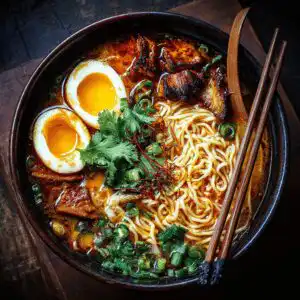
ramen noodle
Equipment
- 1 large pot
- 1 whisk
- 1 cutting board
- 1 ladle
Ingredients
- 4 cups chicken or vegetable broth
- 2 packs fresh ramen noodles 14 oz
- 2 tablespoons soy sauce
- 1 tablespoon miso paste
- 2 green onions, sliced
- 2 cloves garlic, minced
- 1 inch ginger, grated
- 1 cup bok choy, chopped
- 1 carrot julienned
- 2 soft-boiled eggs optional
- Sesame oil for drizzling
- Seaweed sheets for garnish, optional
- Chili oil for spice, optional