
I have a confession to make. For three straight years, I could not make a Hot Honey Glazed Salmon Recipe that didn't end up tasting like a science experiment gone wrong. The first time, I burned the honey so badly my smoke alarm performed an entire opera. The second time, the glaze slid off the fish like it was wearing Teflon. The third time, I undercooked it so badly my cat gave me a judgmental look.
I'm a food blogger. I'm supposed to know better.
Last Tuesday, during a miserable October rainstorm that wouldn't quit, something finally clicked. I stood at my kitchen counter, watched the glaze bubble in the pan, and smelled that perfect combination of sweet heat. When I took the first bite, I actually laughed out loud. All those failures, all that wasted salmon, all the smoke detectors I'd offended - it led to this exact moment.

Here's what I learned the hard way so you don't have to.
Hot Honey Glazed Salmon: The Backstory
Let me paint you a picture of my earlier attempts at this Hot Honey Glazed Salmon Recipe. I'd read the instructions, buy nice wild-caught fillets from the fancy market, and proceed to make every mistake in the book. My husband started calling it "fire drill salmon" because every time I made it, something dramatic happened.
Here's what went wrong, repeatedly:
- The glaze boiled over. I'd walk away for thirty seconds and come back to find sticky lava all over my stovetop. Honey expands when it boils, and I ignored that physical reality every single time. The cleanup took longer than the cooking.
- I used cheap hot sauce. The first three batches of homemade hot honey tasted like vinegar and regret. I thought any hot sauce would work. It does not. The wrong bottle ruins everything.
- I skipped the pat-dry step. Wet salmon rejects glaze the way my cat rejects vegetables. The moisture creates a steam barrier that prevents caramelization. I learned this after staring at pale, sad-looking fish for the tenth time.
- I broiled too long. That beautiful golden crust turns into a charcoal briquette in about forty-five seconds. I ruined two perfectly good fillets before I understood the broiler is not your friend - it's a controlled hazard.

Each failure taught me something specific. And eventually, I had enough knowledge to actually pull this off.
Everything You Need
Here's the thing about this Hot Honey Glazed Salmon Recipe - the ingredient list is short, but each item matters. You cannot swap things out randomly and expect the same result. I learned that lesson the expensive way.
For the salmon itself, I use wild Alaskan Coho or Sockeye. Farm-raised Atlantic works in a pinch, but it's softer and more forgiving with the timing. Wild salmon cooks faster and flakes differently. Adjust your expectations accordingly.
The hot honey is critical. I use Trader Joe's brand because it has consistent heat and a clean sweetness. If you're making your own, combine half a cup of honey with one to two tablespoons of sriracha and a pinch of cayenne. Let it sit for an hour before using so the flavors marry properly.
Fresh ginger and garlic are non-negotiable here. The powdered versions burn differently and leave a weird metallic aftertaste. I keep a knob of ginger in my freezer - it grates beautifully without peeling that way.
One tablespoon of cornstarch is optional but recommended. It transforms the glaze from a thin liquid into something that coats each bite evenly. Without it, the glaze runs off the fish and pools on the plate. With it, you get that glossy restaurant finish.
Short overview
Start by preheating your oven to 375°F with the rack in the upper third. Line a baking sheet with parchment paper - foil works but the glaze sticks harder and you'll curse while scrubbing later.
Wash the salmon and pat it completely dry with paper towels. Run your fingers along the surface to feel for pin bones. They hide like tiny needles and nobody wants to bite into one. Place the fillet skin side up on your prepared sheet.
Whisk together the soy sauce, hot honey, minced garlic, grated ginger, olive oil, lime juice, and water. This is your marinade and your glaze base. Reserve about a third of it in a small bowl. Pour the rest into a saucepan. Lift the salmon gently and let some of that reserved third pool underneath - this prevents the bottom from drying out.
Add the butter to the saucepan and bring everything to a boil. Reduce the heat and let it simmer until the mixture thickens naturally. If you're using cornstarch, mix it with one tablespoon of cold water first, then stir it into the simmering glaze. Watch it transform from watery to glossy in about thirty seconds.
Flip the salmon so it sits skin side down. Season with salt, pepper, and paprika. Spoon some of that thickened glaze across the top. Bake for four to five minutes, then glaze again. Switch your oven to broil and cook for another four minutes. Watch it closely - the line between perfect and burnt is very thin.
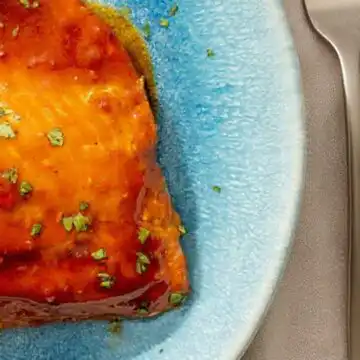
Pull it out, transfer to a serving platter, and shower it with fresh cilantro. The contrast between the hot sweet glaze and the cool herb is what makes this sing.
Small things, big impact
After years of messing up this Hot Honey Glazed Salmon Recipe, I can tell you exactly which small adjustments turned everything around. These are the details the recipe card won't fully explain.
First, let the salmon sit at room temperature for fifteen minutes before you start cooking. Cold fish straight from the fridge cooks unevenly - the outside overcooks while the center stays raw. Fifteen minutes makes a measurable difference.
Second, use a fish spatula. The thin, flexible metal slides under the fillet without breaking it apart. My first attempts used a wide metal turner and I ended up with salmon chunks. A dedicated fish spatula costs about twelve dollars and saves you from serving scrambled fish.
Third, trust your nose before your timer. When the glaze starts smelling like caramel crossed with a gentle spice kick, you're close. Your nose knows when the sugars are properly toasted. If it smells acrid or burned, pull it immediately and learn from that.
Fourth, let the salmon rest for two full minutes after it comes out of the oven. The carryover heat finishes the cooking gently. Slice it immediately and all that beautiful glaze runs onto the cutting board instead of staying on your plate.
Fun twists
Once you've mastered the basic Hot Honey Glazed Salmon Recipe, you can start playing around. Here are three variations I rotate through depending on my mood and what's in the pantry.
- Sesame ginger version. Add a tablespoon of toasted sesame oil to the glaze and sprinkle the finished dish with black sesame seeds and sliced green onions. The nuttiness plays beautifully against the heat. Serve it over jasmine rice with a side of blanched bok choy.
- Citrus punch. Replace the lime juice with fresh orange juice and add a teaspoon of orange zest to the marinade. The sweetness of the orange mellows the hot honey and creates a brighter flavor profile. This version works especially well with sockeye salmon.
- Smoky chipotle swap. Use chipotle hot sauce instead of sriracha in your homemade hot honey. The smokiness adds a completely different depth. Pair this with a cold cucumber salad to balance the heat. My husband requests this specific version every time we have company.
Each twist changes the cooking time slightly because different sugars caramelize at different rates. Watch your first batch closely and adjust from there.
Course Corrections
I made every mistake possible so you don't have to. Here are the three biggest traps I fell into with this Hot Honey Glazed Salmon Recipe.
- Don't use old soy sauce. An open bottle that's been sitting in your pantry for eight months develops a stale flavor that ruins the glaze. I made this mistake twice before I realized the common denominator. Buy a fresh bottle if yours is older than six months.
- Don't skip the parchment paper. I tried cooking this directly on a bare baking sheet once, thinking I'd save time. The sugar in the honey bonded with the metal and created a crust that took twenty minutes of soaking to remove. Save yourself the scrubbing.
- Don't double the glaze recipe for more coverage. More glaze doesn't mean more flavor - it means a thicker layer that slides off during cooking. The ratio of glaze to fish matters. Stick to the measurements and apply in layers during the bake-broil process.
Each of these failures cost me time, ingredients, and my dignity. But now I know better, and you get to benefit from my kitchen disasters.
Meal Prep Notes
Refrigerator
Cooked salmon keeps in an airtight container for up to two days. Place it on a paper towel to absorb any excess moisture and change the towel after the first day. Do not leave it on the counter for more than two hours after cooking - the glaze creates a welcoming environment for bacteria.
Freezer
I freeze this salmon only if I have leftovers I can't finish. Wrap each portion individually in plastic wrap, then foil, then place in a freezer bag. It keeps well for about three weeks. Beyond that, the texture degrades noticeably. The glaze loses some of its stickiness after freezing.
Reheating
The best method is a low oven at 300°F for about eight minutes. Microwave reheating makes the glaze rubbery and the fish dry. If you're in a hurry, flake the cold salmon over a salad or toss it into rice - it's genuinely good cold.
Switching Things Around
- Spice level control. Use less hot honey and more regular honey for a milder version. My kids need a 50-50 blend before they'll touch it. For extra heat, add red pepper flakes to the glaze during the simmering stage.
- Gluten-free adaptation. Replace soy sauce with coconut aminos or tamari. The flavor shifts slightly but the overall dish works wonderfully. Check your hot honey label too - some brands contain barley malt.
- Sheet pan meal. Add asparagus or broccoli florets to the baking sheet during the last six minutes of cooking. The vegetables catch the drips of glaze and come out perfectly seasoned. Dinner becomes a one-pan operation.
💡 Pro tip: Save the rendered salmon fat that pools on the parchment after baking. It's liquid gold for roasting potatoes the next day. Just scrape it into a jar and refrigerate - that smoky-sweet salmon fat turns ordinary potatoes into something memorable.
Clearing Things Up
Can I use frozen salmon for this Hot Honey Glazed Salmon Recipe?
Absolutely, but thaw it completely in the refrigerator overnight first. Pat it very dry before starting - frozen salmon releases more water during thawing and that extra moisture will sabotage your glaze. Never cook it from frozen in this recipe.
Why did my glaze turn out grainy?
You likely boiled it too aggressively. Honey crystallizes when overheated and the sugar crystals create a sandy texture. Keep the glaze at a gentle simmer, not a rolling boil. If it already happened, strain it through a fine mesh sieve and start over with lower heat.
What's the best substitute for hot honey?
Mix regular honey with cayenne pepper and a splash of apple cider vinegar. Start with a quarter teaspoon of cayenne and adjust upward. Let it sit for ten minutes before using so the heat disperses evenly through the honey.
How do I know when the salmon is perfectly cooked?
The flesh should flake easily with a fork but still look slightly translucent in the center. It will finish cooking during the rest period. An instant-read thermometer should read 125°F for medium doneness. Anything above 135°F and you're entering dry territory.
Hot Honey Glazed Salmon Recipe
Equipment
- Baking sheet
- Parchment paper
- Saucepan
- Whisk
- small bowl (for optional cornstarch slurry)
- Spatula
- Serving platter
Ingredients
- ═══ FOR THE SALMON ═══
- 1.5-2 lb Wild Alaskan salmon fillet (Coho or Sockeye)
- 1 teaspoon kosher salt
- 1 teaspoon ground black pepper
- 1 teaspoon paprika
- ═══ FOR THE MARINADE/GLAZE ═══
- 132 g soy sauce or tamari (½ cup)
- 170 g hot honey sauce (I used Trader Joe's brand) ((see recipe notes for homemade hot honey sauce))
- 3 cloves garlic (minced)
- 2 teaspoons fresh ginger (grated)
- 1 tablespoon olive oil
- 1 tablespoon lime juice
- 60 g water (¼ cup)
- 2 tablespoon butter (unsalted)
- 1 tablespoon cornstarch ((optional))
- ═══ FOR GARNISH ═══
- Fresh cilantro (diced for garnish)
Instructions
- Preheat oven to 375°F with rack in upper third. Line a baking sheet with parchment paper.
- Wash and pat the salmon fillet dry, remove scales or pin bones. Place skin side up on the baking sheet.
- Whisk together all glaze ingredients except butter and cornstarch. Reserve ⅓ of the marinade and pour the remaining into a saucepan.
- Pour the reserved ⅓ marinade onto the baking sheet, lifting the salmon to get marinade under it. Set aside.
- Add butter to the saucepan and bring to a boil. Reduce to a low boil until thickened. For a thicker glaze, mix cornstarch with 1 tablespoon water and stir into glaze; raise heat and stir until thick. Transfer to a bowl.
- Place salmon skin side down on the prepared baking sheet. Season with salt, pepper, and paprika. Spoon some glaze over the top.
- Bake at 375°F for 4-5 minutes. Glaze again, then switch oven to broil. Broil for 4 minutes until done to your liking (do not over bake).
- Remove from oven, transfer to a platter, garnish with diced cilantro. Serve with rice, grains, or salad.
Notes
- Tip 1: For best results, use wild-caught salmon like Coho or Sockeye; it has a firmer texture and richer flavor.
- Tip 2: If using homemade hot honey sauce, combine ½ cup honey with 1-2 tablespoons hot sauce (like sriracha) and a pinch of cayenne.
- Tip 3: To save time, marinate the salmon while the oven preheats (about 10-15 minutes).
- Tip 4: Leftover salmon can be stored in an airtight container in the fridge for up to 2 days; reheat gently in a low oven or microwave.
- Tip 5: This salmon pairs wonderfully with steamed rice, quinoa, or a fresh green salad with a light vinaigrette.