The pot lid rattles and you know dinner is almost ready. That sound means the pressure is building up just right, and soon you're gonna be pulling soft, warm dinner rolls right from the cooker. You sense the aroma starting to fill your kitchen, that buttery scent that sorta wraps around you and tells you good things are coming.
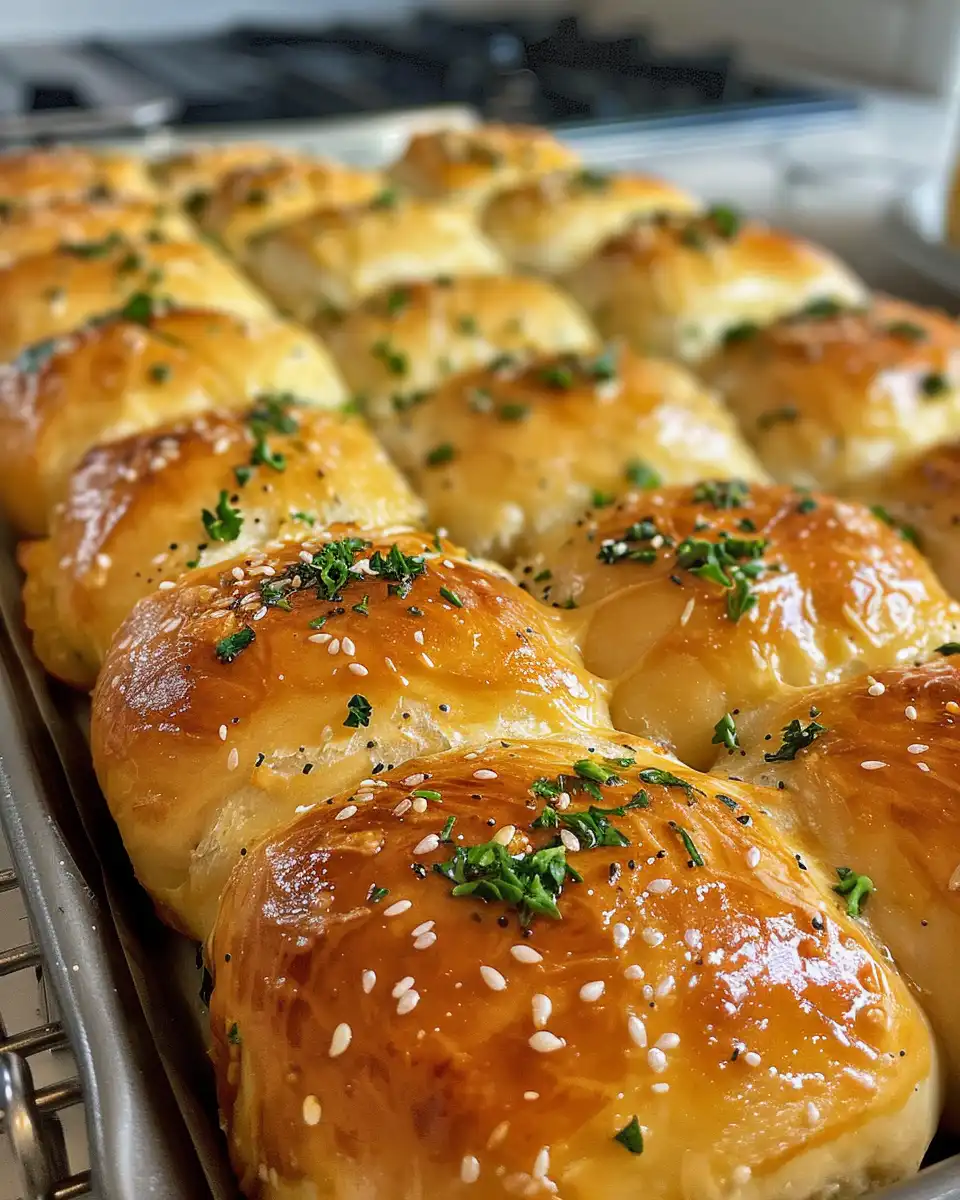
Your kitchen feels cozy. You remember the last time you tried making these Amish Dinner Rolls the old-fashioned way and how long it took. This time you got your pressure cooker to help out and it changes the whole game. The tender pull on these rolls will make you wanna keep reaching for more.
These rolls aren't just about being quick though. You notice the depth in the bread, kinda like broth depth but for your taste buds. The softness is perfect, almost fluffy, with that slight sweetness and salt balance that makes you wanna slather butter on top while it's still hot. You gotta trust the process and stick with the slow release at just the right moment to get that perfect texture.
Why Your Cooker Beats Every Other Pot
- Pressure build happens super fast, cutting your total prep and wait time down.
- The sealed environment traps moisture, making your Amish Dinner Rolls decadent and soft.
- You can do a slow release that keeps the rolls tender and prevents them from drying out.
- It's way less messy since you're working in one pot and no extra bowls piled up.
- The consistent heat in the cooker keeps your dough rising perfect and even without extra fuss.
Your Simple Ingredient Checklist
You only need a handful of common ingredients to pull off these dinner rolls. I like how straightforward this recipe is - no weird stuff you gotta hunt down.
- 2 large eggs - they add a nice richness.
- ⅓ cup granulated sugar - just enough sweet to balance.
- 2 teaspoons table salt - for that perfect flavor kick.
- 6 tablespoons softened butter - butter makes it dreamy.
- 1 cup mashed potatoes, unseasoned and lightly packed - this is the secret for softness.
- 2 ½ teaspoons yeast (instant or active dry) - the lift comes from here.
- ¾ cup lukewarm water (ideally the potato water) - keeps everything moist and tender.
- 4 ¼ cups King Arthur Unbleached All-Purpose Flour - the main muscle for your dough.
Using the water you boiled the potatoes in adds a kinda subtle broth depth to the dough. That detail you might miss but it works real good for flavor and texture. The softened butter blends right in with the potatoes and eggs to make the dough silky smooth, which helps get that tender pull you're after.
How It All Comes Together Step by Step
First, you gotta whisk together the eggs, sugar, and salt in a big bowl. Get it all mixed well so the sugar starts dissolving a bit right there.
Next, stir in the softened butter and mashed potatoes until it's one smooth mixture. No big lumps, just creamy and even.
Dissolve your yeast in the lukewarm water, then add that to the bowl. Mix everything well so it starts to come together.
Now comes the flour. Add it gradually, one cup at a time, stirring until you get a soft dough. It's okay if it's still kinda sticky.
Turn the dough out on a floured surface and knead it for about 5 to 7 minutes. You want it smooth and elastic but don't overdo it or it gets tough.
Place your dough in a greased bowl and cover it. Let it rise somewhere warm until it doubles, usually about 1 to 1.5 hours. This is where the pressure cooker helps by keeping things consistent without any extra heat.
Preheat your oven to 375°F. Punch the dough down and form your rolls. Place them on a greased baking sheet, cover with a towel, and let them rise again for 30 minutes.
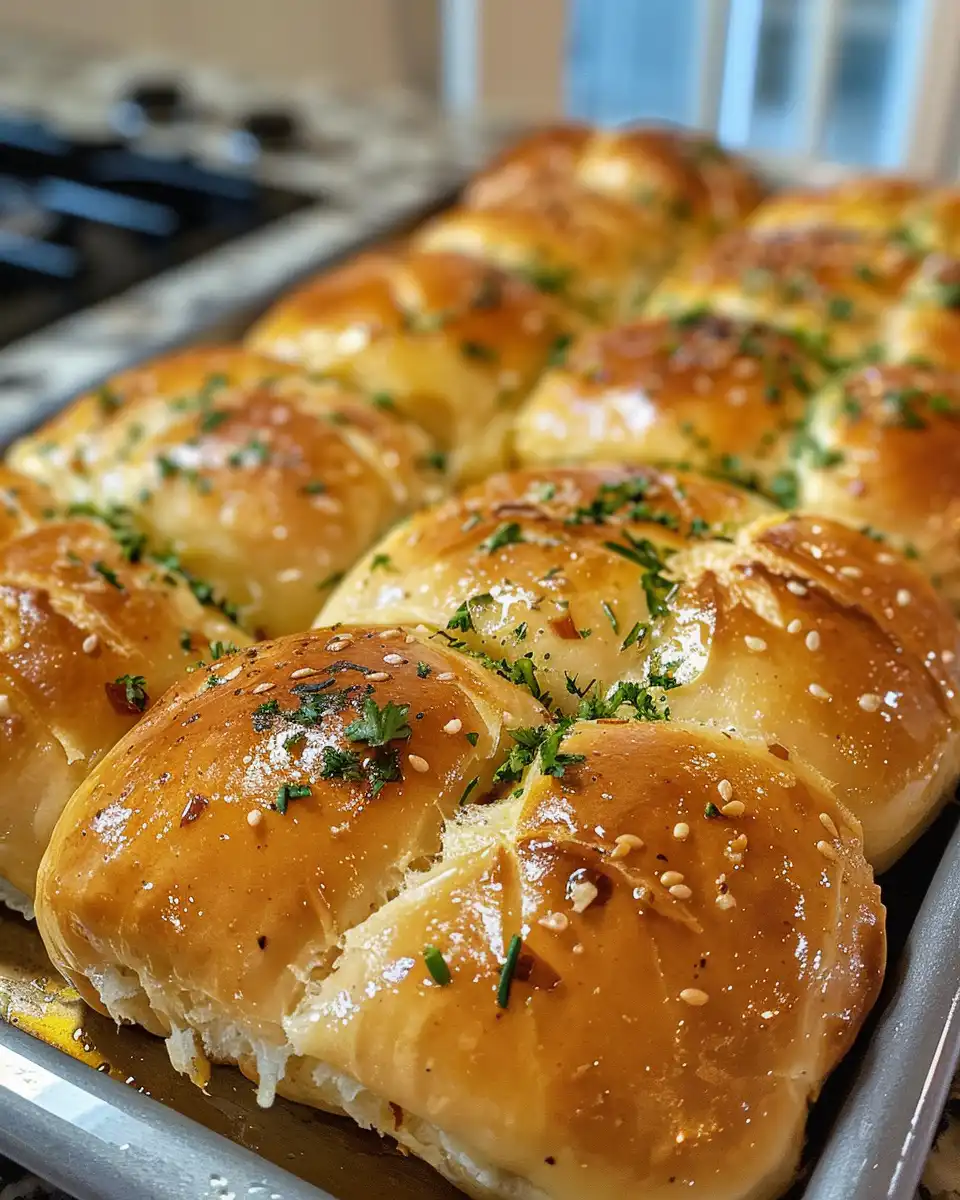
Finally bake for 20 to 25 minutes until golden brown. That quick release of heat and your pot lid rattling was just teasing you before, now it's real deal freshness.
Time Savers That Actually Work
If you're pressed for time, you can still make these work without losing that great texture.
- Use instant yeast instead of active dry for a faster pressure build and rise time.
- Make the dough the night before and keep it in the fridge, then shape rolls fresh when you're ready.
- Wanna skip peeling potatoes? Use leftover mashed or instant ones warmed up, just make sure they're plain.
These shortcuts don't mess up the flavor or tender pull. They just help you fit baking into your busy day. Trust me, you'll still get that warm, soft roll that feels like you spent a whole afternoon baking.
What It Tastes Like Fresh From the Pot
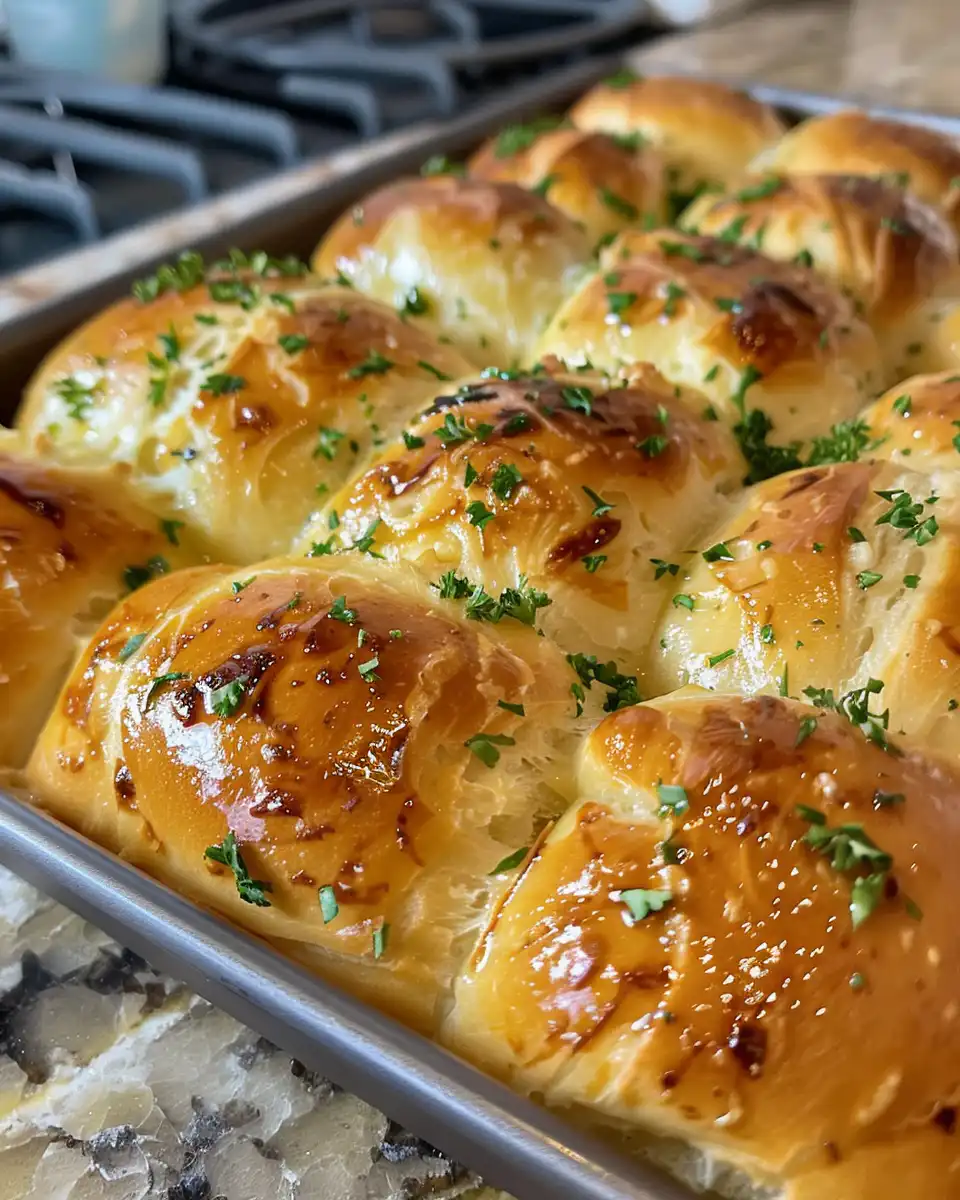
Right after they come out, these rolls are soft and buttery with a slight crust that's perfect for crispness but not tough. You sense the light sweetness warming up your senses first.
Inside, the crumb feels tender and kinda fluffy with a stretch that promises a satisfying pull apart. You notice the salt hits just right to balance it all.
There's a subtle richness from the butter and eggs, layered with that comforting mashed potato softness. It's like a warm hug in bread form.
When you slather on butter or even just eat them plain, you'll spot why these rolls are a classic comfort food. Perfect for dinner or any time you need something homey and soothing.
How to Store This for Later
If you got leftovers, keeping these rolls fresh is easy.
- Room temperature: Place rolls in an airtight container or zip bag; they stay soft for a couple days.
- Refrigerate: Good for up to a week, but wrap tightly or use a sealed bag to stop dryness.
- Freeze: Wrap each roll in plastic wrap and place in freezer bags; thaw at room temp to keep that tender pull.
- Reheat gently: Use a little water and cover with foil in the oven or microwave to reset the softness without drying out.
Storing right keeps the broth depth and softness intact. Quick release when reheating avoids baking that dryness that messes with your tender pull. You'll notice the difference every time.
Common Questions and Real Answers
Q 1: Can I use regular water instead of potato water? Sure you can, but the potato water adds a subtle broth depth you don't really get from plain water. It's worth saving.
Q 2: What if my dough feels too sticky or too dry? Add a little more flour if sticky, but don't overdo it. If dry, add small splashes of lukewarm water as you knead.
Q 3: How do I know when the dough has risen enough? It should nearly double and look puffy. You can poke it gently and see if the mark stays.
Q 4: Can I skip the slow release and just quick release the cooker? Slow release is best here to keep rolls soft and avoid drying out. Quick release might make the edges tough.
Q 5: Why does my dough feel dense sometimes? That usually means the yeast wasn't active enough or dough didn't rise long enough. Warm places help a lot.
Q 6: Can I make these rolls vegan? You can try replacing eggs and butter with vegan alternatives, but it might change the tender pull and flavor a bit. Worth experimenting if you wanna.
For a savory egg dish that cooks perfectly in a pressure cooker, check out classic deviled eggs. If you're in the mood for something sweet and comforting, the Caramel Coffee Cinnamon Rolls recipe will definitely hit the spot.
For baking tips specifically for pressure cookers, visit our pressure cooker tips article to get the best results across different recipes.
Amish Dinner Rolls Made Easy in Your Pressure Cooker
Equipment
- 1 Pressure cooker for rising
- 1 Greased bowl
- 1 Baking sheet
Ingredients
Main ingredients
- 2 large eggs adds richness
- ⅓ cup granulated sugar balance sweet
- 2 teaspoons table salt flavor kick
- 6 tablespoons softened butter makes it dreamy
- 1 cup mashed potatoes unseasoned, lightly packed
- 2 ½ teaspoons yeast instant or active dry
- ¾ cup lukewarm water ideally potato water
- 4 ¼ cups King Arthur Unbleached All-Purpose Flour main muscle for dough
Instructions
Instructions
- Whisk together eggs, sugar, and salt in a big bowl until sugar starts dissolving.
- Stir in softened butter and mashed potatoes until smooth.
- Dissolve yeast in lukewarm water, then add to the bowl. Mix well.
- Gradually add flour, one cup at a time, to make a soft dough. It’s okay if sticky.
- Knead dough on a floured surface for 5-7 minutes until smooth and elastic.
- Place dough in a greased bowl, cover, and let rise until it doubles about 1-1.5 hours.
- Preheat oven to 375°F. Punch dough down and form rolls.
- Place rolls on a greased baking sheet, cover, and let rise for 30 minutes.
- Bake for 20-25 minutes until golden brown.