
I remember you standing by that old grill while I coaxed sparks from the live coal glow. You'd blink against the ember heat and recall how it felt when a spark flew close. That backyard light taught you to watch each ember dance.
You might not recall every smell but the char on that iron grate sticks with you. You felt the warm air carry your own breath right back to you in those moments. I had you lean in a bit closer and you did.
Later I showed you how even dough bloom can start by feeling warmth on your palm. You felt the promise in that gentle rise before I even mentioned the One Bowl Lemon and Olive Oil Cake that we'd bake later. It was simple and real.
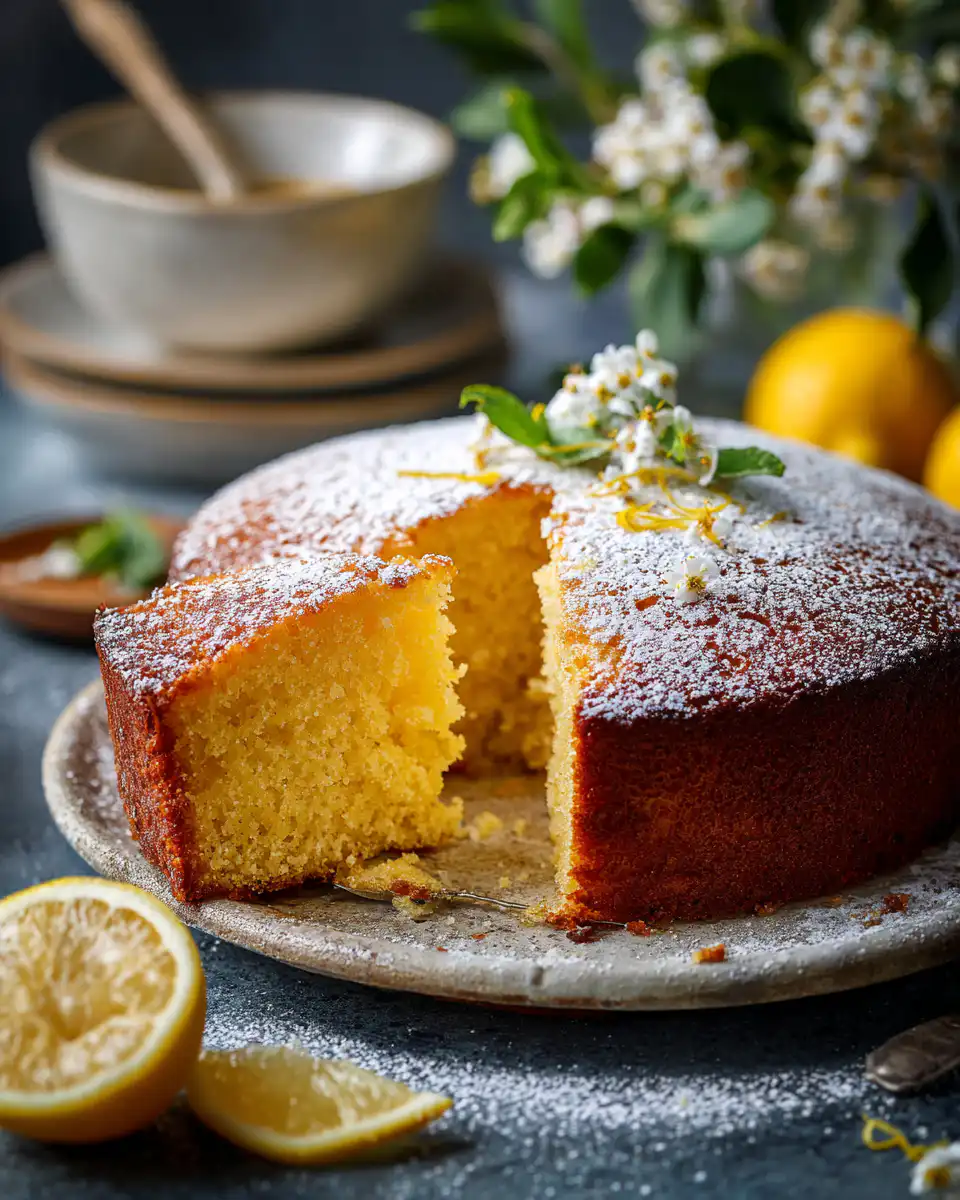
Fire craft plain words science
You get started by building a gentle bed of glowing bits so you feel the heat without getting burned. Live coal will give steady warmth that holds your pan or baking sheet. No need to fuss with fancy gear.
Watch how heat moves from those glowing bits up into your cooking vessel. You can even test with your hand held above the surface. You'll sense where it is safe and where you risk a blister. It is all plain physics and a little trial.
When you push a pan onto that coal bed you get a steady radiating heat that bakes without giant flames. You learn how ember warmth works and that makes you more sure of every step you take next.
Pantry grains and spice list six to eight items
- All purpose flour sifted for light crumb
- Sugar granulated to sweeten gently
- Baking powder for lift and dough bloom
- Eggs at room temp to bind and give protein char
- Extra virgin olive oil rich and silky
- Fresh lemon zest bright aroma
- Pinch salt to boost every taste
- Vanilla extract for warmth and depth
Dough knead ritual steps
First you crack your eggs into the bowl and whisk them up with olive oil until they look smooth and a bit glossy. You dont need extra bowls or fuss. You pour sugar right on top and stir it in by hand or with a wooden spoon.
Next you drizzle in lemon zest and vanilla then fold in sifted flour and baking powder. Work it gently so you don't overmix. You figure out that slow mixing keeps the cake tender.
Then you salt the mixture and test a tiny dollop on your fingertip. If it feels silky and holds shape you know it is ready. If it looks too loose you stir in a bit more flour until it feels just right.
Now you line your pan or cast iron dish with parchment or oil so it won't stick. You spoon in the batter and shake it gently so it settles in every corner. You learn patience by waiting before it bakes.
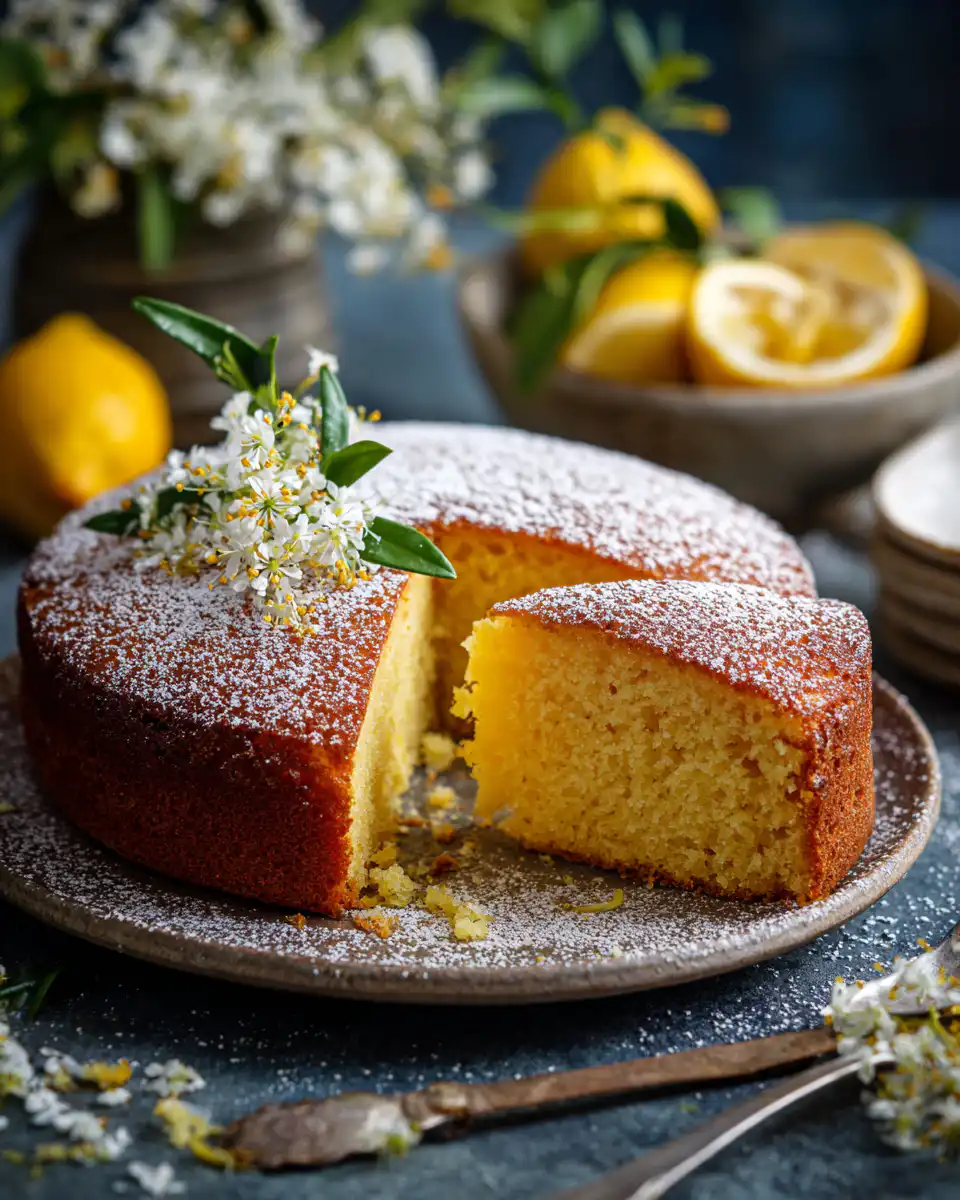
Rising dough aroma scene
You step back and breath in as the dough bloom starts. A sweet lemon scent drifts up and you can almost taste the olive oil notes. It is a quiet moment but dang it feels special.
As your nose leans in you feel how the room warms and that subtle hint of yeast lift floats all around. You recall how easy it was and how little you need to feel proud that you did it yourself.
Flip and char checkpoints
When your pan sits on the embers you learn to watch the edges for color change. That is your sign to maybe turn it around or rotate so nothing burns. You get a feel for how that heat moves.
At some point you might tip a bit to peek underneath. You want a light golden top and just a whisper of brown on the bottom for a little protein char that tastes dang good. You check it careful so you dont tear the crumb.
Once you see that glow underneath you slide a spatula and flip it quick but gentle. You give it a minute more on the other side so everything is even and air pockets dont collapse.
Smoke kiss notes
Every bake on live coal drifts a fine haze that lands like a kiss around the edges of your cake. It carries hints of wood smoke that remind you of summer nights and smoky stories.
You lean in once more and catch that mix of lemon brightness and ember scent. It feels like a secret handshake between earth and grain that you and your pan just shared.
Shared platter touches
You lift that One Bowl Lemon and Olive Oil Cake onto a wooden platter and see how the crumb shines in the ember light. You pass it to friends and yall grin at those gentle cracks on top.
Each slice gives you texture that is moist yet airy. You feel the olive oil richness then the zing of lemon in one bite. Folks tuck into it fast but nobody complains about the crumbs.
You might hear them say heck that tastes good or wow I want seconds. You just stand back and smile because you taught yourself how to bake in a way that feels real.
Seasonal stuff twist
You can fold in fresh berries when they are ripe and meet that dough bloom with little pops of juice. In fall you might stir in cinnamon or chopped nuts for extra crunch.
Winter calls for orange zest or even a pinch of ground clove to warm up the crumb. Spring invites chopped fresh herbs like rosemary or thyme that play nice with olive oil.
No matter what you add you keep that simple one bowl method and the ember bake remains center stage so nothing feels over done or lost in a fuss.
Store reheat love guide
After your cake cools you cover it loose with cloth or foil so it stays moist but can still breathe. That simple step keeps your crumb from turning stiff.
When you want a slice later you heat a skillet above low ember glow or use a gentle oven heat. You pop the cake piece in just long enough so it feels warm inside and edges crisp up a bit.
That small char gives you a fresh protein char note and revives the lemon aroma so it feels like you baked new just for that moment.
You can even toast a slice on a grate placed above live coal then top it with fresh fruit or a spoon of yogurt and you are set for breakfast dinner or snack time bliss.
Family toast and FAQs
You fit right into that circle of folks passing plates around and raising forks for a toast. You lean in say here is to simple moments that glow as bright as those embers did. Yall take a bite and share a smile.
- Can I use whole wheat flour you can but expect a denser crumb you might need a bit more olive oil or yogurt to keep it moist
- What if I skip parchment then oil lightly and dust flour so it wont stick but parchment makes your life easier
- Can you bake in a regular oven sure crank it to moderate heat and watch color on top around twenty to twenty five minutes
- How do I boost smoke notes add small soaked wood chips on embers or tuck in a fresh rosemary sprig during bake
- Can I swap sugar for honey you can try but reduce liquid elsewhere and watch for extra browning
You walk away with more than cake you get that ember craft in your blood. You remember what it means to bake by feel and smell. You keep it simple and feel proud every single time you step outside and let the coals glow.
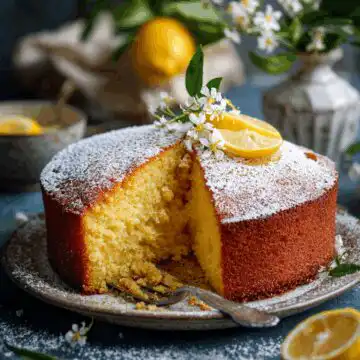
One-bowl Lemon And Olive Oil Cake
Equipment
- 1 mixing bowl
- 1 whisk
- 1 measuring cups
- 1 measuring spoons
- 1 rubber spatula
- 1 9-inch round cake pan
- 1 parchment paper
- 1 oven
Ingredients
- 1.5 cups all-purpose flour
- 1 cup granulated sugar
- 0.5 cup extra virgin olive oil
- 0.75 cup milk
- 3 large eggs
- 1 tablespoon lemon zest
- 0.5 cup freshly squeezed lemon juice
- 2 teaspoons baking powder
- 0.5 teaspoon salt
- to taste servings powdered sugar For dusting before serving.
Instructions
- Preheat your oven to 350°F (175°C). Grease the 9-inch round cake pan and line the bottom with parchment paper.
- In a large mixing bowl, combine the granulated sugar and lemon zest. Use your fingers to rub the zest into the sugar until fragrant.
- Add the eggs, olive oil, and milk to the sugar mixture. Whisk until well combined.
- In a separate bowl, sift together the flour, baking powder, and salt. Gradually add the dry ingredients to the wet mixture, stirring gently until just combined.
- Fold in the freshly squeezed lemon juice until incorporated.
- Pour the batter into the prepared cake pan and smooth the top with a rubber spatula.
- Bake in the preheated oven for 30 minutes, or until a toothpick inserted into the center comes out clean.
- Allow the cake to cool in the pan for about 10 minutes, then transfer it to a wire rack to cool completely.
- Once cooled, dust the top of the cake with powdered sugar before serving.