There is a long and interesting story behind yeast rolls that goes back many years. When people first figured out that yeast could make dough puff up, they began baking these soft and comforting rolls. Over time, the way we make yeast rolls has changed a bit, but they've always been a favorite in kitchens everywhere-even in cozy homes in the South and busy kitchens of Europe. These rolls bring a warm feel and a bit of nostalgia to any meal.
Many cultures see homemade rolls as something very special. They often take pride of place at family get-togethers, big holiday meals, or even at dinner on a regular day. Rolling out and baking your own yeast rolls helps you connect to old family recipes and traditions, and it sure gives you a sense of achievement. Whether you eat them with a filling stew or fresh out of the oven with a little butter, these classic yeast rolls always make things feel homey.
In this article, we gonna dive into the world of old-fashioned yeast rolls. First, we'll talk about what makes these rolls so different from other bread types. Then, we'll go over the ingredients you need and some ideas for substituting stuff if you have certain dietary needs. We will also look into how yeast actually makes the dough rise, fix some common problems, and share a step-by-step recipe that beginners and experienced cooks can follow. By the end, you'll not only know how to make these yummy rolls, but also why they're so important in our cooking traditions.
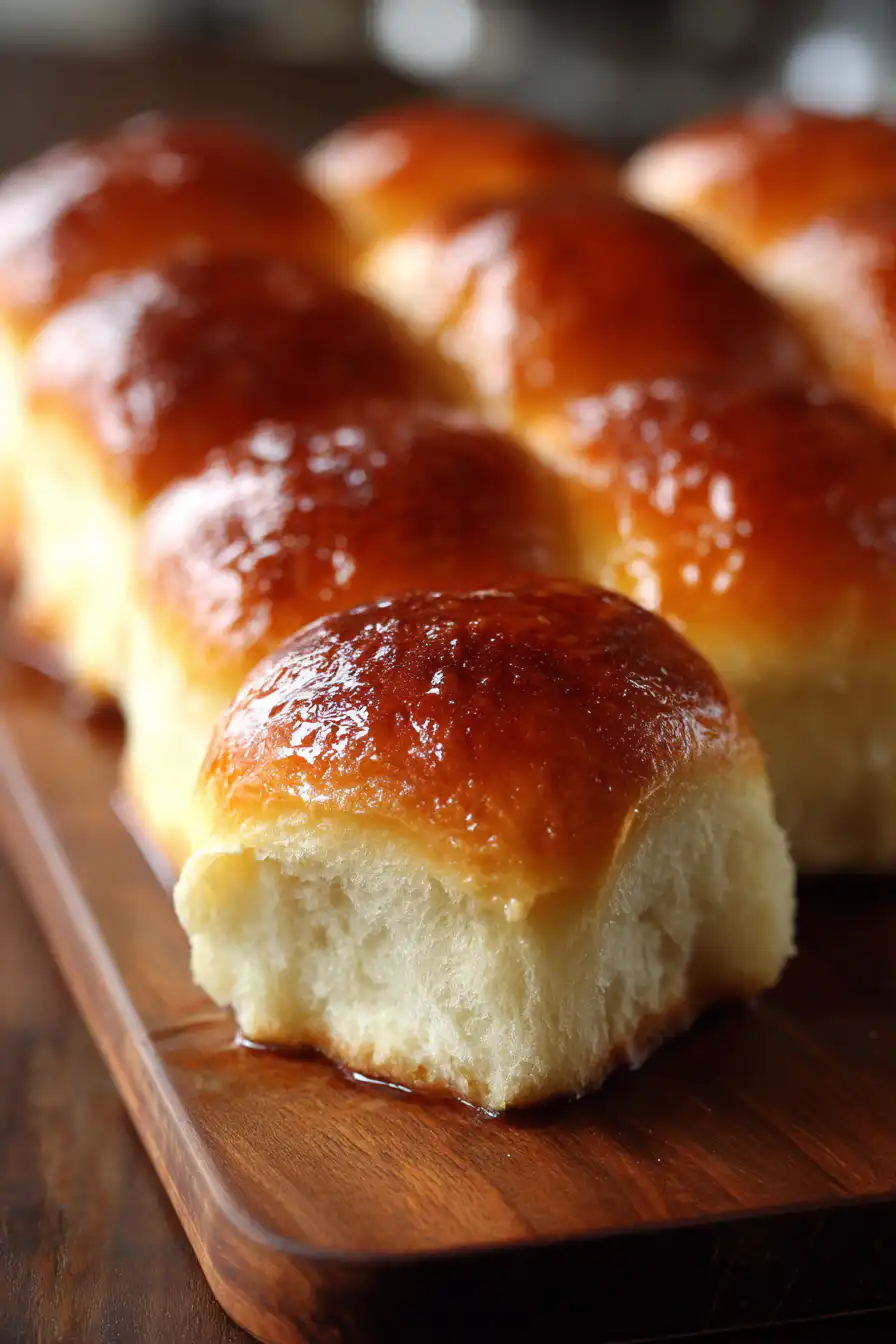
What are Old Fashioned Yeast Rolls?
Old-fashioned yeast rolls are a kinda special type of bread. They are known for being light, fluffy, and a bit sweet because the yeast really does its job making the dough rise through fermentation. Unlike quick breads that use baking soda or powder, these rolls get their lift from yeast, which also gives them a slight tang that you don't get in other breads.
You typically only need a few everyday ingredients: flour, yeast, sugar, salt, milk, butter, and eggs. The dough has to be kneaded and left to rise so that gluten can develop, making the rolls airy and tender. In the end, you get a treat that can go with lots of different dishes, whether it's a stew for dinner or a fancy meal during the holidays.
Yeast rolls are loved by many folks around the world. For example, in the Southern United States, these rolls are a must at family meals while in Europe, you might see fancier dinner rolls at celebrations. Their fresh, homemade taste always brings feelings of comfort and warmth.
Ingredients for Old Fashioned Yeast Rolls
To make these tasty yeast rolls, you need a few key ingredients to make sure they rise up nicely and have a good texture. Here is a list of what you will need:
- All-purpose flour: This is what gives the rolls their structure.
- Active dry yeast: This is the magic ingredient that helps the rolls rise.
- Sugar: It not only makes the rolls a bit sweet but also helps the yeast work.
- Salt: Makes the flavor pop and keeps the yeast in check.
- Milk: Whole or evaporated milk gives moisture and a rich taste.
- Unsalted butter: This makes the rolls tender and full of flavor.
- Eggs: They help mix everything together and add richness.
If you have any dietary restrictions, you can swap out some things. For example, if you dont drink dairy, use a non-dairy milk. Or, if you want to make things a bit healthier, try using whole wheat flour instead. No matter what changes you make, the heart of these homemade yeast rolls is in combining these simple ingredients to create a yummy experience.
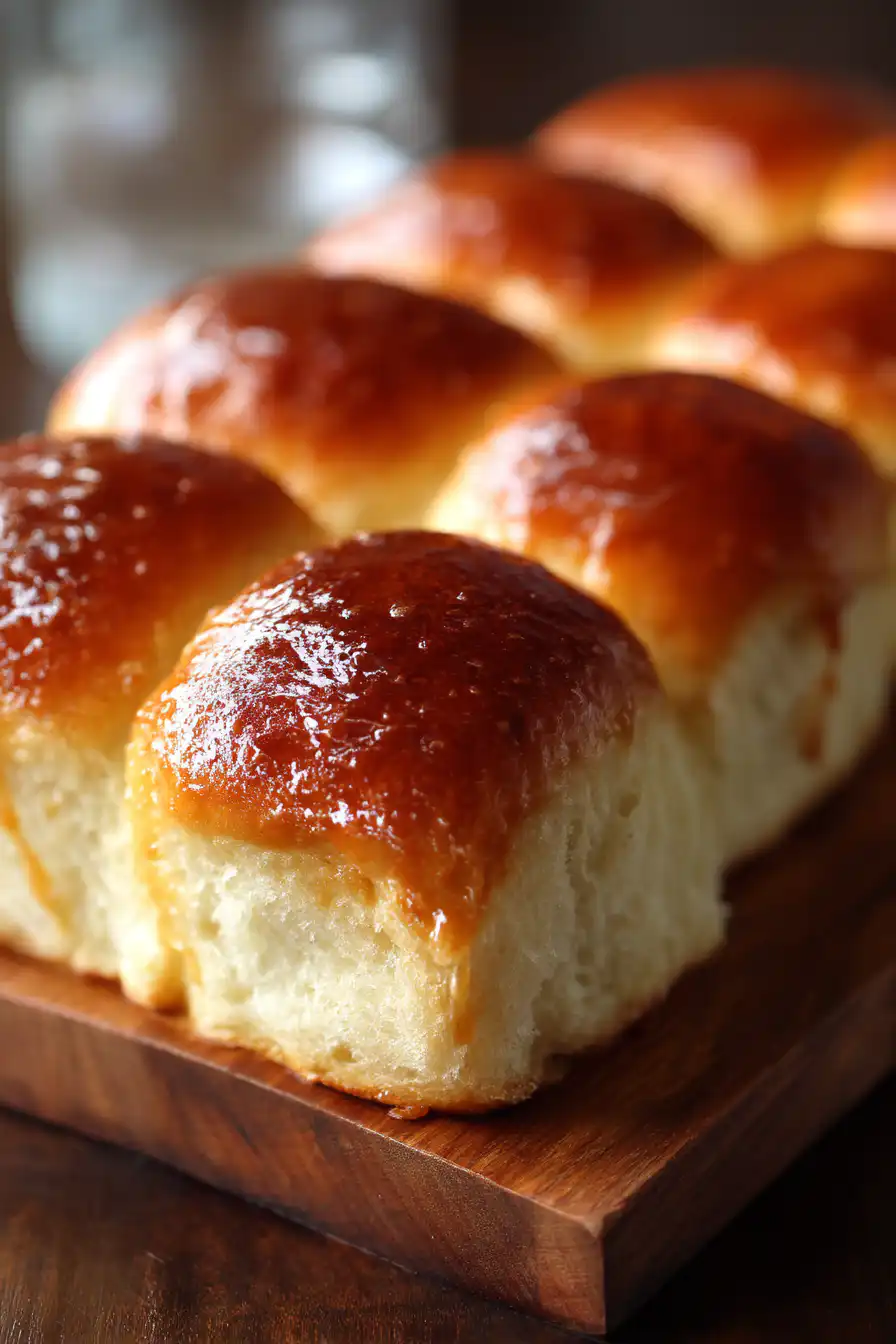
The Science of Yeast and Rising
The cool thing about old-fashioned yeast rolls is all about the science behind yeast. Yeast is a livin organism-a kind of fungus that eats sugars and then produces carbon dioxide and a bit of alcohol. This process of fermentation is what makes the dough rise and gives you those light, fluffy rolls. When you activate the yeast with warm liquid and sugar, it starts to bubble and produce gas, which gets trapped in the dough and makes it airy.
For the yeast to work right, you gotta make sure the conditions are just so. Yeast really likes a warm spot-ideally between 100°F and 110°F. If it's too hot, the yeast might die, and if it's too cold, the dough won't rise as fast. The sugar is important too because it not only feeds the yeast, but it also helps the rolls get a nice brown color when baked. And, of course, moisture from milk or water is key for activating the yeast and helping develop the dough.
Sometimes you might run into problems, like your dough not rising because the yeast is inactive or the ingredients were measured wrong. One good trick is to always check the expiration date on your yeast and let it sit in a little warm water with sugar. If it gets frothy, it's working! If not, you might need to start again with new yeast.
Detailed Recipe for Old Fashioned Yeast Rolls
Ingredients
- Main Ingredients
- 4 cups all-purpose flour
- 2 tablespoons sugar
- 2 teaspoons salt
- 2 ¼ teaspoons active dry yeast (1 packet)
- 1 ½ cups warm milk (110°F)
- ⅓ cup unsalted butter, melted
- 2 large eggs
- Optional Toppings
- Melted butter for brushing
- Sesame seeds or poppy seeds
Directions
- Prepare the Yeast Mixture
Mix the sugar in with the warm milk, then add the yeast and let it sit until it starts to froth up, about 5-10 minutes. - Combine Dry Ingredients
In a big bowl, stir the flour and salt together until they are well mixed. - Mix Ingredients Together
Add the melted butter and eggs, then pour in the yeast mixture and stir until a dough begins to form. - Knead the Dough
Knead the dough either by hand or with a mixer until its smooth and elastic. This should take about 8-10 minutes. - First Rise
Put the dough into a greased bowl, cover it with a clean cloth, and let it rise in a warm area until it doubles in size, which takes about 1 hour. - Shape the Rolls
Punch down the dough and divide it into equal parts. Shape each piece into a roll and place them in a greased baking dish. - Second Rise
Cover the rolls and let them rise for a second time until they double again, about 30-45 minutes. - Bake
Preheat your oven to 375°F (190°C) and bake the rolls for about 15-20 minutes, until they turn golden brown. - Cool and Serve
Let the rolls cool for a few minutes after baking, then brush them with melted butter. Serve them warm.
Advice for Perfect Yeast Rolls
To make sure your yeast rolls turn out great, always keep an eye on the temperature of your ingredients and the spot where the dough is rising. A warm kitchen helps a lot, but if your place is chilly, you can put the dough in an oven with just the light on to keep it warm. When you have extra rolls, store them in an airtight container so they stay soft. They are best eaten within a couple of days. If they get a bit stale, warm them up in a low oven or microwave them for a few seconds with a damp paper towel.
Different Variations of Yeast Rolls
Yeast rolls come in many different types depending on where you are in the world. In the Southern United States, for example, people sometimes add buttermilk or sweeten them with molasses, making them extra rich. In Hawaii, they even use pineapple juice and coconut milk to give the rolls a unique sweetness that pairs well with savory foods.
You can also get creative and add different flavors to your yeast rolls. Try mixing in herbs, cheeses, or even garlic butter into the dough for an extra kick of flavor. If you have dietary restrictions, you might want to try using gluten-free flour or making a vegan version with flaxseed eggs and plant-based milk. No matter how you make them, these rolls can be adjusted to work for everyone.
How to Serve Old Fashioned Yeast Rolls
Old-fashioned yeast rolls can be served in lots of ways. They look great at holiday feasts with turkey and gravy, but they also work perfectly with everyday meals. Try serving them warm with a bowl of soup or a hearty stew so they can soak up all the delicious flavors. They're also awesome with butter, jams, or savory mixes like garlic herb butter spread.
For something extra special, arrange the rolls in a nice basket lined with gingham or linen cloths and add a side of homemade flavored butter. You can even slice them open to make sliders with your favorite fillings for a fun twist at gatherings.
FAQs Section
What if my yeast rolls don't rise?
If your yeast rolls don't rise, it might be 'cause the yeast is not active or you measured the ingredients wrong. Check the expiration date on your yeast and test it in warm water with a bit of sugar. If it doesn't get frothy, then it's time to use new yeast. Also, make sure your dough is left in a nice warm, draft free spot.
Can I freeze old-fashioned yeast rolls?
Yes, you can freeze yeast rolls! Once they cool completely after baking, put them in an airtight container or freezer bag and squeeze out as much air as you can. They can stay frozen for up to three months. When you want to eat them, let them thaw at room temperature and rewarm in the oven or microwave.
How do I store my yeast rolls?
Keep your yeast rolls fresh by storing them in an airtight container at room temprature for up to two days. If you need to store them longer, use the freezer as mentioned before. Avoid the fridge because it can dry them out.
Can I make the dough ahead of time?
Sure, you can make the dough ahead! After kneading, put the dough in a greased bowl, cover it well, and refrigerate overnight. When you are ready to bake, take it out and let it get to room temperature, then let it rise again before baking.
What is the best way to reheat leftover rolls?
You can reheat leftover rolls a few different ways. Try putting them in a preheated oven at 350°F for about 10 minutes or microwave them for 10-15 seconds wrapped in a damp paper towel to keep them moist. Enjoy them warm for the best taste!
Conclusion
Old-fashioned homemade yeast rolls give you a really tasty peek into our culinary past, connecting us with family traditions and memories. With all the info in this article, you should feel ready to bake a batch of these wonderful rolls yourself. Their yummy smell and simple process make them inviting for everyone. So, why not give the recipe a try, share them with your loved ones, and maybe even tell us how it went? Happy baking and enjoy your rolls!

Old Fashioned Yeast Rolls
Equipment
- 1 mixing bowls
- 1 measuring cups and spoons
- 1 whisk
- 1 wooden spoon or spatula
- 1 baking sheet
- 1 plastic wrap or kitchen towel
- 1 oven
Ingredients
- 4 cups all-purpose flour plus extra for dusting
- 1 package (2 ¼ teaspoons) active dry yeast
- ½ cup warm milk 110°F or 43°C
- ½ cup granulated sugar
- 1 teaspoon salt
- ½ cup unsalted butter melted, plus extra for brushing
- 2 large eggs
- 1 cup warm water 110°F or 43°C
Instructions
- In a small bowl, dissolve the yeast in warm milk and let it sit for about 5 minutes until frothy.
- In a large mixing bowl, combine 2 cups of flour, sugar, and salt. Mix well.
- Once the yeast mixture is frothy, add it to the flour mixture along with melted butter and eggs. Stir to combine.
- Gradually add the remaining flour, one cup at a time, until a soft dough forms.
- Knead the dough on a floured surface for about 5-7 minutes until smooth and elastic.
- Place the dough in a greased bowl, cover it with plastic wrap or a kitchen towel, and let it rise in a warm place for about 1 hour or until doubled in size.
- After the dough has risen, punch it down, and divide it into 12 equal portions.
- Shape each portion into a roll and place them on a greased baking sheet, leaving space between each roll.
- Cover the rolls with a towel and let them rise again for about 30 minutes until puffed.
- Preheat your oven to 375°F (190°C).
- Brush the rolls with melted butter before baking.
- Bake in the preheated oven for 15-20 minutes or until golden brown.
- Allow the rolls to cool slightly before serving.