
I still remember the glow from the clay oven in our backyard during those long summer nights when dad would tend to the live coal pile. I am Omar Farooq the ember keeper who learned to coax the heat from each glowing ember leftover after we flattened fresh dough on that hot slab. The memory of that warmth stays with me because it shaped the way I approach every meal now. I urge you to recall how the air smelled rich and earthy as the fire crackled soft and steady under the cooking steel with faint sparks dancing against the dark sky
Every time you chase the dough bloom you are chasing that very feeling of being surprised by simple joy. You reflect on each blister forming along the edge of flat rounds you handle and the first hiss when protein char from ground beef hit the hot surface. That first whiff of searing meat still makes my heart jump like a kids. It taught me to respect the flames and the way heat brings out hidden flavors in food. For a different spin on the same savory profile, try this 30-minute Mongolian Beef recipe.
It might feel like youre just making mongolian ground beef noodles but really youre reconnecting with a story older than any recipe card. The way you press and fold dough or toss meat into hot oil links you to family around that clay oven. So lean in close remember the crackle of embers and let those memories guide you as you build layers of taste in each bite
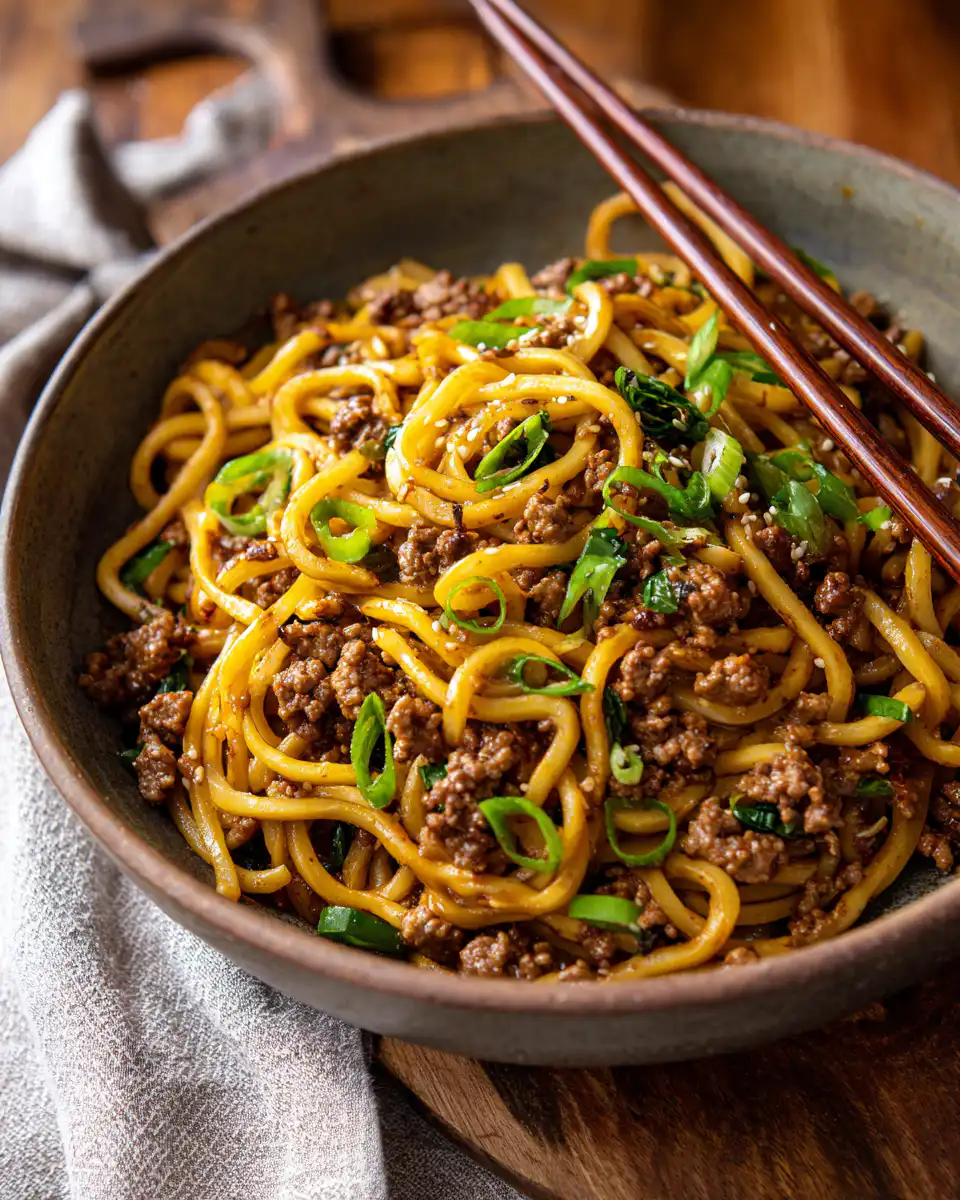
Fire craft plain words science
When you strike wood together the tiny bits of bark start to heat up until they turn into ash and ember. That live coal glows when molecules break apart under extreme heat and rejoin with oxygen. Dont worry about the science jargon its simple warmth and reaction that cooks food each time you set a pot or pan above it
In a hot skillet the energy moves from flame into metal then into noodle dough or slices of ground beef until protein char gets going. You can see it as little dark spots where flavor really spikes. That hiss you hear is moisture leaving fast as the surface reaches beyond two hundred degrees
All that heat control matters when you build mongolian ground beef noodles. If you dial it right you get fluffy dough bloom then a sturdy noodle that holds saucy ground beef so dang good every single time
The goal is not to watch thermometers but to feel the pan shimmer and hear that sizzle. Once you got that you can turn any simple stir fry into a standout dish
Pantry grains and spice list six to eight items
Before you start making mongolian ground beef noodles you wanna gather a few things from the pantry and spice rack. Dont worry you probably got most of these on hand right now but check that shelf for low supply. You come back to this list when you need quick homemade noodle dough or when you wanna improv a stir fry on the fly
- All purpose flour around two cups so youre set for noodle dough
- Baking powder about a teaspoon to help with dough bloom in a subtle way
- Table salt a pinch or two added to dough and sauce
- Soy sauce for savory deep flavor
- Rice wine vinegar to cut through richness with a mild tang
- Brown sugar a teaspoon to balance salt and acid
- Garlic powder or crushed fresh garlic for aromatic punch
- Ground black pepper for a bit of sharp heat
Next round up ground beef ideally with some fat to give you that protein char and richness in every forkful. Youll also want fresh scallions and maybe a handful of sliced carrots or napa cabbage to toss in near the end so you get that crisp veggie vibe. Dont forget a little sesame oil for finishing touch and maybe some chili flakes if youre feeling bold. If you got pre made dried or fresh noodles you can swap them instead of making dough but its cool to try simple homemade dough once in a while
Dough knead ritual steps
First you measure two cups of all purpose flour into a mixing bowl then sprinkle in that teaspoon of baking powder and a pinch of salt. Then pour in about three fourths cup of warm water a little at a time to bring the flour together into a rough dough. Use a spoon or your hand to mix until no dry flour remains.
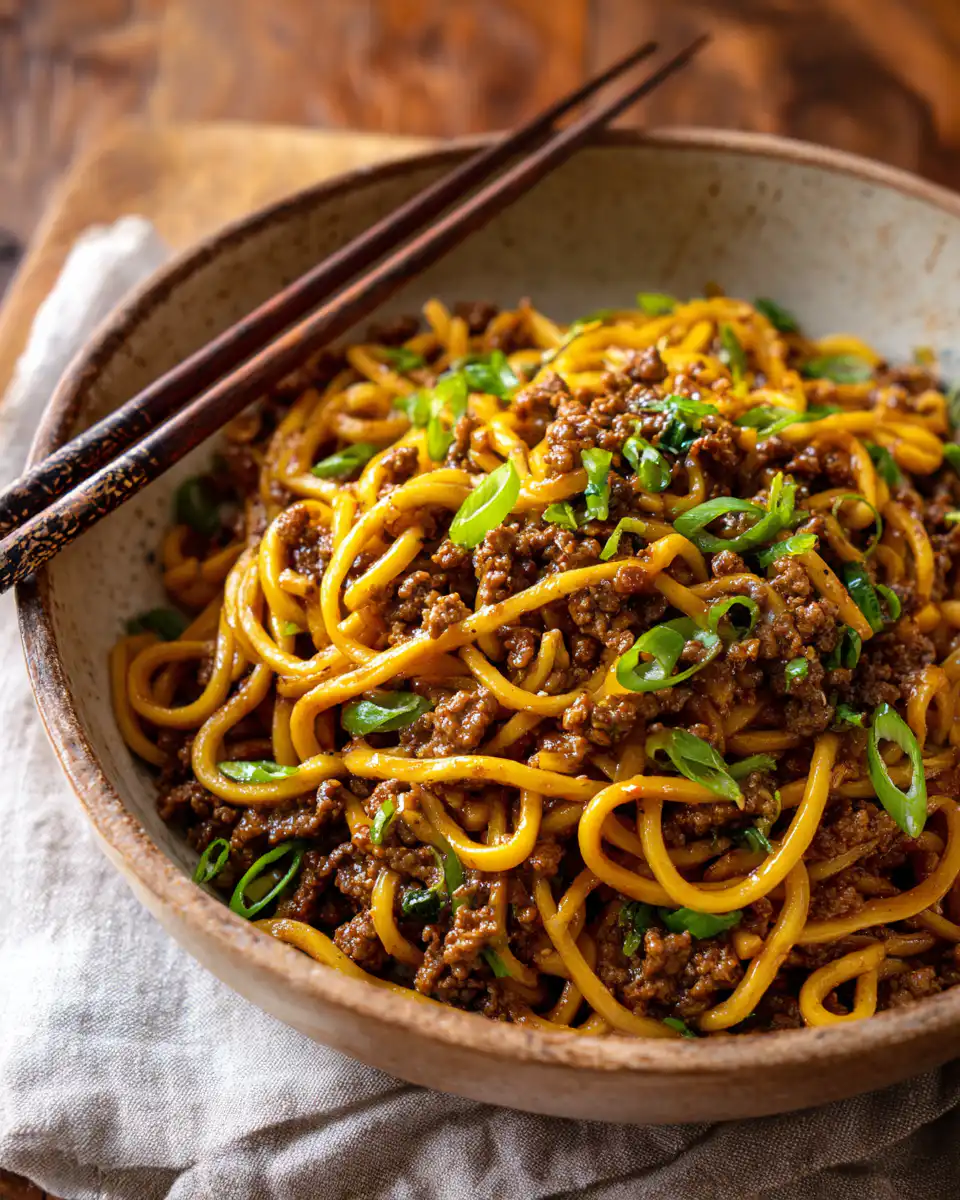
Now you press the dough with the heel of your hand push it away then fold it back toward you keep doing this for about five to seven minutes. Dont be shy if it feels sticky you can add a bit more flour but try not to over do it. Youll know its ready when it bounces right back when you poke it gently.
Next cover the dough with a damp cloth or a plate so it dont dry out. Youre gonna let it rest for at least thirty minutes. This rest helps gluten relax and makes that dough bloom easy when you roll it out. That little wait is worth it cause youll end up with tender noodles and fewer tears rolling them thin.
When youre ready sprinkle flour on counter then roll dough into a thin sheet about a quarter inch thick. Fold the sheet loosely in thirds then cut strands about a quarter inch wide with a sharp knife.
Unravel each strand gently and dust them with extra flour so they wont stick together. Give them a quick shake to let the excess fall off then line them up on a floured tray or plate while you heat up your skillet. These steps set you up for perfect mongolian ground beef noodles every time.
Rising dough aroma scene
You rest back and wait as the dough blooms beneath that damp cloth. Close your eyes and breathe deeply. Youll catch faint notes of baking powder awakening the flour and a soft yeasty hint even without yeast. It smells like promise of tender noodle strands ready to soak up sauce in every slurp.
That break gives you time to prep your skillet or wok and heat that oil so it shimmers. The dough is still soft but holds its shape. You reflect on how a simple rest transforms stiff lumps into something stretchy and full of life and flavor.
Flip and char checkpoints
Once youve got your skillet hot and oil shimmering slip a handful of noodle strands into the pan. Let them sit without touching for about thirty seconds so they start to get a gentle sear. That marks the first checkpoint its where dough bloom shows and edges crisp slightly.
Next stir the noodles slowly to coat them in oil and to loosen any strands stuck together. When you see little golden bits forming on some edges you know protein char from ground beef wont be far behind. Then add crumbled cooked beef and stir again to get all the bits coated.
Finally toss in sauce made of soy sauce rice wine vinegar brown sugar and garlic powder. Flip everything one last time so noodles and beef soak up that saucy coating. Keep your eye on it dont walk away or youll miss the moment when flavors merge just right.
Smoke kiss notes
The moment a tiny wisp of smoke curls up from your skillet you got yourself a heck of a flavor booster. That smoke kiss comes when oil flashes off and meets air at high heat. Each smoky note adds a deep savory layer that pairs perfect with tender noodle strands.
Dont let that smoke get wild though keep a window cracked or a fan on. Youre aiming for a subtle char and aroma not a burnt finish. That gentle kiss of smoke is what makes mongolian ground beef noodles taste dang fine and memorable.
It might seem small but this step is big. When you plate your mongolian ground beef noodles you get hints of fire that recall backyard clay ovens and family gatherings with every bite.
Shared platter touches
You could eat right from the pan but why not plate it up for sharing. Spoon the noodles and beef onto a large shallow dish and fan out the strands so they look dang inviting. Sprinkle sliced scallions on top for a bright green pop.
If you got sesame seeds give em a toss over the platter or maybe a few fresh cilantro sprigs if youre feeling fancy. A bowl of sliced cucumbers or carrot ribbons on the side gives extra crunch to each mouthful. Encourage everyone to take a bit then pass it till the dish is empty.
Eating this way brings out that communal vibe. Youll find the act of sharing a platter makes these homemade noodles taste even better as yall swap stories and help yourselves.
Seasonal stuff twist
You can tweak mongolian ground beef noodles by adding seasonal veggies in at the end. In spring toss in tender asparagus tips or pea shoots for a fresh green vibe. Summer calls for diced bell peppers zucchini or cherry tomatoes to keep things bright and juicy. These additions also boost texture by mixing soft noodles with crisp tender bits.
Come fall you might stir in thin strips of roasted squash or yellow onion caramelized just a bit to bring out sweet flavor. In winter go cozy with shredded cabbage or stir in leftover roasted root veggies so you dont waste any. You can even add chopped kale or spinach for extra color and nutrients that warm you from inside.
Dont think twice about swapping proteins either you could use ground pork chicken or even tofu to fit what you got on hand or what the season brings. Youll find each twist sparks new idea you can try next time.
You can also serve the savory beef filling in handheld form as Asian-style Ground Beef Lettuce Wraps for a lighter variation.
Store reheat love guide
If youve got leftovers dont let them sit cold longer than two hours at room temp. Move your mongolian ground beef noodles into an airtight container and stick them in the fridge within that window. Theyll keep well for two to three days.
When youre ready to eat again heat a skillet or wok over medium heat then drizzle in a little oil. Slide in your noodles and beef bits tossing gently to warm through. You can add a splash of water or broth if they seem dry and toss again so moisture returns.
For microwave reheat move noodles to a shallow bowl cover them loosely with lid or plate then heat in thirty second bursts stirring in between. That helps keep them from getting rubbery. Once theyre hot you can give a final drizzle of sesame oil or fresh scallions to revive that bright finish and share the love all over again.
Family toast and FAQs
Its been quite a journey from mixing flour and water to sharing a steaming platter of mongolian ground beef noodles. Youve learned to respect live coal or hot skillet heat and coax flavors out of simple ingredients with steps grounded in science and sense. Now you can lean back with your family or friends raise a glass of something nice and toast to home cooking that brings folks together.
Here are some common questions that roll in when yall start making this dish
- Can I use store bought noodles in place of handmade dough Yes using fresh or dried noodles cuts prep time and still tastes great
- What cut of beef works best Lean ground beef is fine but a bit of fat makes for better protein char and richer taste
- How do I make it spicy You can add chili flakes or a drizzle of hot oil at the end to bring the heat
- Also can I add vegetables earlier for softer texture Yes just toss them in with the beef so they cook evenly
- Can I freeze leftovers It can be frozen but the noodle texture changes so best to eat fresh within days
- How do I store cooked noodles for meal prep Best in an airtight box refrigerated youll be set to reheat next day
- My noodles stick together any tips Dust them well with flour after cutting keep cool before cooking
- Can I use other sauces or marinades Yes swap soy sauce with tamari or add oyster sauce for a different depth
Put your own spin on mongolian ground beef noodles and keep experimenting youll find each batch has its own little story and flavor note that begs to be shared.
Mongolian Ground Beef Noodles
Equipment
- 1 large skillet or wok
- 1 pot for boiling noodles
- 1 colander
- 1 cutting board
- 1 measuring cups and spoons
Ingredients
- 8 ounces egg noodles
- 1 pound ground beef
- 2 tablespoons vegetable oil
- 1 medium onion, diced
- 3 cloves garlic, minced
- 1 bell pepper, sliced
- 2 cups green onions, chopped
- 1 teaspoon ground ginger
- ¼ cup soy sauce
- 2 tablespoons brown sugar Adjust sweetness to taste.
- 1 tablespoon cornstarch
- ½ cup beef broth
- to taste salt and pepper
Instructions
- Begin by boiling the egg noodles according to package instructions. Drain and set aside.
- In a large skillet or wok, heat the vegetable oil over medium-high heat.
- Add the ground beef to the skillet and cook until browned, breaking it up with a spoon as it cooks, about 5-7 minutes. Drain excess fat if necessary.
- Stir in the diced onions and cook for an additional 3 minutes until softened.
- Add minced garlic, sliced bell pepper, and ground ginger, stirring to incorporate. Cook for about 3 minutes.
- In a small bowl, mix the soy sauce, brown sugar, cornstarch, and beef broth. Stir until combined.
- Pour the sauce mixture over the beef and vegetables, stirring to combine. Cook for another 3-4 minutes until the sauce thickens.
- Add the cooked egg noodles to the skillet, tossing well to combine everything evenly. Allow to heat through for another 2 minutes.
- Season with salt and pepper to taste before serving. Garnish with chopped green onions.