Salmon is a tasty fish that can be made even better with a glaze that adds extra flavor and makes it look fancy. A really good glaze not only bumps up the flavor but also gives the salmon a shiny look which makes it more appealing. Whether you're whipping up a quick dinner or planning a nice meal for a special night, a good glaze can turn ordinary salmon into something really awesome; for a buttery twist, try garlic butter salmon. There are tons of flavors you can try-from tangy and sweet to savory and rich, the choices are pretty much endless.
Usually, salmon glazes range from old-school mixes like teriyaki and honey mustard to new twists that use stuff like maple syrup or citrus. These glazes are important because they help bring out the fish's natural taste, keep it moist, and add a nice glossy finish. By learning about the different types of salmon glazes, what they taste like, and how to cook them with various methods, you'll be set to make a meal that everyone will remember. In this article, we will go over what a glaze is, how to mess around with different types, and which ingredients work best. Get set to transform your everyday salmon into a yummy dish that will wow anyone who tries it.
Understanding Salmon Glaze
What is Salmon Glaze?
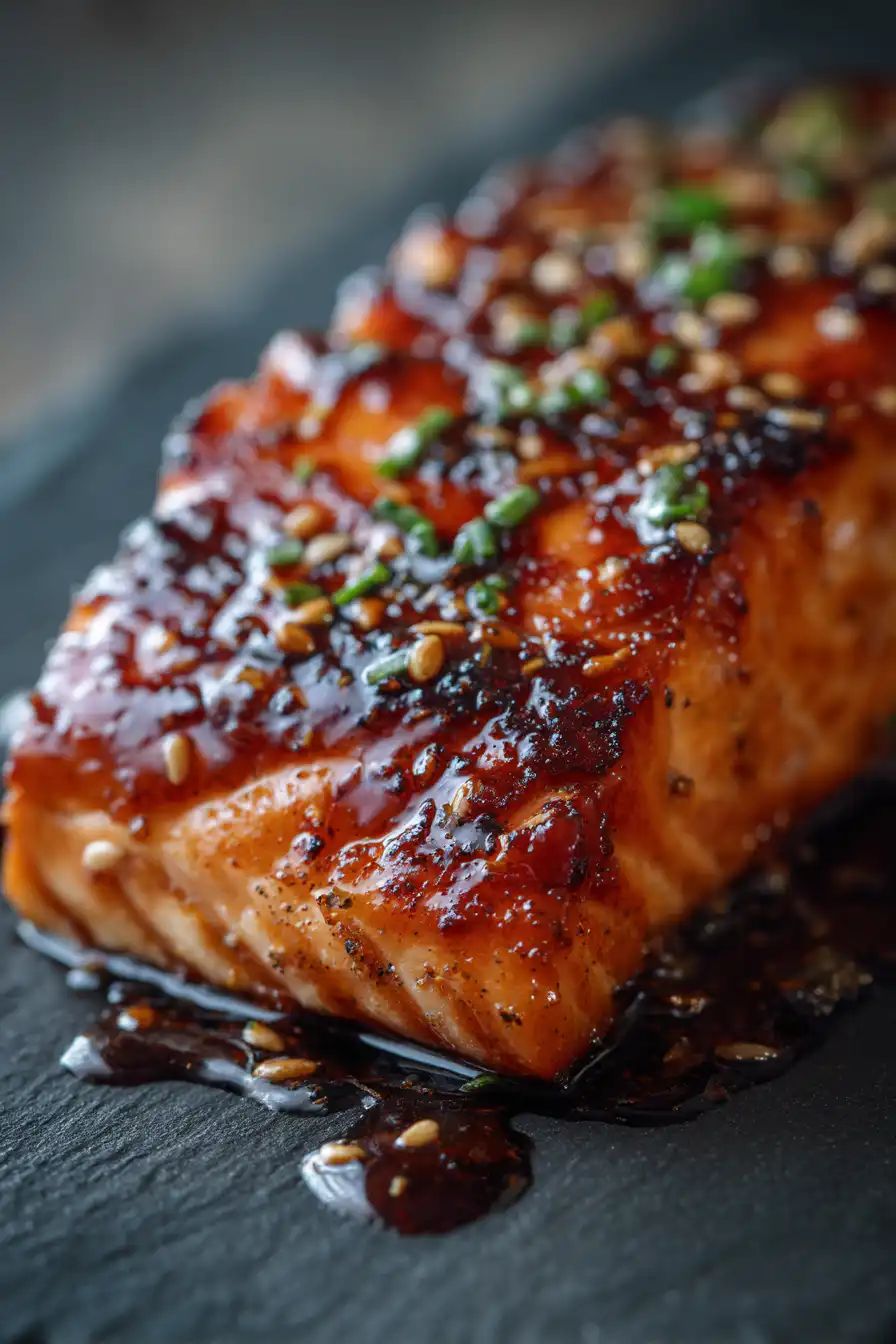
A salmon glaze is kinda like a tasty mix that you either brush or drizzle over the fish while it cooks. Its main job is to boost the flavor and look of the salmon. When you make a good glaze, it forms a yummy caramelized layer on top and helps keep the fish nice and moist. Most glazes are made from a mix of sweet, tangy, and sometimes sour stuff, so you can tweak it to match what you like and how you like to cook.
Benefits of Using a Glaze on Salmon
Using a glaze on your salmon does a bunch of good things. First off, it really ups the flavor, mixing a bunch of tastes together that make a plain meal seem much more exciting. Second, glazes help lock in the moisture so your salmon won't get dry when its cooking. This means your glazed salmon turns out super tender and yummy, which is always a hit at dinner time.
Types of Salmon Glaze
When it comes to salmon glazes, there are so many different options to choose from. Whether you like old-law recipes or are ready to try something new with cool flavors, there is a glaze that will fit your taste.
Traditional Glazes
- Teriyaki Glaze: This is a classic from Japan that uses soy sauce, sake, mirin, and sugar to make a sweet and savory coating. Teriyaki glaze not only brings out the best in the salmon, but it also makes the fish glossy after cooking. It's been used for a long time and is loved all over.
- Honey Mustard Glaze: With its fine mix of tangy and sweet, honey mustard glaze is an easy way to boost your salmon flavors. Mixing Dijon mustard with honey and a bit of vinegar makes a coat that goes well with the rich flavor of the fish while adding a little zing.
Unique Flavor Combinations
- Maple Syrup and Soy Sauce: This mix brings the natural sweetness of maple syrup together with the deep flavor of soy sauce, creating a glaze that really wakes up your taste buds. The blend gives a nice balance between sugary and savory, ideal for grilled salmon.
- Citrus-Based Glazes: Using fresh citrus fruits like lemons or oranges gives the salmon a bright and zesty kick. These glazes add a punch of flavor while naturally enhancing the fish's taste.
For a different sweet-savory twist, try brown sugar glazed salmon.
If you pick the right glaze the flavor can match up with any cooking method whether youre grilling, baking, or sauteing. This way, you get a meal that's both tastyy and memorable.
Key Ingredients for a Delicious Salmon Glaze
Common Ingredients in Salmon Glaze
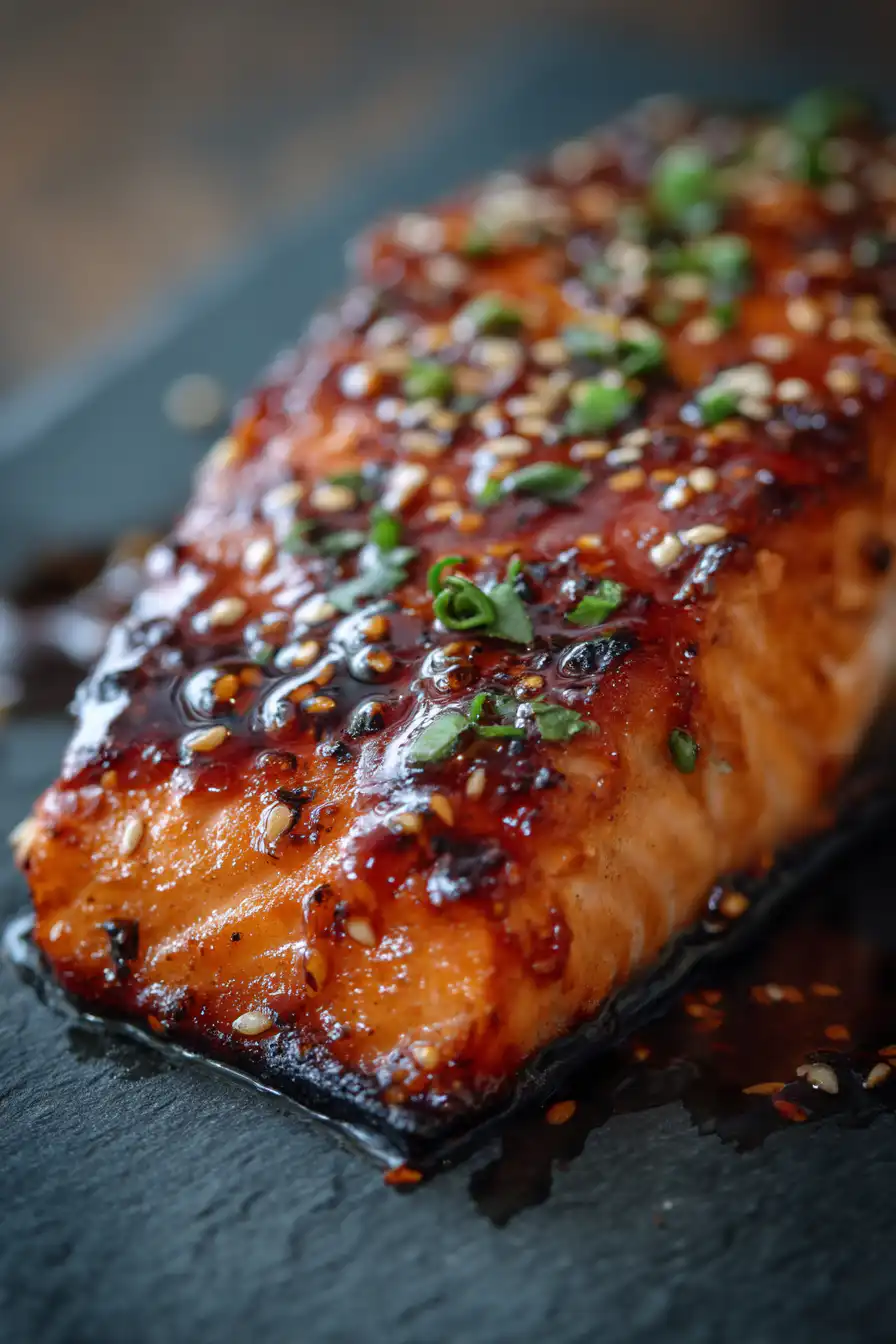
To make a great salmon glaze, you gotta know which ingredients matter the most. They not only give the mix its flavor, but they also affect how the glaze turns out.
- Sweeteners: Most glazes are built on sweet stuff like honey, brown sugar, or maple syrup. These add a nice caramelized sweetness when the salmon cooks.
- Acids: Things like vinegar or citrus juices (think lemon or lime) give the glaze a bit of a tang that balances out the sweetness. The slight tartness helps cut through the fish's richness.
- Flavor Enhancers: Extras such as soy sauce, mustard, garlic, and fresh herbs amp up the flavor. These ingredients add layers to the taste that make the glaze unforgettable.
Tips for Ingredient Quality
Using fresh and good quality ingredients is super important to get the best taste out of your salmon glaze. Fresh herbs, for instance, can really boost the aroma and taste, and using a high quality soy sauce or pure maple syrup adds a premium touch. So be sure to use the best ingredients you can find.
How to Make a Basic Salmon Glaze
Ingredients List
- ¼ cup soy sauce
- ¼ cup honey or maple syrup
- 2 tablespoons Dijon mustard
- 1 tablespoon rice vinegar or apple cider vinegar
- 1 clove garlic, minced
- 1 teaspoon fresh ginger, grated (optional)
- Fresh herbs such as dill or parsley for garnish (optional)
Directions
- Mix the Ingredients: In a small bowl, mix together the soy sauce, honey or maple syrup, Dijon mustard, vinegar, minced garlic, and grated ginger. Stir it well until its all smooth.
- Simmer the Glaze: Pour your mix onto a small saucepan and heat it up over medium heat. Let it come to a light boil but keep an eye on it so it don't burn. Lower the heat and let it simmer for about 5-7 minutes until it gets a bit thicker.
- Cool and Store: When the glaze has thickened, take the saucepan off the heat and let it cool down. You can use it right away on your salmon or keep it in an airtight container in the fridge for about a week.
Tips for Perfecting Your Glaze
You can totally tweak the glaze to fit your taste. If you like it sweeter or a bit spicier, just add a little extra honey or even a pinch of red pepper flakes. For a thicker texture, just let it simmer longer so more liquid evaporates. Make sure you taste as you go and change things up as needed.
Cooking Tips for Glazed Salmon
Best Cooking Methods for Salmon with Glaze
There are a few good ways to cook glazed salmon, and each gives it a different texture and flavor.
- Grilling: When grilling, heat up your grill and brush the salmon fillets with your glaze. Grill them over medium heat for about 4-6 minutes on each side, adding more glaze while its cooking. The high heat makes a tasty caramelized finish. Alternatively, you can achieve crispy bites with an air fryer salmon bites recipe.
- Baking: Preheat your oven to 375°F (190°C). Put your salmon on a baking sheet lined with foil or parchment paper and brush it plenty with the glaze. Bake it for around 15-20 minutes, or until the salmon flakes easily with a fork. Baking helps cook it evenly.
- Sautéing: Heat a skillet on medium heat and add a bit of oil. Put the salmon in the pan skin-side down and cook for 3-4 minutes. Flip it carefully, add the glaze, and cook for another 3-4 minutes till it's done.
Timing and Temperature Guidelines
It's really important to cook salmon to the right temperature so it stays safe to eat. The USDA says it should reach 145°F (63°C) inside the thickest part. A meat thermometer helps with that. Once it's done, let your salmon rest for a few minutes before serving to keep it juicy.
Pairing Recommendations
Best Side Dishes for Glazed Salmon
Picking the right sides with your glazed salmon makes the whole meal even better.
- Suggested Vegetable Sides: Roasted asparagus or sauteed broccoli go really well with the richness of the glazed salmon. You could also serve honey-glazed carrots for a sweet contrast.
- Recommended Grains: Serve it up with quinoa or wild rice for a filling and healthy meal that balances the flavors nice and well.
Ideal Beverage Pairings
- Wine Suggestions: A chilled glass of white wine, like Sauvignon Blanc or Chardonnay, fits great with the flavors here. If you prefer red wine, a light Pinot Noir can also work well, helping bring out the savory notes in the dish.
FAQs on Salmon Glaze
Common Questions and Answers
- What can I use instead of honey in salmon glaze? You can swap honey with maple syrup, agave nectar, or even brown sugar, just make sure to tweak the amount so it's still sweet enough.
- Can I use this glaze on other types of fish? Yeah, for sure! This glaze works good on other fish like trout, tilapia, or even swordfish.
- How long can salmon glazed with leftovers be stored? Leftover glazed salmon can be kept in an airtight container in the fridge for up to 3 days.
- What is the best way to apply the glaze during cooking? Brush or drizzle the glaze on the salmon in the last few minutes of cooking so it doesn't burn, and you get all that yummy flavor.
Conclusion
Recap of the Benefits of Using Salmon Glaze
Using a salmon glaze is a cool way to change up your meal. It can boost the flavors, help keep the fish moist, and make it look super appetizing.
Encouragement to Experiment with Glazes
Don't be afraid to try new things with different ingredients and ways to make your glaze. Enjoy the fun of turning your salmon into a lip-smacking dish that everyone will love!
How to Make Salmon Glaze
Equipment
- 1 small saucepan
- 1 whisk
- 1 measuring cups
- 1 measuring spoons
- 1 spoon for mixing
- 1 grill brush (optional)
Ingredients
- ¼ cup soy sauce
- ¼ cup honey Adjust sweetness according to preference.
- 2 tablespoons Dijon mustard
- 1 tablespoon rice vinegar
- 1 teaspoon minced garlic
- ½ teaspoon freshly grated ginger
- ¼ teaspoon black pepper
- 1 tablespoon sesame oil Optional for extra flavor.
Instructions
- In a small saucepan, combine the soy sauce, honey, Dijon mustard, rice vinegar, minced garlic, grated ginger, and black pepper. If using sesame oil, add it as well.
- Place the saucepan over medium heat and bring the mixture to a simmer, stirring frequently to avoid burning.
- Once it starts to bubble, reduce the heat slightly and let it simmer for about 3-5 minutes or until the glaze thickens slightly.
- Remove from heat and allow the glaze to cool for a few minutes before using it on your cooked salmon.
- Brush the glaze onto the salmon during the last few minutes of cooking, or drizzle it over the salmon when serving.
- Store any leftover glaze in an airtight container in the refrigerator for up to a week.