Salmon is one of the most loved and versatile fish out there. People all over the world enjoy it for its rich flavor and health perks. You can grill, bake, or poach salmon and it always turns out pretty good. One of the easiest ways to make your salmon even tastier is by using a glaze that brings out extra flavor.
A glaze is just a tasty mix that covers food, giving it a nice look and extra taste. When you put it on salmon, it not only boosts the flavor but also helps keep it moist so every bite is juicy. The glaze caramelizes while cooking, which means it gets a shiny look and a mouth watering smell that makes your meal even more appealing.
This article will show you how to make a good salmon glaze, talking about different types, must-have ingredients, and step-by-step instructions. You'll get to know about different flavor profiles and some neat tricks to apply the glaze correctly while cooking. Whether your a pro in the kitchen or just starting out, theres plenty of ideas and advice that will help you make glazed salmon that impresses everyone.
1. Understanding Salmon Glaze
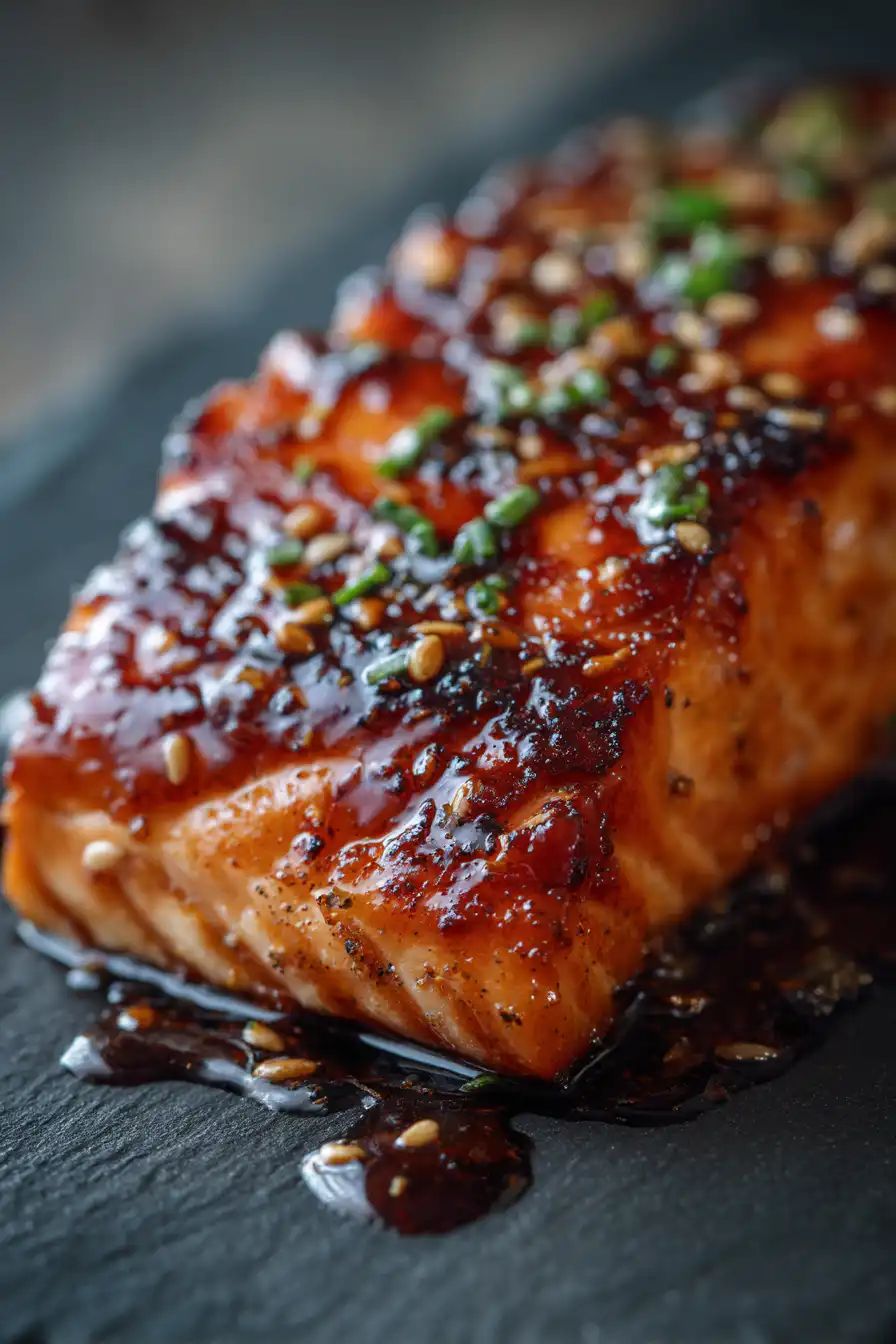
A salmon glaze is something that can totally change how your salmon tastes and looks. Basically, a glaze is a yummy mix that forms a shiny coat when you put it on food; its usually made of sweet stuff, acids, and aromatics. When you use it with salmon, it brings out the fish's natural deliciousness and adds extra flavor. The glaze not only makes the fish taste better but also looks really good, making you excited to eat it even before you take a bite.
Salmon is pretty flexible and works well with many different glaze styles, from sweet to savory. When you cook the salmon with the glaze, it caramelizes and makes a kind of crispy crust that locks in the moisture, making the dish super juicy. This mix between the glaze and the fish makes a smell and texture that has made glazed salmon very popular in lots of different cuisines. As you learn more about salmon glazes, you'll find how different ingredients can mix together to create amazing dishes.
2. Types of Salmon Glazes
Checking out the types of salmon glazes opens up a bunch of tasty possibilities so that you can mix and match according to what you like or the season. Here are some common kinds of salmon glazes:
2.1 Sweet Glazes
Sweet glazes are really popular because they work so well with salmon's natural flavor. Some common ones are:
- Honey: This classic glaze brings a sweet, flowery taste that caramelizes great when cooked.
- Maple Syrup: Maple syrup gives a warm, earthy sweetness that makes the flavor and aroma balanced.
- Brown Sugar: This everyday ingredient makes a rich glaze that goes perfect with spices and savory bits.
2.2 Savory Glazes
If you like a more umami taste, then savory glazes are great for giving your salmon an extra kick. Some popular choices are:
- Soy Sauce: This is a must in Asian cooking and gives a salty, savory punch that really brings out the fish flavor.
- Teriyaki Sauce: Made of soy sauce, sugar, and ginger, teriyaki gives a nice mix of sweet and savory tastes.
- Mustard-based Glazes: Mustard can add a tangy bite that helps balance the sweetness.
2.3 Spicy Glazes
For people who like a bit of heat, spicy glazes can turn your salmon dish into something with a fiery kick. Some options are:
- Sriracha: This red hot chili sauce gives both heat and a little garlic flavor.
- Chili Paste: With different levels of heat available, chili paste gives both spice and extra flavor.
- Garlic-based Glazes: Whether using fresh or roasted garlic, it can step up the taste in a savory glaze.
2.4 Unique Flavors
If you wanna try something new, you can add unique flavors to your salmon glaze. Some examples include:
- Citrus and Herb Glazes: Zests from lemon, lime, or orange mixed with fresh herbs give a really refreshing taste.
- Fruit-based Glazes: Glazes that include fruits like pineapple or mango add a surprising sweetness with a tropical twist.
3. Ingredients for Salmon Glaze
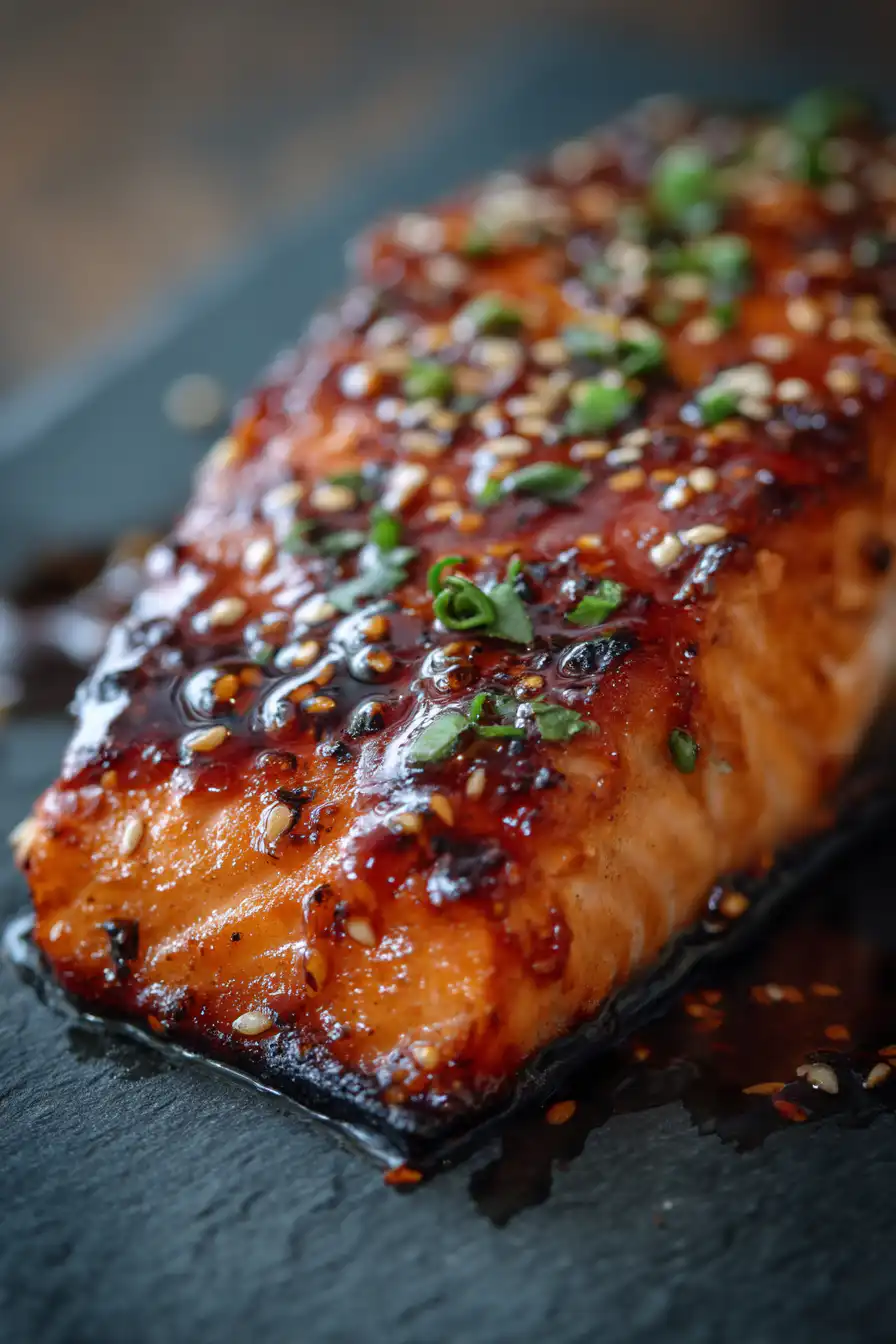
The secret to a good salmon glaze is in its ingredients. Picking the right stuff not only makes the flavor pop but also helps the dish look good. Below is a list of common ingredients used in glazes and some extra add-ins to kick your recipe up a notch.
3.1 Common Ingredients
Salmon glazes usually have a few base ingredients:
- Sugars and Syrups: Items like honey, maple syrup, or brown sugar bring sweetness and help with caramelization during cooking.
- Acids: Adding something acidic, like lemon juice, vinegar, or even soy sauce, balances the sweetness and makes the flavors deeper.
- Aromatics: Ingredients such as garlic, ginger, and shallots give bold smells and tastes to the glaze.
3.2 Recommended Add-Ins
To make your salmon glaze really special, you can throw in these extras:
- Fresh Herbs: Things like dill, parsley, or cilantro add a fresh taste and extra flavor layers.
- Spices: Ground spices like paprika, cumin, or chili powder bring in heat and a little warmth.
- Citrus Zests: A little grated zest from lemons, limes, or oranges gives a bright finish to the glaze.
4. How to Make Salmon Glaze: A Step-by-Step Recipe
4.1 Simple Honey Soy Glaze Recipe
This easy honey soy glaze recipe is great for making the best out of salmon.
Ingredients
- ¼ cup soy sauce
- ¼ cup honey
- 2 cloves garlic, minced
- 1 tablespoon ginger, minced
- 1 tablespoon rice vinegar
- 1 teaspoon sesame oil
4.2 Directions
1. Mix up all the ingredients in a saucepan.
2. Let it simmer over medium heat till it gets a little thick (around 5 minutes).
3. Let it cool off before you use it.
4.3 Tips for Glaze Preparation
Here a few tips to make sure your glaze comes out right:
- You can tweak the sweetness or saltiness to fit your taste.
- It helps to let the glaze sit for a bit so the flavors can mix together.
5. How to Apply Salmon Glaze
5.1 Timing: When to Apply the Glaze
When you put the glaze on salmon is key to getting the best flavor and texture. You can do it at different times while cooking:
- Before Cooking: Marinate the salmon in the glaze early so the flavors seep in.
- During Cooking: Brush the glaze on as it cooks to get that sweet, caramelized crust.
- After Cooking: A final brush or drizzle after cooking makes the salmon look extra shiny and yummier.
5.2 Techniques for Application
There are a few ways you can put the glaze on:
- Brush Techniques: Use a pastry brush to make sure it covers evenly.
- Basting: Spoon the glaze on the fish repeatedly as it cooks so it stays flavorful.
- Marinating: Let the salmon chill in the glaze for a while before cooking to lock in the flavors.
5.3 Tips for Perfect Application
Some extra tips to help you out:
- Keep a close eye on the fish so the sugars in the glaze dont burn, they work fast.
- Make sure the glaze goes on all over for an even taste and look.
6. Cooking Salmon with Glaze
6.1 Recommended Cooking Methods
There are several ways to cook salmon, and each one brings its own unique flavor:
- Grilling: Gives a smoky taste and makes the glaze caramelize perfectly.
- Baking: This method helps the fish cook evenly, keeping it moist.
- Broiling: Quick high heat that makes the glaze caramelize really fast.
- Pan-searing: A fast high heat cook that gives the outside a crispy feel.
6.2 Ideal Baking and Cooking Times
The time needed depends on how thick the salmon is. A good rule of thumb is:
- For each inch thick, cook for about 10 minutes at 400°F (200°C).
- On the grill, cook for about 4 to 6 minutes each side, but it can vary with thickness.
6.3 Checking for Doneness
You can tell your salmon is cooked if:
- The fish looks opaque and flakes easily when you use a fork.
- The inside temperature is around 145°F (63°C) to be safe to eat.
7. Serving Suggestions for Glazed Salmon
7.1 Side Dishes
You can enjoy glazed salmon with different sides to make a full meal:
- Vegetables: Roasted asparagus, sautéed greens, or grilled peppers add color and balance.
- Rice: A helping of jasmine or wild rice soaks up the yummy glaze.
- Salads: A fresh salad with citrus dressing brightens up the whole dish.
7.2 Garnishes
You can make your salmon dish look even better with these garnishes:
- Fresh Herbs: Sprinkle chopped parsley or dill for a burst of freshness.
- Citrus Wedges: Serve with lemon or lime wedges for an extra tang.
- Toasted Seeds: Sesame or sunflower seeds add a nice crunch and look.
7.3 Plating Techniques
You can serve your glazed salmon in a few cool ways:
- Directional Placement: Place the salmon at an angle to give it a modern vibe.
- Color Contrast: Use sides with different colors for a striking plate.
- Drizzle: Add a little extra glaze around the plate for a creative finish.
8. FAQ Section
8.1 How long should I marinate salmon in glaze?
Let the salmon sit in the glaze for 30 minutes to 2 hours. This is usually enough time to get the flavor in without overpowering it.
8.2 Can I use store-bought glazes instead?
Yeah, you can use store bought glazes to save time. Just be careful about how much salt they have.
8.3 What type of salmon is best for glazing?
Wild-caught salmon like sockeye or king works best cause they have a richer flavor and firmer texture.
8.4 Can I freeze glazed salmon?
Yes, you can freeze glazed salmon. Its better to freeze it before you cook, so it keeps its texture and flavor.
8.5 How to store leftover glazed salmon?
Keep any leftovers in an airtight container in the fridge for up to 3 days or freeze them for longer storage.
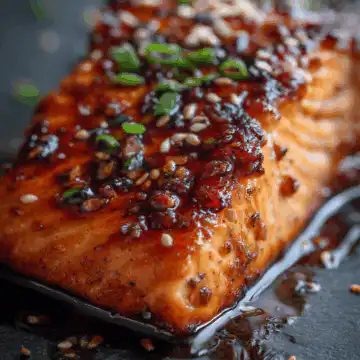
How to Make Salmon Glaze
Equipment
- 1 small mixing bowl
- 1 whisk or fork
- 1 measuring spoons
- 1 brush for applying glaze
- 1 saucepan (optional for reduction)
Ingredients
- ¼ cup soy sauce
- ¼ cup honey Adjust sweetness by modifying the amount.
- 2 tablespoons Dijon mustard
- 1 tablespoon rice vinegar Adjust tanginess by modifying the amount.
- 1 tablespoon fresh ginger, grated
- 2 cloves garlic, minced
- 1 tablespoon sesame oil
- 1 teaspoon black pepper
- fresh herbs Optional, for garnish.
Instructions
- In a small mixing bowl, combine the soy sauce, honey, Dijon mustard, rice vinegar, grated ginger, minced garlic, sesame oil, and black pepper.
- Whisk the mixture until all ingredients are well blended and smooth.
- If desired, pour the glaze into a small saucepan and heat over medium-low heat for about 2-3 minutes to slightly thicken it. Stir occasionally.
- Allow the glaze to cool slightly before using.
- Brush the glaze over the salmon fillets just before cooking. If grilling, brush the glaze on during the last few minutes of cooking to avoid burning the sugars.
- Once the salmon is cooked through, serve and garnish with fresh herbs if desired.
- Adjust the sweetness or tanginess of the glaze by modifying the amounts of honey or vinegar based on your preference.
- Store any leftover glaze in the refrigerator for up to a week and reheat before using.