
Easter cookies are a fun tradition that brings joy and a bit of creativity to our celebrations. These sweet treats not only hit our sugar cravings but also stand for the new life and happiness of spring. From cookie designs that look like crosses and bunnies to eggs full of bright colors, Easter cookies show off the spirit of coming together. When families get into baking and decorating these treats, they aren't just making tasty snacks; they're also making memories by sharing old recipes and new ideas.
The story of Easter treats goes way back and comes from lots of different cultures and religious ideas. In many places, baking and sharing special foods for Easter marks the end of Lent and the start of spring. Cookies, in particular, have become a cool and fun way to celebrate, with each recipe carrying its own little meaning. Over time, more families are getting into baking homemade cookies, turning it into a chance to make something really personal.
As more people turn to baking Easter cookies from scratch, there's just so much fun in the process. It's all part of a bigger trend of making things at home, where the journey of baking turns into an event with lots of laughter, decorating, and family traditions. With a huge mix of recipes, from classic sugar cookies to fancy designs, your options are endless. Whether you share them with friends, give them as gifts, or serve them at parties, Easter cookies pack the festive spirit and invite everyone to let their creativity shine in the kitchen.
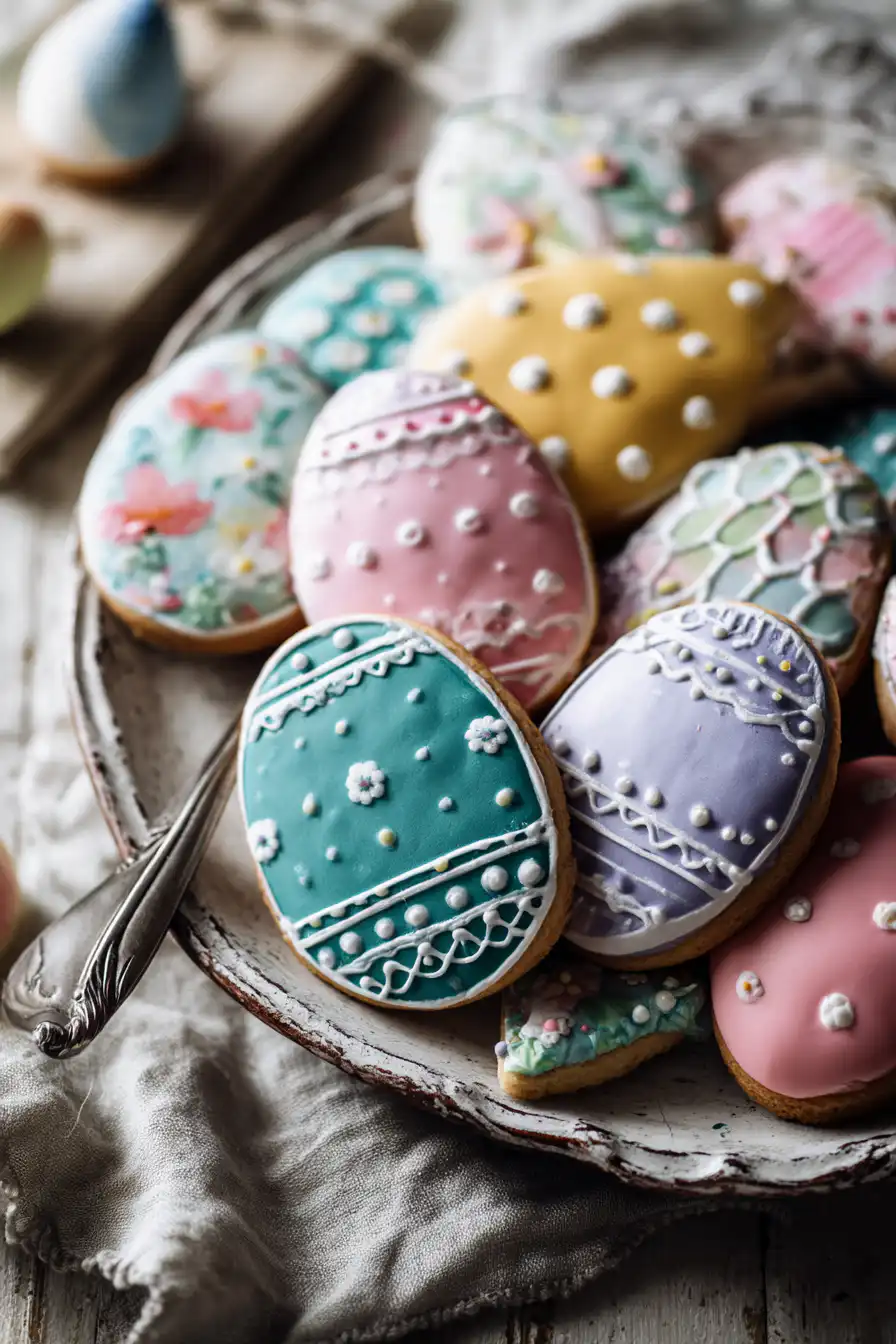
What Makes Easter Cookies Special?
Easter cookies holds a special place in both how we celebrate and how we eat yummy treats. They are more than just something sweet to eat; they help us show our creative side and share love with family and friends. Just like the pretty colors of spring, these treats shout out to new beginnings and fresh starts, making them a must during Easter.
Significance of Easter Cookies
In many cultures, Easter cookies come with cool designs that have a lot of meaning. Common shapes like crosses remind us of the holiday's religious roots, eggs stand for new life, and bunnies celebrate the start of spring. These symbols help people connect more with the ideas behind Easter, making the baking and sharing part even more special. When families come together to make these cookies, its a way to keep old traditions alive while making new ones.
Variety of Easter Cookies
One of the best parts about Easter cookies is how many kinds there are. Families can pick from loads of different styles, each with its own flavor and creative design:
- Sugar cookies: A classic pick - these cookies are soft, buttery, and super fun for decorating.
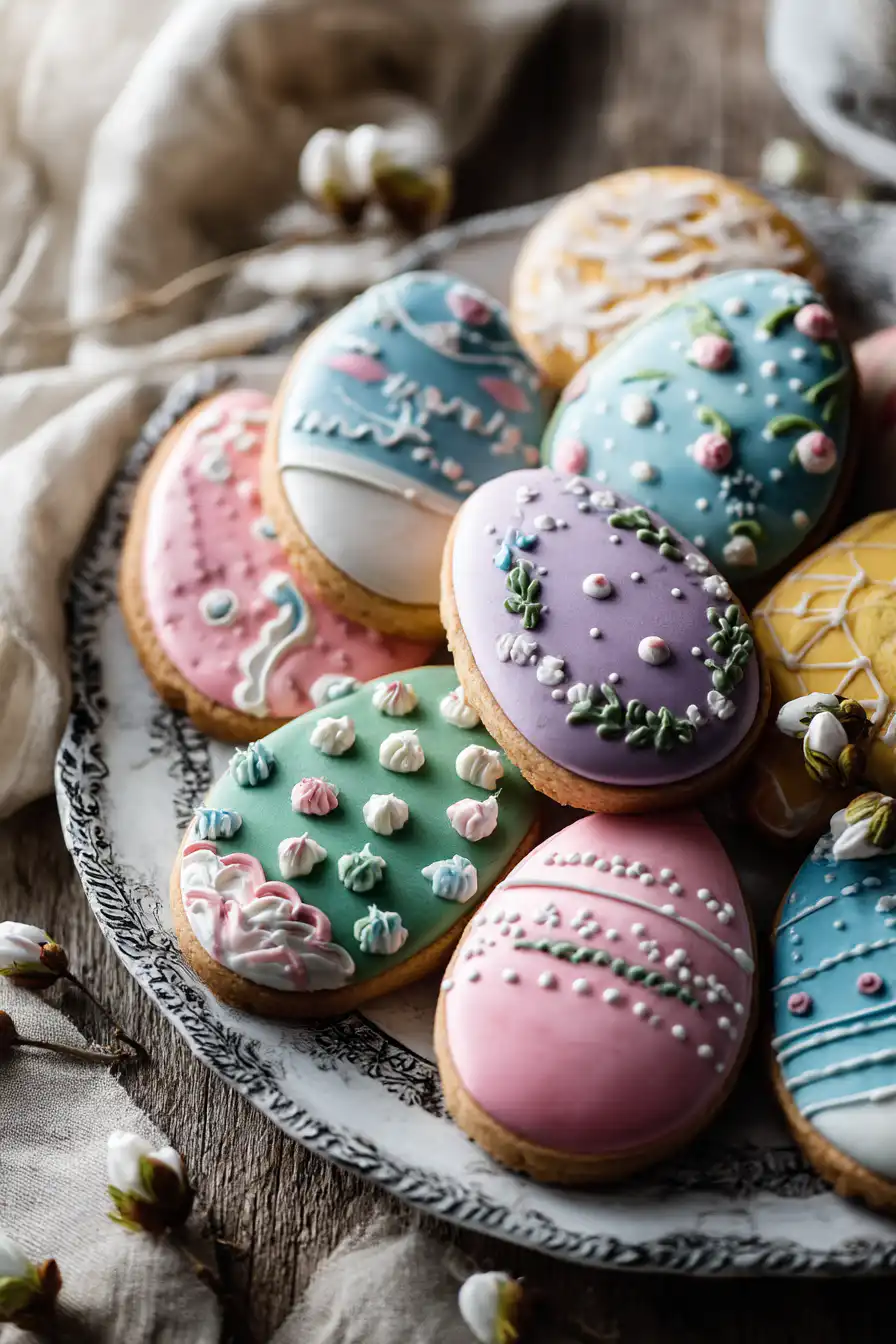
- Decorated cookies: With fancy designs using royal icing and other toppings, these cookies turn simple dough into a little piece of art.
- Bunny-shaped cookies: These shapes add a fun and playful touch that's awesome for kids.
- Egg-shaped cookies: Made to look like eggs, they often come in bright colors that capture the essence of Easter.
Essential Ingredients for Easter Cookies
To whip up a batch of great Easter cookies, you gotta know the main ingredients that make these treats so tasty. Here's a list of what you need:
Standard Ingredients:
- Flour: The base of any cookie recipe that gives structure.
- Sugar: Adds sweetness and helps in browning.
- Butter: Brings in a rich flavor and makes the texture tender.
- Eggs: Help bind everything together and add a bit of moisture.
- Baking powder: Makes the cookies rise, giving them a light feel.
- Vanilla extract: Boosts the flavor with a warm, sweet note.
- Salt: Helps balance the sweetness and bring out the other flavors.
Specialty and Decorative Ingredients:
If you wanna make your Easter cookies extra special, try adding these ingredients:
- Food coloring: To get bold colors for your icing or even the dough.
- Royal icing: Super smooth icing thats perfect for detailed designs.
- Edible decorations: Things like sprinkles, shredded coconut, or even edible glitter can totally jazz up your cookies.
Recipe for Classic Easter Sugar Cookies
Ingredients
- 2 ¾ cups all-purpose flour
- 1 cup unsalted butter, softened
- 1 ½ cups granulated sugar
- 1 large egg
- 1 tsp vanilla extract
- 1 tsp baking powder
- ½ tsp salt
Directions
- Preheat the Oven: Set the oven to 350°F (175°C).
- Prepare Dough: In a big bowl, beat the softened butter and sugar together till its fluffy. Then, mix in the egg and vanilla extract until its all mixed well. Slowly add the flour, baking powder, and salt, stirring until you get a dough.
- Chill the Dough: Wrap the dough in plastic wrap and chill it in the fridge for at least 30 minutes so it becomes firm.
- Roll & Cut Cookies: Sprinkle a bit of flour on a clean surface and roll out the chilled dough to about ¼ inch thick. Use cookie cutters to stamp out shapes and place them on a baking sheet lined with parchment paper.
- Bake Cookies: Put the cookies in the oven for 8-10 minutes or until the edges turn a light brown. Take them out and let them sit on the baking sheet for a few minutes before moving them to a wire rack.
- Cool Cookies: Let your cookies cool completely before putting on any icing or decorations.
Tips for Perfect Cookies
For the best Easter cookies, make sure you chill the dough properly so it doesn't spread too much while baking. Use some cool cookie cutters to make fun shapes, and don't be afraid to try new flavors and colors to make your cookies unique.
Decorating Easter Cookies
Techniques for Decoration
Decorating these cookies is a great way to let your creative side show. There are lots of icing methods like flooding and piping. Flooding gives the cookie a smooth coat while piping helps you add details. You can also add cool toppings like sprinkles, candies, or coconut to make them even nicer. Simple designs are awesome for kids, but if you like a challenge, try some more detailed patterns.
Creative Ideas for Themes
When choosing a theme, Easter cookies are perfect for pastel color schemes that remind you of spring. Think about baking cookies that look like gardens, egg hunts, or even little spring flowers. If you want a more natural vibe, you can use food colorings from natural sources like beet juice or turmeric to keep it healthy and colorful.
Storing and Sharing Easter Cookies
Storage Tips
To keep your cookies fresh, put them in airtight containers at room temperature. If you wanna save them for longer, you can even freeze them, but wrap them up tight in plastic wrap and then pop them in a freezer-safe container. Freshly baked cookies usually last about a week if kept at room temp, but they can last for a few months in the freezer.
Gift Ideas
If you're planning to give your cookies as gifts, make it extra special by wrapping them nicely. Try using pretty tins, cellophane bags tied with ribbons, or even homemade boxes. Adding a little note or a recipe card can make your gift feel really personal and show that you put in the effort.
Conclusion
Baking and sharing Easter cookies is a really fun tradition that brings families together in the kitchen. With so many different flavors, shapes, and decorating ideas to try out, every batch turns out unique. So don't be afraid to experiment and let your imagination go wild with fun, festive designs.
FAQ Section
- What are traditional Easter cookies? Traditional Easter cookies can be different from culture to culture but usually include decorated sugar cookies or ones with symbols like eggs and bunnies.
- How do I decorate my Easter cookies? You can decorate them with icing, edible markers, and toppings like sprinkles or fondant to create designs that are totally your own.
- Can Easter cookies be frozen? Yup, you can freeze them. Just make sure they are wrapped well so they stay fresh, and they can last several months in the freezer.
- What types of frosting work best for Easter cookies? Royal icing is awesome for decoration because it has a smooth finish, while buttercream is great if you want a softer, spreadable option.
- Are there gluten-free options for Easter cookies? Yes, you can use gluten-free flour blends instead of all-purpose flour, as long as the other ingredients are gluten-free too.
- How can I involve kids in making Easter cookies? Kids can help with pouring, mixing, rolling out the dough, and decorating the cookies, making it a fun activity that the whole family can enjoy.
easter cookies
Equipment
- 1 mixing bowls
- 1 electric mixer or whisk
- 2 baking sheets
- 1 parchment paper
- 1 rolling pin
- various cookie cutters
- 1 cooling rack
- various decorating tools like piping bags and spatulas
Ingredients
- 2 ¾ cups all-purpose flour
- 1 teaspoon baking powder
- ½ teaspoon salt
- 1 cup unsalted butter softened
- 1 cup granulated sugar
- 1 large egg
- 2 teaspoons vanilla extract
- 2 cups powdered sugar for icing
- 2 tablespoons milk for icing
- various colors food coloring
- optional sprinkles
Instructions
- Preheat your oven to 350°F (175°C). Line your baking sheets with parchment paper.
- In a mixing bowl, combine the flour, baking powder, and salt. Set aside.
- In another large mixing bowl, cream the softened butter and granulated sugar until light and fluffy using an electric mixer or whisk.
- Beat in the egg and vanilla extract until well combined.
- Gradually add the dry ingredients to the butter mixture, mixing until a soft dough forms.
- Roll the dough out on a lightly floured surface to about ¼-inch thickness. Use cookie cutters to cut out shapes of your choice.
- Place the cookies on the prepared baking sheets, about 2 inches apart. Bake for 8-10 minutes, or until the edges are lightly golden.
- Remove from the oven and let the cookies cool on the baking sheet for 5 minutes before transferring them to a cooling rack to cool completely.
- To make the icing, mix the powdered sugar and milk in a bowl until smooth. Divide the icing into bowls and color with food coloring as desired.
- Decorate the cooled cookies with the icing and sprinkles. Allow the icing to set before serving.