
Easter is a special time where people feel renewed and happy with lots of fun and treats. One of the best parts of this holiday is the tasty Easter chocolate. Whether it's yummy chocolate eggs, cute bunny shapes, or all kinds of sweets, the sight of chocolate makes everyone smile. Its not just about the sweet flavor, but also a way to show care by sharing these treats with family and friends.
To really enjoy Easter chocolate, you gotta know a bit about where it came from. The custom of sharing and eating chocolate on Easter has changed over many years. Long ago, people decorated eggs as a sign of new beginnings. Later on, when chocolate molding improved during the Industrial Revolution, chocolatiers started making eggs and fun shapes out of chocolate. Today, Easter chocolate is a big part of how people celebrate all around the world.
This article is gonna take a look at the story behind Easter chocolate, the different kinds you can buy these days, and tips on picking the best ones for your holiday. We will also share some cool ideas for enjoying and decorating with Easter chocolate, like simple recipes you can try at home. At the end, we discuss why Easter chocolate means so much to many cultures and how it even helps local businesses, making this tradition extra sweet.
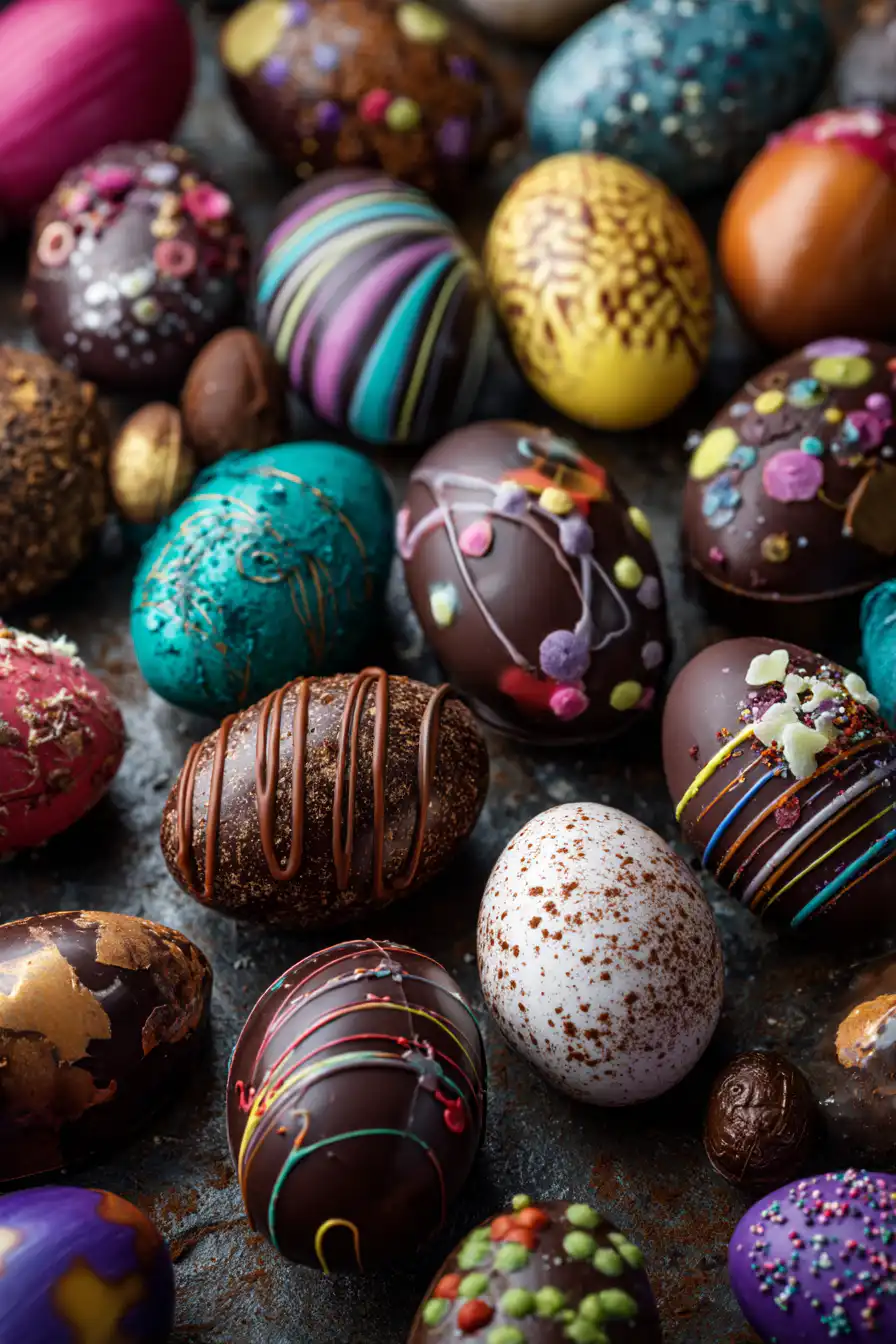
The History of Easter Chocolate
The story of Easter chocolate starts with old Easter traditions that included decorating eggs. In many places, eggs stood for new life and growth, which fits perfectly with the spring season. It wasn't until the 19th century that people began to shape chocolate into eggs and other fun forms. This happened thanks to new ways of making chocolate during the Industrial Revolution. The first solid chocolate eggs were made in Europe, mainly in France and Germany, and they became really popular fast.
As people loved chocolate more and more, chocolatiers got creative with their designs. By the early 1900s, they had invented things like chocolate bunnies and hollow eggs. This not only made chocolate easier for many to buy, but also turned it from a fancy treat into a regular part of Easter celebrations all over the world. Its clear how chocolate has changed along with our ideas about having fun and sharing with others.
Iconic Symbols of Easter Chocolate
One of the most classic symbols of Easter chocolate is the chocolate egg. These treats come in many colors, flavors, and fillings, and are a favorite among kids and adults. Many times, these eggs are wrapped in bright, shiny foil or decorated in a neat way. Giving or hiding chocolate eggs is all about the ideas of starting over and rebirth, making them super meaningful during Easter.
Chocolate bunnies are another huge hit during the holidays. Usually made from rich chocolate and shaped like little rabbits, they really bring out the fun spirit of the season. Many people even enjoy nibbling on the bunny ears as part of some fun routines. Aside from eggs and bunnies, you can also get chocolates shaped like chicks, lambs, or even flowers, showing just how creative makers can be during Easter.

Types of Easter Chocolates
Easter comes with a ton of different chocolate treats that suit all tastes. Knowing what types are out there can make your holiday even more fun. Here we go over the most common and some fancy chocolates that make Easter extra special.
Popular Chocolate Treats
No talk about Easter is complete without talking about the classic chocolate egg. These eggs come in lots of flavors like milk chocolate, or even flavors like salted caramel mixed with raspberry. They're often wrapped in bright foil which makes them as pretty as they are yummy.
Chocolate bunnies are also a must-have for the season. They come in different sizes and styles, making them popular with people of all ages. Many folks have a tradition of taking fun bites of the chocolate bunny's ears, a little ritual that brings back good memories.
Besides eggs and bunnies, you can also find chocolate bars and mixed candies. Whether its a smooth dark chocolate bar with a hint of sea salt or a mix of tiny chocolate pieces, theres something for every chocolate lover.
Specialty and Artisan Chocolates
If you want a fancier treat, specialty and artisan chocolates are a great choice. These are hand-made by local chocolatiers who really know their stuff. They often come in cool designs and unique flavors, sometimes even with a hint of lavender or chili. These treats are almost like little pieces of art and make your Easter experience really special.
Choosing artisan chocolates also helps local businesses. Often these makers use top quality ingredients and time-tested methods, so you not only get great flavor but also support local communities.
Vegan and Alternative Options
Nowadays, there are lots of choices for people who have diet restrictions. Vegan and dairy-free chocolates have become widely available so that everyone can enjoy a sweet treat during Easter. These chocolates are made with plant-based milks like almond or coconut, which are both tasty and kind to animals.
There are also many gluten-free and allergen-friendly options. Many companies now pay close attention to allergies, offering products that are safe for those with nut allergies or gluten sensitivities. This way, everyone can join in the Easter celebration without worry.
How to Choose the Best Easter Chocolates
Choosing the right Easter chocolates can sometimes feel a bit overwhelming because there are so many choices out now. But if you keep a few facts in mind, you'll end up with treats that make your celebration even better.
Factors to Consider
When you're picking out Easter chocolate, look first at the quality of the ingredients. Treats made with good cocoa and real, natural flavors taste a lot richer. Always check the labels; try to avoid ones with too many artificial additives or lots of sugar, because that can ruin the overall taste.
Another thing to think about is the origin of the chocolate and if they use ethical practices. Chocolates that are Fair Trade certified, or made from sustainable cocoa, helps farmers get paid properly and maintains good practices in the industry. Supporting brands that care about this helps the environment and the communities their cocoa comes from.
Recognizing Good Chocolate
Learning how to spot great chocolate can really up your Easter treat game. First thing to do is read the ingredient list. Good quality chocolate will usually list cocoa or chocolate liquor as the first ingredient. If sugar or fillers come first, it may not taste as rich. Also, the cocoa percentage matters a lot; higher cocoa content means a stronger and more interesting flavor.
Your own taste is important too. Everyone likes different things, so try different types to see which ones you really love. Tasting different brands can help you pick the favorites and make your Easter even better.
Creative Ways to Use Easter Chocolate
Easter chocolate isn't just for eating straight out the package. There are many creative ways to use it in your celebrations and cooking. Here are some cool ideas to get the most out of your chocolate treats.
Recipes Using Easter Chocolate
One really easy idea is to make chocolate bark with any leftover Easter chocolate. Start by melting your favorite chocolate and spreading it out on a baking sheet lined with parchment paper. Then, sprinkle things like nuts, dried fruits, or even crushed small Easter candies on top before the chocolate sets. You get a fun, customizable treat that you can enjoy or even give as a gift.
Brownies are another fun way to use Easter chocolate. Just chop up some of those Easter eggs or bunnies and mix them into your brownie batter. When they melt into the mix, youll end up with brownies that are extra fudgy and full of sweet surprises.
Decorative Uses
You can also use chocolate for decorating your Easter table. For example, making chocolate centerpieces can add a playful vibe to your dining area. Try molding chocolate into pretty shapes or using chocolate-covered fruits and nuts as decorations. These not only look great, but they're also yummy treats for your guests.
Another idea is to create cute edible gifts. Fill small bags with an assortment of different chocolates or create a small gift box of treats. These little packages add a personal touch and make your Easter gifts extra special.
Easter Chocolate in Baking
Add a burst of flavor by mixing Easter chocolate into your baking recipes. Whether you fold in chunks of chocolate into cakes, muffins, or cookies, the extra chocolate makes any baked good even more delicious. Its a fun way to bring the holiday spirit into your everyday treats.
Detailed Easter Chocolate Recipe Section
Basic Easter Chocolate Bark Recipe
Ingredients
- 200g milk chocolate
- 100g white chocolate
- 50g mixed nuts
- 50g dried fruits (e.g., cranberries, apricots)
- Edible glitter or sprinkles (optional)
Directions
- Start by melting the milk chocolate in a heatproof bowl over simmering water and stir until smooth.
- When it is melted, pour the chocolate onto a baking sheet lined with parchment paper, and spread it out with a spatula.
- Next, melt the white chocolate and drizzle it over the milk chocolate. Use a toothpick to swirl it together for a marbled look.
- Sprinkle the mixed nuts and dried fruits evenly over the chocolate. If you want, add edible glitter or sprinkles on top.
- Let the chocolate cool at room temp until its set, then break or cut it into pieces.
Advice
When working with chocolate, make sure the bowl is completely dry and that no water gets in. This helps you get a glossy finish and a good snap when the chocolate cools. If it doesnt work the first time, dont worry, keep trying!
Creative Easter Chocolate Egg Recipe
Ingredients
- 300g dark chocolate
- 200g milk chocolate
- 100g mini eggs or candy
Directions
- First, melt the dark chocolate using a double boiler until its fully melted and smooth.
- Using a pastry brush or the back of a spoon, coat the inside of egg-shaped molds with the melted dark chocolate. Make sure its an even coat.
- Put the molds in the fridge for about 10 minutes to let the chocolate set.
- Once its set, fill each egg with a mix of milk chocolate and mini eggs or candy, leaving a little space at the top.
- Finish by brushing a thin layer of melted dark chocolate on the top to seal the egg, then return it to the fridge until its fully set before taking them out carefully.
Advice
Store your finished chocolate eggs in a cool, dry place. If you want, you can try different fillings like peanut butter or caramel next time for a fun twist!
The Cultural Significance of Easter Chocolate
Easter chocolate plays a big role in celebrations all around the world. It not only adds a tasty treat to the holiday, but it also brings people together, showing the spirit of community and tradition.
Celebrations Around the World
Different countries have their own ways of celebrating Easter and including unique chocolate treats. In places like the United States and the UK, chocolate eggs and bunnies are super common. In Italy, large chocolate eggs that hide surprises inside are a hit. Other countries, like Switzerland and Belgium, which are known for their fancy chocolates, often have beautiful and artistic chocolate designs during Easter.
Impact of Easter Chocolate on Local Economies
The demand for Easter chocolate really helps local businesses, especially in areas known for making chocolate. Small shops and artisan chocolatiers get a big boost during this season because people are always looking for something special. By buying local, you support local farmers and fair practices in cocoa production, which is something that benefits everyone in the community.
FAQs About Easter Chocolate
Common Questions
What makes Easter chocolate different from regular chocolate? Easter chocolate usually comes in fun, seasonal shapes and designs, which is what makes it so festive. The flavor can be a bit different too since many makers focus on a creative twist during Easter.
How do you store Easter chocolates? To keep your chocolates fresh, store them in a cool, dry place and keep them away from too much heat or humidity. Using airtight containers can help protect them even more.
Are there any health benefits to chocolate? Dark chocolate, when eaten in moderation, can have some health benefits like antioxidants and even supporting heart health. Just be careful with how much you eat because of the sugar.
What are some creative uses for leftover Easter chocolate? Leftover chocolate can be used in lots of ways, like in baking, making chocolate bark, or even mixing it into brownies or cakes for a special treat.
Conclusion
When we celebrate Easter, chocolate really brings people together and makes for many happy memories. Whether you explore its history, try different kinds, or get creative with recipes, Easter chocolate always adds a little extra joy to the holiday. So why not try out some of these ideas, experiment with different treats, and share your delicious creations with family and friends? This way, the sweet tradition of Easter chocolate will keep being a cherished part of our celebrations for many years to come.

easter chocolate
Equipment
- 1 double boiler or microwave-safe bowl
- 1 spatula
- 1 baking sheet
- 1 parchment paper
- 1 mixing bowl
- 1 candy molds or silicone molds optional
Ingredients
- 12 ounces dark chocolate (or milk chocolate)
- 1 cup mini marshmallows
- 1 cup crushed graham crackers
- ½ cup colorful sprinkles
- ½ cup chopped nuts (e.g., almonds or walnuts, optional) Optional ingredient.
- ½ cup dried fruit (e.g., raisins or cranberries, optional) Optional ingredient.
Instructions
- Prepare your baking sheet with parchment paper to prevent sticking.
- Melt the chocolate using a double boiler or microwave, stirring until smooth.
- Remove the melted chocolate from heat and stir in mini marshmallows, crushed graham crackers, and any optional ingredients.
- Pour the mixture onto the prepared baking sheet and spread it evenly with a spatula.
- Sprinkle colorful sprinkles over the top of the chocolate mixture.
- Refrigerate for about 30 minutes or until fully set.
- Once set, break into pieces or cut into desired shapes using cookie cutters.
- Serve and enjoy your Easter Chocolate Delight!