
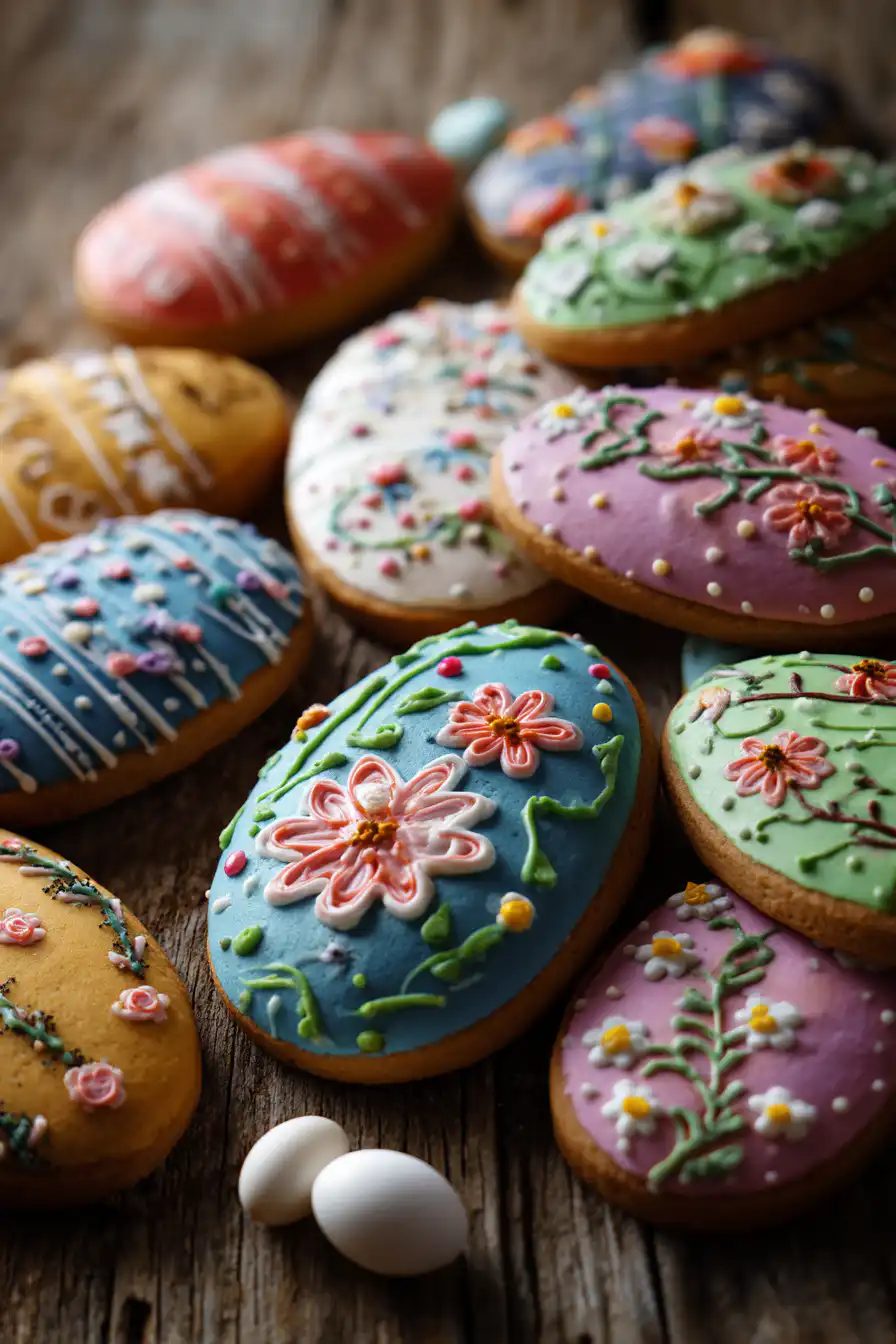
Easter biscuits are really tasty treats that people all over the world love. They have a sweet, spicy flavor and a crunchy outer layer with a soft inside. They arent just yummy snacks, they also remind us of the fun and happy Easter time. Baked during the Easter season, these biscuits are made with spices, dried fruits, and sometimes a bit of pretty icing, so they look cool on the table.
The cool part about Easter biscuits is that they do more than just satisfy your sweet tooth; they help people keep old family traditions alive. In many places, these biscuits are shared with family and friends at get-togethers, making Easter a time for joy and togetherness. Whether its a simple recipe from home or a fancy version from a specific region, every biscuit has its own little story that connects us to our past.
This article sets out to look at the history, different types, and special features of Easter biscuits. It also includes a detailed recipe with some advice on how to make the best biscuits, so both new and experienced bakers can enjoy making these treats in their own kitchens.
History of Easter Biscuits
Easter biscuits have a long and interesting history that shows how important Easter is in different cultures. They are thought to have started in Europe, mostly in England, with records from the 18th century linking them to Easter. At first, they were just simple spiced cookies made with ingredients that families usually had. Over time, the recipes changed, and people began adding their local flavors and ingredients, making every region's biscuits a bit different.
Baking these biscuits was more than just making food, it was a way to bring people together. Families would mix and bake them at home and then share with neighbors and friends, helping build a sense of community around Easter. As the idea spread across different cultures, each place added its own twist to the recipe. For example, the Italian Colomba and Greek Koulourakia show how Easter biscuits can look and taste various around the globe.
The Role of Biscuits in Easter Celebrations
Easter biscuits have an important role in many cultural celebrations. They stand as symbols of happiness, new beginnings, and unity. In lots of families, making these biscuits is part of the Easter ritual. People come together to bake them, using recipes that have been shared from one generation to the next. This kind of teamwork makes Easter extra special, while everyone shares memories and fun stories along the way.
Even though many still stick to old traditional recipes, newer versions are popping up. Some families like to try new spices or different ingredients to match modern tastes. This mix of old and new shows how Easter biscuits are always changing, yet they stay an important part of the celebration. They can be enjoyed at brunch, as part of a dessert selection, or even just with a cup of tea.
Characteristics of Easter Biscuits
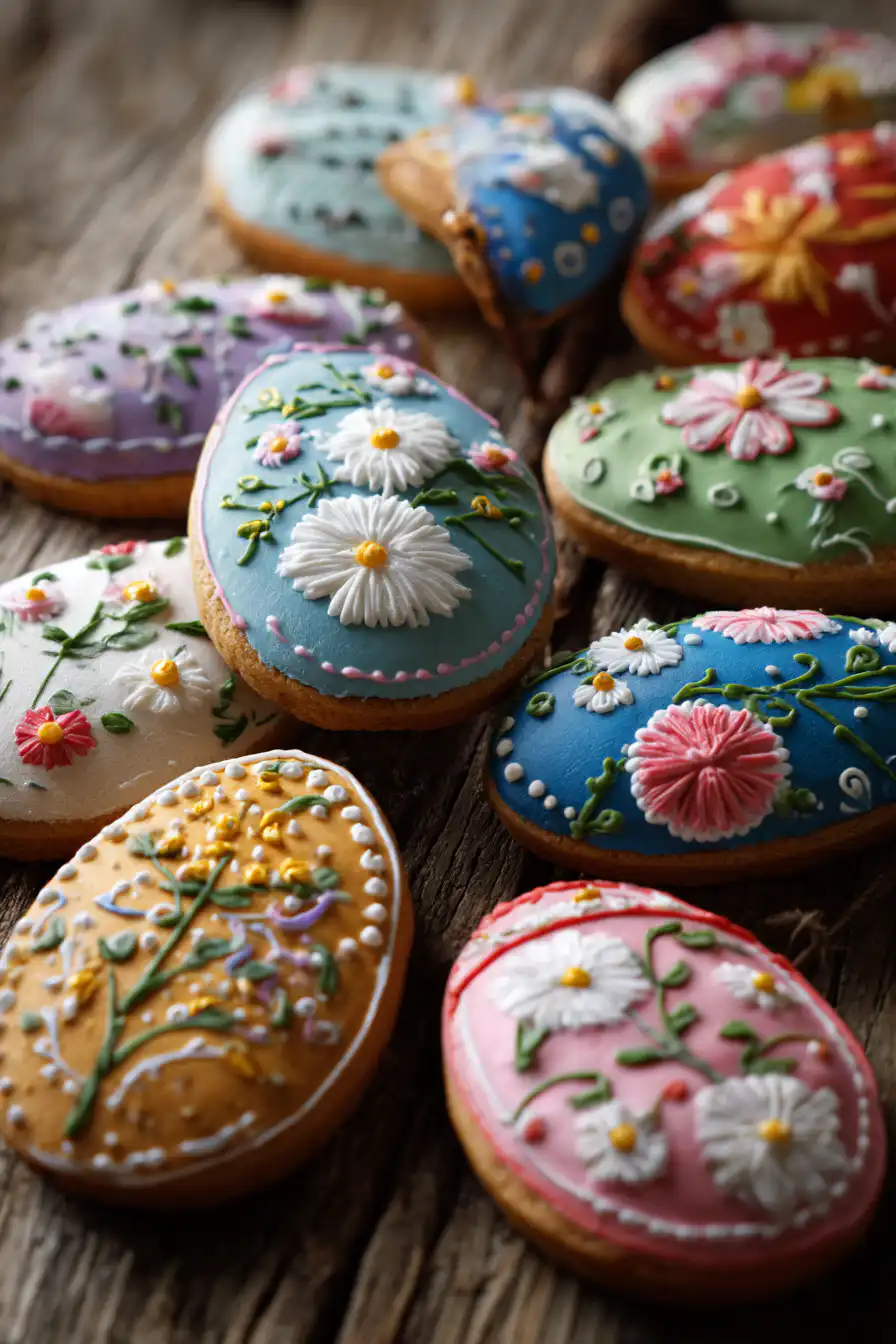
Easter biscuits are known for their singl combination of textures and flavors that make them so pleasent. They usually have a crispy outside and a soft inside, making every bite fun to eat. Their flavor kinda comes from warm spices like cinnamon and nutmeg that capture what Easter feels like.
The basic ingredients in these biscuits are super important for their taste. Here are some you might see:
- Flour: It forms the base of the biscuit. Most people use all-purpose flour.
- Butter: This gives a rich flavor and helps make that perfect texture.
- Sugar: Adds sweetness which works really well with the spices.
- Spices: Commonly nutmeg and cinnamon, these bring warmth to the biscuits.
- Dried fruits: Things like currants or sultanas add little bursts of sweetness.
- Egg: Helps glue the ingredients together.
- Baking powder: Makes sure the biscuits puff up just right.
- Optional icing sugar: Used to add a cool decoration on top.
Some regions like to throw in extra touches, like citrus zest or local spices, which gives each version its own character and local flavor.
Recipe Section
Ingredients
To make traditional Easter biscuits, you will need these ingredients:
- 250g all-purpose flour
- 125g unsalted butter, softened
- 100g granulated sugar
- 1 teaspoon ground nutmeg
- 1 teaspoon ground cinnamon
- 100g dried currants or sultanas
- 1 large egg
- 1 teaspoon baking powder
- Optional: Icing sugar for decoration
Directions
1. Preparation: First thing, preheat your oven to 180°C (350°F). Line your baking tray with parchment paper so the biscuits dont stick.
2. Making the Dough: In a mixing bowl, beat the softened butter and granulated sugar together until its light and fluffy. Then, add the egg and mix well. In another bowl, sift the flour, baking powder, nutmeg, and cinnamon together. Slowly add the dry stuff to the butter mixture, stirring until you get a dough. Finally, gently mix in the dried fruits evenly.
3. Shaping and Baking: On a lightly floured surface, roll out the dough to about 0.5 cm thick. Use cookie cutters to cut out the shapes you want and put them on your tray. Bake them in the oven for about 10-12 minutes or until the edges look just a bit golden. Let the biscuits cool on the tray for a few minutes, then move them to a wire rack to cool completely.
4. Cooling and Icing: When the biscuits have cooled, you can decorate them with icing sugar if you like. To make the icing, mix some icing sugar with a tiny bit of water until it is pourable. Use a piping bag or just a spoon to drizzle the icing over the biscuits and let it set before serving.
Tips for Perfect Easter Biscuits
Try these tips to get the best out of your Easter biscuits:
- Variations: Feel free to experiment with different spices or throw in some chocolate chips for a new twist.
- Common mistakes: Dont overmix your dough, because that can make the biscuits tough. Make sure your butter is at room temperature so it blends better.
- Storing: Keep your biscuits in an airtight container at room temperature for up to a week. If you want to save the dough, you can also freeze it by wrapping it tight in plastic wrap.
easter biscuits
Equipment
- 1 mixing bowl
- 1 rolling pin
- 1 baking sheet
- 1 parchment paper
- 1 cookie cutters optional
- 1 cooling rack
Ingredients
- 100 g unsalted butter, softened
- 100 g granulated sugar
- 1 large egg
- 200 g all-purpose flour
- 1 teaspoon baking powder
- 1 teaspoon ground cinnamon
- 1 teaspoon ground nutmeg
- Zest of 1 lemon lemon zest
- 50 g currants or raisins (optional) Optional ingredient.
- icing sugar for decoration (optional) Optional for decoration.
Instructions
- Preheat your oven to 180°C (350°F) and line a baking sheet with parchment paper.
- In a mixing bowl, cream the softened butter and granulated sugar together until light and fluffy.
- Beat in the egg, mixing until fully incorporated.
- In a separate bowl, whisk together the all-purpose flour, baking powder, ground cinnamon, ground nutmeg, and lemon zest.
- Gradually add the dry ingredients to the butter mixture, stirring until a dough forms. If using, fold in the currants or raisins.
- Lightly flour a surface and roll out the dough to about 5mm (¼ inch) thickness.
- Use cookie cutters to cut out shapes and place them on the prepared baking sheet.
- Bake in the preheated oven for 10-12 minutes or until golden around the edges.
- Remove from the oven and let them cool on the baking sheet for a few minutes before transferring to a cooling rack.
- Once completely cooled, you can dust with icing sugar for decoration if desired.