The pot lid rattles and you know dinner is almost ready. It's like this little signal telling you that the steam cues are right, the float valve popped up, and things inside the cooker are going down real good. There's just this kinda hopeful hush that settles in the kitchen. You feel the broth depth's just right and the sealing ring does its job keeping everything tight and cozy inside.
You gotta watch that float valve like a hawk sometimes, cuz if it ain't up, you ain't got the pressure you need. The tender pull on your ingredients? That's when y'all really get what this cooker's all about. Not throwing food at noodles or frozen stuff anymore, but lettin' flavors kinda hang out and do what they do best under pressure.
And dang, you can trust this method when it comes to baking and cooking complex cakes or delicate things like cheesecakes layered with red velvet, or those lime macarons and butterscotch ganache toppings. It makes life so dang easier, and the kitchen smells like April showers hitting a fresh garden, all mixed with that boozy hint of Baileys frosting. You're gonna love this.
The Real Reasons You Will Love This Method
- It cooks your layers evenly with less fuss and faster than your regular bake.
- You get perfect steam cues without drying out delicate frostings or ganaches.
- The sealing ring and float valve make sure moisture stays in, keeping every crumb tender.
- Pressure cooking brings out deep flavors in your butterscotch and Baileys frosting.
- You save space and energy in the kitchen when you use one pot to do so much.
Everything You Need Lined Up
- 1 cup vegetable or canola oil (224g)
- 2 large eggs, room temperature (112g)
- 1 cup buttermilk, room temperature (240g)
- 2 teaspoon vanilla extract or vanilla bean paste (6g)
- 1 teaspoon white vinegar (4g)
- 2 cups granulated sugar (400g)
- 2 teaspoon unsweetened cocoa powder, sifted (8g)
- 1 teaspoon fine salt (6g)
- 1 teaspoon baking soda (6g)
- ½ teaspoon baking powder (3g)
Y'all also gotta line up another set for the creamy parts. That's where the unsalted butter, room temp (1 cup or 226g) and full-fat cream cheese, room temp (1 cup or 226g) come in - plus a whopping 7 cups of powdered sugar (904g), fine salt (½ teaspoon or 3g), and vanilla extract (1 tablespoon or 12g). Don't forget the extra packages of cream cheese and sweetened condensed milk for your cheesecake layer. And the fresh lemon juice, that tang really hits the lime macarons right where it counts.
Get your piping bag and Wilton 1M frosting tip ready too. These little tools make the final decorating steps easier and prettier than you think.
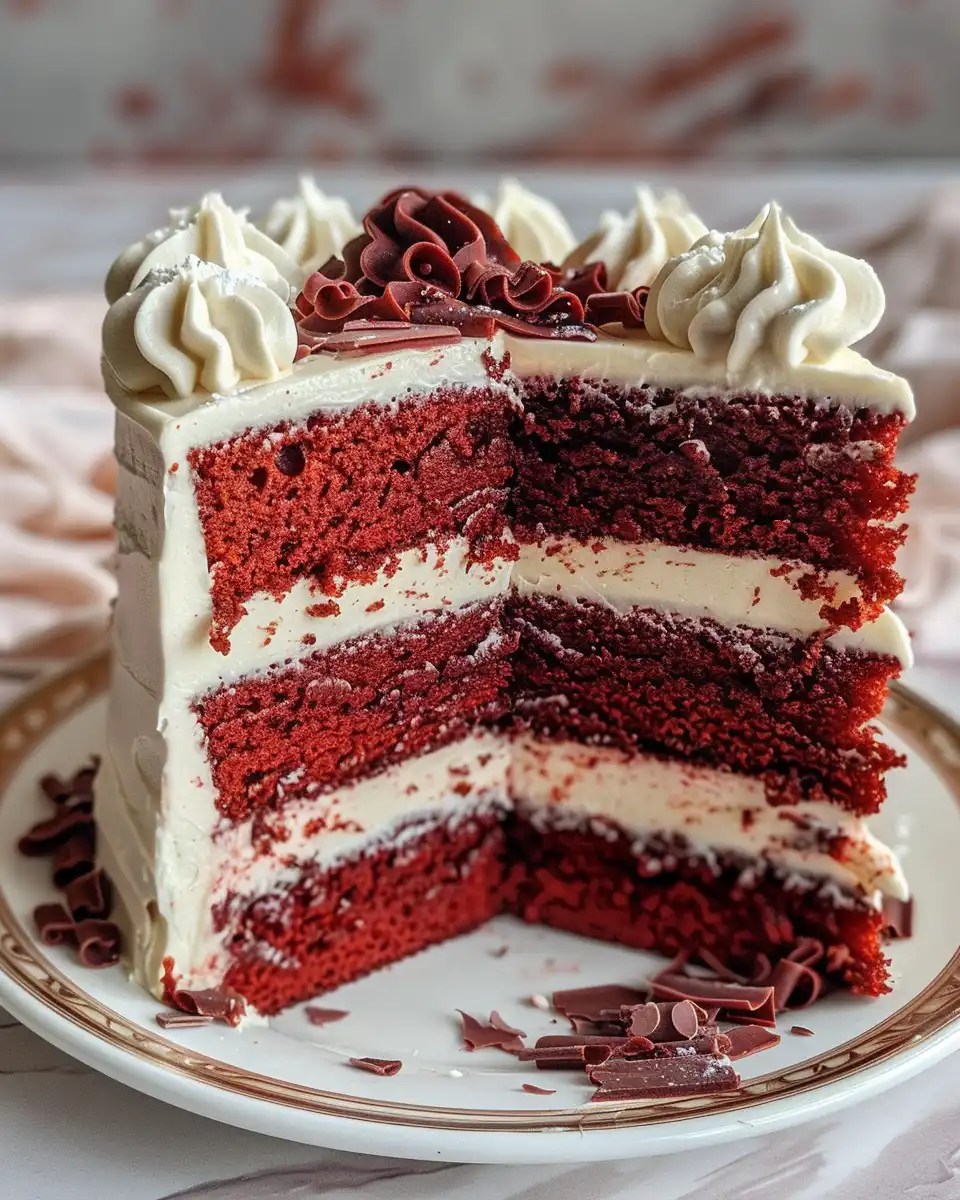
The Exact Process From Start to Finish
Step 1: You start preheatin' the oven to 350°F (175°C) and give two 9-inch round cake pans a good grease. This sets you up for the layered cake base.
Step 2: In a big bowl, whisk together your oil, eggs, buttermilk, vanilla, and white vinegar until smooth and kinda silky. Then throw in granulated sugar little by little, keep whisking till it's all smooth.
Step 3: In another bowl, sift together your flour, cocoa powder, salt, baking soda, and baking powder. This keeps lumps outta your batter - you want it nice and uniform.
Step 4: Gradually mix the dry mix into the wet mix, but don't overdo it or your cake gets tough. Just combine till no dry spots remain.
Step 5: Pour batter evenly into each greased pan, then bake those babies for 25-30 mins. Steam cues here mean you're looking for the toothpick to come out clean, no goopy bits.
Step 6: Let the cakes cool in pans for 10 mins, then pop 'em out and onto a wire rack to cool down completely. Now you're ready for that cheesecake layer, and from there y'all bring in those lime macarons, butterscotch ganache, and that Baileys frosting.
Smart Shortcuts for Busy Days
- Use pre-made macarons shells and just add your lime filling to cut down on time.
- Make your butterscotch ganache a day ahead so it thickens nicely and it's ready to spread.
- Whip Baileys frosting in a batch and store in fridge so you can frost on demand.
- Freeze your baked layers if you get ahead, just thaw before assembling.
When You Finally Get to Eat
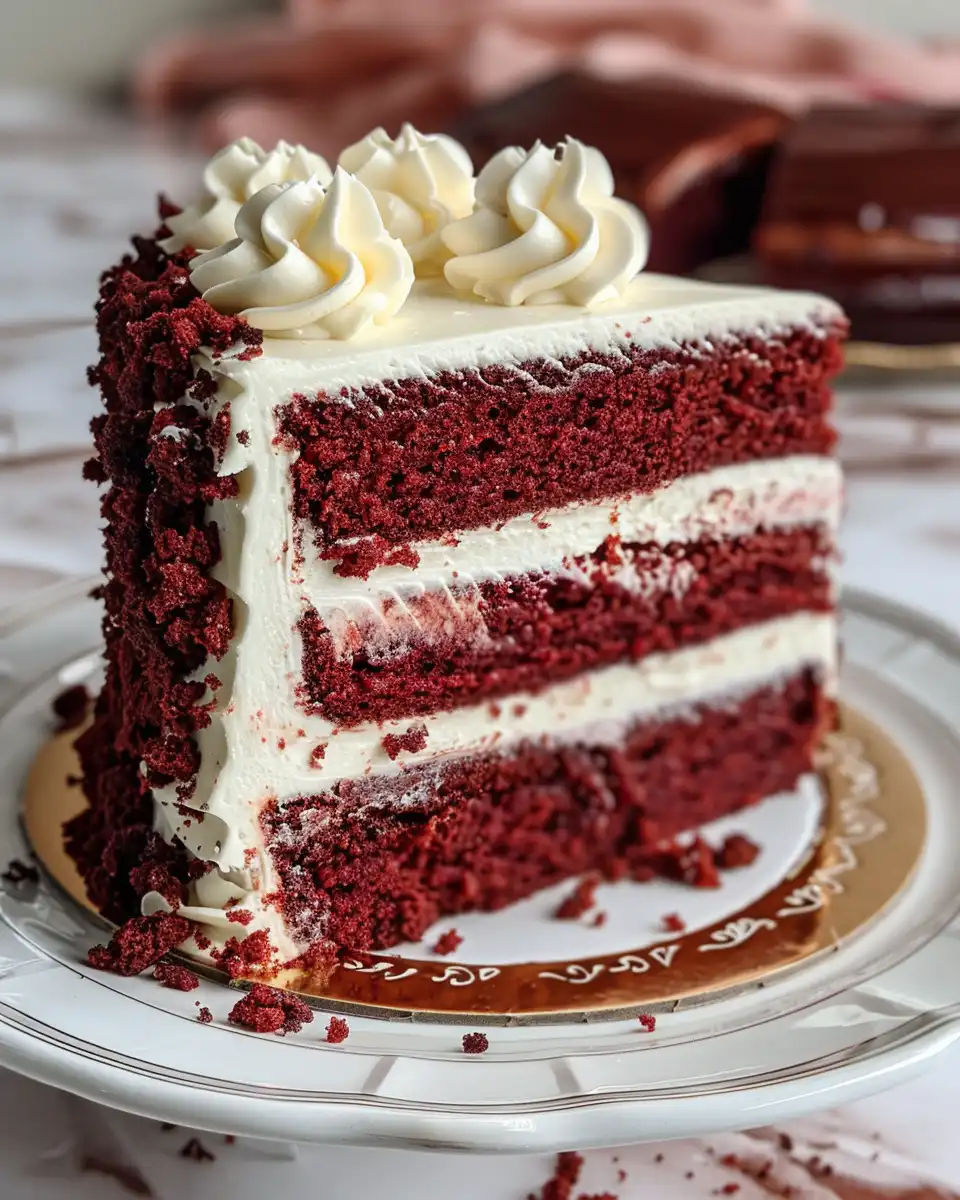
That first bite hits soft and creamy with the red velvet's cocoa warmth blending into the cheesecake tang. You remember why this combo is dang special.
Next, the lime macarons add that bright zesty punch shaking up the sweet. It's like your taste buds are dancing.
The butterscotch ganache drips slowly, smooth, and rich, giving a caramel kiss that makes you wanna savor more.
And the Baileys frosting swooshes on top, boozy and sweet, the perfect cozy ending y'all crave after a busy day.
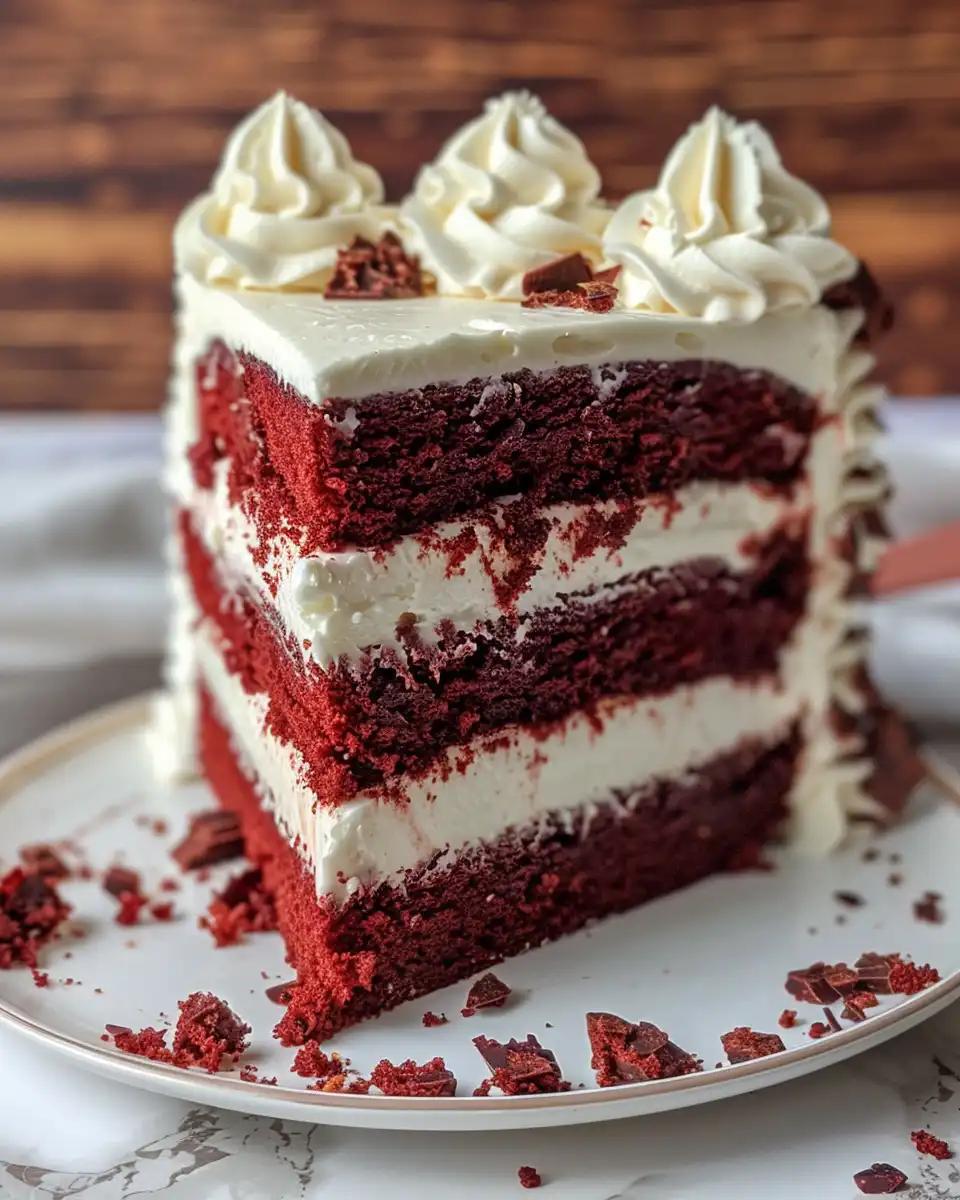
Keeping Leftovers Fresh and Ready
Store any leftover cake in an airtight container on the counter if you're eating within a day or so. Make sure it's cool and not all hot or it gets soggy.
If you want it to last longer, pop it in the fridge wrapped tight in plastic wrap and an extra layer of foil to keep out any random fridge smells.
For really long haul, slice and freeze leftovers in single portions inside a freezer bag. Thaw 'em out overnight in the fridge for best results.
Everything Else You Wondered About
Q What's the deal with the float valve and why should I check it?
A It tells you when pressure's built up inside the cooker so you know the steam cues are right. If it ain't popped, you ain't got cooking pressure.
Q Can I substitute vanilla bean paste for extract?
A For sure, vanilla bean paste packs a stronger flavor punch, so use the same amount for richer taste.
Q How do I avoid wet or soggy cake layers?
A Watch your broth depth and don't open the lid early. Let the cooker finish its cycle and the sealing ring keep moisture locked.
Q Is it okay to assemble this outside the pressure cooker?
A Yep! Bake and cool layers in oven, then assemble with fillings outside. The pressure cooker mostly speeds up cooking, not frosting and assembly.
Q How can I tell when the cake's done perfectly inside the pressure cooker?
A Use a toothpick test after cooking time. If it comes out clean with a tender pull, you're golden.
Q What's the best way to handle the sealing ring?
A Keep it clean and check for cracks or damage before every use. It seals the steam so no pressure escapes.
For related recipes and helpful tips, check out pressure cooker tips, moist carrot cake cupcakes, and raisin carrot cake for delicious baking inspiration.
Red Velvet Layered Cheesecake Lime Macarons Butterscotch Ganache April Showers Cake Baileys Frosting
Equipment
- 1 oven preheated
- 2 9-inch round cake pan greased
- 1 wire rack
Ingredients
Main ingredients
- 1 cup vegetable or canola oil 224g
- 2 large eggs room temperature (112g)
- 1 cup buttermilk room temperature (240g)
- 2 teaspoon vanilla extract or vanilla bean paste 6g
- 1 teaspoon white vinegar 4g
- 2 cups granulated sugar 400g
- 2 teaspoon unsweetened cocoa powder sifted (8g)
- 1 teaspoon fine salt 6g
- 1 teaspoon baking soda 6g
- ½ teaspoon baking powder 3g
- 1 cup unsalted butter room temp (226g)
- 1 cup full-fat cream cheese room temp (226g)
- 7 cups powdered sugar 904g
- ½ teaspoon fine salt 3g
- 1 tablespoon vanilla extract 12g
- extra packages cream cheese
- packages sweetened condensed milk for cheesecake layer
- fresh lemon juice for lime macarons
Instructions
Instructions
- Preheat the oven to 350°F (175°C) and grease two 9-inch round cake pans.
- In a big bowl, whisk together oil, eggs, buttermilk, vanilla, and white vinegar until smooth. Add granulated sugar gradually, whisking till smooth.
- In another bowl, sift together flour, cocoa powder, salt, baking soda, and baking powder. Combine with wet ingredients gradually until smooth.
- Pour batter evenly into greased pans and bake for 25-30 minutes. Aim for a toothpick to come out clean from the center.
- Cool cakes in pans for 10 minutes, then transfer to a wire rack to cool completely.
- Prepare cheesecake layer and decorate with lime macarons, butterscotch ganache, and Baileys frosting.