Crusty French bread rolls are known for there awesome texture and rich flavor. These rolls, with their crispy crust and soft, airy inside, are a must-have in many French homes and restaurants. They show off what real artisanal baking is all about, even though it takes a lot of skill and patience to get it right, but it sure is worth it in the end.
The importance of French bread rolls goes far beyound just being food; they stand for France's cultural heritage and old school baking traditions. In France, bread ain't just something to eat; it's a symbol of community and family, plus a link to the land. You can have them with soups and salads, or eat them fresh out of the oven with a swipe of butter, and they always seem to make any meal extra special.
For home bakers and all the food fans out there, getting the hang of making crusty French bread rolls is a pretty cool challenge. The idea of turning simple stuff into a beautiful, yummy loaf is super attractive, making plenty of people wanna play around with their baking skills. With a few easy tricks and a bit of practice, anyone can whip up rolls that might even give those Paris bakery ones a run for their money. This article will walk you through how to make your own crusty French bread rolls, and celebrate the fun of baking at home with sweet results.
History of French Bread Rolls
The story of French bread rolls goes all the way back to old times when bread-making was really simple and kind of rough. As time went on, people got smarter and their methods got better which led to bread that showed off different regional styles. By the Middle Ages, France became known as a big deal in baking, with different towns and cities perfecting their own type of bread. The famous French baguette, which a lot of people know today, actually started in the 19th century when new baking techniques and steam ovens were invented.
Through the years, French bread rolls changed a lot, adjusting to new tastes and different cultural ideas. When industrial baking started in the 20th century, these rolls were mass produced so more people could get them. But lots of bakers still stuck with the old ways of doing it. Now, with a trend toward organic and locally grown ingredients, many bakers are getting back to the old traditional ways of making bread in France.
The meaning of French bread rolls is more than just their great taste. In France, bread has always been seen as a main food source and a part of community life. Most of the time, you'll find bread at every meal, and sharing bread makes people feel connected, be it during a family dinner or at a local bakery. This special connection to the earth and community is still important in France and even around the world as more people love home baked, authentic bread.
Characteristics of Crusty French Bread Rolls
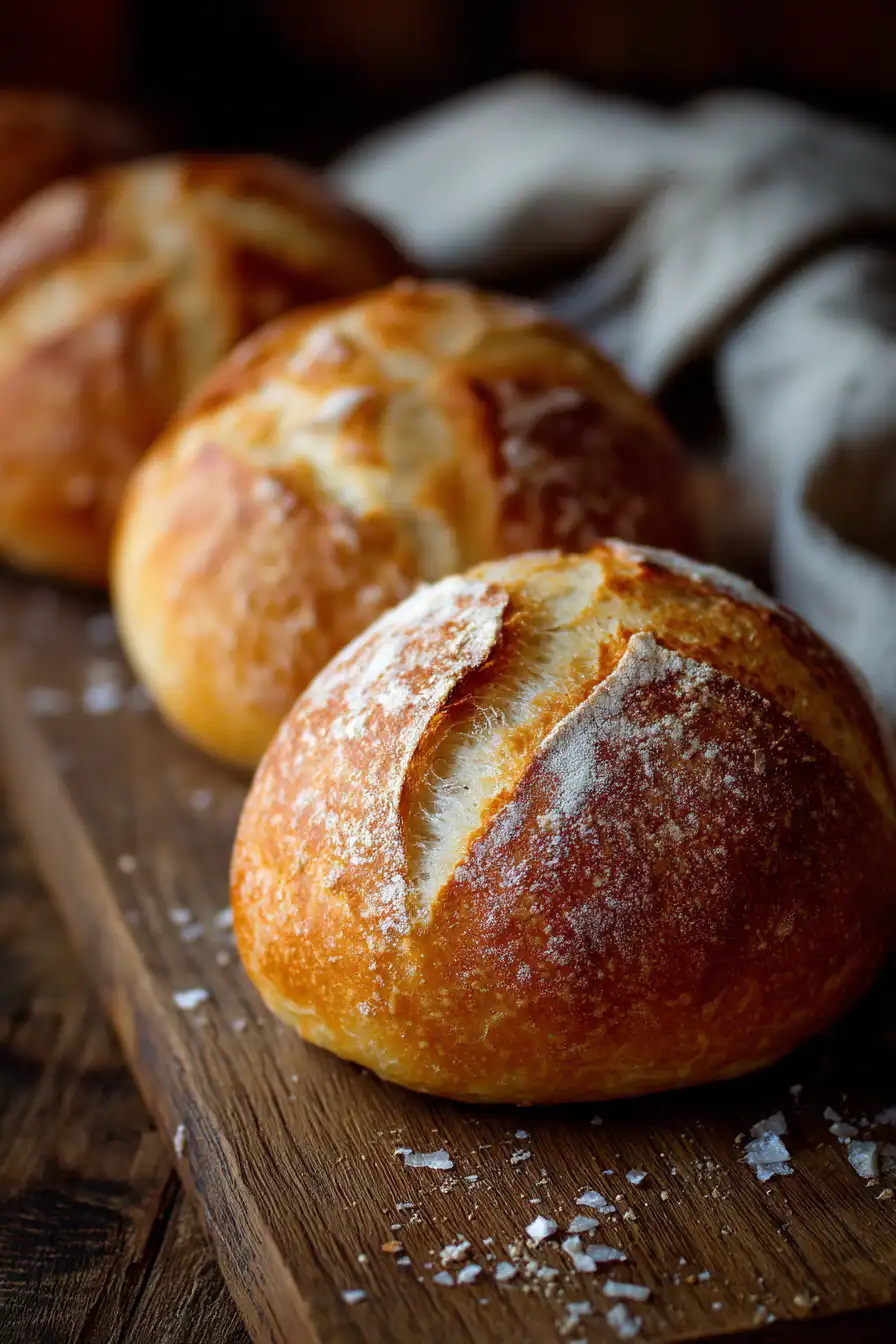
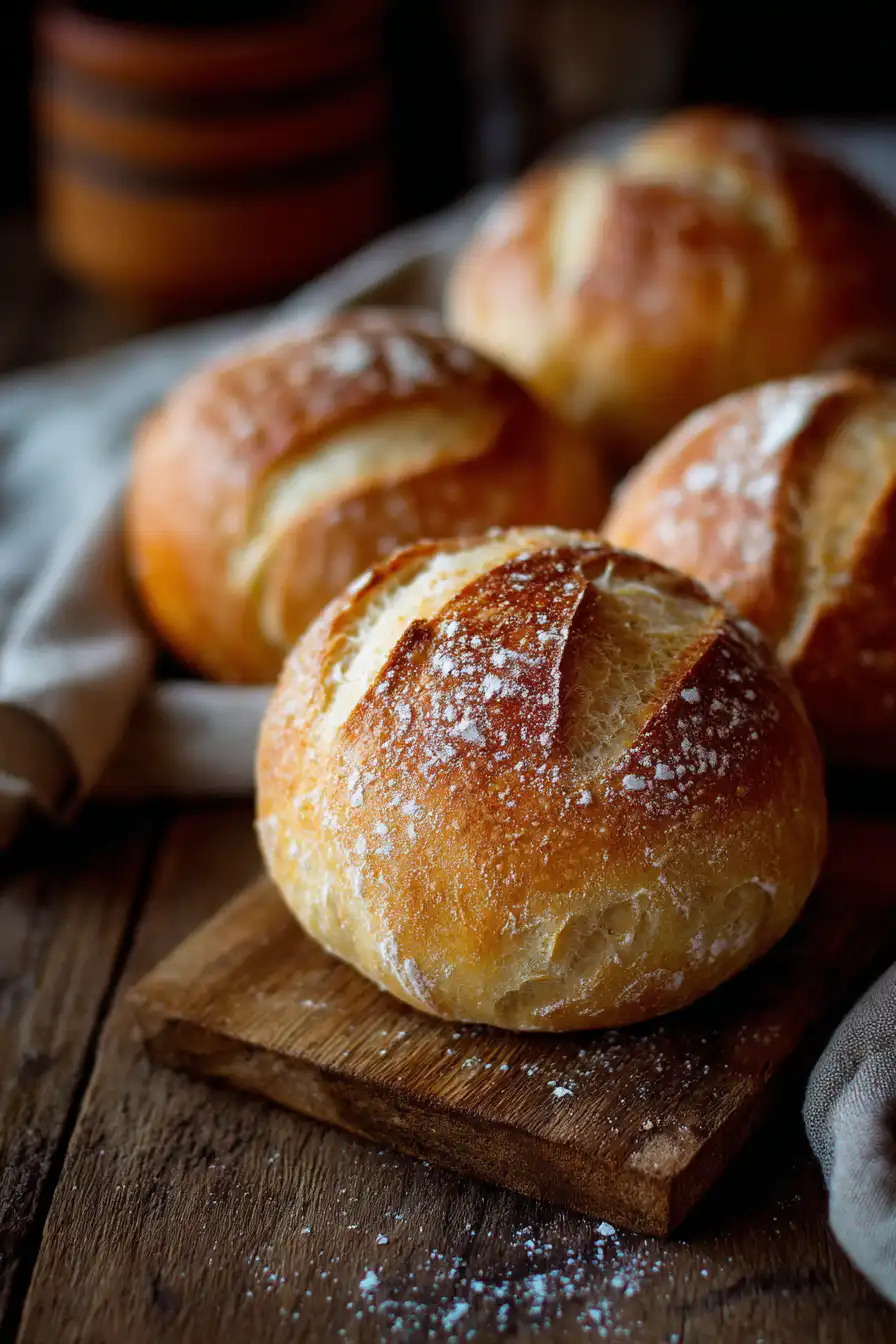
Crusty French bread rolls are famous for the way they combine a crunchy outer crust with a soft, airy inside. The look is cool and when you bite into them, that crunch is really satisfying. The flavor is deep and kinda complex, with a slight nuttiness from the flour and a little tanginess thanks to the fermentation process.
One of the biggest parts of these rolls is the crust. It forms when the rolls bake just right. A well-done roll will have a golden-brown outside that gives you a crisp bite because the steam in the oven was on point. This crust also helps keep all the moisture inside while upping the taste.
The crumb, which is the inside of the roll, should be light and puffy with a nice structure. This comes down to good kneading and the fermentation process, which together make a crumb with small and uneven holes. There are lots of different bread rolls in French baking, like the baguette, pain de campagne, and more, each with their own quirks but they all share the must-have qualities that make crusty French bread rolls so loved.
Ingredients for Crusty French Bread Rolls
To make perfect crusty French bread rolls, you need a few simple but really important ingredients. Each part is crucial for getting the right texture and flavor in your final product. Here are the common ingredients used:
- Flour: This is the base of your dough. Bread flour high in protein is best for a good chewy structure, though you can use all-purpose flour if you like a softer bread.
- Water: The quality and heat of the water are super important. Lukewarm water (around 100°F or 38°C) helps the yeast get going.
- Yeast: Active dry yeast is used a lot, but you could also go with instant yeast if you want the dough to rise faster.
- Salt: This makes the bread taste better and keeps the fermentation under control, so it's a must add.
If you wanna mix it up, you can add treats like fresh herbs, grated cheese, or seeds on top of the rolls before baking to add extra flavor and make them look even better.
Detailed Recipe for Crusty French Bread Rolls
Ingredients
- 4 cups all-purpose flour
- 1 ½ cups lukewarm water
- 2 teaspoons salt
- 1 packet (2 ¼ teaspoons) active dry yeast
- Optional toppings (flour for dusting, seeds)
Directions
- Activate the Yeast: Start by sprinkling the yeast over the lukewarm water in a bowl. Let it sit for about 5 to 10 minutes until it looks frothy, which means the yeast is working.
- Mixing the Dough: In a big bowl, combine the yeast mixture with the flour and salt. Stir it with a wooden spoon until you get a shaggy mess of dough with no dry bits left.
- Kneading the Dough: Put the dough on a lightly floured surface and knead it for around 10 minutes until it's smooth and bouncy. If you are using a mixer, put on the dough hook and knead on low speed for about 5-7 minutes.
- First Rise: Put the dough in a bowl that's been lightly oiled and cover it with a damp cloth or some plastic wrap. Let it rise in a warm spot for about 1 hour or until it doubles in size.
- Shaping the Rolls: After the dough has risen, punch it down to get rid of the extra air. Divide the dough into about 8-10 pieces. Shape each piece into a round roll by folding the edges in and smoothing the top.
- Second Rise: Place the shaped rolls on a baking sheet with parchment paper so they have room. Cover them again and let them rise another 30 minutes.
- Baking for Perfection: Preheat your oven to 450°F (230°C) at least 30 minutes before baking. To create steam which helps form a crispy crust, put a shallow pan with water on the bottom rack. Just before baking, slashes on the top with a sharp knife are recommended. Then bake for 20-25 minutes until they turn golden brown and sound hollow when tapped.
- Cooling and Serving: Take them out of the oven and put them on a cooling rack for at least 15 minutes. Enjoy them fresh or a bit warm; they're perfect alone or as a side dish!
Tips for Success
Here are a few tips so you can get the absolute best crusty French bread rolls:
- Measure Ingredients Accurately: Using a kitchen scale helps a lot, especially for the flour, to keep things consistent.
- Achieve the Perfect Crust: Using steam while baking really helps make that crunchy crust. A tray of water in the oven works wonders.
- Explore Variations: Try using whole grain flour or adding herbs and spices to tweak the flavor to your liking.
Storage and Serving Suggestions
If you have leftovers, here are some ways to keep your rolls fresh:
- Keep them in a paper bag at room temperature so the crust stays crispy, or wrap them in a clean kitchen towel.
- For longer storage, freeze the rolls in a freezer-safe bag. When you wanna reheat them, just toss them in a preheated oven at 350°F (175°C) for about 10-15 minutes.
When serving, these rolls work with almost anything:
- They are great for making sandwiches stuffed with your favorite meats and cheeses.
- You can also serve them alongside soups and salads to make a full meal.
- Or just enjoy them plain with some butter or even homemade jams spread on top.
Common Mistakes to Avoid
While making crusty French bread rolls, try not to fall into these common traps:
- Over-Kneading vs. Under-Kneading: Knead just long enough until the dough is smooth and elastic. Overdoing it can make the rolls tough.
- Not Activating Yeast Properly: Always check if your yeast is active. If it doesn't look frothy after 10 minutes, it might be expired.
- Baking Conditions: Make sure the oven temperature and the steam are on point - both are key to making the perfect crusty roll.
FAQ Section
What Makes French Bread Rolls Different from Other Bread?
French bread rolls are different 'cause they have that crispy crust and soft, airy inside. The special fermentation process and the use of high-protein flour give them a texture and flavor that you just don't get with other breads.
Can I Make These Rolls in Advance?
Yeah, for sure! You can get the dough ready ahead of time and refrigerate it after the first rise. Just let it come back to room temperature before you shape and let it rise again.
How Do I Get a Crunchy Crust on My Rolls?
The trick to a crunchy crust is all about making enough steam while baking. Either use a pan of water in the oven or mist the rolls with a bit of water right before baking.
What Should I Serve with Crusty French Bread Rolls?
These rolls go great with a bunch of different foods, like hearty soups, salads, or they work perfectly for gourmet sandwiches. They also make a good base for spreads like butter, hummus, or paté.
Conclusion
Baking crusty French bread rolls at home is a fun and fulfilling project. If you follow the steps in this article, you'll be able to enjoy the awesome feeling of making your own tasty rolls any time you want. Happy baking!
SEO and Keyword Optimization
To make sure this article gets noticed by search engines, use the keyword "Crusty French Bread Rolls" in your headers, throughout the text, and in your image alt texts. Keeping the keyword density around 1-2% is a good idea. Also, adding high-quality images of your rolls with proper alt texts and linking internally to other posts or trusted external sites can help boost your article's ranking in search results.
Crusty French Bread Rolls
Equipment
- 1 large mixing bowl
- 1 measuring cups and spoons
- 1 wooden spoon or dough hook
- 1 plastic wrap or kitchen towel
- 1 baking sheet
- 1 parchment paper
- 1 kitchen thermometer (optional)
Ingredients
- 4 cups all-purpose flour
- 1 ½ cups warm water
- 2 ¼ teaspoons active dry yeast one packet
- 2 teaspoons salt
- 1 tablespoon sugar
Instructions
- In a large mixing bowl, combine warm water, sugar, and yeast. Let it sit for about 5 minutes until foamy.
- Add flour and salt to the yeast mixture, stirring with a wooden spoon or dough hook until a shaggy dough forms.
- Knead the dough on a lightly floured surface for about 8-10 minutes, until smooth and elastic.
- Place the dough in a greased bowl, cover with plastic wrap or a kitchen towel, and let it rise in a warm place for about 1 hour, or until doubled in size.
- Preheat your oven to 425°F (220°C) and line a baking sheet with parchment paper.
- Punch down the risen dough and divide it into 12 equal pieces. Shape each piece into a round roll and place them on the prepared baking sheet.
- Cover the rolls with a kitchen towel and let them rise for another 30 minutes.
- Before baking, use a sharp knife to make a few shallow slashes on the tops of the rolls for decorative purposes and to help them expand while baking.
- Bake in the preheated oven for 20-25 minutes, or until the rolls are golden brown and sound hollow when tapped on the bottom.
- Let cool on a wire rack before serving.