
Easter is coming up, and one of the coolest parts of the holiday is chocolate Easter eggs. These yummy treats hold a special spot in many people's hearts. They show the fun of the season and the sweet treat that comes with it, similar to other beloved Easter candy. Chocolate Easter eggs started in many different cultural traditions and then became a favorite for modern Easter celebrations, filling baskets and making both kids and adults smile. Their popularity grew as Easter turned into a big festive moment, where swapping chocolate eggs is a fun family ritual.
This article takes you through the interesting world of chocolate Easter eggs, sharing their long history and how they changed from regular egg symbols to today's chocolate eggs. We are going to look at different recipes for making chocolate eggs at home-from simple projects to more fancy ones. Whether you wanna make filled eggs, decorate them just right, or figure out which chocolate is the best, this guide has got you covered to help you enjoy Easter the homemade way, drawing inspiration from Easter aesthetic eggs. From learning about the old roots of Easter eggs to sharing helpful hints on how to DIY, come along and join in on this tasty tradition!
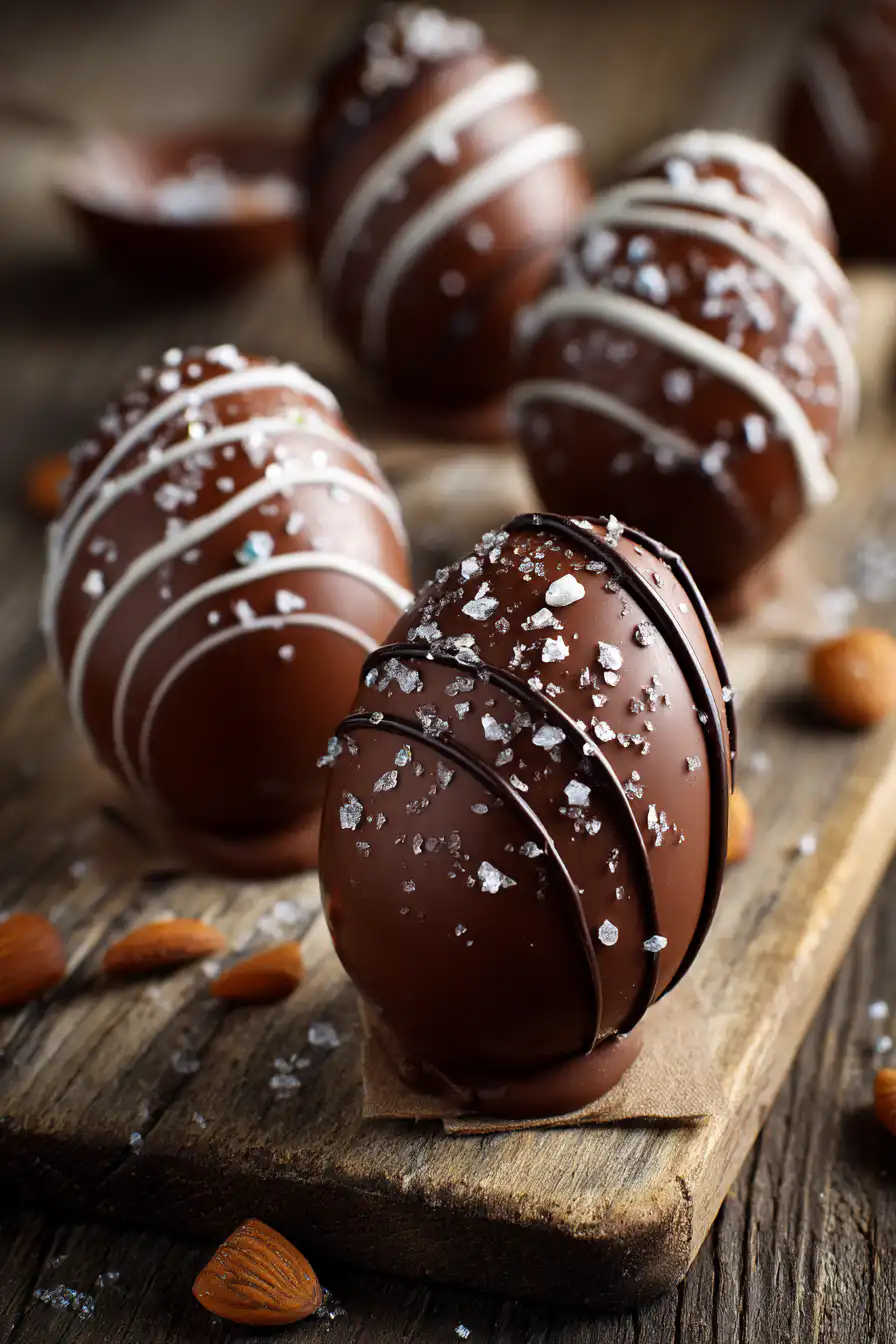
History of Chocolate Easter Eggs
The beginnings of Easter eggs go way back to old traditions before Christianity was around, when eggs were seen as symbols of new life and rebirth. Early pagans saw eggs as a symbol of the earths fertility during the spring equinox. Later when Christianity came along, eggs were used to represent the resurrection of Jesus, with the shell symbolizing his sealed tomb and the chick inside showing new life. Decorating eggs has been a big thing in many places, especially in Eastern Europe where eggs are often painted or dyed in crazy cool designs for Easter.
Chocolate eggs came about in the 19th century when chocolate-making got better. By the 1800s, chocolate became a popular treat in Europe and clever chocolatiers started trying new chocolate shapes. The first solid chocolate egg was made in 1847 by Joseph Fry in Britain, and the first hollow egg came not long after. When people started loving them, chocolate eggs became even more popular because they mixed the usual Easter celebrations with a new type of yummy treat, sparking mass production and a whole new part of Easter traditions.
Now, different countries have their own ways with chocolate Easter eggs. In the United States, hollow chocolate eggs stuffed with candies are a big part of Easter, while in France, you can see huge chocolate eggs in bakeries. In Germany, kids wait excitedly for the Easter Bunny who brings and hides chocolate eggs for scavenger hunts. Every culture puts their own spin on this cherished Easter symbol, making chocolate eggs a global hit.
Popular Types of Chocolate Easter Eggs
Chocolate Easter eggs come in lots of shapes and sizes that make the holiday even more exciting. One popular type is the hollow chocolate egg. These eggs are made with a thin layer of chocolate, making them light and crisp. Their fun part is finding different fillings hidden inside, which makes them a must-have in Easter baskets all over. Hollow eggs also have pretty decorations that make them look awesome at any celebration.
Another favorite is the filled chocolate egg. These eggs are stuffed with cool surprises like creamy fillings, pralines, or even fruity bits. A classic example is the Cadbury Creme Egg, with its gooey center that looks like a real egg yolk. Opening up a filled egg and finding a surprise inside is part of the fun that makes them a hit with both kids and adults.
Lots of famous chocolate brands give their own twist to these treats. Brands like Lindt, Cadbury, and Ferrero Rocher all have their special versions that people look forward to every year. Lindt, for example, is known for its smooth rich chocolate wrapped in gold foil, while Cadbury eggs remind many folks of sweet, nostalgic Easter times.
For people who love something unique, handmade chocolate eggs are a great option over the store-bought ones. Small chocolatiers use high-quality ingredients and old-school techniques to create eggs that really stand out. These unique chocolates sometimes mix in unexpected flavors and cool designs, giving everyone a chance to enjoy a personalized chocolate treat this Easter.
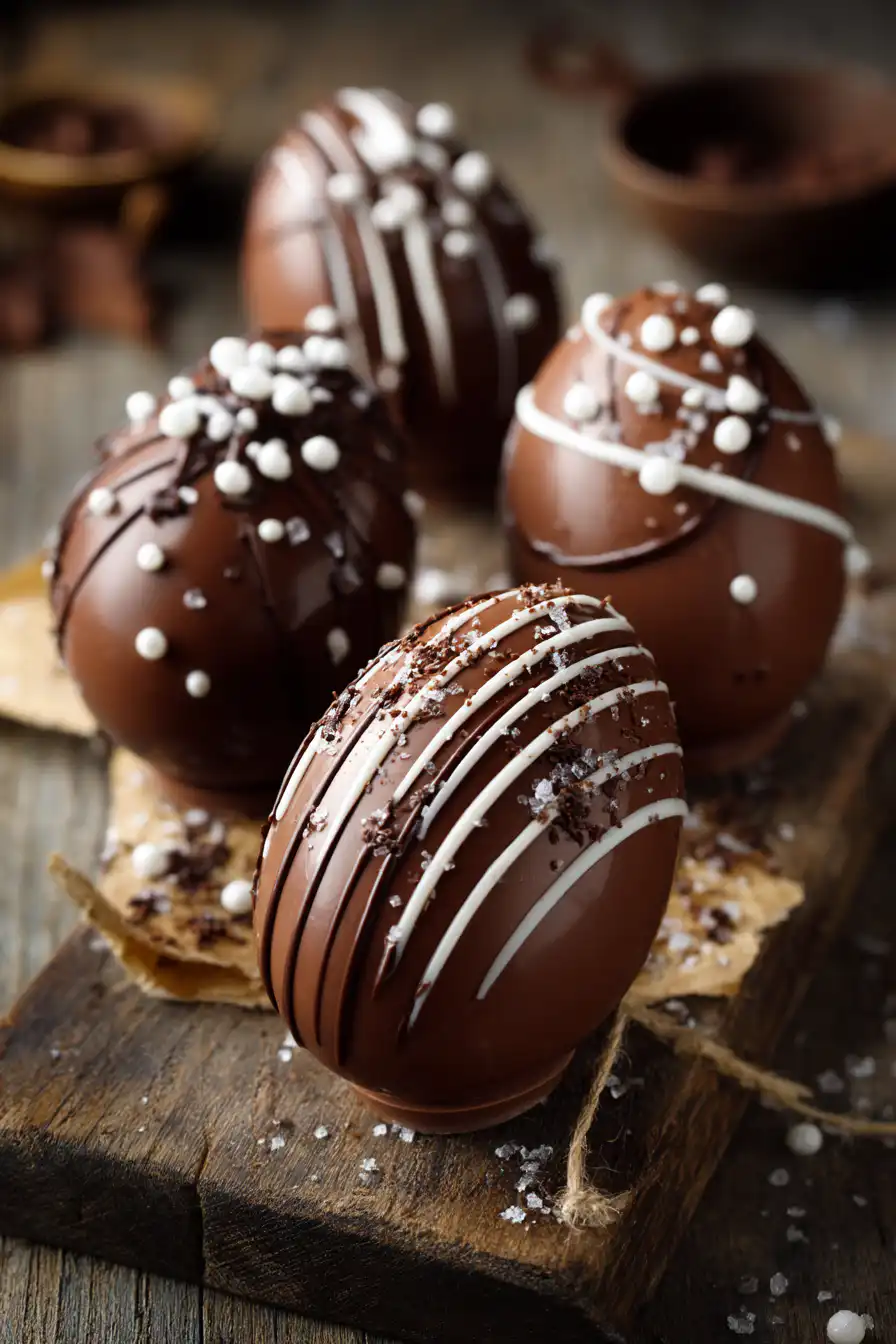
DIY Chocolate Easter Eggs Recipe
Ingredients
- 250g high quality dark chocolate
- Optional: 100g white chocolate for decoration
- Fillings of choice: praline, marshmallow, candies
Directions
1. Preparation: Get all your stuff together, like silicone egg molds and a double boiler for melting the chocolate.
2. Melting Chocolate: Break the dark chocolate into little pieces and put them in the double boiler. Heat the water till it's simmering, but make sure the chocolate melts evenly without burning. Stir it constantly until it is totally melted and smooth.
3. Molding Eggs: When your chocolate is melted, use a spoon to cover the inside of the silicone molds with a layer of chocolate. Make sure you get every part. Turn the mold upside down so the extra chocolate drips off evenly. Then, pop the molds in the fridge for 10-15 minutes to set.
4. Filling the Eggs: Once the chocolate has set, take the molds out of the fridge and fill them with your favorite goodies. You can mix in creamy fillings, candies, or even a layer of marshmallow for extra yum!
5. Chilling: After you fill them, seal the eggs up by coating the open parts with more melted chocolate, making sure they stick together right. Put the eggs back in the fridge for another 10-15 minutes until they are completely set.
6. Decoration: For a fancy touch, melt the white chocolate and drizzle it over the cooled chocolate eggs. If you like, you can also use colorful sprinkles or edible glitter to make them extra festive.
Advice
Choosing the Right Chocolate: It's best to use high quality chocolate, because it really changes the flavor of your eggs. Dark chocolate gives a rich flavor while milk chocolate makes it creamy. White chocolate, even though it's sweeter, adds a cool contrast when used in decorating.
Storing: Keep your chocolate Easter eggs in a cool, dry place, ideally in an airtight container so they stay fresh. They usually keep for a few weeks if kept away from heat and moisture.
Troubleshooting Tips: If you see things like chocolate blooming (those white streaks) on your eggs, it might be because of the way you stored them. Or if your coating isn't even, you might need to change up your melting method or add a thicker layer for better coverage.
Easter Egg Hunts and Chocolate Egg Pop Culture
Easter egg hunts are a big deal when it comes to celebrating Easter. Lots of families plan hunts where kids search for hidden chocolate eggs or jello Easter eggs, making it a really fun time.
You can also see chocolate Easter eggs in movies and books, where they often show up as a sign of fun and the joy of spring. Sometimes in cartoons, characters go on funny adventures just to find that one perfect egg, which makes them even more special to people of all ages. Even now, with more health friendly and alternative options being popular, chocolate eggs keep on changing but still hold a lot of meaning for people.
As more folks try and follow healthier diets, chocolate Easter eggs have started to change. Nowadays, many brands offer vegan, sugar-free, and allergen-friendly options so everyone can enjoy the treats. This not only works with what people want today, but it also makes sure that the Easter spirit is kept alive for years to come.
Health and Nutritional Aspects of Chocolate Easter Eggs
Even though it's hard to say no to the yummy taste of chocolate Easter eggs, it's good to know that dark chocolate can have some health benefits. It's full of antioxidants that can help your heart and improve blood flow. If you eat it in the right amounts, dark chocolate can be a treat that fits into a balanced diet.
Just like with any sweets, it helps to enjoy them in moderation during the holiday. Having a few chocolate eggs without going overboard is a good way to enjoy Easter without feeling guilty. Watching your portions means you can enjoy the treat and still stay on track with your diet.
For those who have special dietary needs, there's more and more choice now with alternative chocolate options. Vegan chocolates made from plants can taste just as rich and satisfying, and sugar-free kinds are great if you need to watch your sugar. There's also allergen-free chocolate so everyone can join in on the fun during the holiday.
FAQs: Chocolate Easter Eggs
- What are the origins of chocolate Easter eggs? They started as symbols of new life and rebirth in old traditions and later turned into chocolate treats in the 19th century.
- Are chocolate Easter eggs suitable for vegans? Yes, many brands now make vegan chocolate Easter eggs using plant based ingredients.
- How do you make chocolate Easter eggs at home? You can make them by melting chocolate, putting it in molds, adding fillings, and decorating them to your own style.
- What are the best types of chocolate for Easter eggs? High quality dark, milk, or white chocolate are the best choices; dark chocolate also comes with some health benefits.
- How can you store homemade chocolate Easter eggs? Keep them in a cool, dry place, preferably in an airtight container so they stay fresh for a few weeks.
Conclusion
Chocolate Easter eggs are more than just a sweet snack they carry a lot of history and bring people together during Easter. Making your own chocolate eggs adds a personal little touch to the celebrations and is a cool way to get creative with your family or friends. Whether you opt for store bought treats or decide to make your own, we hope you have a fun and chocolatey Easter, and maybe even indulge in some Easter no-bake cookies!
chocolate easter eggs
Equipment
- 1 mixing bowls
- 1 whisk or spatula
- 1 egg-shaped silicone molds
- 1 double boiler or microwave-safe bowl
- 1 piping bag (optional)
- 1 refrigerator
Ingredients
- 12 oz chocolate dark, milk, or white
- ½ cup cream heavy or light, depending on the filling
- ½ cup confectioner's sugar for sweetening and thickening the filling
- 1 teaspoon vanilla extract for flavoring
- varies optional fillings candy, nuts, dried fruits, or chocolate ganache
Instructions
- Start by preparing your chocolate. If using a double boiler, fill the bottom pot with water and place it over medium heat. If using a microwave, microwave the chocolate in 30-second increments until fully melted. Stir until smooth.
- Pour half of the melted chocolate into egg-shaped silicone molds, ensuring the sides are evenly coated. Reserve the remaining chocolate for sealing the eggs later.
- Place the molds in the refrigerator for about 15 minutes or until the chocolate is set and firm.
- In a mixing bowl, combine the cream, confectioner's sugar, and vanilla extract to create your desired filling. Mix well until smooth. If desired, add in small pieces of your optional fillings.
- Take the molds out of the refrigerator. Spoon the filling into each chocolate shell, leaving a small gap at the top.
- Carefully pour the remaining melted chocolate over the filling in each mold, sealing the eggs completely. Tap the molds gently to remove any air bubbles and smooth the top.
- Return the molds to the refrigerator and allow the chocolate eggs to set for another 15-20 minutes.
- Once fully set, gently remove the chocolate eggs from the molds. They are now ready to be enjoyed or decorated!