I was all set with my usual quick chicken marinade for the grill when the first batch came off looking alright but tasting totally flat. No real caramelization or char just bland meat that left me wondering if I'd ever get it right. I felt like I'd wasted good chicken on a half baked experiment
That flop made me dive deep into flavor science reading up on protein set and how acid interacts with enzymes. I learned that slow simmer ideas even apply at room temp so your marinade has time to become a true emulsion rather than a watery mix
The next go around I tweaked the recipe with honey citrus garlic and a bit of yogurt for lactic acid. When I hit the grill I saw instant color and smelled that toasty sweet aroma. One bite confirmed the payoff from all that nerdy tinkering

Science wins in flavors
- Balanced acid and oil yield a stable emulsion that sticks to chicken surface boosting flavor infusion
- Marinade resting at room temp for thirty minutes helps proteins set and lets enzymes work on tenderizing
- Citrus juices add brightness but too much will break down protein structure leaving mushy texture
- Sugar in the marinade encourages caramelization creating rich complex tasting crust on each piece
- Salt draws moisture out then back in carrying flavor deep inside meat fibers for juiciness
- Using plain yogurt adds lactic acid that tenderizes without overcooking proteins or toughening exterior
- Spices ground fresh release essential oils faster boosting aroma when heat meets the hot grill grate
- Resting meat after cooking lets juices redistribute for a moister tender bite
- Marinating longer than eight hours can over tenderize causing a spongy mouthfeel yall want to avoid
- Introducing an oil with high smoke point prevents early burning helping maintain stable grill temp
Ingredient roles in that simple mix
- Chicken thighs or breasts bring a good protein base with varying fat contents that impact juiciness
- Olive oil binds herbs and spices into a smooth coating that clings to meat surface
- Vinegar or lemon juice adds acid that softens muscle fibers making meat more tender
- Sugar or honey fuels caramelization producing a deep brown crust rich in flavor notes
- Salt seasons meat at its core drawing in moisture then locking in savory taste
- Garlic and onion powder add savory umami depth balancing sweet and tangy layers
- Chili powder brings color heat and a hint of smokiness to each bite
- Fresh herbs like rosemary thyme or parsley lift aroma creating bright herbaceous accents
- Yogurt or buttermilk offers mild acid plus fat buffering aggressive citrus for even tenderizing
- Cracked black pepper adds a biting counterpoint slicing through that sweet tang
Prep moves part one
First you wanna dry off your chicken pieces with paper towels making sure no water is left. That helps the marinade stick and prevents steaming instead of searing on the grill grate
Next whisk together olive oil lemon juice sugar salt garlic and onion powder plus your choice of herbs. Think of each part as a gear in a flavor machine that needs to mesh smoothly
Once your mix is smooth place chicken in a shallow dish or sealable bag. Massage the marinade into every nook and cranny so it clings evenly to skin and flesh
Cover and let rest in fridge for at least two hours or up to six if you can wait. A quick five minute room temp rest still beats tossing meat dry on a hot grill so dont skip it
Taste test vibe
When you lift that first piece off the grill you get hit by sweet tang and smoky char all at once. The crust crackles as you cut in and those juices glisten making yall drool
One bite and you feel the tender effect of acid plus enzymes working together. The sugar crisped up giving a complex depth while herbs sing alongside that charred flavor
Grill moves part two
Here is where temperature and timing matter. Preheat grill to medium high aiming for around five hundred degrees surface heat. That level lets you sear fast without burning
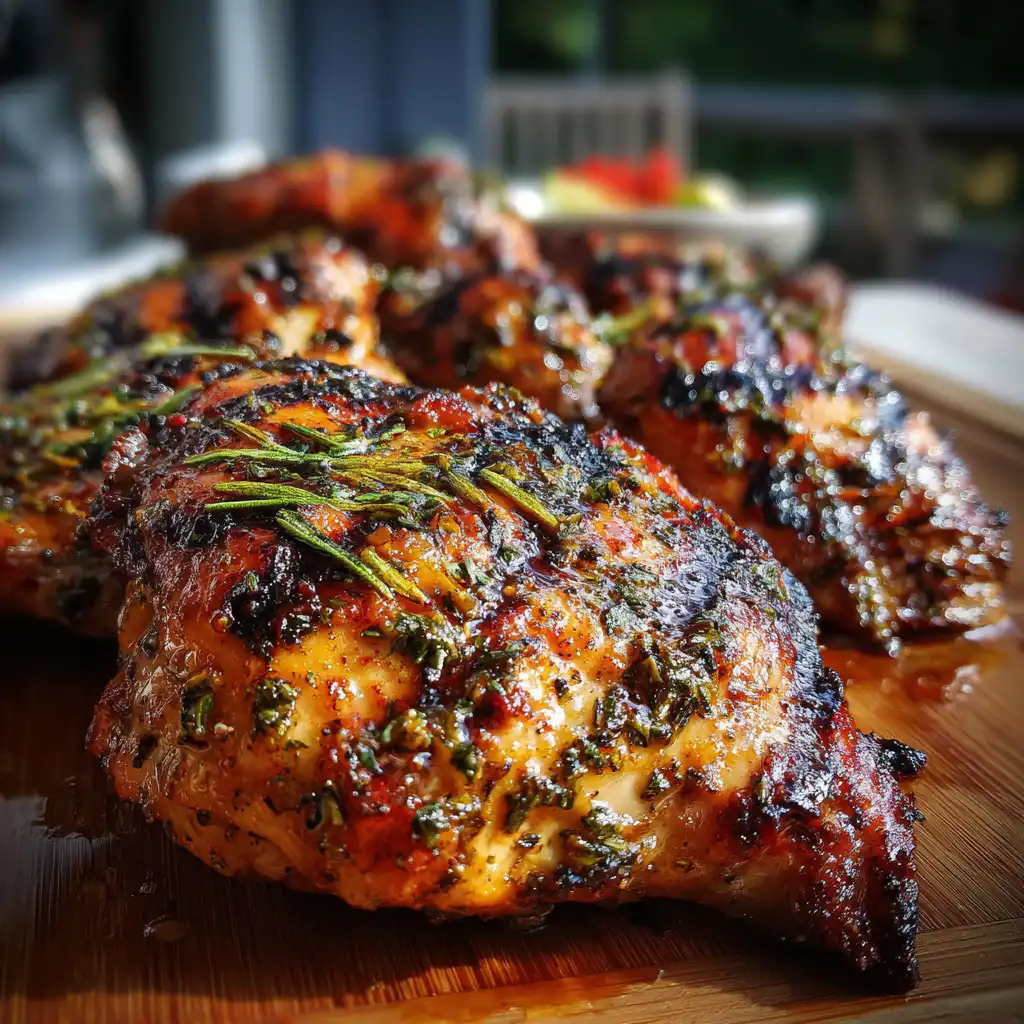
Place chicken skin side down first pressing gently with tongs. Leave it undisturbed for three to four minutes letting caramelization do its work. Then flip and cook another three minutes closing lid in between to keep heat even
If you got a meat thermometer aim for one hundred sixty five degrees internal at the thickest point. Pull off a few degrees early because carryover cooking will nudge it up while resting
Let pieces rest on a wire rack five minutes to lock in juices. That short pause makes each bite so much juicier
Nerd handy notes
Remember protein set begins around one hundred fifty five degrees causing fibers to tighten up. Hitting that range helps you avoid dry rubbery texture
Slow simmer ideas even apply at room temp. Letting ingredients mingle slowly builds a homogenous solution that clings better to chicken surface
Creamy mediums like yogurt add both acid and fat boosting marinade depth. They buffer aggressive acids so you get tender juicy meat not fall apart mush
Simple plating ideas
Start with a bed of fresh greens maybe peppery arugula or crisp lettuce leaves. That contrast in texture keeps well with hot chicken and soaks up extra juices
Arrange slices of chicken on top fanning them out so you see sear lines and golden edges. Sprinkle chopped parsley or chives for a quick color pop
Drizzle leftover marinade reduced on low heat into a glossy sauce swirl around plate edges. Add lemon wedges or thinly sliced cucumber for brightness and crunch
Variable tweaks to suit you
If yall lean toward heat throw in chili flakes or diced fresh jalapeno. The capsaicin joins caramelization making spicy tingle pockets in each bite
For deeper smoke swap plain paprika for smoked paprika or add a spoon of chipotle powder. That smoky note folds in with charred sugars giving a barbecue vibe
Try swapping half the oil for coconut milk for a slight tropical creaminess that pairs great with citrus and honey. The fat from milk shields meat from grill heat for juicier interior
You can also garnish with grated fresh ginger or a splash of infused oil after grilling to get a fresh burst of aroma
Storage and reuse tips
Cool leftover grilled chicken completely before storing. Quick chill avoids a gray water ring around meat which signals quality loss
Store in airtight container in fridge up to three days. For longer life freeze pieces separated by parchment in a sealed bag good for two months
Reheat gently in oven at three hundred fifty degrees Fahrenheit on a wire rack to bring back crisp. You can also pop pieces in a covered skillet over medium heat adding a splash of water to steam through then uncover to crisp
Final takeaway
Perfecting chicken marinade for the grill takes curiosity patience and a willingness to try new combos. Using science hints like proper protein set temps and sugar aided caramelization guarantees drool worthy results that taste consistent every time
Dont rush that resting phase or acid contact time. Let flavors mingle slow then rest meat post grill to lock in juices so every bite hits peak flavor that will make yall swoon
Once you nail that balance you wont ever feel bummed by bland grilled chicken again
Science FAQs
Q: Why does the marinade need sugar in it
A: Sugar helps fuel caramelization at high heat creating a rich brown crust that deepens flavor. It also balances acids and salt giving that sweet undercurrent with each bite. Without it your chicken stays pale and misses that toasty note you crave
Q: Can I skip the acid if I dont have citrus juice
A: You can substitute vinegar in small amount. Acid breaks down tough muscle fibers making texture tender. But watch the time to avoid mush and use gentle acids like apple cider or rice vinegar if you have them
Q: What is protein set and why does it matter
A: Protein set is when meat fibers tighten at around one hundred fifty five degrees causing juices to squeeze out. Knowing that helps you pull chicken off low heat before it dries out and gives that perfect tender springy texture
Q: Is it safe to marinate overnight
A: You can do that but dry brine effect from salt can over tenderize causing a spongy texture. Best timing is two to six hours for perfect balance and if you need quick fix room temp for ten to twenty minutes still works
Q: How does resting chicken help after grilling
A: Resting allows carryover cooking and juices to redistribute back into fibers so they dont pool out when you slice. That makes each bite moist and steady in texture instead of dry or watery
chicken marinade for the grill
Equipment
- 1 mixing bowl
- 1 whisk or fork
- 1 measuring cups and spoons
- 1 ziplock bag or shallow dish for marinating
- 1 grill
Ingredients
- 1.5 lbs boneless, skinless chicken breasts
- ¼ cup olive oil
- ¼ cup lemon juice About 2 lemons.
- 2 tablespoons honey
- 3 cloves garlic, minced
- 1 teaspoon dried oregano
- 1 teaspoon dried thyme
- 1 teaspoon salt
- ½ teaspoon black pepper
- ¼ teaspoon red pepper flakes Optional, for some heat.