The pressure builds and you start counting down minutes until you eat. You hear the little clicks and hisses, feel the heat rising inside that shiny pot. It's sorta thrilling, right? Like a countdown to yum.
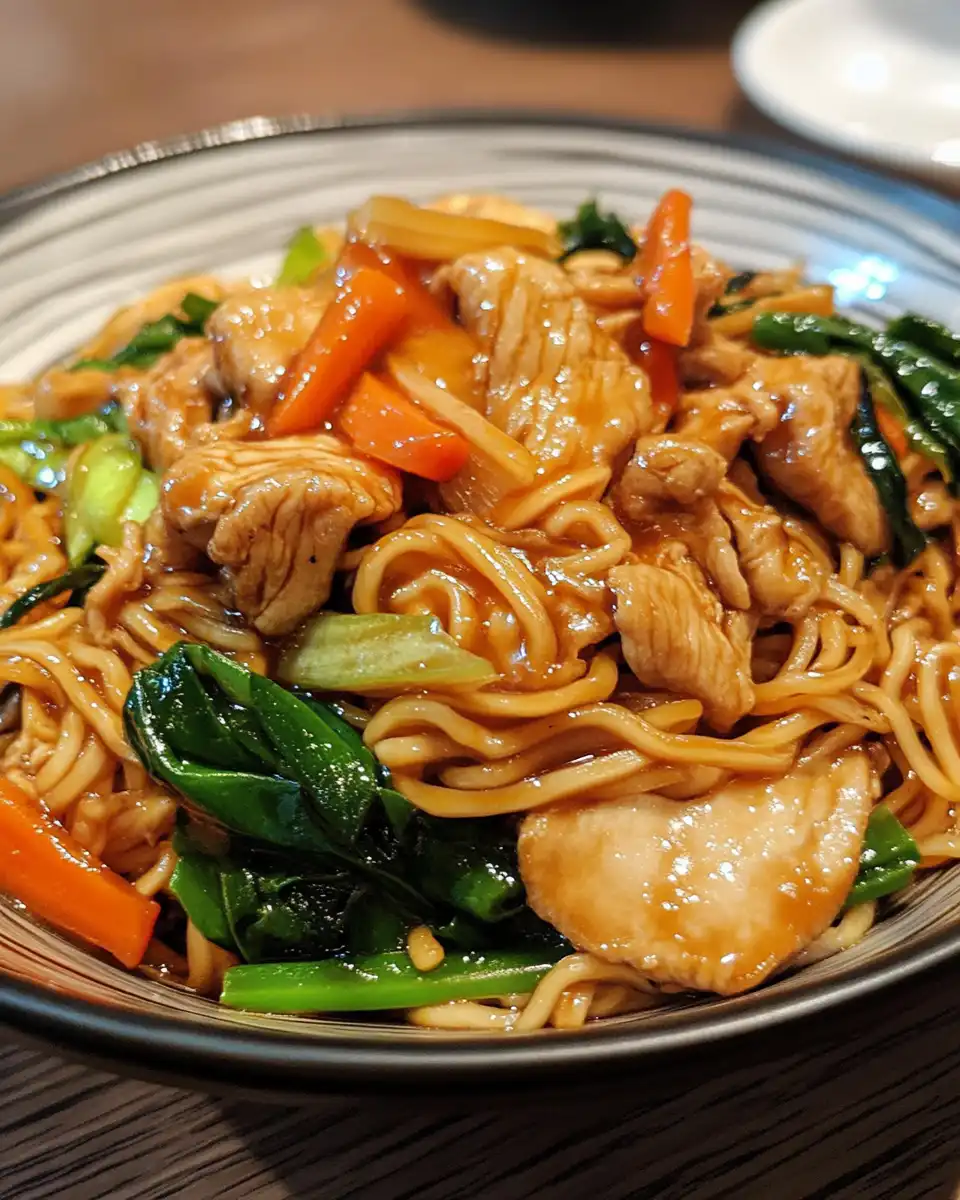
You catch the scent wafting up before it even opens. Garlic poking its nose through, soy sauce giving a salty hug, and that hint of sesame oil whispering sweet nothings. You know something's about to happen in there.
Counting steam cues becomes your new focus, watching the sealing ring do its work tight enough so no steam escapes. You feel a mix of patience and excitement for that tender pull of chicken and the broth depth making noodles sing.
Why Your Cooker Beats Every Other Pot
- Pressure build locks in flavors faster than any regular pan could dream of.
- Steam cues let you guess when it's just right without opening the lid too soon.
- The sealing ring keeps all that tasty steam and juices right where they belong.
- Tender pull on chicken and veggies comes out every time without guesswork.
- Broth depth happens naturally without needing hours to simmer.
- You clean one pot not three, which is kinda a blessing in itself.
Cooking with a pressure cooker also reminds me of other great one-pot meals like Stuffed Pepper Soup and Slow Cooker Garlic Butter Beef Bites & Potatoes that are just as easy and rewarding.
All the Pieces for This Meal
Here's what you gotta grab to make your Chow MeinNagi sing: 200 grams or 6 ounces of thin sliced chicken breast or thighs. Tenderize the chicken if you want it extra soft - it totally works.
Four cups of shredded green cabbage brings that crisp veggie crunch. Then 1 and a half tablespoons peanut oil or whatever cooking oil you got. Garlic two cloves finely chopped for that punch of flavor.
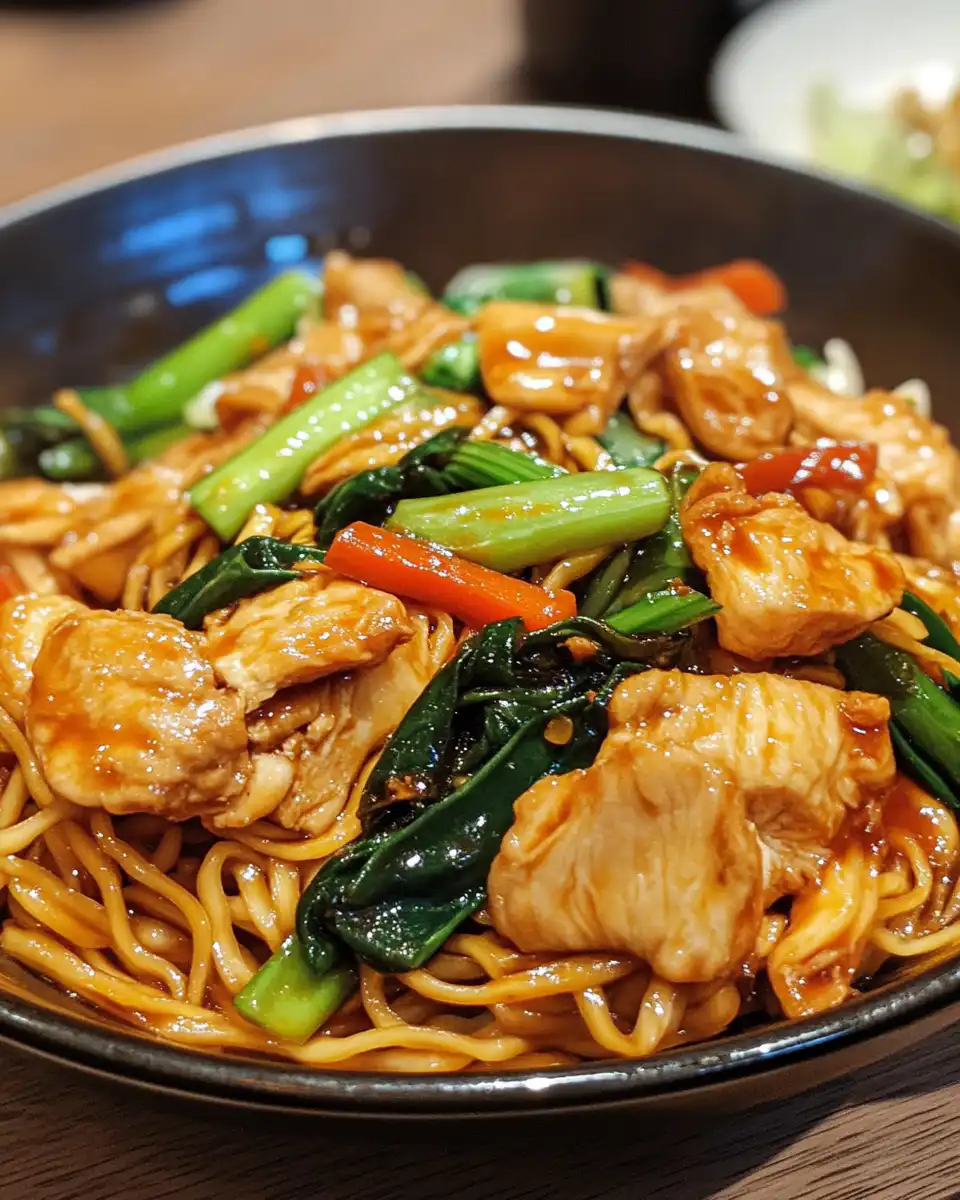
You'll also need 200 grams or 6 ounces of chow mein noodles cooked according to the pack. One julienned carrot, one and a half cups of fresh bean sprouts, and three green onions chopped big at about 5 centimeters long. Plus a quarter cup water to mix with cornstarch for the thickening.
Don't forget sauces - one and a half tablespoons each of soy sauce and oyster sauce, one and a half tablespoons Chinese cooking wine or mirin, two teaspoons sugar (less if you use mirin), half a teaspoon sesame oil, and a dash of white pepper.
Your Complete Cooking Timeline
Step one is mixing your cornstarch with that quarter cup water you set aside earlier. Stir it till smooth and keep it waiting patiently.
Next, boil your chow mein noodles as per that package, then drain and set them aside to rest. They'll be ready to soak up all the flavors soon.
Heat your wok or skillet on high and splash in one tablespoon peanut oil. Add your chicken slices and stir-fry quick till they just turn white and lose their rawness. Pull 'em out and set aside.
Pour the other half tablespoon of oil in, toss in the garlic and stir-fry for just a few seconds till fragrant but not burnt. Then throw in the cabbage and carrot, tossing and stir-frying for about two minutes till just tender.

Time to bring back your chicken, noodles, bean sprouts, and green onions into the hot wok. Pour over that cornstarch mixture and soy and oyster sauces with cooking wine, sugar, sesame oil, and some white pepper.
Keep everything moving for two to three minutes till all the sauce thickens up and everything's heated right through. Serve immediately before those noodles get all clumpy.
Easy Tweaks That Make Life Simple
- You can swap out chicken for tofu if you want a veggie twist. Just gotta press the tofu first so it's not mushy.
- If you sorta hate chopping, grab pre-shredded cabbage and frozen julienned carrots to cut your prep time down.
- Cook noodles in bulk and freeze portions. When time's tight, just pop 'em in hot water to thaw quick.
- Use garlic powder if fresh is scarce but keep it light so it don't overpower the broth depth.
- Don't stress about having oyster sauce exactly - hoisin sauce will sink in just fine for that savory kick.
Similar to tweaking this chicken chow mein, you might want to check out adjustments in recipes like Vegan Sticky Sesame Chickpeas.
The Flavor Experience Waiting for You
The moment you dig in you notice the burst of gentle garlic and soy hugging every noodle. The peanut oil adds a smooth richness that kinda coats your tongue.
Veggies keep a little snap even after the pressure buildup, giving that satisfying crunch against tender noodles and chicken.
The chicken itself is juicy and soft, like it just melted in your mouth thanks to that perfect tender pull. The sauces mingle deep into every bite with a salty, sweet, and slightly tangy dance.
That hint of sesame oil finishes it off with a subtle twist that leaves you craving another forkful before you even swallow.
Keeping Leftovers Fresh and Ready
Pop your leftovers into airtight containers. It slows down drying out and keeps flavors intact for next time.
Fridge is your best bet for short term, up to three days is safe. Just remember to heat it gently so the noodles don't end up chewy or slippery in a bad way.
If you want to stash it longer freeze your portions but be careful to thaw in the fridge overnight so the textures stay good. Reheat with a splash of water to bring back some broth depth.
What People Always Ask Me
- Can I use different noodles? Heck yes. Rice noodles or even instant ramen noodles work, but watch your cooking time so they don't get mushy.
- Is chicken breast or thigh better? Both are good but thighs stay juicier and give you that tender pull better.
- What if I don't have Chinese cooking wine? Just go for mirin or a small splash of dry sherry. Works real good.
- Can I add other veggies? Sure thing. Bell peppers or snap peas add color and nice crunch.
- How do I avoid soggy noodles? Drain 'em well and don't over stir once you add sauce. That sealed pressure build helps but you gotta keep noodles happy.
- What's the best way to tenderize chicken? Use a meat mallet on thin slices or marinate briefly in soy sauce and a pinch of cornstarch to get that velvety texture.

Chow MeinNagi
Equipment
- 1 Wok or skillet Large
Ingredients
Main ingredients
- 200 g chicken breast or thigh fillets thinly sliced
- 4 cups green cabbage finely shredded
- 1 ½ tablespoon peanut oil or other cooking oil
- 2 cloves garlic finely chopped
- 200 g chow mein noodles prepared per package
- 1 carrot julienned
- 1 ½ cups bean sprouts
- 3 green onions cut into 5cm pieces
- ¼ cup water
- 2 teaspoon cornstarch
- 1 ½ tablespoon soy sauce
- 1 ½ tablespoon oyster sauce or hoisin
- 1 ½ tablespoon Chinese cooking wine or Mirin
- 2 teaspoon sugar
- ½ teaspoon sesame oil
- white pepper to taste
Instructions
Instructions
- Mix cornstarch with water and stir till smooth. Set aside.
- Cook noodles according to package, drain and set aside.
- Heat wok or skillet with 1 tablespoon oil. Stir fry chicken slices until they turn white. Remove and set aside.
- Add remaining oil, then garlic. Stir fry briefly until fragrant.
- Add cabbage and carrot. Stir fry for 2 minutes until just tender.
- Return chicken, add noodles, bean sprouts, and green onions to wok.
- Pour in prepared cornstarch mixture and all sauces.
- Stir-fry everything for 2–3 minutes until sauce thickens and everything is heated through.
- Serve immediately while hot.