
You load up your protein trail pack as you step to the trailhead feeling that hunger spark deep in your gut. You can almost taste Air Fryer Roast Beef while your senses tune to the burn of camp coals under a rising flame. You recall every wood pop and sniff the wet pine air as you hike. You reflect on the cast iron sear you aim for once you find that perfect grassy nook by the river.
You wander down that dusty path with your mind on the meal ahead and heart set on the perfect roast. Each twig crack beneath your boot seems to echo a sizzle that you will need soon. You remember how wind kicked up sparks last time you camped then set that grill grate over stones. You reflect on every flicker of glowing ember to keep your fire strong and bright as night draws near.
You drop your pack heavy with gear beside those smooth river stones and test your tools. You recall how camp coals warmed your grate so you could get that ideal cast iron sear on your roast. You think of every spice packet tucked away and each marinade brush waiting in your bag. You reflect on how dang good that Air Fryer Roast Beef will taste under a star lit sky after a long wild trek.
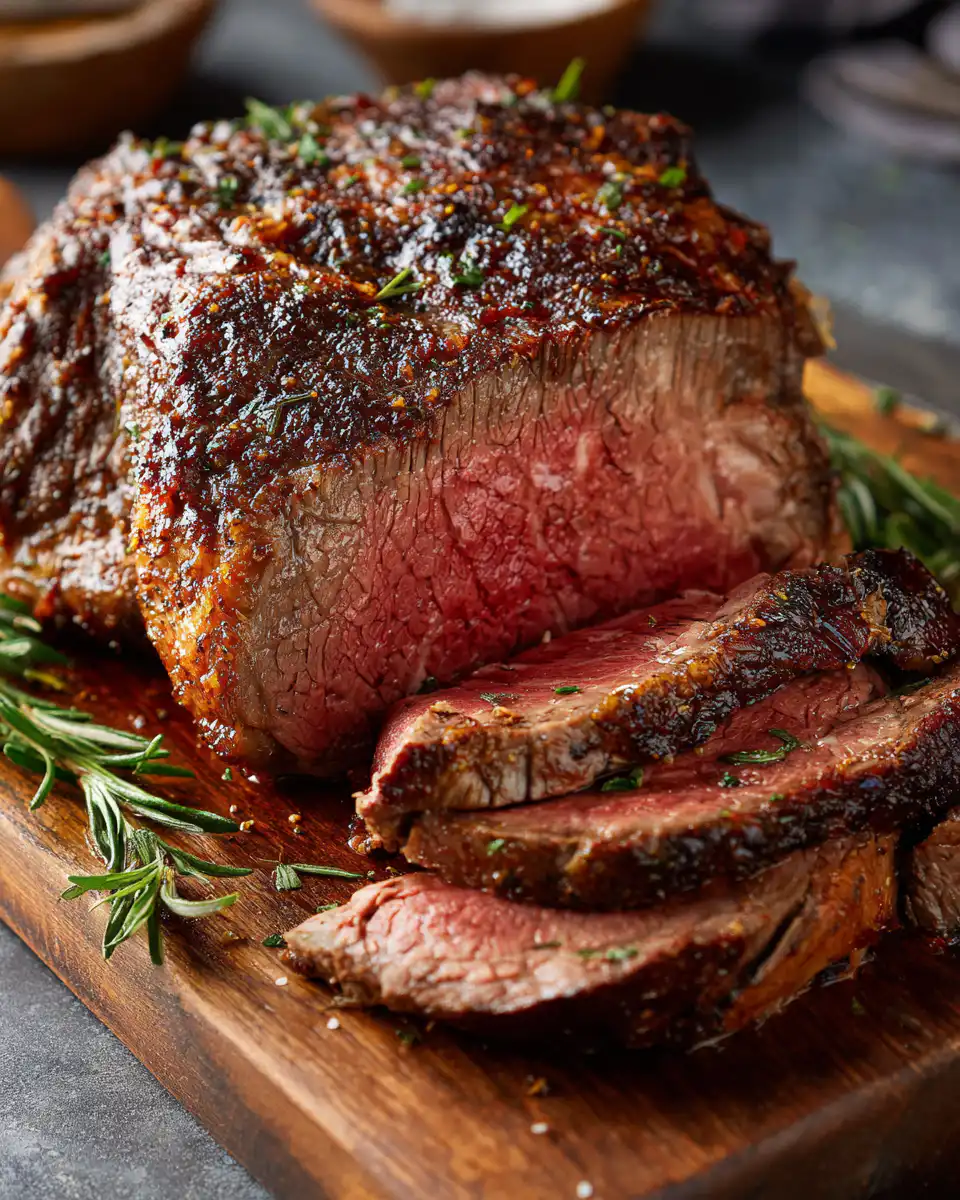
Fire build bushcraft science
You need to think of fire as a living thing not just flames. You recall the need for a base of dry twigs and small sticks to start rising flames. You feed coarser logs in layers so your fire can breathe just like you would feed a camp stove fuel. You remember to wet test that wood first so smoke does not choke you out.
You reflect on placement of stones from the river packing them into a ring. You do this to hold heat in like a rock oven. You visualize how those stones radiate warmth back up to your grill grate. You think of your cast iron sear technique. You place them so your cooking surface sits just right above the coals and below any breeze that might blow.
You recall to keep enough camp coals ready to rebuild fast when flare ups die down. You think back on the heck of a spark when the coals crackled alive under your grate. You reflect on timing your fire so it peaks when your roast beef is prepped and hungriest minds are on cooking. You will use the science of bushcraft to keep things burning hot long enough to get that prime slice on a plate.
Pack list rundown six to eight items
You pack for that remote spot with a lean carry in mind. You need just what fits in your protein trail pack for the trip and the cook. You recall your want to travel light but still nail that Air Fryer Roast Beef dinner. Here is a solid rundown of gear items you will stash in your bag.
- Cast iron skillet or heavy grate that sits on stones or coals well
- Long tongs and a sturdy brush for basting and flipping roast beef
- Marinade brush and spice kit to get flavor deep into your cut
- Proteins sized for your group like roast beef slices or whole roast
- Aluminum sheet or tin foil to wrap meat and keep juices locked
- Fire starter kit with tinder and kindling to get camp coals quick
- Heat resistant gloves so you can handle hot cast iron sear tools safe
You reflect on each item packing in the right spot by weight and access. You remember that every ounce matters but comfort and prep time matter more. You tuck these into your protein trail pack so you can hike steady then build fire fast for that roast beef that will hit all the right notes.
Grill setup steps five
Step 1 You need to find that flat spot by the river or in a clearing deep in the woods. You look for an area out of wind wakes and free of overhanging branches or dry scrub. You clear debris a full foot diameter around that spot so nothing flammable is near your fire. You recall how burns happen when sparks fly off into dry grass and ruin your cook.
Step 2 Next you gather stones from the river bed or along nearby banks and form a solid circle ring or low mound. You test each stone to ensure there are no cracks or hidden moisture inside or they might pop or even shatter when hot. You space the stones to match your grill grate size so it sits stable. You reflect on that cast iron sear that will go above those stones.
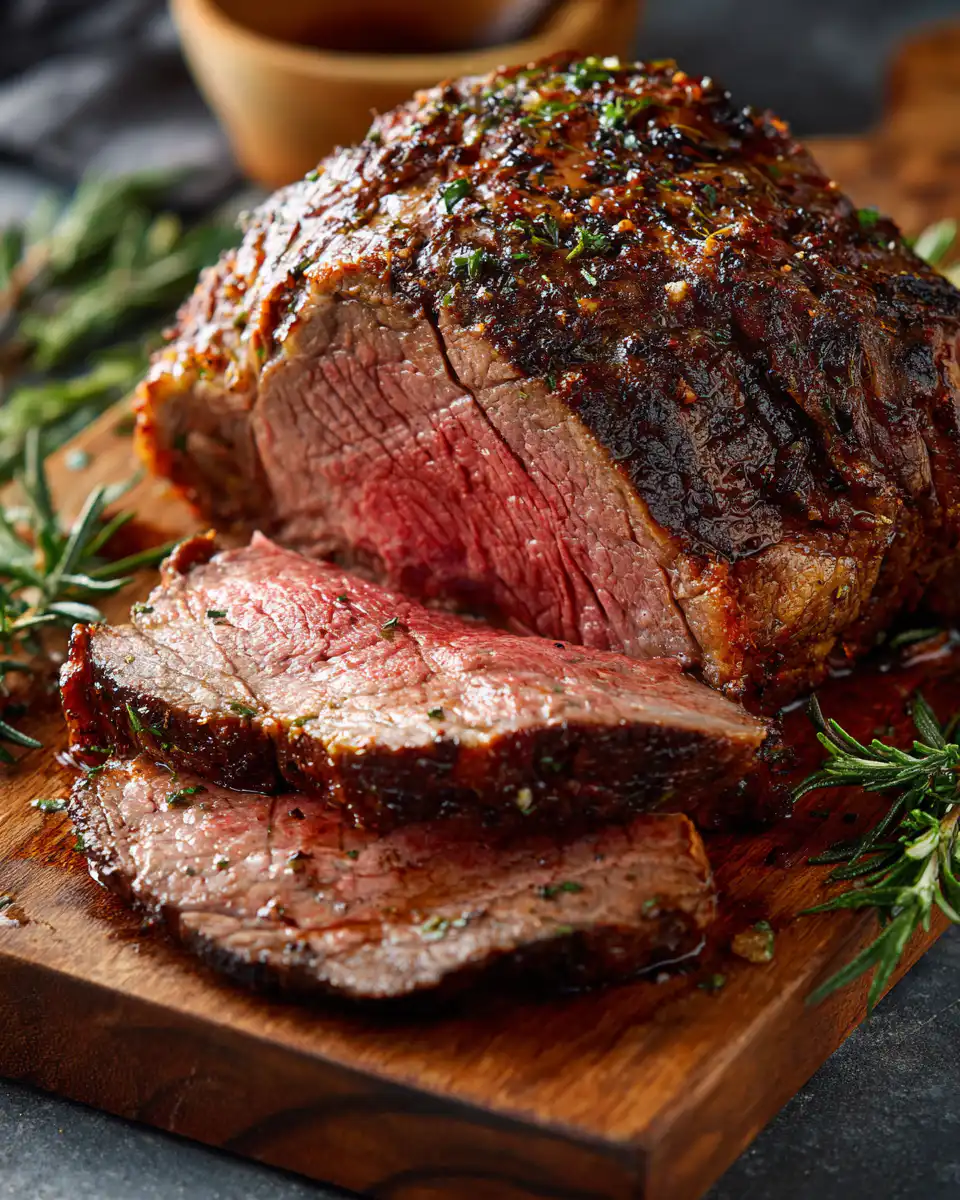
Step 3 Now you grab your tinder from dry leaves small twigs and bark along with larger kindling logs. You pile that tinder and lighter sticks in the center of your stone ring. You might use a protein trail pack fire starter if you want a quick spark but hand flint fine too. You gently light that tinder till it flames then add kindling slowly so it climbs to small logs.
Step 4 Once you see small logs burning and turning to glowing camp coals you rake those embers under the grate area using a stick or tongs so they settle into a red hot bed. You let them rest till ash covers surfaces and heat holds steady. You may fan or blow gently so heat rises up evenly. You settle your grate or cast iron skillet so it is stable under that sear.
Step 5 To test that grill surface you hold your hand inches above the grate and count to five or six before it feels too hot to bear. You adjust stone placement or shift coals under the grate if you need more heat or want to tame hot spots. You remember that timing for your Air Fryer Roast Beef is key so you want that fire at its peak before you lay down your roast.
Sizzle echo scene
You press that slab of roast beef onto the hot grate or cast iron skillet and hear a loud sizzle that makes you grin wide. You remember every time you got that sear it locked in juices deep inside. You feel warmth on your fingertips even from a foot away. You reflect on the way flames dance as they lick the meat edges and produce a melody of crackle and spit.
You lean in to smell that smoky aroma drifting over the camp coals and swirl around your nostrils. You recall how your mouth watered last time you made a roast like this on bare stones and embers. You close your eyes and feel that echo of sizzle ring in your mind. You know dang well that first bite will satisfy every hunger you brought to this trail.
Mid cook wood feed checkpoints
You reach the midpoint cook when your roast has turned a deep brown on the lower side. You lift that meat gently with tongs and peek under to check how even your cast iron sear is. You look for small beads of juice rising to the surface as a sign the meat is warming through. You recall how tricky it is to get just the right char without burning up.
You reflect on how you need to feed more fire if coals look pale or are smoldering low. You add a few dry sticks to the ring of stones or slip them between the embers then let them burn down into fresh coals. You might fan lightly so they catch quickly. You remember to shake off ash from each log so smoke does not foul up your flavor.
You press down on the roast again and feel how the grate or skillet gives a consistent spring under the meat weight. You watch the flames wrap around your roast like a gentle hug not a wild blaze. You recall that you want steady heat not flare ups. You reflect on making a habit of this checkpoint so your Air Fryer Roast Beef cooks tender and juicy every time.
Camp plate ideas
You set out a simple platter using a wide leaf or flat rock as your plate. You slice that Air Fryer Roast Beef thin then layer it over crusty bread or a sturdy cracker. You dollop on a drop of mustard or a swipe of garlic aioli if you packed a small container. You recall you can use a cast iron skillet lid flipped upside down as a makeshift tray if need be.
You add a handful of fresh herbs like parsley or a few sprigs of rosemary for color and aroma. You tuck pickled veggies or a vinegary salad to cut the richness of your roast. You reflect on how cheese cubes or a dollop of seasoned yogurt work as sides too. You finish with a sprinkle of salt and pepper you carried or shake from crushed peppercorns in your spice kit. You remember how y'all dig into that plate under the stars and savor each bite.
Leftover trail snack guide
You pack leftover slices of Air Fryer Roast Beef into a sealable bag or wrap them in foil to stash in your protein trail pack. You tuck that pack in a cooler zone or shaded spot so it does not cook itself in the sun. You recall that cool leftovers taste best when you pull them out later. You reflect on keeping your bag clean by wrapping first.
You can whip up a trail wrap using those roast beef slices along with a smear of cheese and a handful of salad greens in a flatbread or tortilla you packed. You fold it tight and press gently in your pack till snack time. You picnic in a clearing or perched on a log for a quick boost of protein and fat that keeps you hiking strong.
You might dice leftover roast beef then mix it with chopped nuts dried fruit and a drizzle of olive oil for a trail friendly tabbouleh feel. You stir to coat each piece then scoop with your palm. You reflect on how this crunchy easy snack fuels you till your next cook. You remember to drink extra water or tea so not dry up on the trail.
Final campfire chat plus FAQs
You lean back as the fire dies to glowing embers and reflect on a day spent cooking that Air Fryer Roast Beef by the riverside under open sky. You recall each crackle from camp coals and every time you fed wood to keep heat even. You feel proud of your cast iron sear and the way each slice locked in rich juices deep inside. You remember how cooking at camp feels raw and rewarding far beyond just filling up on a simple meal. You nod to the quiet night and marvel at how food can make any place feel like home.
Q What is the best roast cut to use with this method
You pick a top round sirloin or eye of round roast since it cooks evenly and lean. You remember to trim fat but leave a thin layer so you keep juices locked in.
Q How long do I cook roast beef over camp coals
You plan about thirty minutes on one side then twenty on the other side but watch heat from camp coals. You check juice beads rising and feed more wood if coals cool.
Q Can I use a cast iron skillet instead of grate
You can use a cast iron skillet on stones or coals instead of grate. You recall how iron holds heat and gives a solid sear. You flip meat often for even brown.
Q What sides work best around a campfire
You pack simple sides like pickles nuts or beans in a pot over coals. You try boiled potatoes in foil near fire or a small green salad in a bowl. You reflect on mixing flavors.
You pack out metal bits you used and let the stones cool before you leave that spot. You recall how cooking under stars makes trails feel like home base. You remember this recipe and plan to repeat when you wander off on your next wild fire pals adventure.
Air Fryer Roast Beef!
Equipment
- 1 air fryer
- 1 meat thermometer
- 1 cutting board
- 1 sharp knife
- 1 mixing bowl
Ingredients
- 2.5 lb beef roast (e.g., ribeye or sirloin)
- 2 tablespoons olive oil
- 4 cloves garlic, minced
- 2 teaspoons salt
- 1 teaspoon black pepper
- 2 teaspoons dried rosemary
- 2 teaspoons dried thyme
- 1 teaspoon onion powder
- 1 teaspoon paprika
Instructions
- Preheat your air fryer to 400°F (200°C) to achieve a crispy exterior.
- Pat the beef roast dry with paper towels to help create a nice crust during cooking.
- In a mixing bowl, combine olive oil, minced garlic, salt, black pepper, rosemary, thyme, onion powder, and paprika. Rub this mixture all over the beef roast, ensuring it’s evenly coated.
- Carefully transfer the seasoned roast to the air fryer basket, ensuring there’s space around it for air circulation.
- Cook at 400°F (200°C) for approximately 20 minutes.
- After 20 minutes, use a meat thermometer to check the internal temperature. For medium-rare, aim for 130°F (54°C) and for medium, aim for 145°F (63°C).
- If the desired temperature has not been reached, continue to cook the roast, checking the temperature every 5 minutes until it reaches your preferred doneness.
- Once done, remove the roast from the air fryer and let it rest for about 10 minutes to allow the juices to redistribute.
- Using a sharp knife, slice the roast against the grain into desired thickness and serve with your favorite sides.